

Jeannette Rankin Breaks the Congressional Ceiling
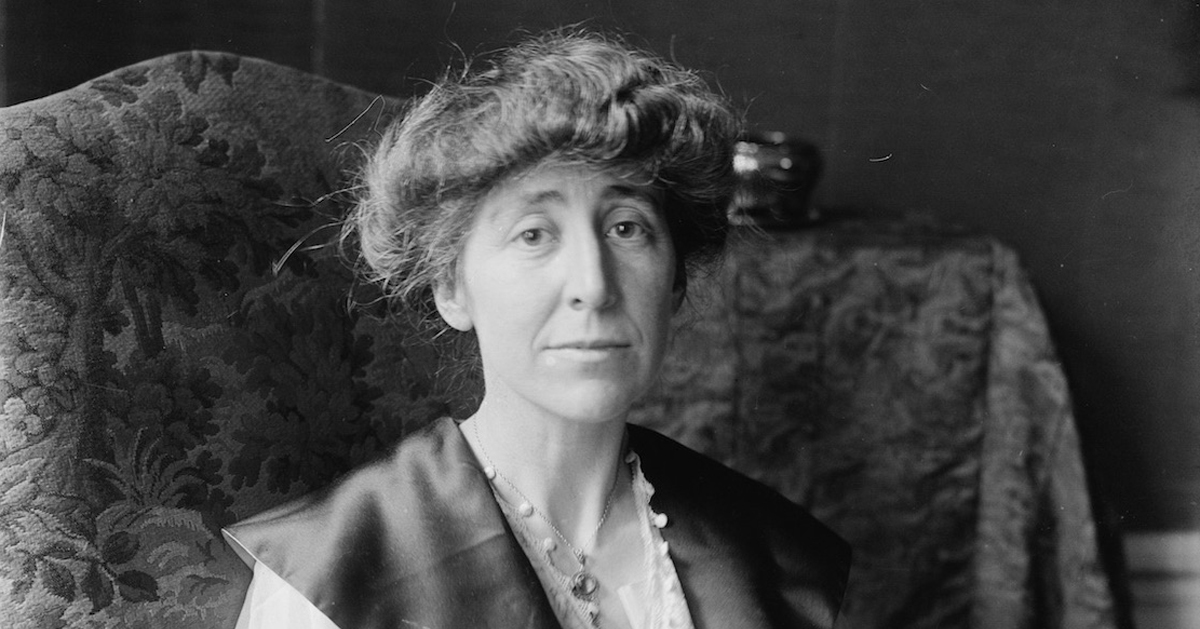
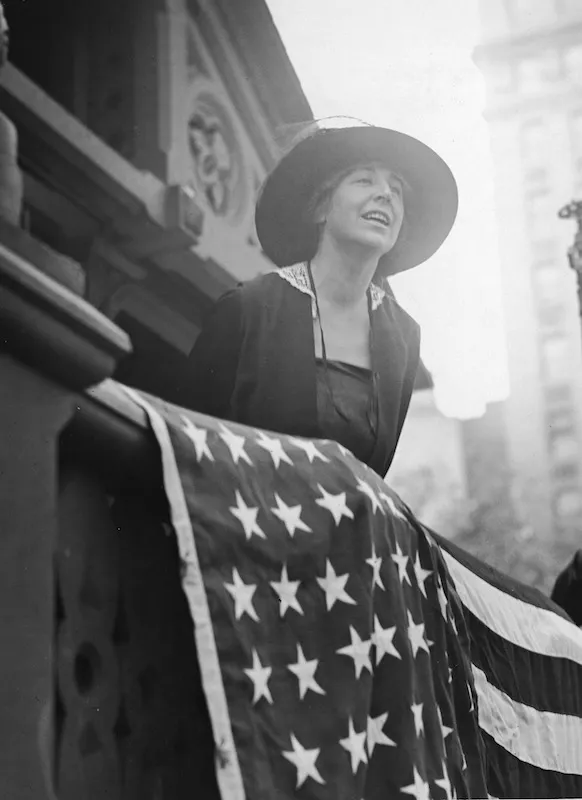
A black-and-white photograph of Jeannette Rankin outside the U.S. Capitol, standing confidently in a wide-brimmed hat.
What Happened?
Born in Montana in 1880, Rankin spent her early years working on her family’s ranch and observing how frontier women labored as equals yet held fewer rights. She attended the University of Montana, then worked as a social worker and suffrage campaigner, fighting for women’s voting rights in states such as Washington and California.
In 1914, Montana granted women the vote, and two years later Rankin ran for one of the state’s House seats, campaigning on women’s suffrage, children’s welfare, and pacifism. Elected in 1916, she became the first woman to enter Congress at a time when most women in America still had no voting rights at the federal level.
Her very first day in office, April 2, 1917, saw President Wilson ask Congress to approve U.S. involvement in World War I. Rankin, a lifelong pacifist, joined 49 other representatives in voting no. Though she faced backlash for her stance, she stayed true to her principles—she would vote against war declarations again during World War II.
After leaving Congress in 1919, Rankin continued her activism, working for social programs and peace groups. She returned to Congress in 1940 but again refused to support war, this time casting the sole vote against entering World War II. Though criticized, Rankin insisted that her constituents had elected her on a pacifist platform—and she would not abandon it. She later led marches against the Vietnam War, proving her dedication to peace endured her entire life.
Why It Matters
Jeannette Rankin’s daring first step into Congress shattered centuries of male-only representation. Her votes for peace and her unyielding belief that women belonged at every level of government set the stage for generations of women leaders to come—and reminded America that principle and conscience can outweigh political pressure.
?
How did Jeannette Rankin’s early life and frontier upbringing shape her views on women’s rights and equality?
Why was her first vote against entering World War I so controversial, even within the suffrage movement?
How did Rankin balance her pacifist beliefs with the political realities of two world wars?
In what ways did her election highlight a double standard—given that most American women still couldn’t vote in 1916?
What lessons can modern politicians learn from Rankin’s willingness to take unpopular stands?
Dig Deeper
A short documentary covering Rankin’s early life on a Montana ranch, her suffrage activism, and her challenging, principled votes in Congress.
Related
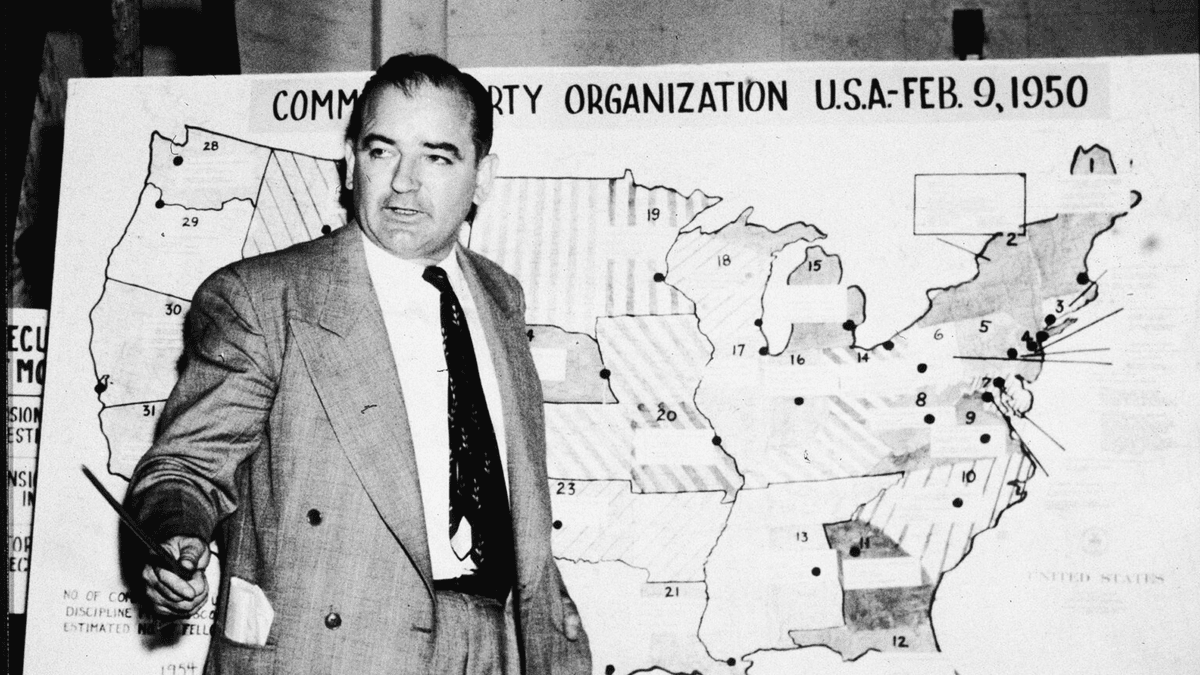
McCarthyism: Fear, Power, and the Red Scare
In the 1950s, fear of communism gripped America. Senator Joseph McCarthy fueled this fear by accusing hundreds of people of being communist traitors—often without proof. The result was a national panic that tested the meaning of truth, justice, and freedom.
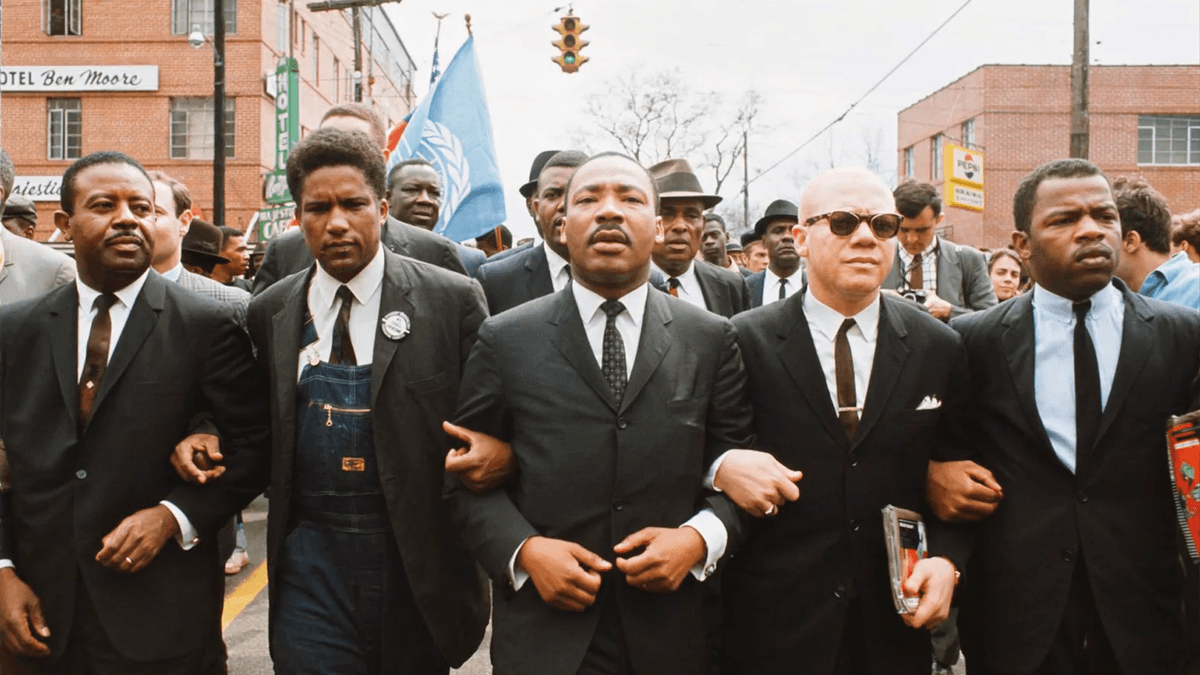
Montgomery Bus Boycott, Greensboro Sit-In, and the Rise of MLK
From Montgomery’s buses to Greensboro’s lunch counters, ordinary citizens ignited extraordinary change — and a new national leader emerged.
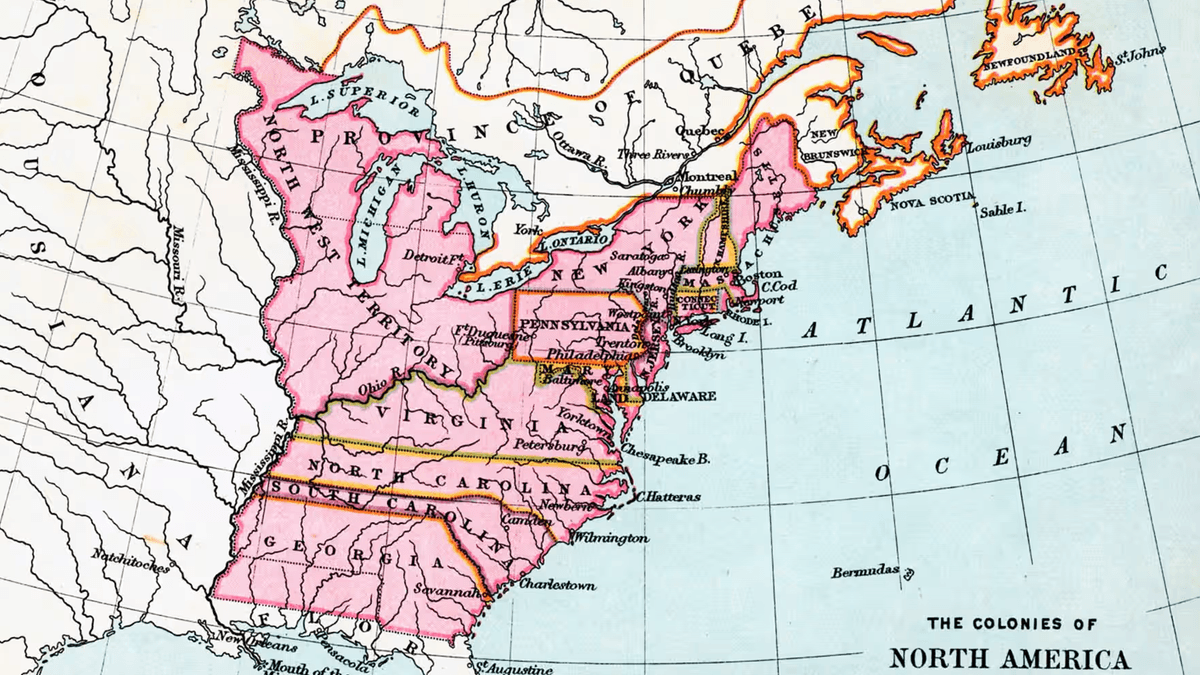
The 13 Colonies: Seeds of a New Nation
How did thirteen scattered colonies along the Atlantic coast grow into the foundation of a new nation?
Further Reading
Stay curious!