

The Colfax Massacre: When White Supremacy Overpowered Reconstruction
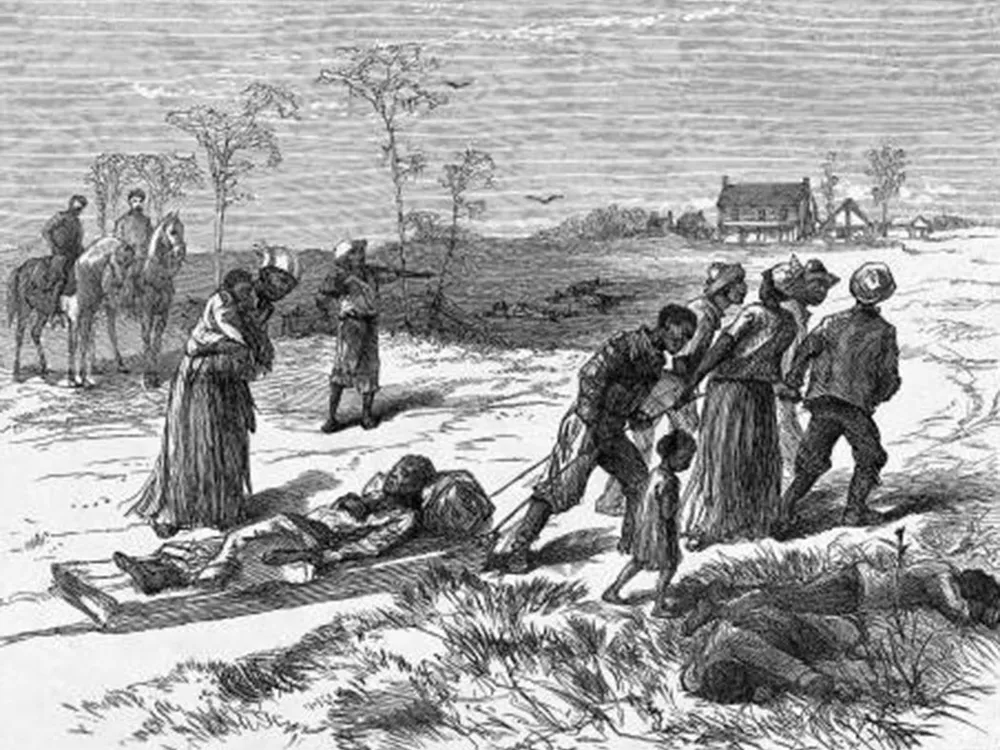
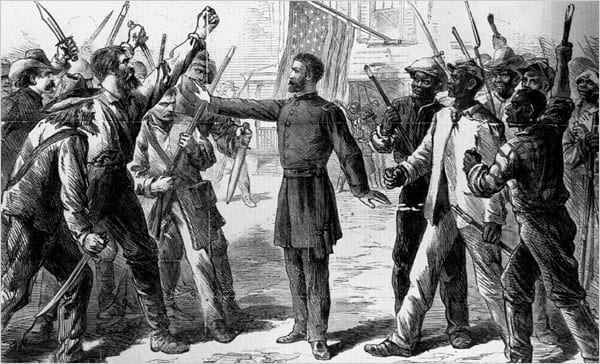
An illustration of the Colfax Courthouse burning amid armed conflict in 1873
What Happened?
In the years after the Civil War, Black citizens in Louisiana—and across the South—were voting, holding office, and defending their communities under the promise of Reconstruction. That promise came under attack in Colfax, where a contested election in 1872 led to two rival governments claiming power.
On April 13, 1873, roughly 300 armed white men—many affiliated with white supremacist groups like the Ku Klux Klan and Knights of the White Camellia—surrounded the Grant Parish Courthouse, which had been occupied by Black Republican defenders. When a cannon was aimed at the courthouse, some defenders fled while others surrendered.
But surrender didn’t mean safety. When one of the white mob’s leaders was accidentally shot by his own side, the mob responded with deadly force—executing wounded prisoners and spreading out into the town to kill other Black residents. By the next day, over 150 Black people had been murdered. Only three white men died.
The state of Louisiana made no arrests, but federal agents eventually detained nearly 100 attackers. Some were convicted under federal laws passed to stop racial violence—but in 1876, the U.S. Supreme Court overturned those convictions in United States v. Cruikshank, ruling that the 14th Amendment didn’t apply to individual citizens—only to actions by state governments.
That decision gutted federal protections for Black Americans. It helped usher in an era of Jim Crow segregation and voter suppression that lasted for nearly a century. The Colfax Massacre wasn’t just a local tragedy—it was a turning point in the collapse of Reconstruction.
Why It Matters
The Colfax Massacre shows what happens when democracy is promised, but not protected. Black Americans were trying to live out the freedoms guaranteed by the Constitution—and were met with organized terrorism. Even when federal laws existed to stop this violence, the highest court in the country chose not to enforce them. That legal silence wasn’t neutral—it was permission. This history is about more than the past. It forces us to ask: What does real protection for voting rights and racial justice look like—and who still gets left vulnerable today?
?
Why was the Supreme Court’s decision in United States v. Cruikshank such a setback for civil rights?
What were Reconstruction’s promises—and why weren’t they fully kept?
Why do many people still call this event a 'riot' instead of what it really was: a massacre?
What role did militias and hate groups play in dismantling Black political power after the Civil War?
How might America be different today if Reconstruction had been fully enforced?
Dig Deeper
In 1873 in Colfax, LA, a disputed governor’s race led to a bloody eruption of racial violence. Descendants from both sides of the massacre are now working together to correct how we remember this vital history.
Related
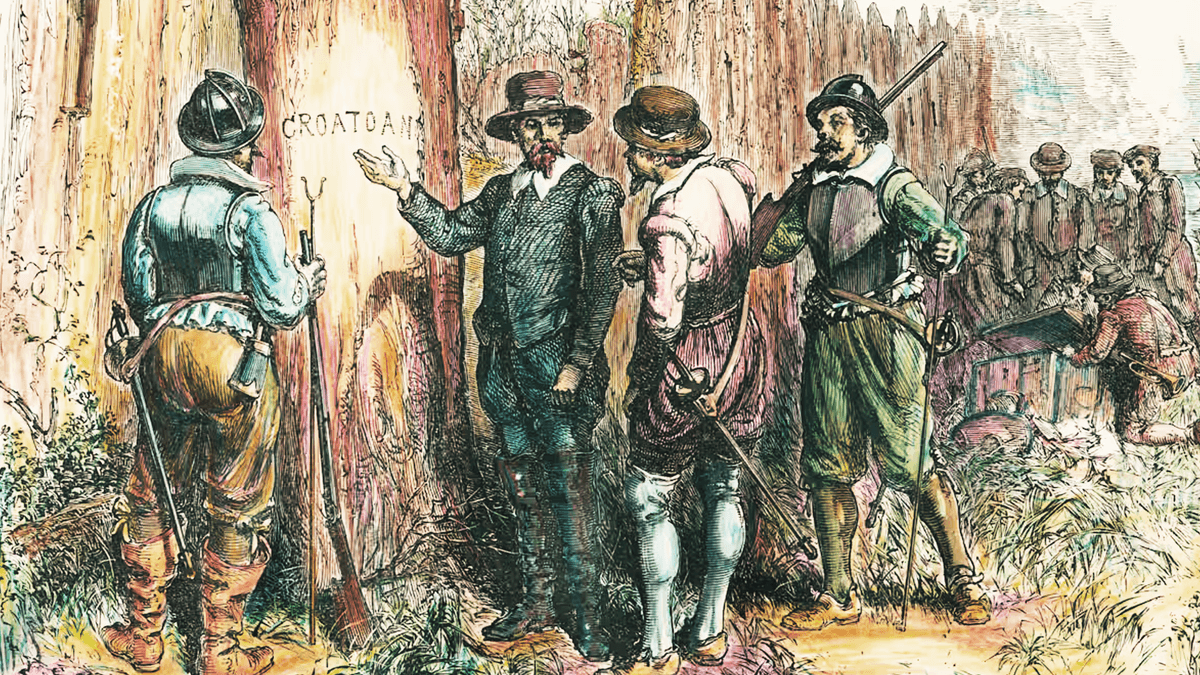
English Colonization: Roanoke, Jamestown, and Early Settlements
From vanished colonies and tobacco empires to pirates and indigenous resistance, the story of England’s first attempts at colonization in North America is anything but boring.
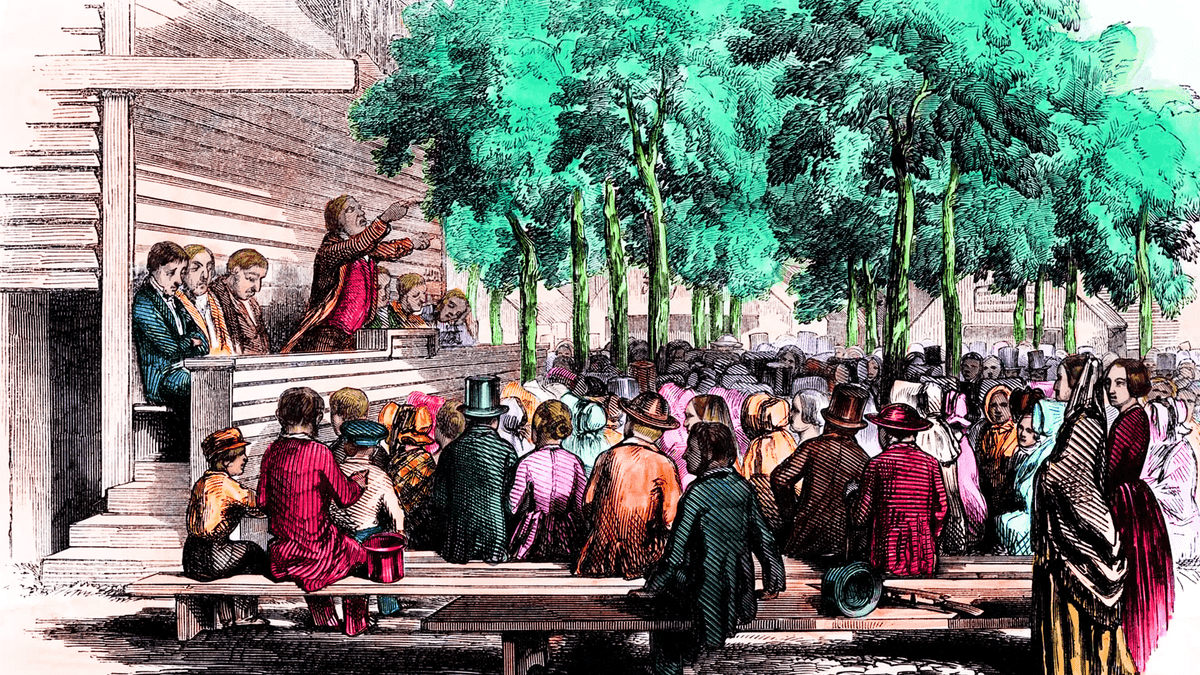
The First Great Awakening: Faith, Fire, and a New American Identity
Long before the Revolution, a different kind of rebellion was stirring, one in the soul. The First Great Awakening reshaped American religion and helped plant the seeds of self-government and democratic identity.
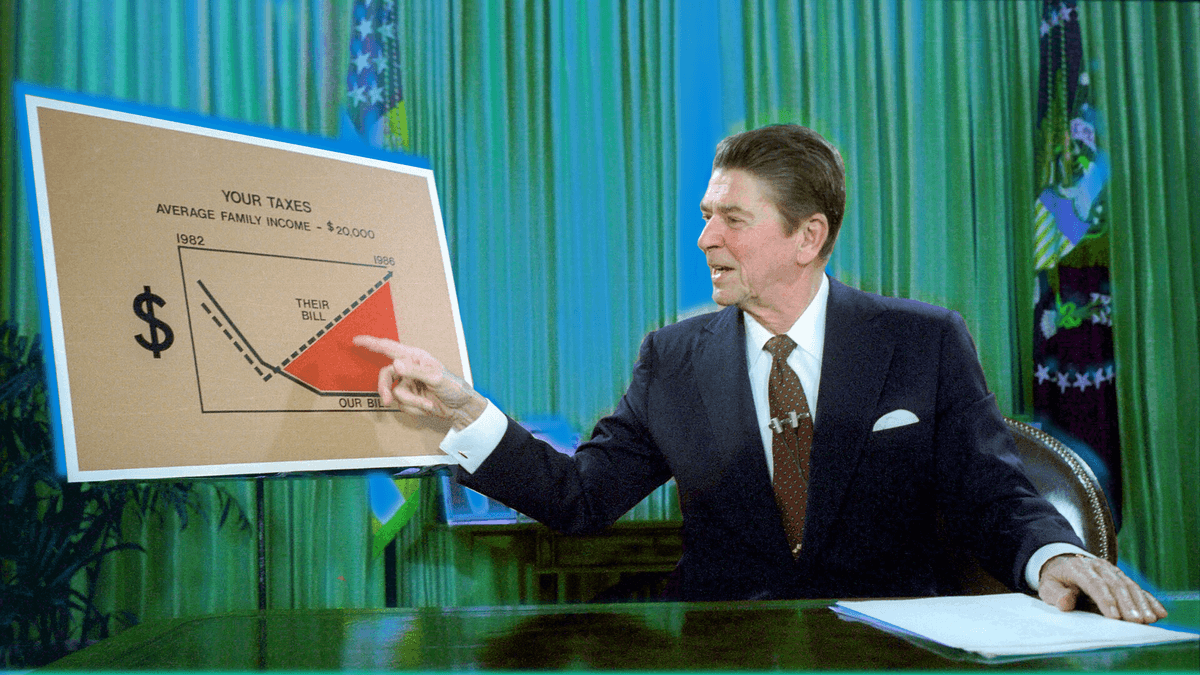
Free Market Fever: The Deregulation Debate
When is government the problem—and when is it the solution? Deregulation reshaped the U.S. economy, slashing rules and reshuffling power in the name of freedom and efficiency.
Further Reading
Stay curious!