

The Midnight Ride: Revere and Dawes Warn of British Attack
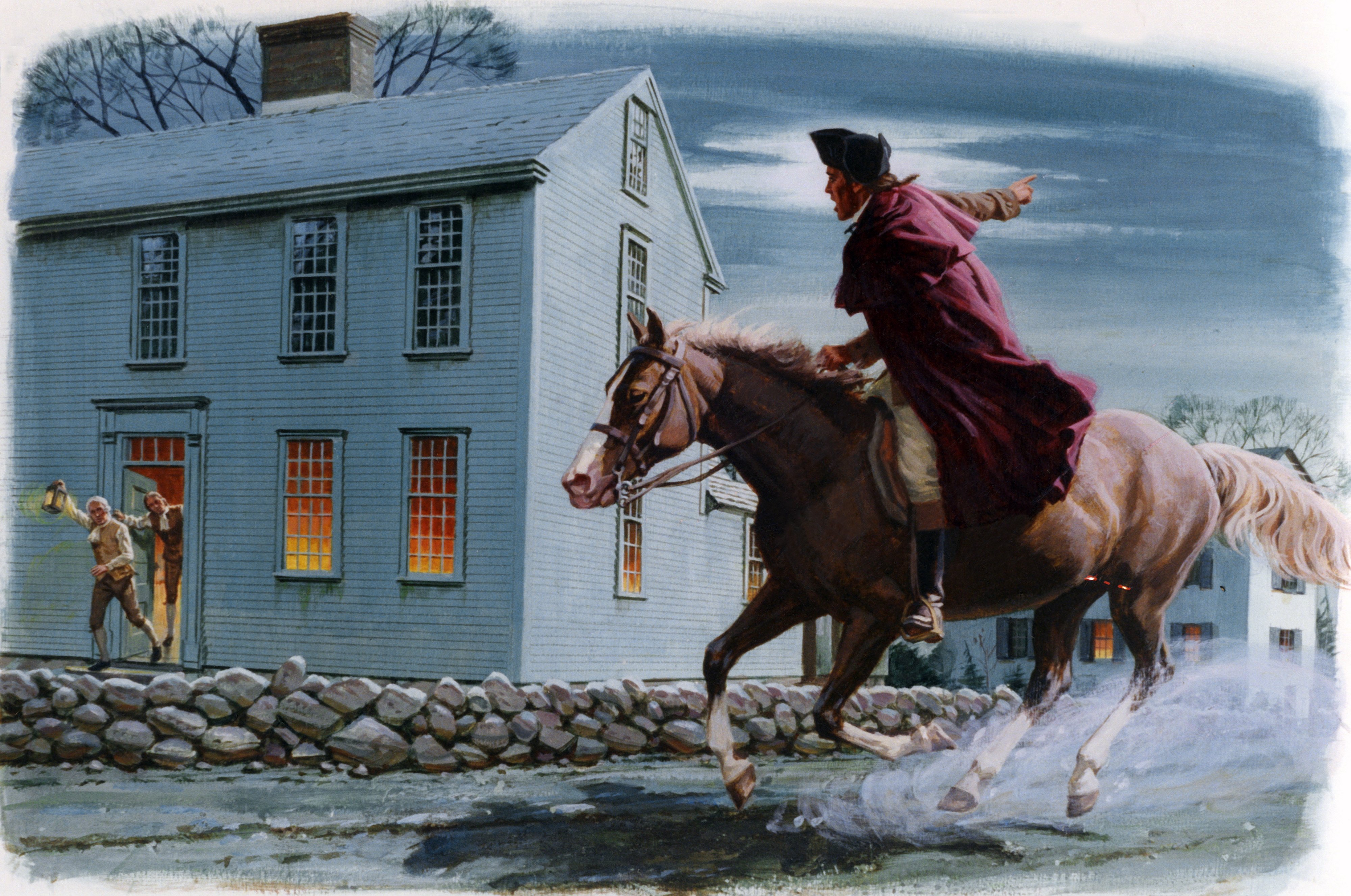
Paul Revere's famous midnight ride to warn American colonists of the approaching British troops.
What Happened?
In the tense spring of 1775, British forces in Boston were ordered to seize weapons stored by colonial rebels in Concord and capture revolutionary leaders Samuel Adams and John Hancock. But the Patriots had spies of their own—and a plan to spread the alarm.
Late on April 18, Paul Revere crossed the Charles River under cover of darkness while William Dawes set out by land. Their routes were different, but their mission was the same: reach Lexington, alert Adams and Hancock, and awaken the Minutemen.
The signal was clear: one lantern in the steeple of Boston's Old North Church if the British came by land, two if by sea. That night, two lanterns flickered. The British were crossing the river.
Along the way, Revere and Dawes alerted dozens of towns. They were eventually joined by a third rider—Dr. Samuel Prescott—who completed the journey after Revere was captured and Dawes was thrown from his horse. The alarm spread like wildfire.
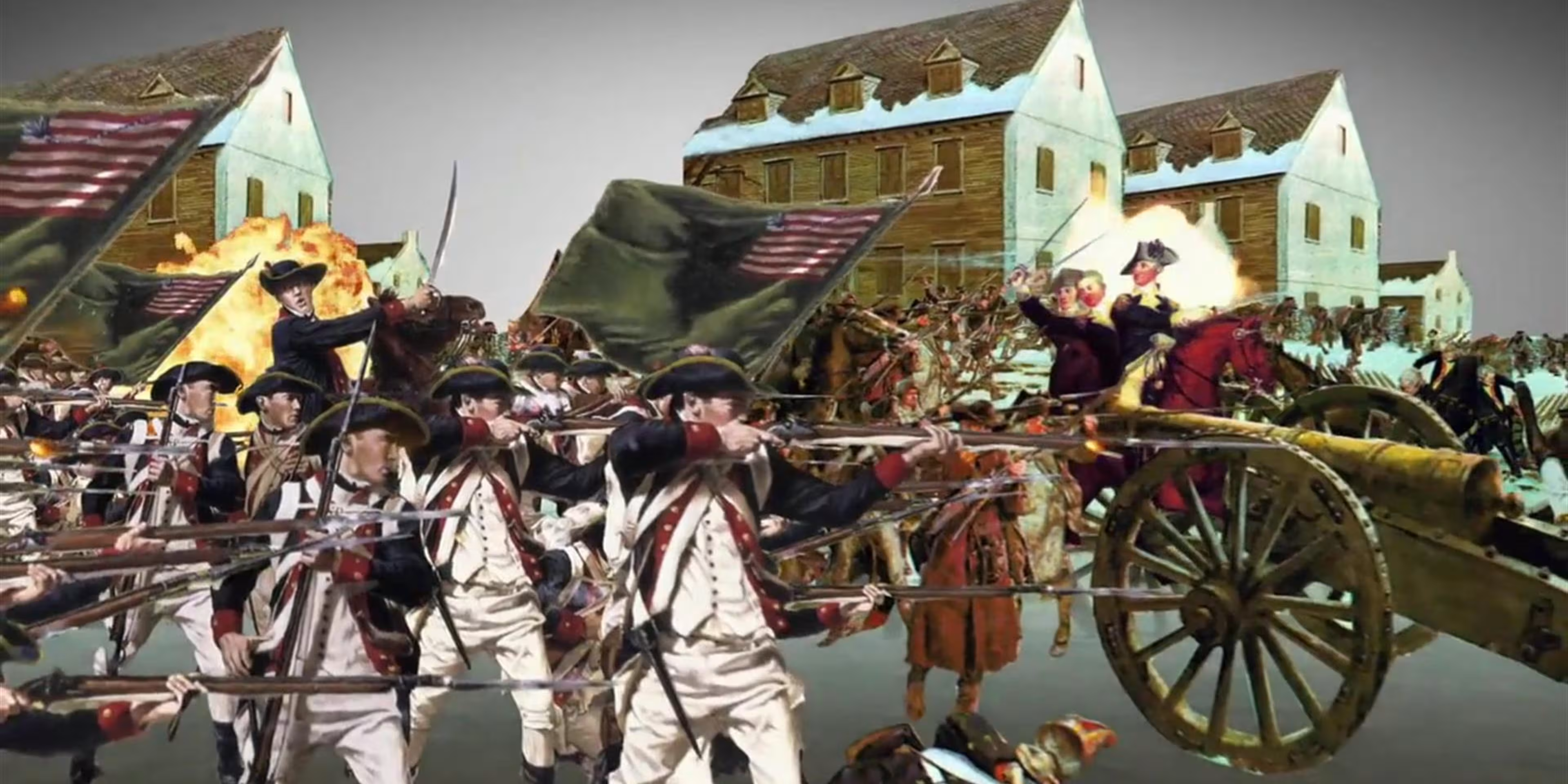
When British troops arrived at Lexington just after dawn on April 19, they were met by a line of armed colonial militia. What followed was a single gunshot—its origin unknown—but its consequences unmistakable. The fight for American independence had begun.
Why It Matters
History often hinges on moments we barely notice in real time—a midnight ride, a lantern in a window, a whispered warning passed from town to town. Paul Revere and William Dawes didn’t just ride to warn a few patriots—they set in motion a people’s revolution. The American experiment in democracy began not with declarations or votes, but with resistance: brave, messy, grassroots resistance. That ride reminds us that vigilance and action, even at great personal risk, are how freedom is born and protected.
?
Why did Paul Revere and William Dawes take different routes, and how did that decision impact the success of their mission?
What was the purpose of the lantern signal in the Old North Church, and how did it work as an early warning system?
Who was Dr. Samuel Prescott and what role did he play in completing the midnight ride?
How did local militias respond to Revere and Dawes' warnings, and what does that tell us about early American organization?
What lessons can we draw from the midnight ride about community, communication, and civic responsibility today?
Dig Deeper
Paul Revere was a Patriot leader and symbol of the American Revolution. Find out more about the man who infamously warned the minutemen of a British invasion in 1775 in this video.
Related
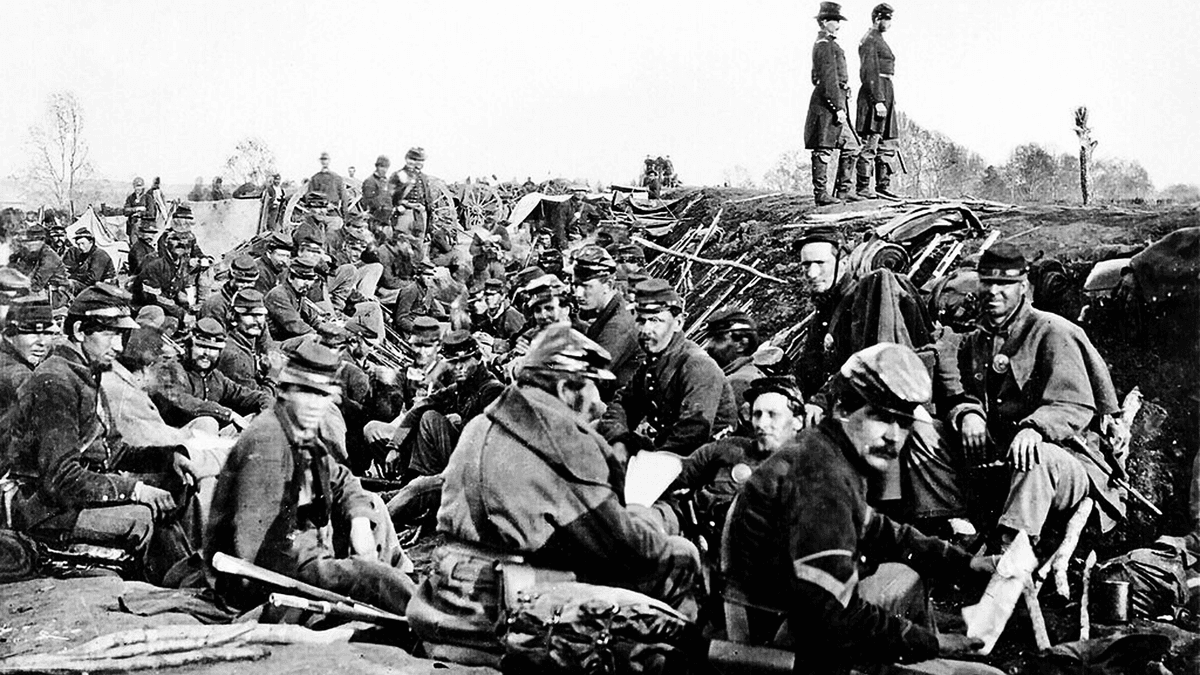
The American Civil War – A Nation Torn Apart
From Fort Sumter to Appomattox, the Civil War was the deadliest conflict in U.S. history, fought over the nation's most profound moral and political divisions.
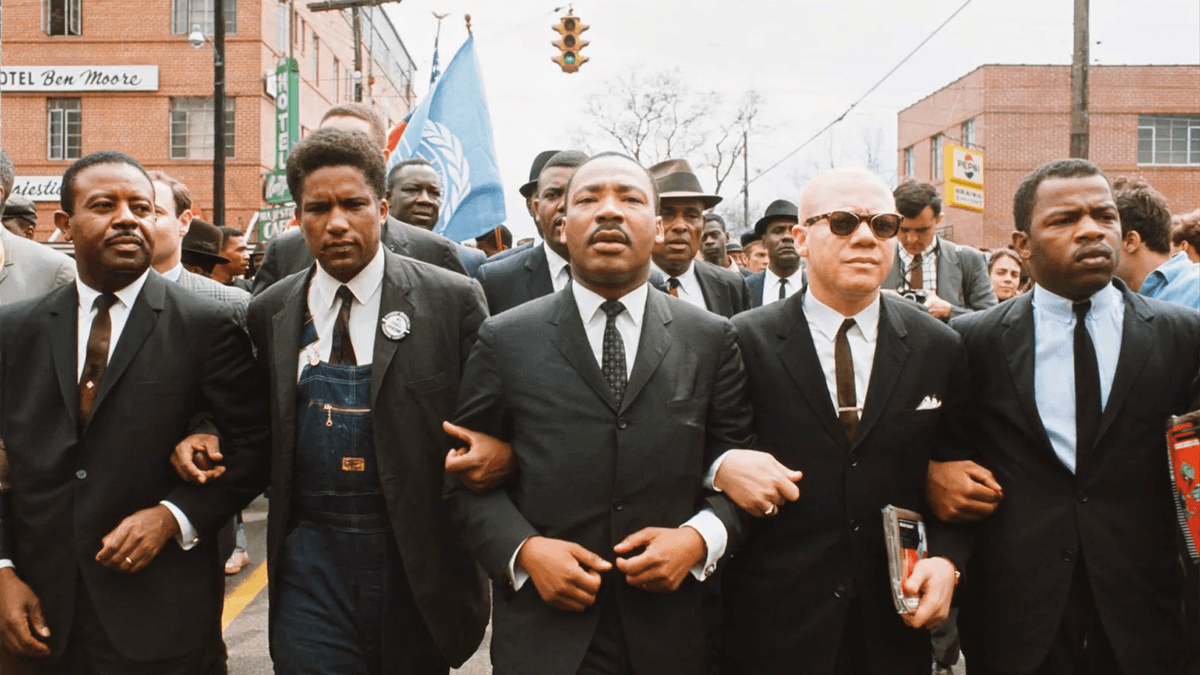
Montgomery Bus Boycott, Greensboro Sit-In, and the Rise of MLK
From Montgomery’s buses to Greensboro’s lunch counters, ordinary citizens ignited extraordinary change — and a new national leader emerged.
What Is History? Thinking Like a Historian
History is more than memorizing dates—it is the study of people, evidence, choices, and the forces that shape our world.
Further Reading
Stay curious!