

U.S. Abandons the Gold Standard to Combat the Great Depression
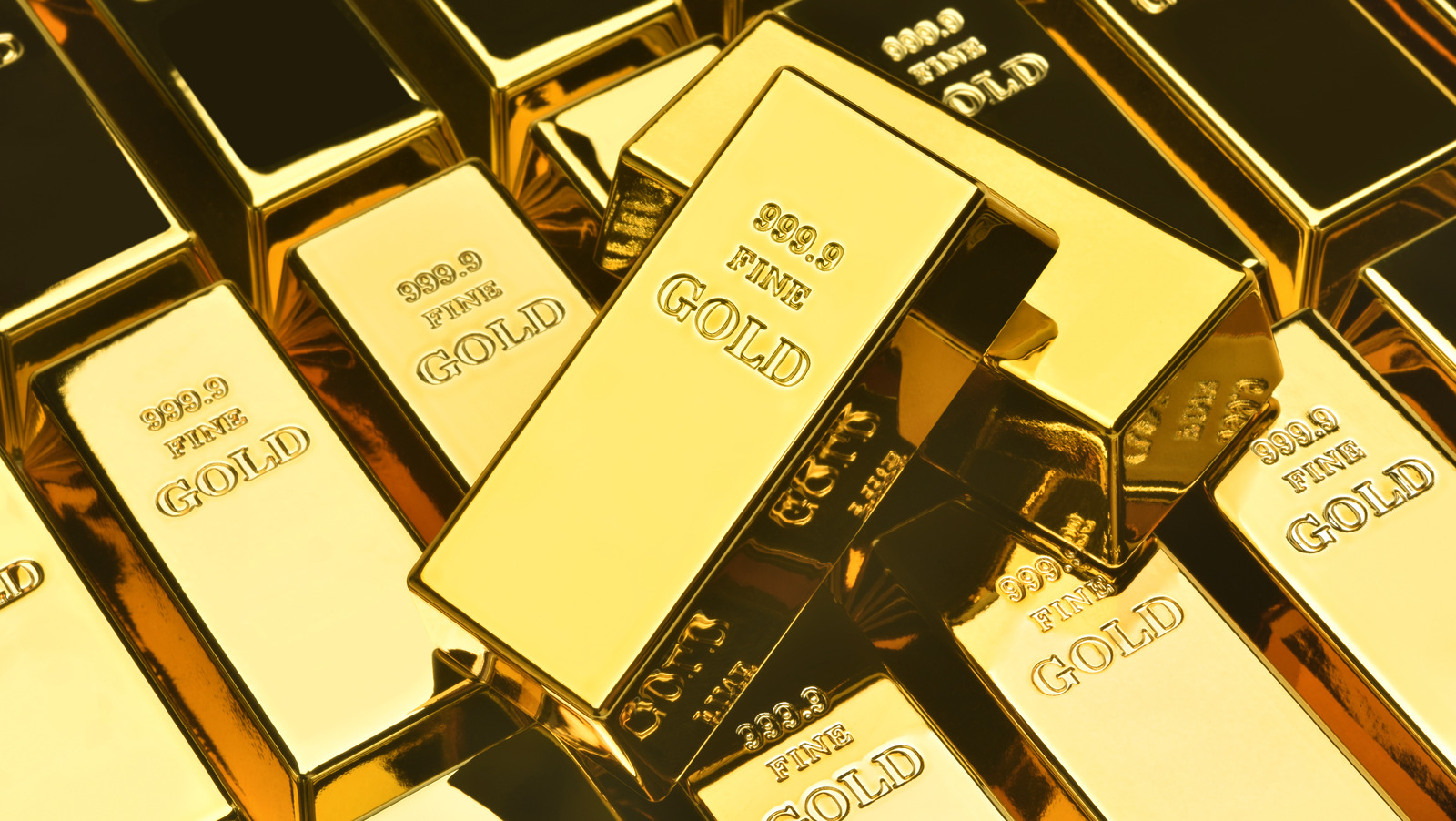
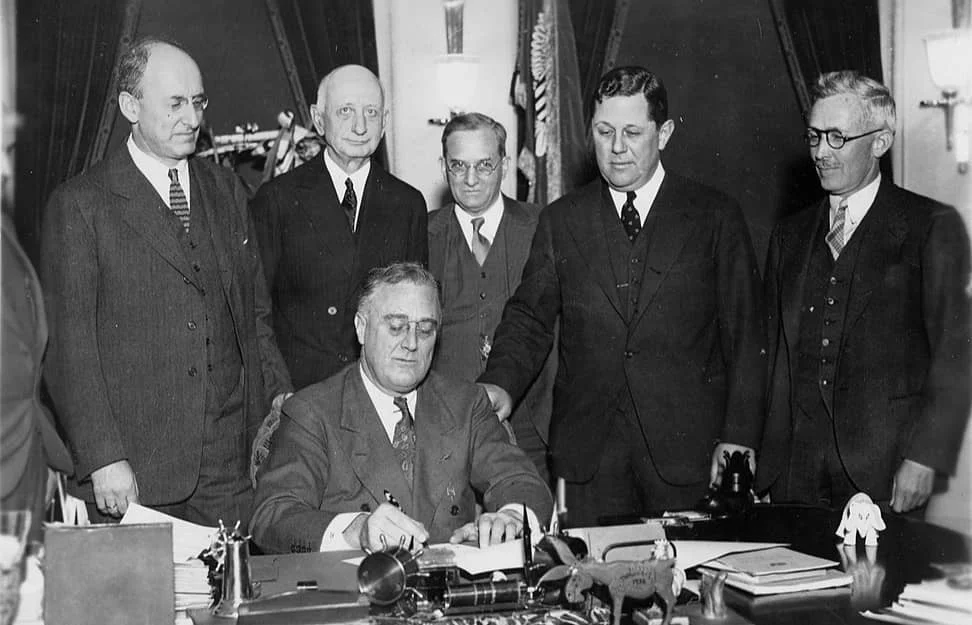
President Franklin D. Roosevelt signs documents during the early New Deal period, ending the gold standard.
What Happened?
As the Great Depression deepened in the early 1930s, Americans watched in panic as banks collapsed, savings disappeared, and deflation tightened its grip. Desperate to protect what they had left, many began hoarding gold, which only worsened the crisis.
President Franklin D. Roosevelt, just weeks into his first term, took unprecedented action. He declared a bank holiday in March 1933 to stop the bleeding. Then, on April 5, he signed Executive Order 6102, forcing individuals and institutions to turn in most forms of gold to the Federal Reserve in exchange for paper currency.
By April 20, Congress made it official—nullifying the gold clauses in both public and private contracts and removing the legal right to demand gold in repayment. This effectively ended the U.S. gold standard, which had existed in some form since 1879.
In 1934, the Gold Reserve Act raised the official price of gold from $20.67 to $35 per ounce, increasing the value of the government’s gold holdings by nearly 70%. This allowed the Federal Reserve to expand the money supply, stimulate lending, and inject new life into the economy.
While critics accused FDR of devaluing the dollar and undermining property rights, supporters saw it as a necessary lifeline. Without the shackles of gold, the U.S. could finally adapt to the economic reality—and begin the long road out of the Great Depression.
Why It Matters
Leaving the gold standard didn’t just change how the U.S. printed money—it changed how the government responded to economic crisis. By untying the dollar from gold, FDR gave the Federal Reserve tools to fight deflation, increase employment, and stabilize the economy. It marked the beginning of modern economic policy, where human needs—not precious metals—could determine the course of recovery.
?
What was the gold standard, and why did it limit the government's ability to respond to economic crises?
How did ending the gold standard affect everyday Americans during the Great Depression?
Why did President Roosevelt think it was necessary to force citizens to turn in their gold?
How did other countries respond to the global depression, and did they also abandon gold?
What are the risks and benefits of a currency not backed by gold or other commodities?
Dig Deeper
In 1906, an earthquake in San Francisco started a chain of events that by 1907 had destroyed the US economy. Unemployment was up. The stock market was down. People started panicking. They were lining up overnight to pull their money out of healthy banks. This can be deadly for an economy: Healthy banks have to shut down, businesses can't get credit, they lay people off, and the economy gets worse.
In this video, we'll explore how the U.S. Federal Reserve works. You might just be surprised as to who actually owns it.
Related
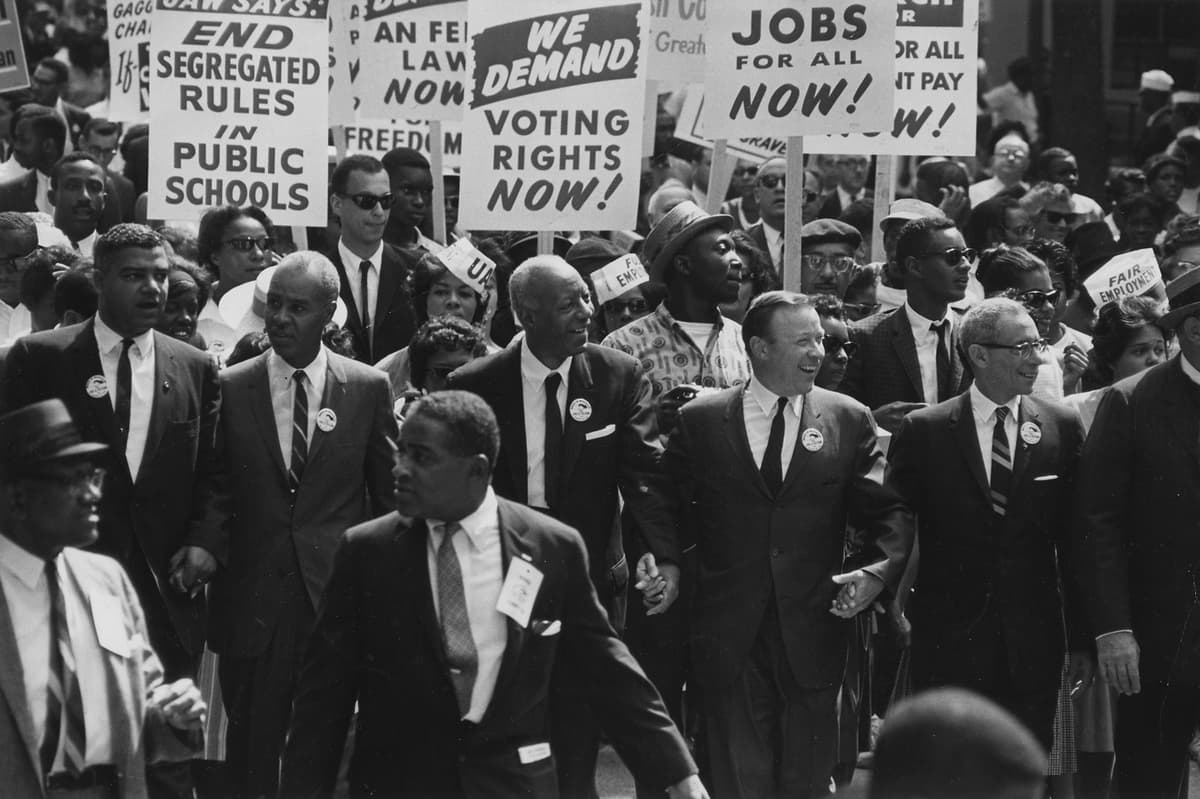
The Right to Protest & Civil Disobedience: How Activism Shapes Democracy
From labor strikes to mass demonstrations, activism has been the engine of social change. But what makes a movement successful? This deep dive explores the different roles in activism, the power of civil disobedience, and why protests are essential to democracy.
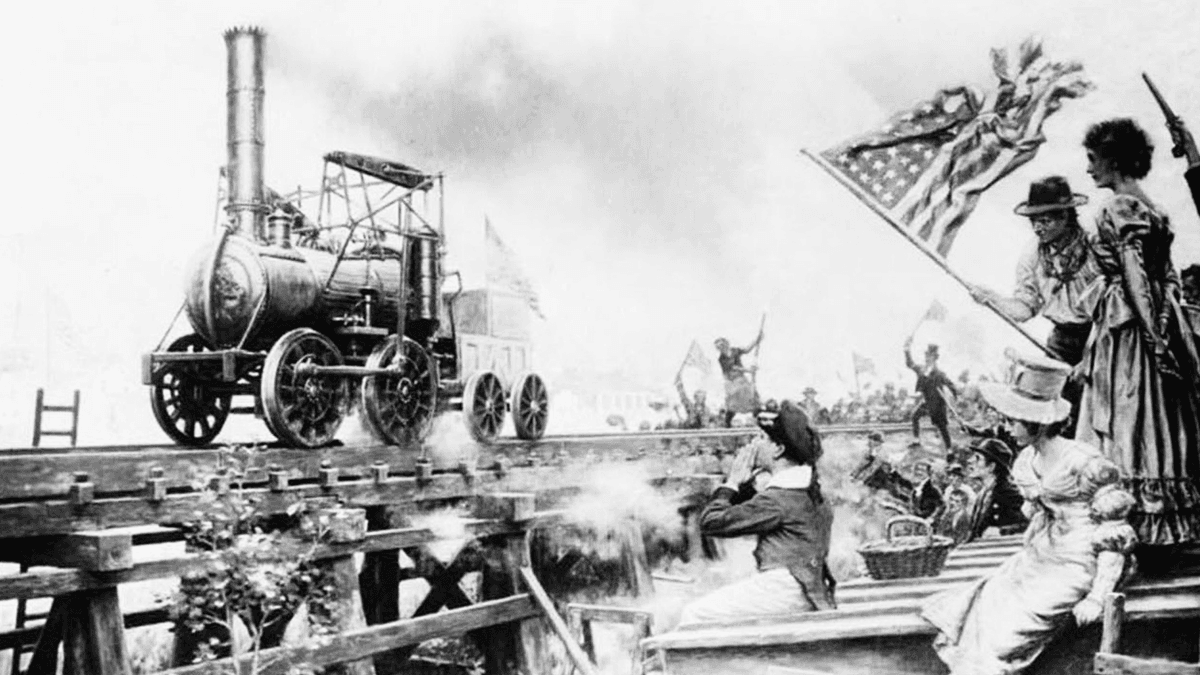
The Market Revolution: How Innovation Transformed America
In the early 1800s, America changed from a land of small farms to a booming nation of factories, railroads, and markets. The Market Revolution connected people, goods, and ideas—while also revealing deep inequalities in who benefited from progress.
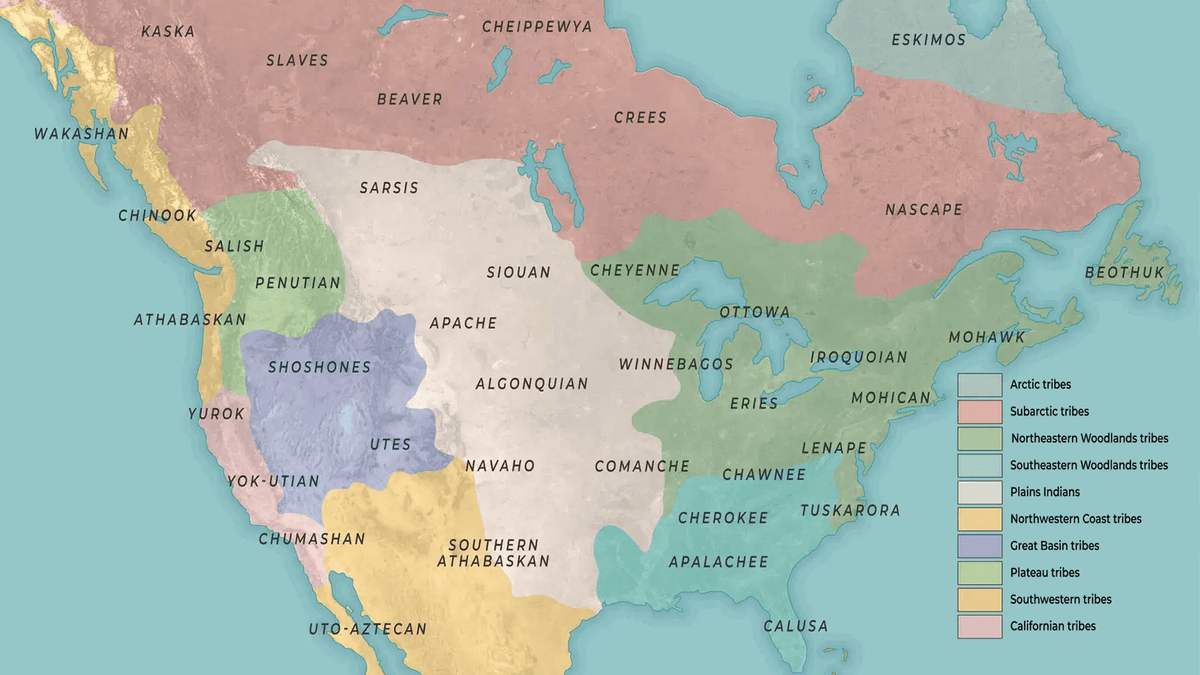
Indigenous Nations Before European Contact
Long before Columbus, Indigenous nations flourished across North America. From hunters following mammoths to farmers building vast trade networks, Native peoples shaped the land—and the land shaped them.
Further Reading
Stay curious!