

Founding of Rome: The Eternal City's Legendary Birth
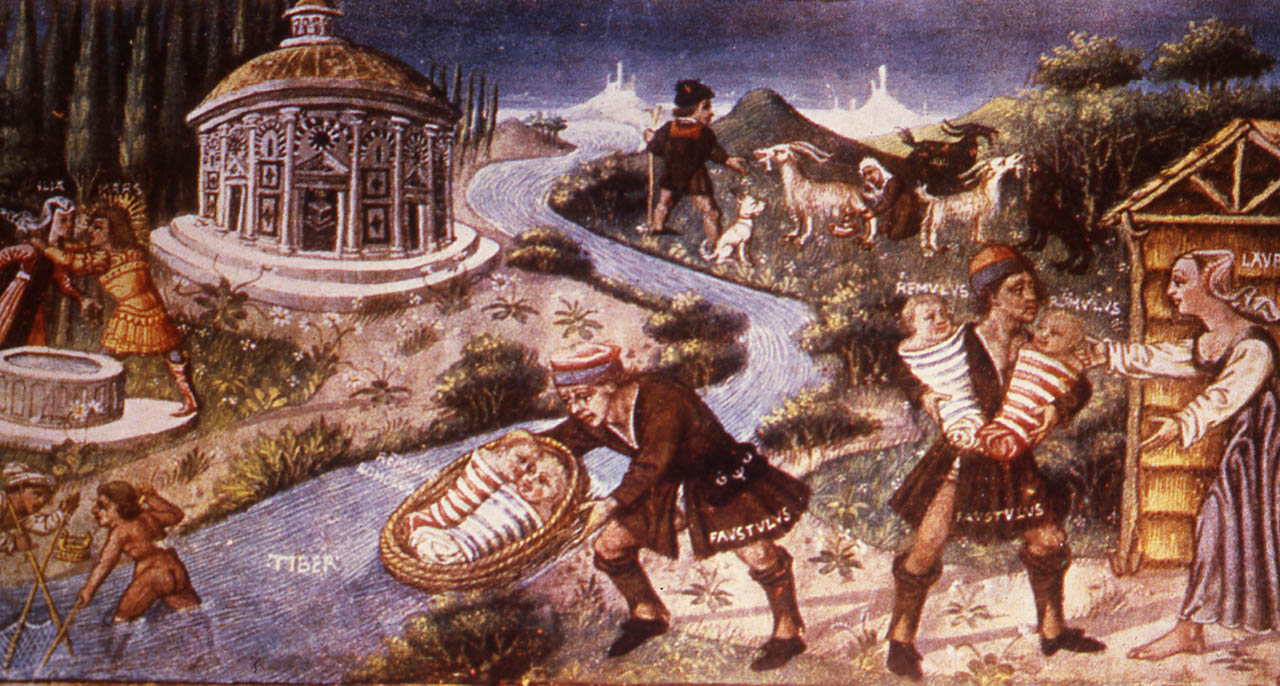
Statue of Romulus and Remus being suckled by a she-wolf, symbol of the founding of Rome.
What Happened?
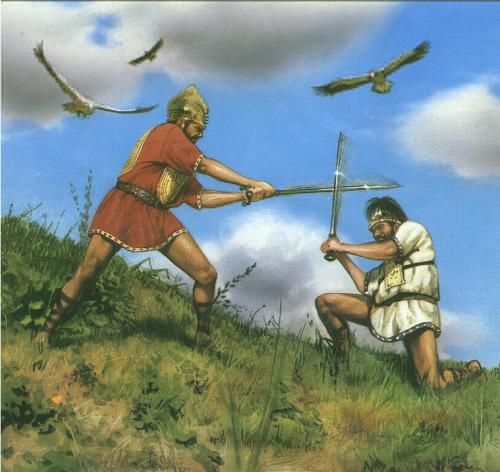
According to Roman tradition, Rome was founded on April 21, 753 BC, by Romulus after a fatal conflict with his twin brother, Remus. Both had been abandoned as infants, suckled by a she-wolf, and raised by a shepherd named Faustulus. As adults, they sought to build a city but quarreled over where—and over who would lead. Romulus killed Remus and established Rome, naming it after himself.
Romulus offered asylum to fugitives and exiles to grow his population, but the new city lacked women. So he invited the neighboring Sabines to a festival—and abducted their daughters. The ensuing war ended in unification, and Romulus ruled alongside the Sabine king Titus Tatius until Tatius' mysterious death.
The myth blends themes of divine destiny, civic virtue, and brute power. Romulus was said to have ascended into the heavens as the god Quirinus, leaving behind a legacy of kingship. His city would eventually be ruled by six more kings—three of them Etruscan—before Rome became a republic in 509 BC.
Another version of the founding story ties Rome to the Trojan hero Aeneas, who fled Troy, settled in Italy, and began a dynasty that led to Romulus and Remus. This myth was popularized by Virgil's 'Aeneid' under Augustus, giving Rome a noble lineage tied to divine fate and heroic exile.
Today, Rome's birthday is celebrated with costumed parades, battle reenactments, light shows, and archaeological exhibitions across the historic center. At sites like the Roman Forum and Circus Maximus, locals and tourists gather to celebrate the Eternal City’s ancient heartbeat with music, fire, and the mythic pulse of empire.
Why It Matters
Rome’s founding myth reminds us that stories shape civilizations. Whether seen as metaphor or memory, the tale of Romulus and Remus embodies themes of struggle, survival, betrayal, and rebirth. Rome's endurance through monarchy, republic, and empire reveals how myth becomes the mortar of identity. In celebrating April 21, we honor the power of origin stories—and the cities they inspire.
?
Why do you think Rome's origin story emphasizes fratricide and divine lineage?
How do myths like that of Romulus and Remus shape national identity even today?
What elements of the Rome founding myth appear in other ancient or modern nation-building stories?
Why do you think ancient Romans traced their roots back to Troy? What might that have symbolized?
What do modern birthday celebrations for ancient cities tell us about cultural memory and heritage?
Dig Deeper
This video on Roman mythology explains the Romulus and Remus story and how Rome was founded according to this myth. The aim of the video is to provide an education on Roman mythology while keeping the viewer engaged in the story.
Related
Federalists vs. Anti-Federalists: The Battle That Built the Constitution
One side feared chaos. The other feared tyranny. Together, they gave us the Constitution—and the Bill of Rights.

What Is Civics?
Civics is the study of how citizens participate in democracy—and why their participation matters.
The Cape Fear & Waccamaw Siouan: Indigenous History of Southeast North Carolina
Long before the first European ships arrived at the Carolina coast, the Cape Fear River and Lake Waccamaw were home to thriving Indigenous communities.
Further Reading
Stay curious!