

First Public School in America Founded in Boston
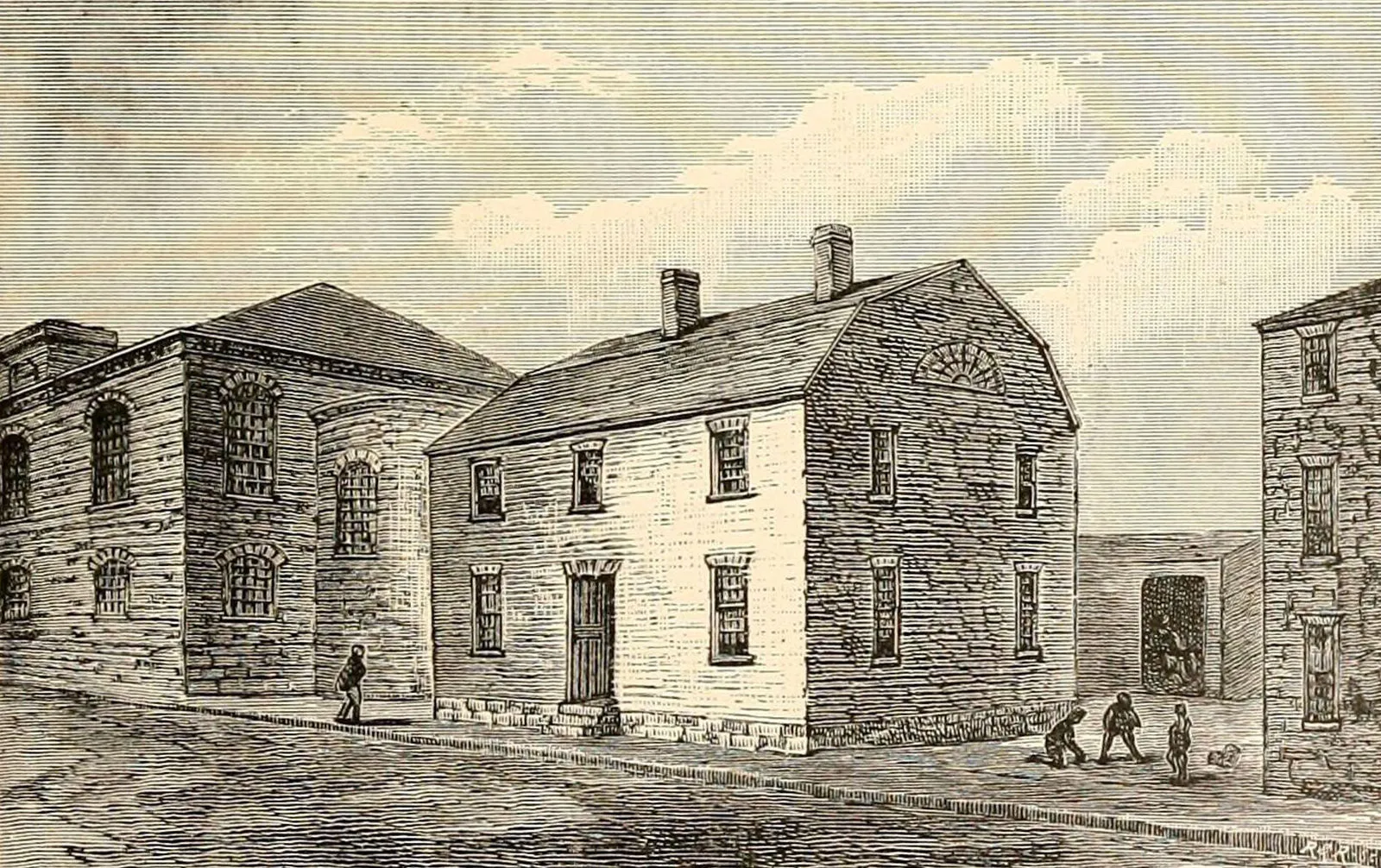
An illustration of Boston Latin School in colonial America, the first public school in the United States.
What Happened?
The founding of Boston Latin School marked the first publicly funded educational institution in colonial America. It was an audacious act—backed by Puritan values, revolutionary in intent, and open to boys from all backgrounds. At a time when education was typically reserved for the wealthy or clergy, Boston dared to declare that the pursuit of knowledge was not a luxury, but a civic necessity.
Led by schoolmaster Philemon Pormont, the school was modeled after Boston, England’s Free Grammar School, emphasizing Latin, Greek, and the humanities. The mission was clear: prepare students for college, particularly Harvard, which wouldn’t even be founded until 1636. Notable early students included John Hancock and Samuel Adams. Benjamin Franklin attended but never graduated—a dropout who proved that education, even unfinished, could spark revolutions.
Boston Latin School survived war, fire, and plague. Over time, it adapted and evolved: expanding curriculum, moving buildings, opening doors to students of all races, classes, and eventually to girls in 1972. It introduced accelerated courses, AP credits, electives, and helped invent the model of college preparatory education in the U.S. By 2025, it remains one of the most prestigious public exam schools in the country.
The school’s legacy isn’t just academic. Its hallways echo with the footsteps of revolutionaries, poets, generals, and trailblazers. Five signers of the Declaration of Independence walked its halls. Alumni have served in every major U.S. conflict. It has endured, not because it stayed the same, but because it had the courage to change with the needs of the people it served.
And while Boston Latin is just one school, its founding lit the fuse of a greater movement: the idea that a just and democratic society educates its youth not for obedience, but for thinking, questioning, and leading.
Why It Matters
The founding of Boston Latin School was more than an educational milestone—it was a declaration. A declaration that knowledge should not be gated by wealth or lineage. That democracy thrives when education is accessible. That public investment in young minds is a radical act of hope. As debates rage today about who gets access to what kind of education, we remember April 23, 1635 as the day public education in America first found its voice.
?
Why was it radical in 1635 to propose a public school for all boys regardless of class?
How did Boston Latin influence the design of other public and preparatory schools across America?
What does it mean that early students like Benjamin Franklin dropped out yet still became iconic leaders?
How have Boston Latin School's admissions policies changed over time, and what do they say about equity in education?
What role did public schools like Boston Latin play in shaping early American democracy?
Dig Deeper
There are more than 100,000 public and private schools in the country. But, the very first one was founded 370 years ago. As Michelle Miller reports, archeologists in Boston are trying to find it.
Related

World War II & the Home Front (1941–1945)
A global war that reshaped American society—expanding opportunity, exposing injustice, and redefining the meaning of freedom at home.
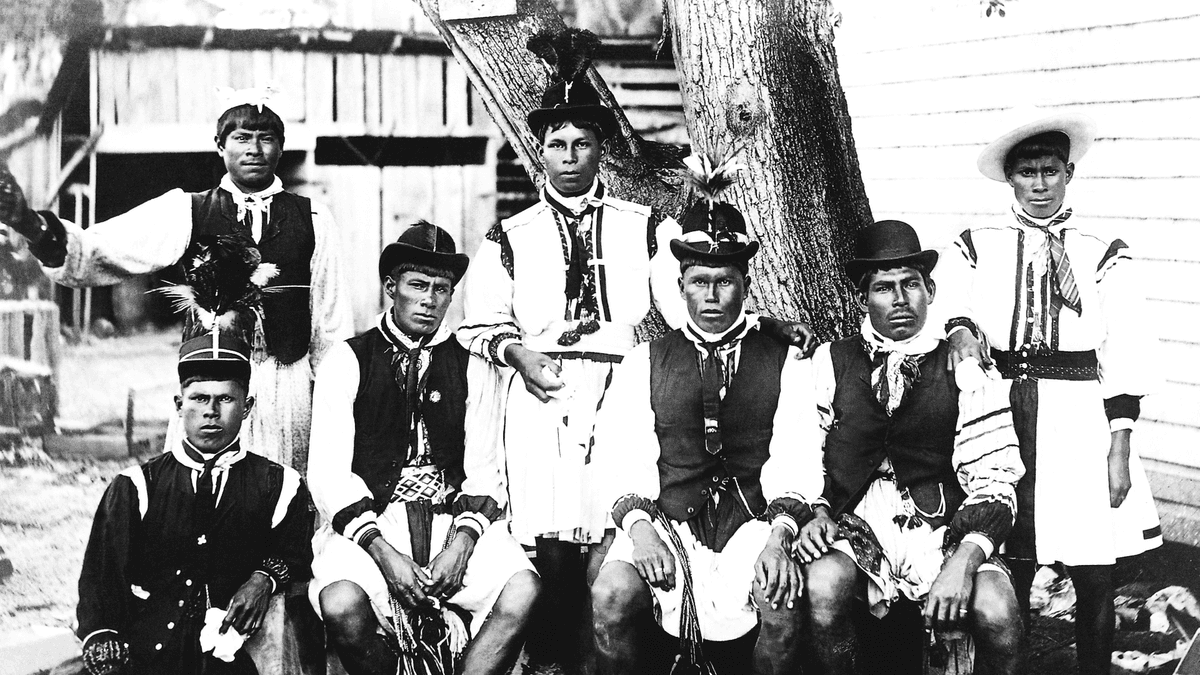
The Cape Fear & Waccamaw Siouan: Indigenous History of Southeast North Carolina
Long before the first European ships arrived at the Carolina coast, the Cape Fear River and Lake Waccamaw were home to thriving Indigenous communities.
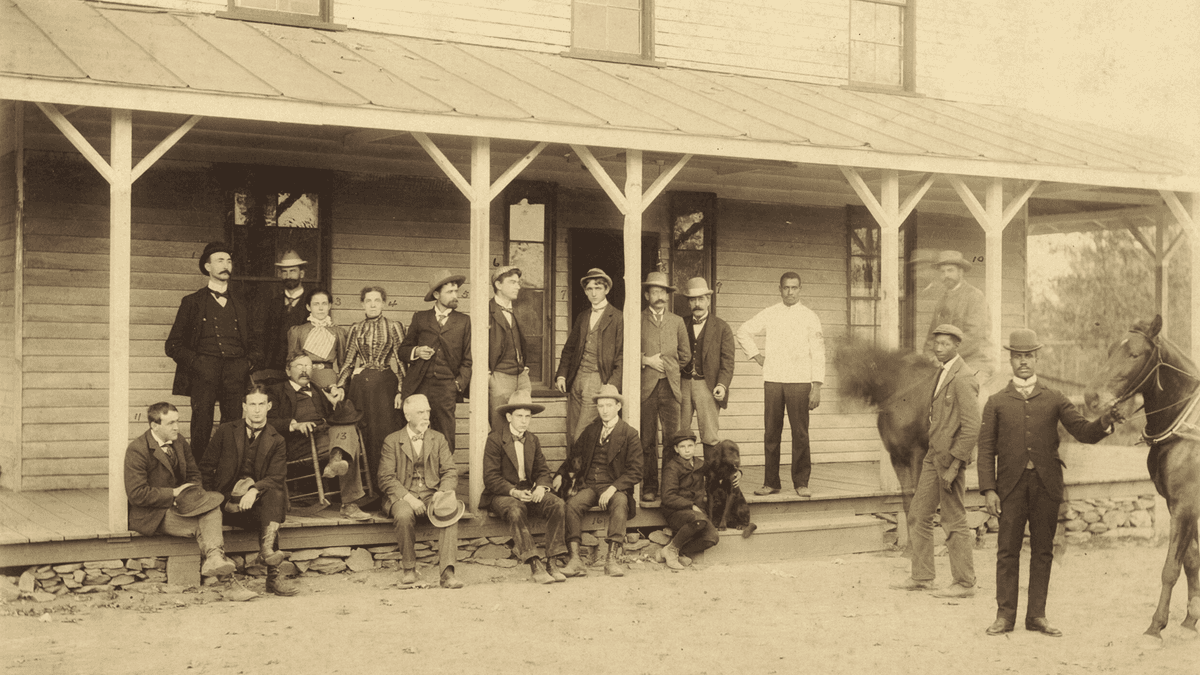
Reed Gold Mine: The First American Gold Rush
The first gold rush in U.S. history began not in California, but in North Carolina—thanks to a doorstop, a 12-year-old boy, and a lucky find in a creek.
Further Reading
Stay curious!