

Cinco de What? The Battle of Puebla, Mexican Grit, and a French Retreat
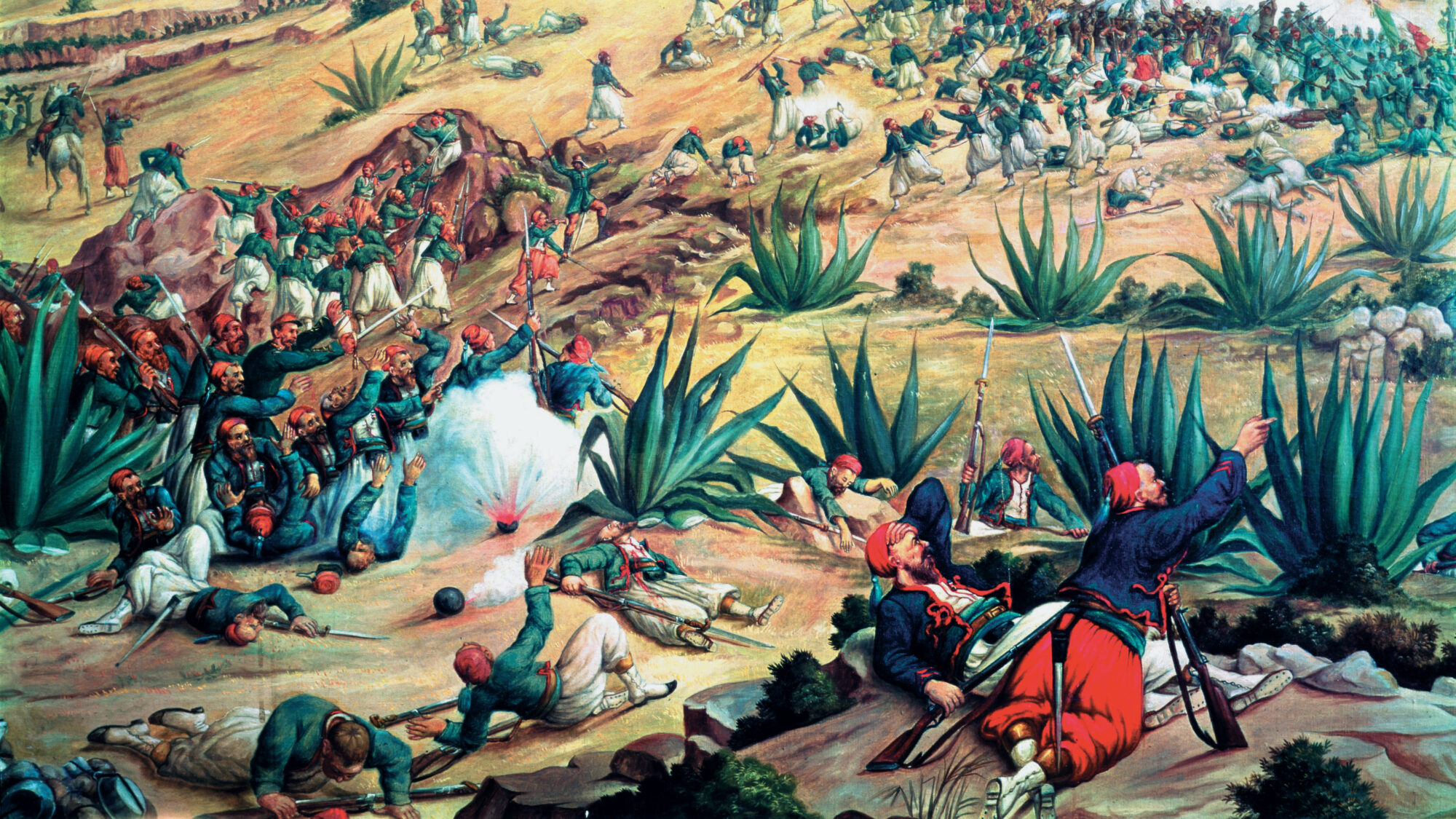
Led by General Ignacio Zaragoza, Mexico’s victory at the Battle of Puebla wasn’t just about national pride—it bought time, reshaped geopolitics, and maybe even helped the Union win the American Civil War.
What Happened?
In 1861, Mexico was broke. President Benito Juárez had inherited a country teetering on collapse and put a temporary pause on debt payments to European powers. Spain and Britain negotiated. France did not. Napoleon III smelled opportunity—and empire.
France launched an invasion, hoping to colonize Mexico and use it as a beachhead to support the Confederacy in the U.S. Civil War. That plan hinged on a swift victory. It did not go as planned.
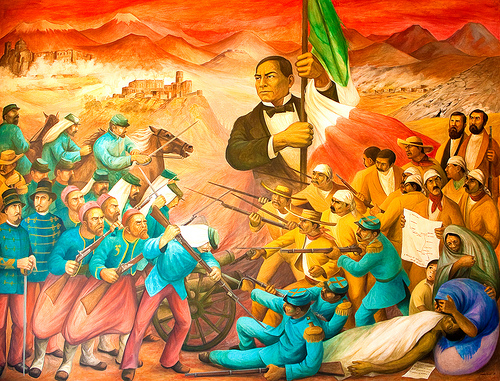
On May 5, 1862, French troops under General Charles de Lorencez charged toward Puebla, confident they’d crush the underprepared defenders. But Mexican General Ignacio Zaragoza and roughly 2,000–5,000 soldiers—some volunteers, many poorly equipped—dug in and fought back with courage, strategy, and grit.
By sundown, the impossible had happened: the French retreated. A full-on European empire had just been held off by farmers, locals, and soldiers defending their land.
Though France would return a year later and eventually occupy Mexico City, the delay caused by the Battle of Puebla was decisive. It gave Abraham Lincoln and Union forces the breathing room they needed to win key battles like Vicksburg and Gettysburg before Napoleon could send serious support to the Confederacy.
Meanwhile in California, Mexican Americans—many of whom had long opposed slavery—saw the victory at Puebla as their own. They launched Cinco de Mayo parades and patriotic assemblies (Juntas Patrióticas), waving both the Mexican and U.S. flags and raising funds to fight against slavery and imperialism.
Why It Matters
The Battle of Puebla wasn’t just a military upset—it was a cultural earthquake. It showed the world that empire could be resisted, that national sovereignty mattered, and that marginalized people could disrupt global politics. Cinco de Mayo is about bravery, resistance, and a history that refuses to be colonized.
?
Why do many people mistakenly believe Cinco de Mayo is Mexican Independence Day?
How did the Battle of Puebla affect France’s timeline—and potentially the outcome—of the American Civil War?
What role did Latinos in California play in shaping early Cinco de Mayo celebrations?
What does the French invasion of Mexico tell us about European imperialism in the Americas after 1800?
Why is it important to reclaim the original meaning behind holidays like Cinco de Mayo?
Dig Deeper
A short, powerful explanation of what really happened at the Battle of Puebla—and why Cinco de Mayo is much more than tacos and tequila.
Related

The First Amendment: America’s Blueprint for Freedom
The First Amendment protects freedoms of speech, religion, press, assembly, and petition. It’s the foundation of American democracy—but also a source of constant debate and interpretation.
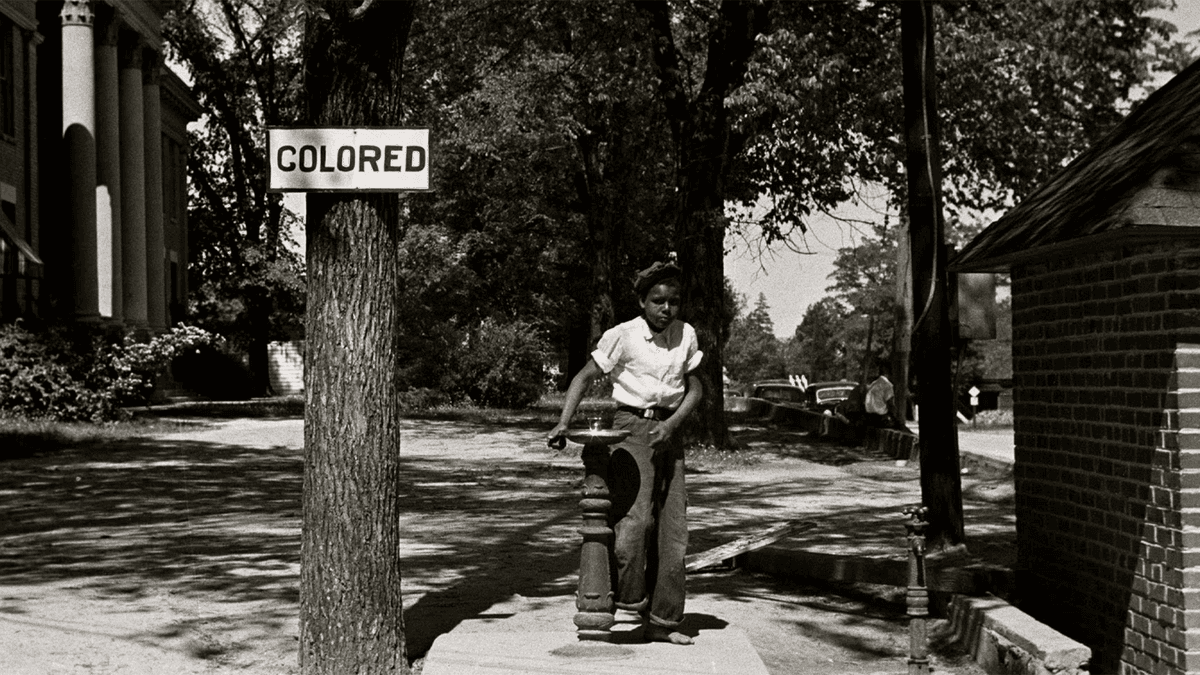
Jim Crow and Plessy v. Ferguson
After Reconstruction, the South built a legal system to enforce racial segregation and strip African Americans of political power. The Supreme Court’s Plessy v. Ferguson decision in 1896 made 'separate but equal' the law of the land—cementing injustice for decades.
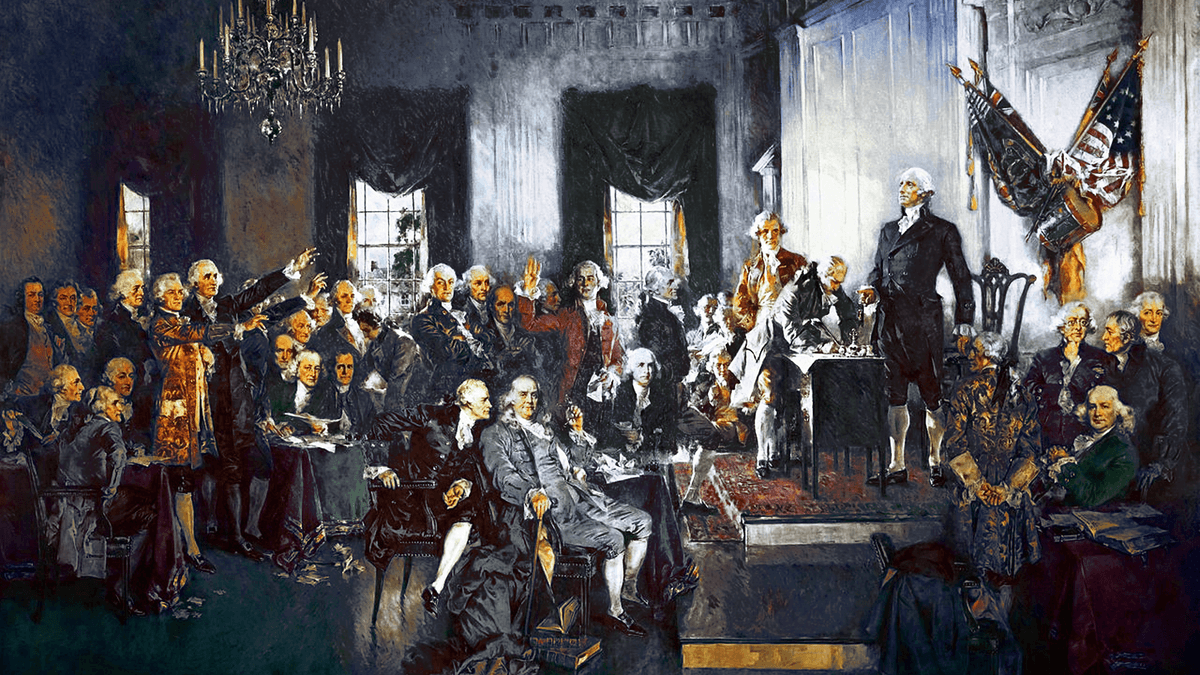
Federalists vs. Anti-Federalists: The Battle That Built the Constitution
One side feared chaos. The other feared tyranny. Together, they gave us the Constitution—and the Bill of Rights.
Further Reading
Stay curious!