

Louisa May Alcott Published Her First Story
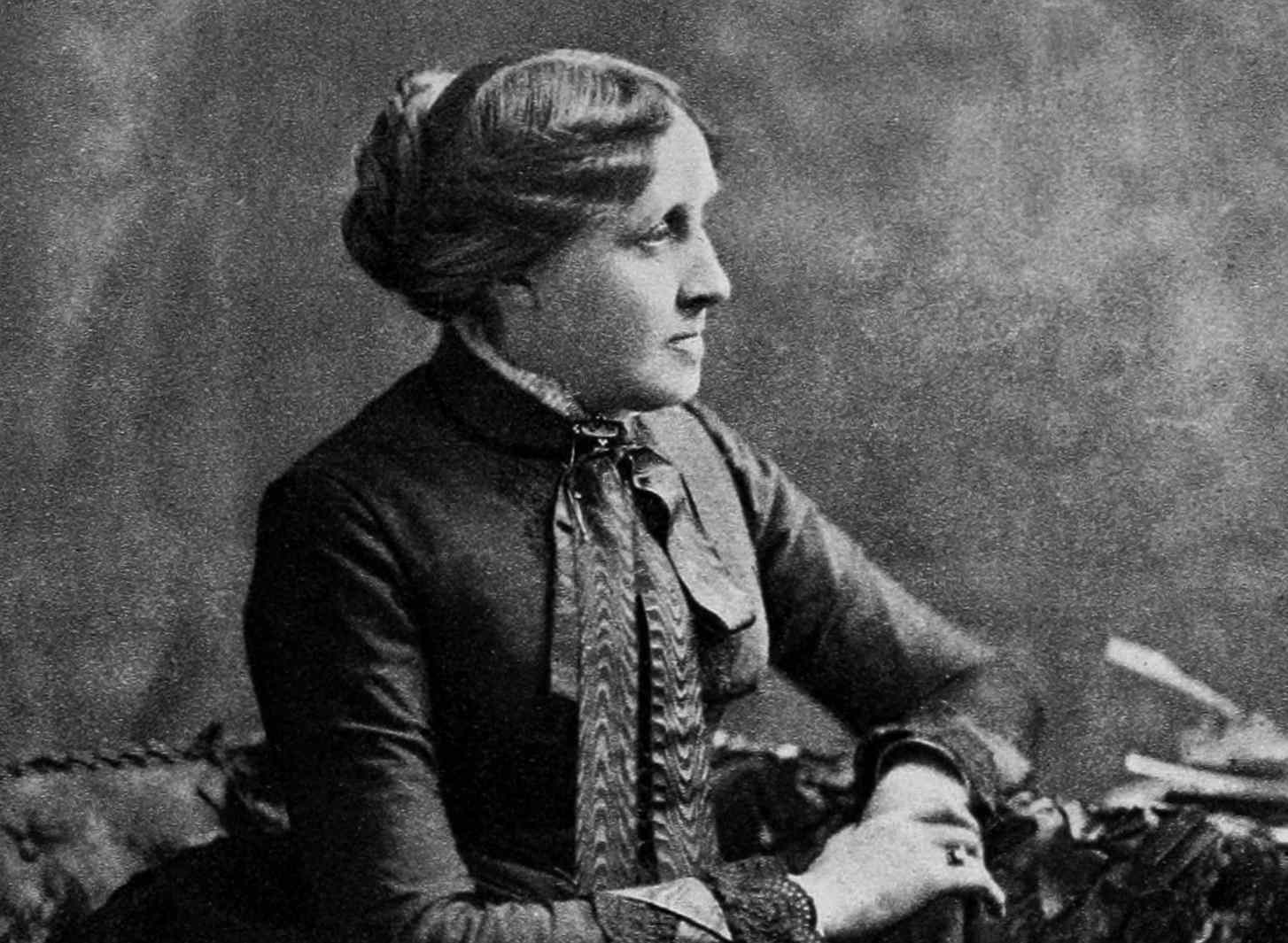
An early 19th-century portrait of a young Louisa May Alcott, with determined eyes and a poised expression.
What Happened?
On May 8, 1852, a sentimental tale titled The Rival Painters: A Story of Rome appeared in The Boston Olive Branch. The author’s name? Absent. The payment? Five dollars. The future? Monumental.
That anonymous story marked the public debut of Louisa May Alcott—a fiery, complicated, fiercely intelligent woman whose name would one day be inked into American literary history. But in 1852, she was just one of four daughters in a financially unstable household led by a philosopher father whose big ideas rarely paid the bills.
Her real education came from Concord’s brightest minds—Emerson, Thoreau, and her own radical father Bronson—and from long nights spent writing by candlelight to keep the family afloat. She wrote anything that sold: poems, ghost stories, melodramas, even Gothic bloodbaths under the pseudonym A.M. Barnard. 'Blood and thunder tales,' she called them—lurid, lurky, and lucrative.
Alcott didn’t want to write Little Women. When her publisher asked for a 'book for girls,' she groaned in her journal, ‘Never liked girls or knew many, except my sisters.’ But she wrote it anyway—in less than three months. The result? A classic so beloved that Jo March became a blueprint for every literary girl who ever dreamed of independence.
But it all began here: a modest story about rival artists in Rome—part ambition, part romance, and entirely Alcott. Long before she was shaping American girlhood, Louisa was shaping herself—experimenting with voice, genre, and literary rebellion. That $5 check? It wasn’t just a payment. It was a promise.
Today, Alcott is celebrated not only as the author of Little Women, but as an abolitionist, feminist, Civil War nurse, and the first woman registered to vote in Concord. She never married. She wrote fiercely. She marched forward. And it all began on May 8, with a pen, a story, and the quiet revolution of a woman who refused to stay in the margins.
Why It Matters
Alcott’s first published story was the spark that lit the fire. She wrote to survive, to dream, to dissent—and in doing so, she built a bridge from the parlor to the picket line, from fiction to freedom. Her career launched quietly, but her impact roars through every bookshelf and every girl who dares to write her own ending.
?
Why did Louisa May Alcott publish under pseudonyms like A.M. Barnard?
How did Alcott’s upbringing among Transcendentalist thinkers shape her worldview and work?
In what ways does Little Women mirror Alcott’s real life and family?
What kinds of early stories did Alcott write before Little Women made her a household name?
How did Alcott’s Civil War nursing experience influence her writing and activism?
Dig Deeper
A deep dive into the life, legacy, and rebellious spirit of Louisa May Alcott—author, abolitionist, and literary firestarter.
Related
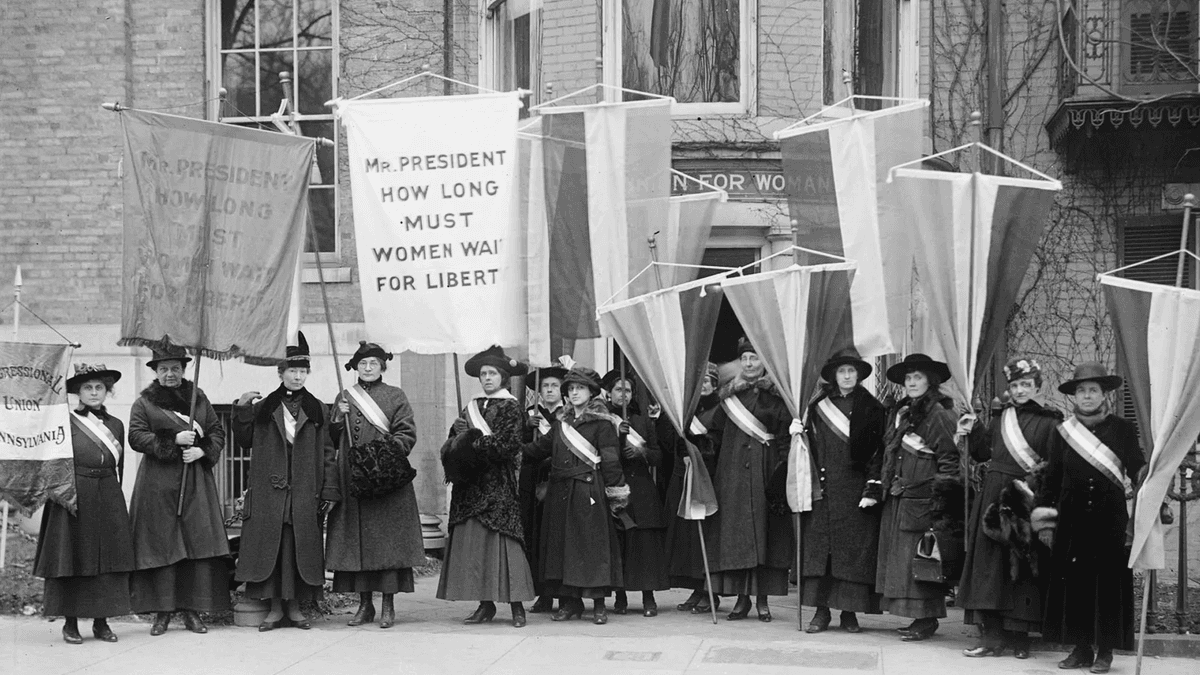
The Progressive Era: Reform, Regulation, and the Limits of Change
From breaking up monopolies to marching for women’s votes, the Progressive Era sought to fix America’s problems — but often left some voices out of the conversation.

Democracy: Government by the People
Democracy is more than voting every few years. It is a way of sharing power, protecting rights, and making sure ordinary people have a real voice in how they are governed.
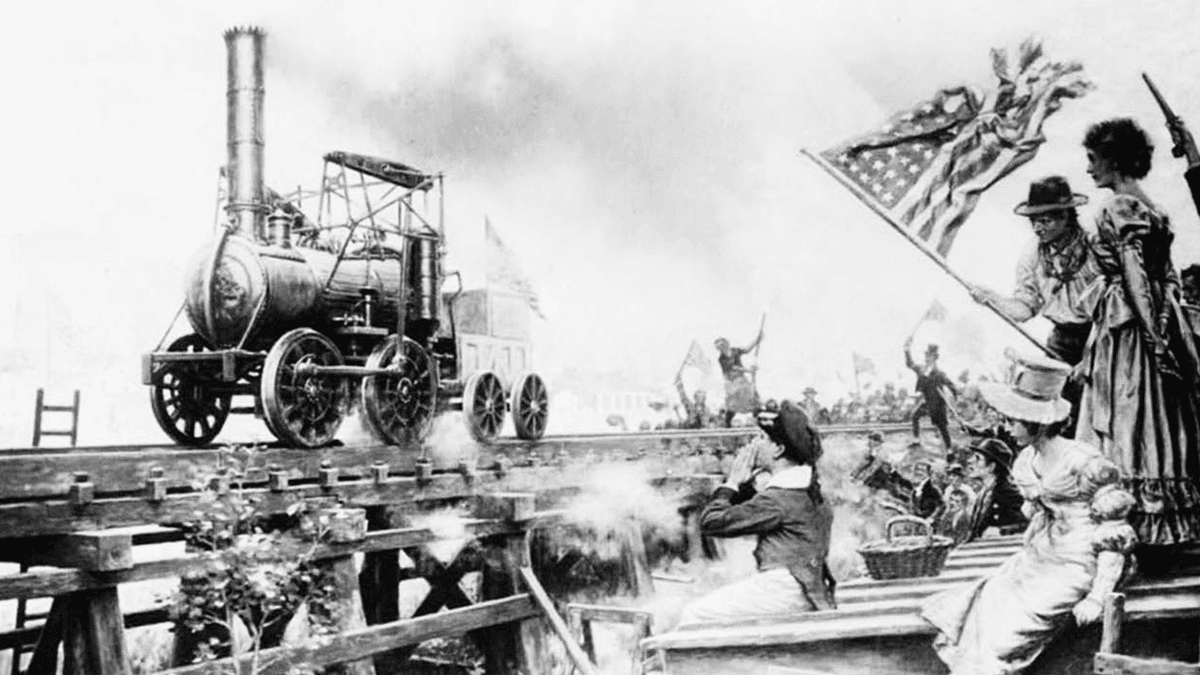
The Market Revolution: How Innovation Transformed America
In the early 1800s, America changed from a land of small farms to a booming nation of factories, railroads, and markets. The Market Revolution connected people, goods, and ideas—while also revealing deep inequalities in who benefited from progress.
Further Reading
Stay curious!