

One Nation, Under Rail: The Day America Connected Coast to Coast
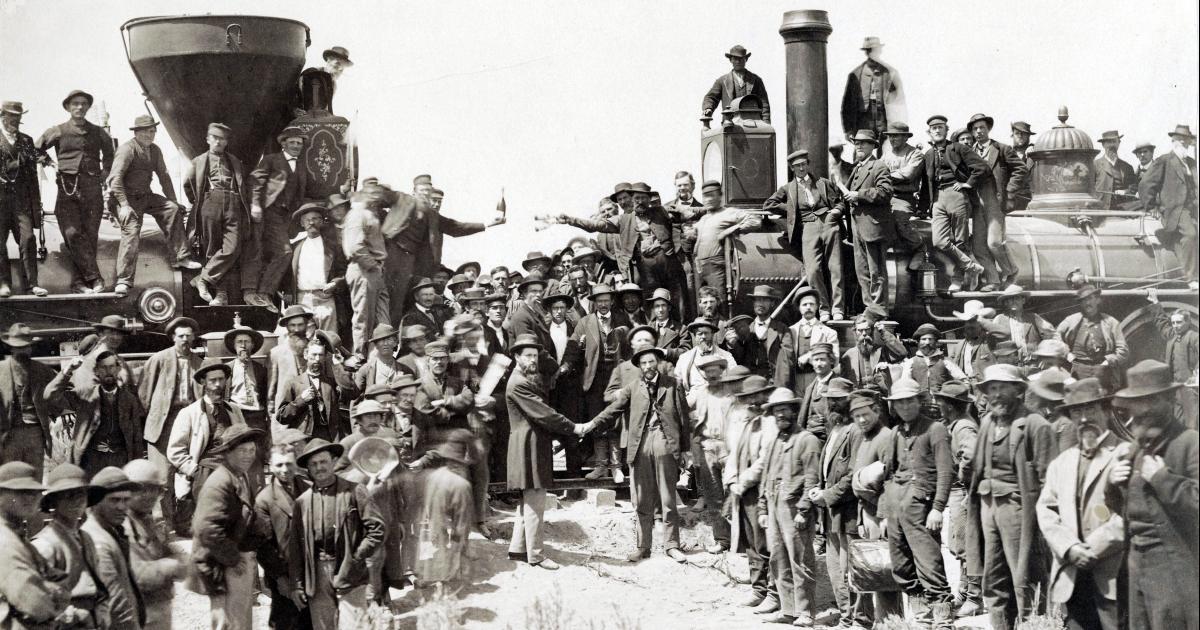
The famous photograph of the Union Pacific and Central Pacific rail lines meeting in Promontory, Utah, 1869.
What Happened?
The Transcontinental Railroad wasn’t inevitable. It was imagined—by visionaries, speculators, and empire-builders. It took wars, lobbyists, backroom deals, immigrant labor, and the kind of grinding physical work that left bodies in the Sierra snow. In 1862, Congress passed the Pacific Railroad Act and handed out loans, land, and manifest destiny in the form of steel track.
Construction began at both ends: the Union Pacific driving west from Omaha with Irish veterans and freedmen, the Central Pacific pushing east from Sacramento with thousands of underpaid and overworked Chinese laborers. The workers hacked, blasted, and froze their way through mountain and desert, racing for government incentives while risking their lives daily.
On May 10, 1869, the two lines met at Promontory Summit, Utah. A golden spike was driven. Telegraph wires clicked the moment around the world. Cannons fired in San Francisco and New York. America had rewired itself—in just seven days you could now cross a continent.
The results were immediate. Freight began moving the next day. Tea from Japan. Goods from the East. Crops, tools, people. Commerce boomed. Cities sprouted. Books written in California reached Brooklyn by week’s end. The country no longer ended at the Mississippi. It sprawled, it sped, and it spoke in a new national dialect shaped by steel and steam.
But progress came with a brutal price. Native American nations saw their lands divided, buffalo hunted to near extinction, and treaties shattered. The railroad helped birth American capitalism’s ugliest dynamics: land speculation, labor abuse, and the race to privatize public wealth. Chinese workers who built the West were soon written out of it—exclusion, violence, and discriminatory laws followed in their wake.
Still, the railroad marked a definitive pivot point. The U.S. became a transcontinental industrial power. It redefined time itself—literally, by spurring the creation of time zones in 1883. It inspired mail-order empires like Montgomery Ward, which in turn redefined retail. It collapsed distance, but expanded ambition. And it taught America what it would become: a nation where velocity is power, and infrastructure is ideology.
Why It Matters
The Transcontinental Railroad was more than a feat of engineering—it was a declaration of identity. It changed commerce, culture, time, and land. It gave rise to national industry and deepened racial conflict. It built towns, connected minds, and destroyed ecosystems. It was the first modern American megaproject: dazzling, ruthless, and wildly transformative.
?
How did Chinese laborers contribute to the construction of the Central Pacific Railroad, and how were they treated afterward?
What environmental and ecological consequences followed the railroad’s construction?
How did the Transcontinental Railroad influence America’s concept of time and space?
In what ways did the completion of the railroad affect Native American communities?
How did the railroad set the stage for America’s rise as a global economic power?
Dig Deeper
The Transcontinental Railroad connected coasts and provided a much safer, faster, and more efficient way of traveling.
Related
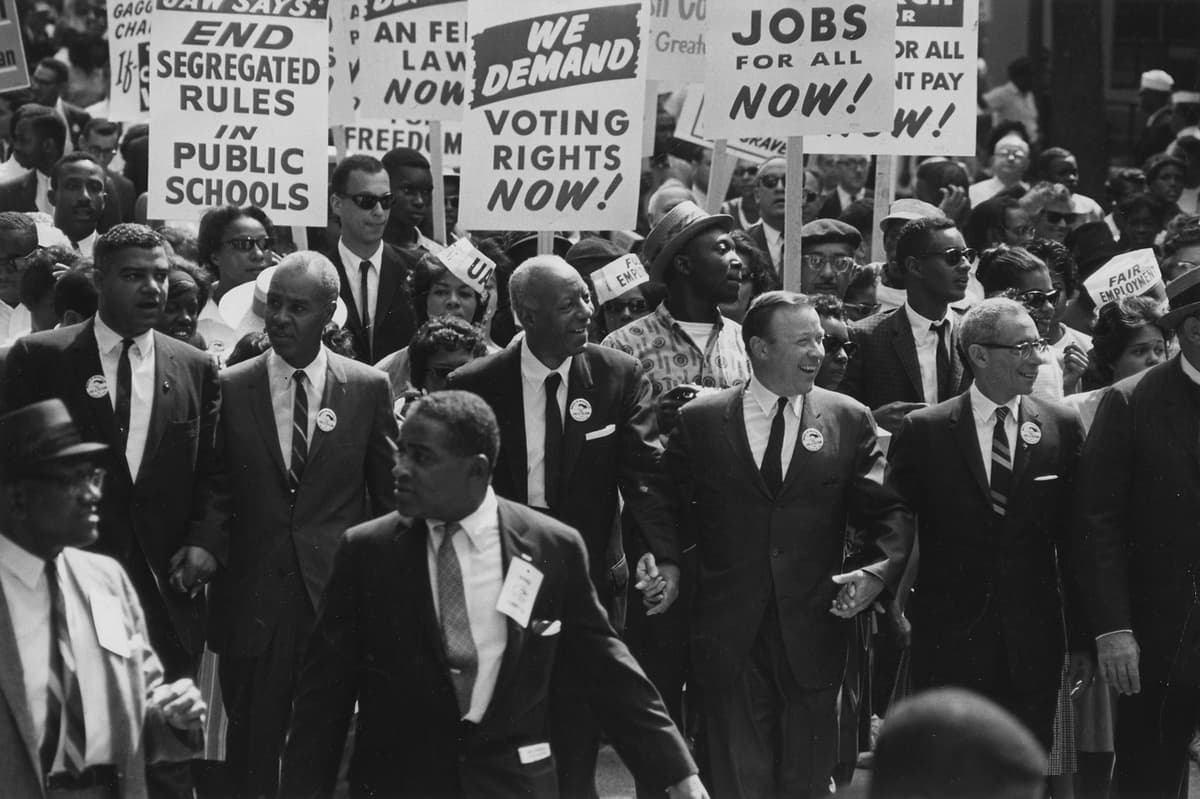
The Right to Protest & Civil Disobedience: How Activism Shapes Democracy
From labor strikes to mass demonstrations, activism has been the engine of social change. But what makes a movement successful? This deep dive explores the different roles in activism, the power of civil disobedience, and why protests are essential to democracy.
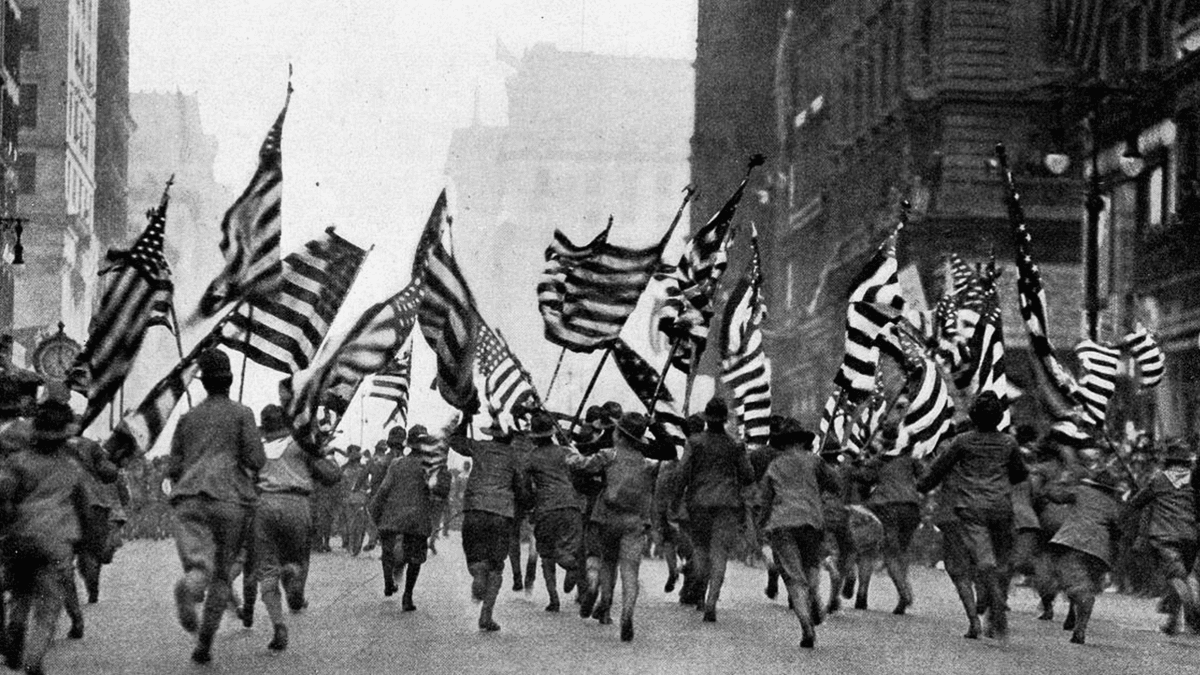
Why the United States Entered World War I
In 1917, after years of neutrality, the United States entered World War I—reshaping global politics and transforming life at home.
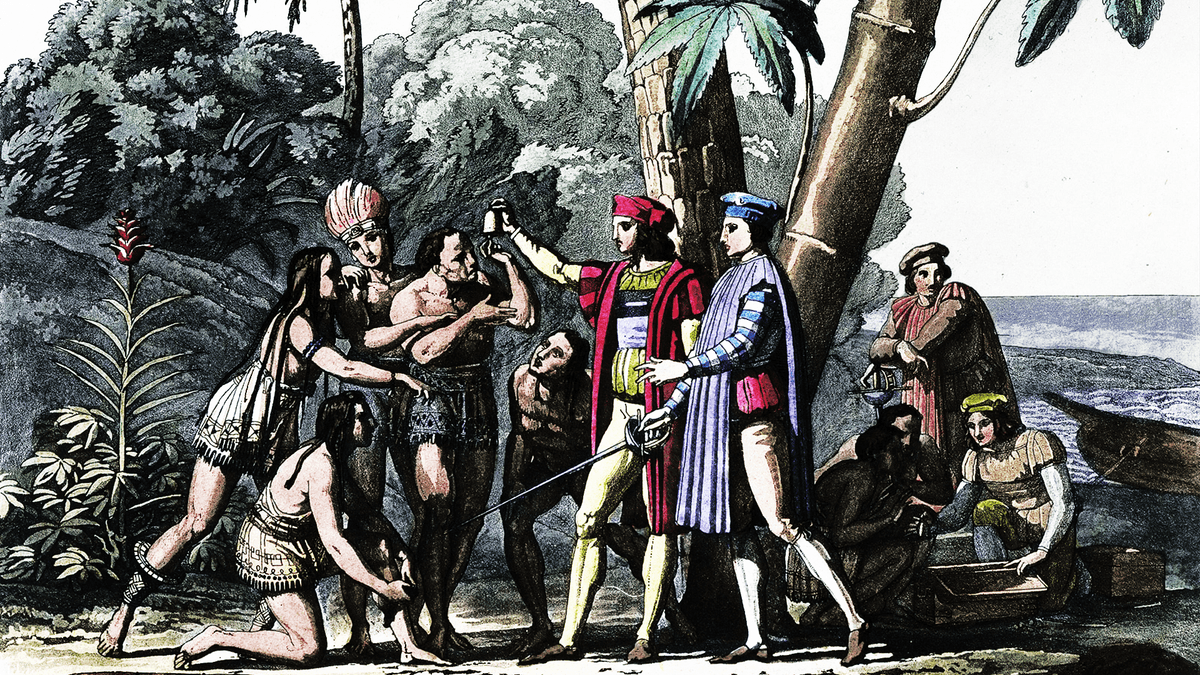
The Columbian Exchange: When Worlds Collided
When two previously isolated worlds collided in 1492, the resulting biological, cultural, and economic transformation reshaped every corner of the globe. The Columbian Exchange was not just a swap—it was a world-changing, world-breaking chain reaction.
Further Reading
Stay curious!