

Lines in the Sand: Congress Declares War on Mexico
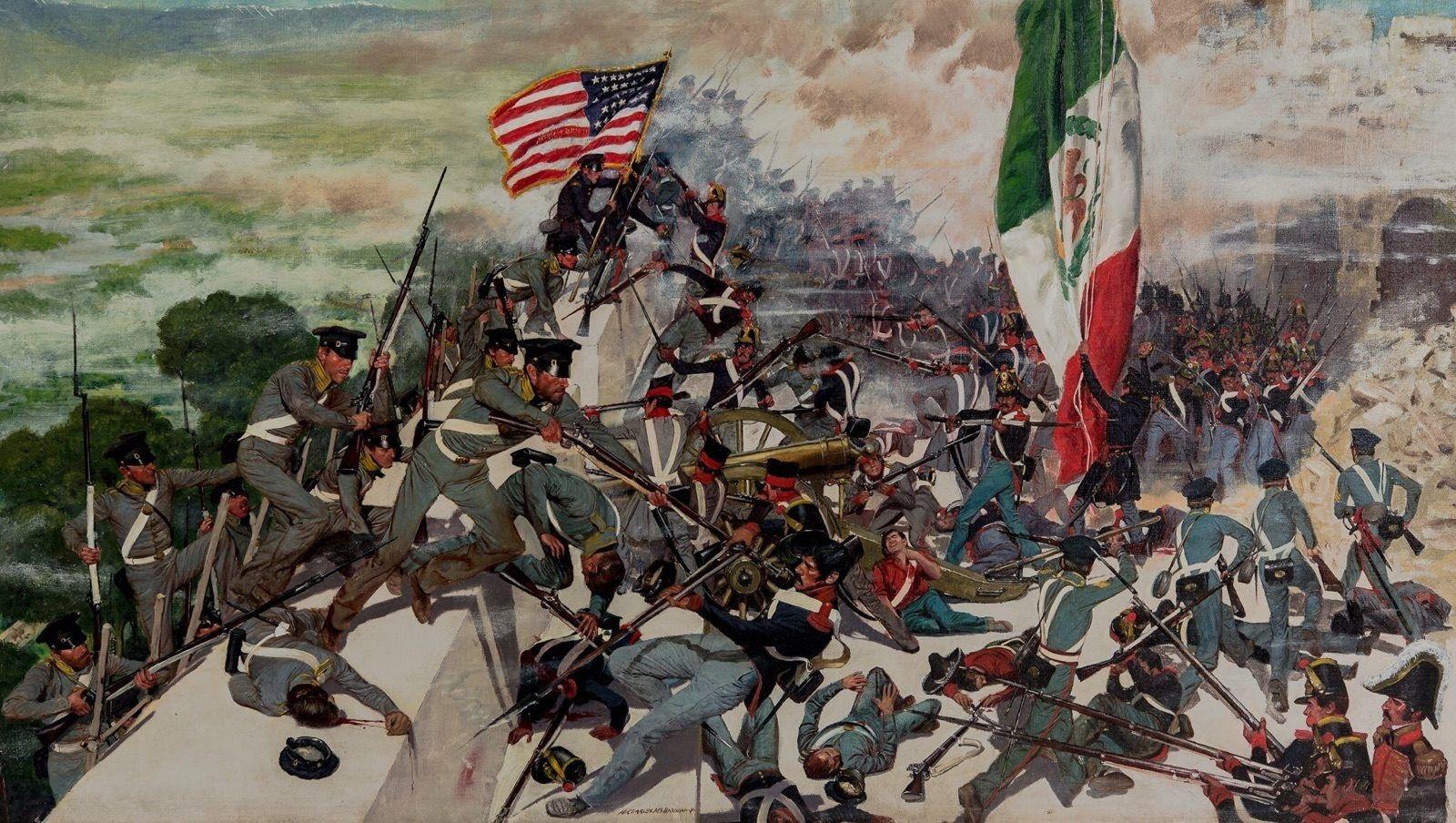
19th-century painting of Congress during the vote to declare war on Mexico, with James K. Polk at center
What Happened?
On this day in 1846, the U.S. Congress overwhelmingly approved a declaration of war against Mexico. The stated reason? An alleged Mexican attack on American troops north of the Rio Grande. But behind the patriotic fanfare was a calculated grab for land—and power—that would stretch the United States from sea to shining sea and deepen the nation's original sin: slavery.
When President Polk told Congress that 'American blood has been shed on American soil,' he didn’t mention that the 'soil' was disputed territory—land historically controlled by Mexico, but newly claimed by the United States after annexing Texas. By placing U.S. troops in this volatile zone, Polk lit the match and then feigned surprise when war erupted.
The vote was swift. The House passed the resolution in two hours. The Senate followed 40 to 2. Dissenters were minimal but fierce. Ohio Representative Joshua Giddings called it 'an aggressive, unholy, and unjust war,' and refused to fund it. Frederick Douglass condemned it as 'disgraceful, cruel, and iniquitous.'
This war wasn’t just about Texas. It was about California, New Mexico, and the fulfillment of Manifest Destiny—a term that justified land theft with a patriotic bow. The United States wanted a continent, and Polk was ready to take it. And with it came an intensified debate over slavery in new territories, growing sectionalism, and eventual civil war.
Two years later, the Treaty of Guadalupe Hidalgo ended the conflict. Mexico lost half its territory—lands that now make up California, Nevada, Utah, Arizona, New Mexico, and parts of Colorado and Wyoming. The U.S. paid Mexico $15 million and assumed its debts to American citizens.
The war transformed America’s borders—but also its conscience. It revealed the lengths leaders would go for expansion, and the silence of those who should have known better. It’s also why we must teach history that questions, not just history that commemorates.
Why It Matters
The U.S.–Mexico War set the stage for the modern border—and the long, tangled legacy of how it came to be. The war didn’t just build the American West; it laid the foundations for racial conflict, imperial expansion, and internal division. It taught us that land can be won with force—but justice, not so easily.
?
What were the major territorial gains for the U.S. from the Mexican-American War?
How did the war influence the debate over slavery in America?
Who were some of the key figures who opposed the war and why?
How does the Treaty of Guadalupe Hidalgo still affect U.S.–Mexico relations today?
What role did Manifest Destiny play in justifying the war?
Dig Deeper
America was ready to expand westward, even if it meant going to war. Learn how and why the Mexican-American War happened.
The Mexican-American War - Explained in 16 minutes
Related
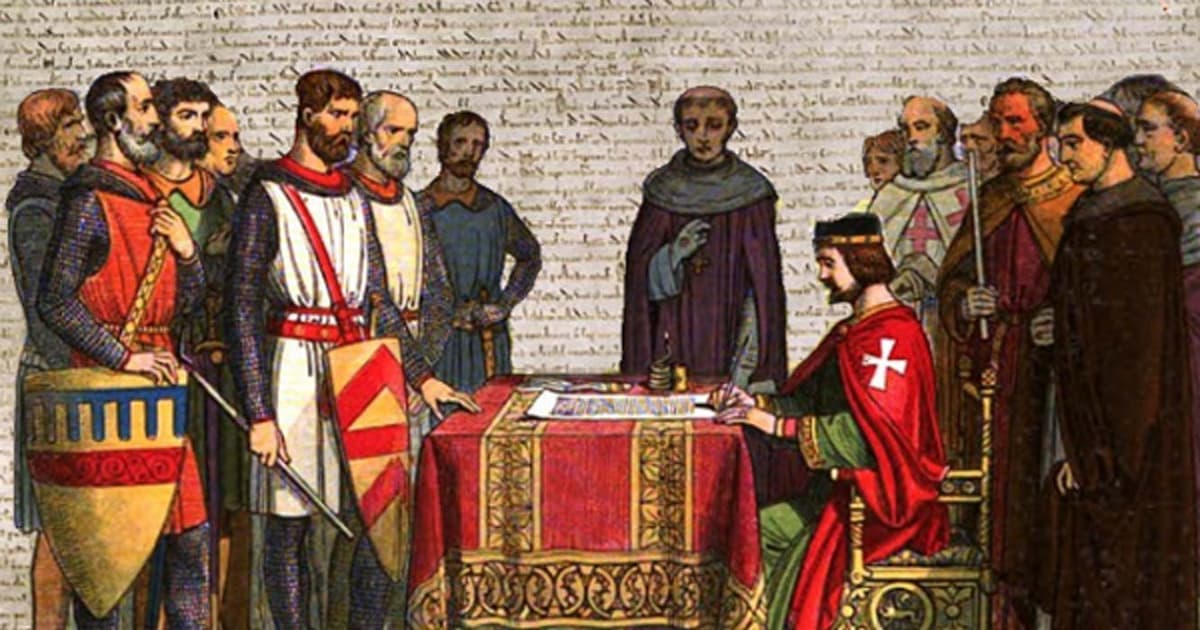
Magna Carta
On May 12, 1215, a gang of angry English barons forced King John into a corner—and launched a document that would echo across centuries. It wasn’t democracy, but it was a dent in the divine right of kings.
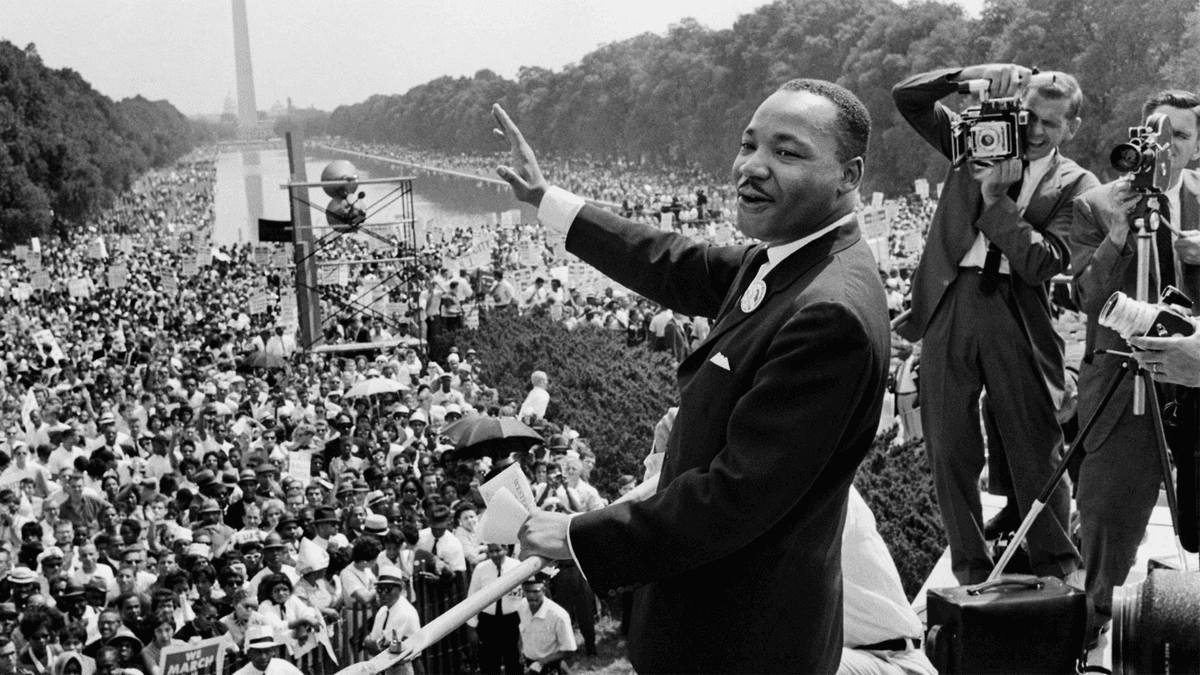
The Civil Rights Movement: Struggle, Solidarity, and Social Change
From classrooms to courthouses, buses to bridges, the Civil Rights Movement reshaped America’s laws — and its conscience.
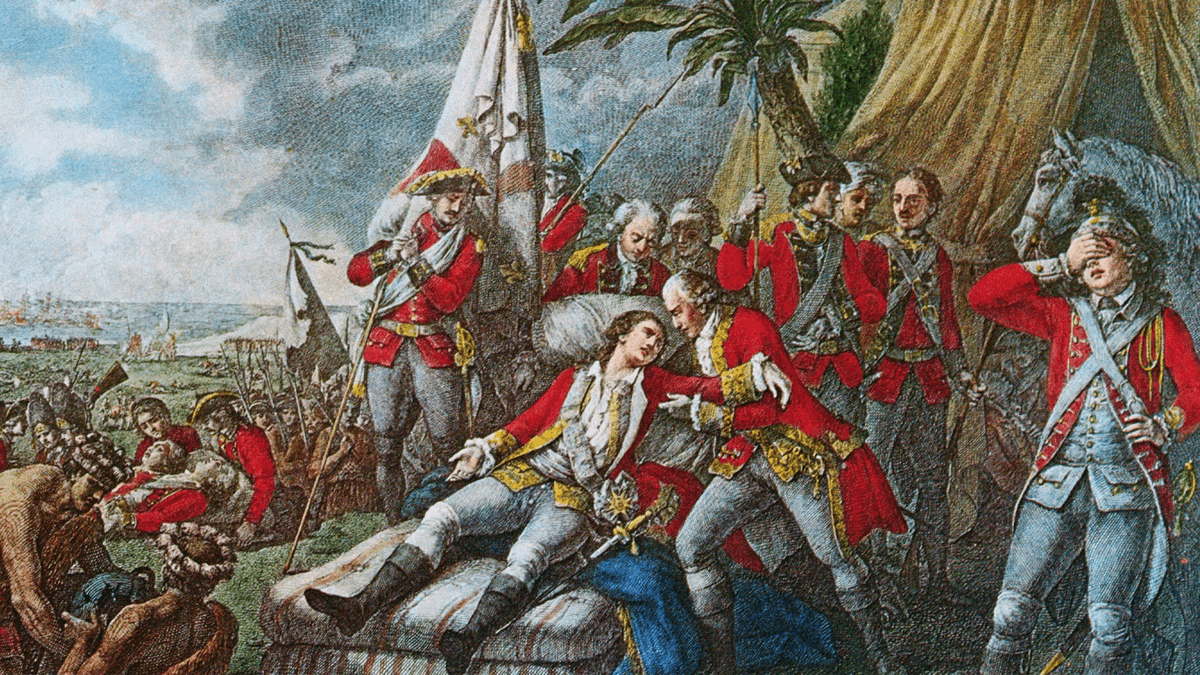
The French and Indian War: The Battle for North America
Before the American Revolution, another great war reshaped North America—the French and Indian War. It began as a fight over land and power, but ended up changing the map of the world and planting the seeds of independence.
Further Reading

Stay curious!