

Capital on the Move: John Adams Packs Up the Government
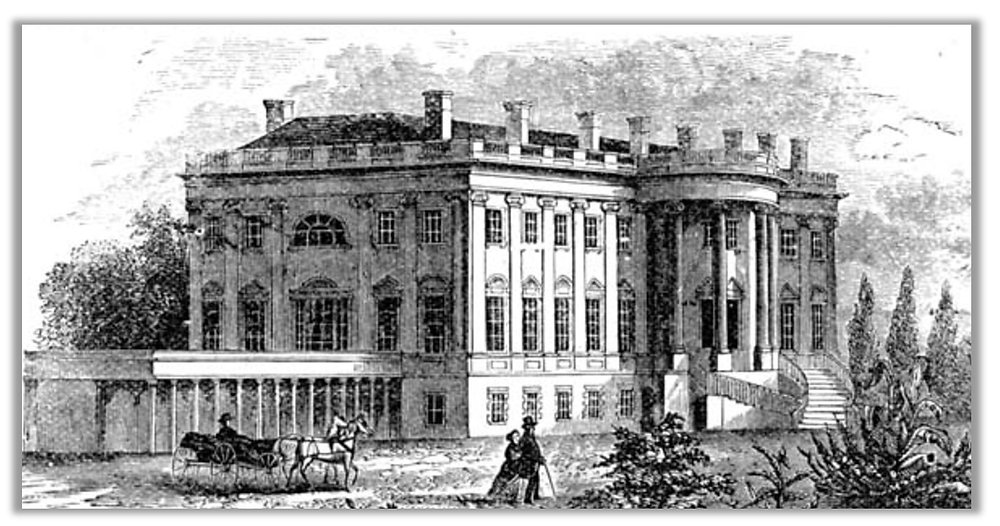
Portrait of President John Adams with a backdrop of early Washington, D.C.
What Happened?
In the spring of 1800, Philadelphia was buzzing with politics, but its time as the nation’s capital was running out. The Residence Act of 1790 had already sealed the deal: Washington, D.C. would become the permanent seat of government. All that was left was to actually make the move.
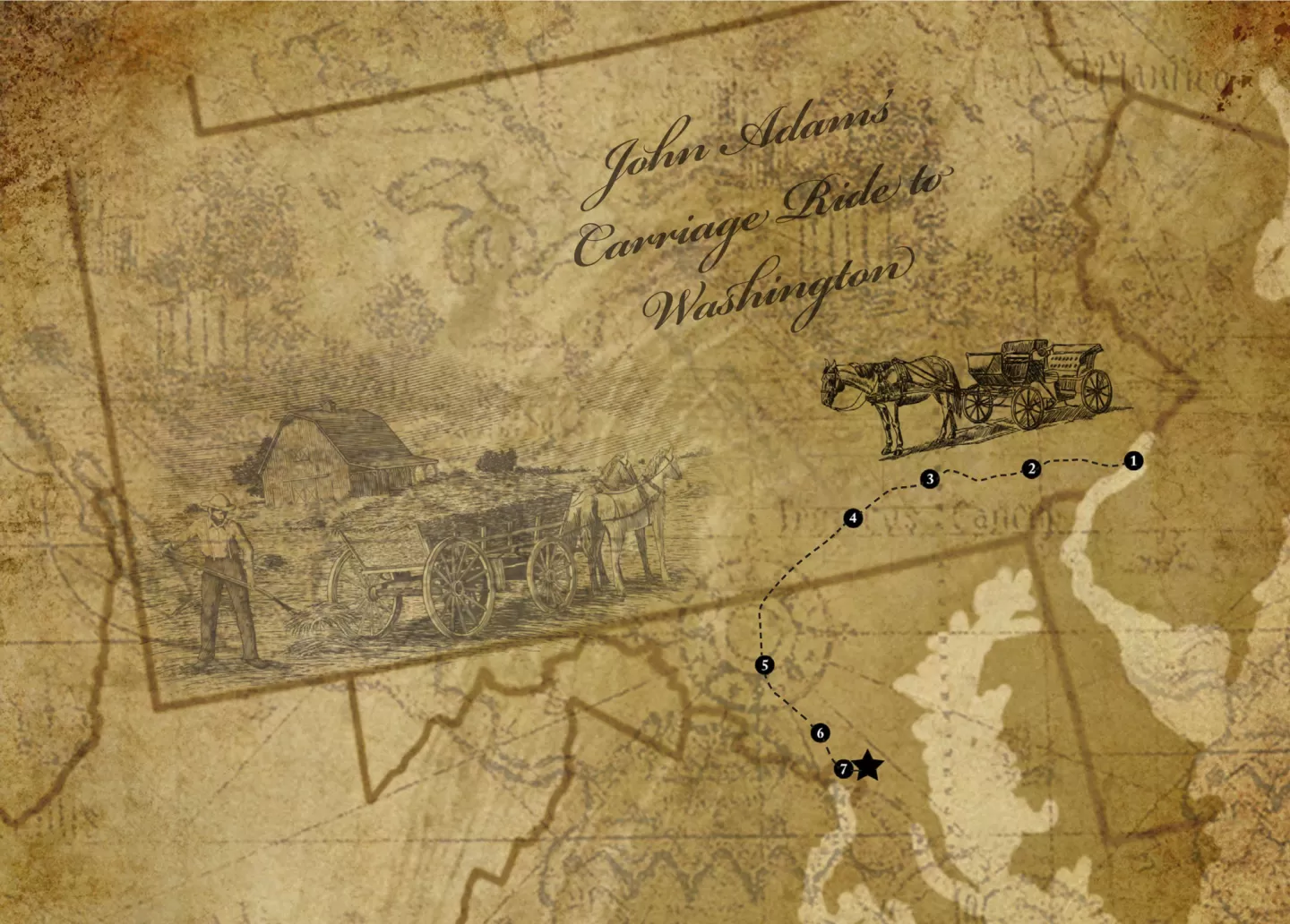
On May 15, President John Adams issued the formal order: pack the papers, prep the clerks, and head for Washington. Congress had wrapped up in Philly, and Adams expected business to be up and running in the new capital by June 15. The relocation would mark the end of a wandering era for America’s lawmakers, who had hopped from city to city since the Revolution.
Washington wasn’t quite ready for prime time. Streets weren’t paved. Government buildings were still full of scaffolding. The Capitol had more sawdust than senators. And the White House? It didn’t even have enough furniture—or curtains. Abigail Adams famously had to hang laundry in the East Room because there was no other place to dry clothes.
Still, Adams was hopeful. After arriving via Georgetown on June 3, he wrote to Abigail: 'All Things seem to go on well.' The people cheered his arrival, ringing bells and forming cavalries in towns along his route. After all, it was an election year, and Adams knew every handshake counted.
By November, Adams finally moved into the President’s House—what we now call the White House. On November 17, Congress convened at the U.S. Capitol for the first time, even though parts of it were still under construction. Adams gave a hopeful address, noting the Capitol’s humble beginnings and the city's ambitious future.
He wouldn’t be in office much longer. Jefferson defeated him in the contentious election of 1800—decided in the very Capitol building Adams helped open. Still, his move to D.C. laid the literal foundation for every president, every protest, and every law to follow. The seat of American government had finally found its home.
Why It Matters
The move to Washington, D.C. symbolized the United States growing into its national identity. The capital wasn’t just changing zip codes—it was defining its future. Adams’ leap of faith turned a patch of muddy wilderness into the political nerve center of the world. And his belief in peaceful transfer of power? That was the real cornerstone.
?
Why did the Residence Act of 1790 choose the Potomac region for the capital?
What role did slavery play in determining the location of the U.S. capital?
How did the Pennsylvania Mutiny of 1783 affect decisions about federal power and location?
What was it like to build and live in early Washington, D.C.?
How did the election of 1800 shape future U.S. politics?
Dig Deeper
Historical (and temporary) Capital cities of the United States of America. Understanding how it moved around throughout the Revolutionary War period - from Philadelphia to Baltimore in Maryland, passing through Lancaster, York in Pennsylvania, Princeton in New Jersey, Annapolis in Maryland, Trenton in New Jersey, as well as the iconic New York City - not to mention its countless returns to Philadelphia throughout history - ending up with the permanent and current capital of Washington DC.
Related
American Revolutionary War: From Protest to a New Nation
How arguments over taxes and rights grew into an eight-year war—and how ideas, allies, and perseverance turned thirteen colonies into the United States.
The Wilmington Coup: When Democracy Was Burned Down
In 1898, Wilmington, North Carolina had a thriving Black middle class, a multiracial government — and then a white mob overthrew it. Armed. Organized. Violent. This was no riot. It was a coup.
The Great Society: Government as a Force for Good
The Great Society wasn’t just a policy agenda, it was a radical vision of what America could be. With sweeping reforms in health care, education, civil rights, immigration, and the environment, President Johnson’s plan aimed to eliminate poverty and racial injustice once and for all.
Further Reading
Stay curious!