

Brown v. Board: The Day the Supreme Court Declared 'Separate' Is Not Equal
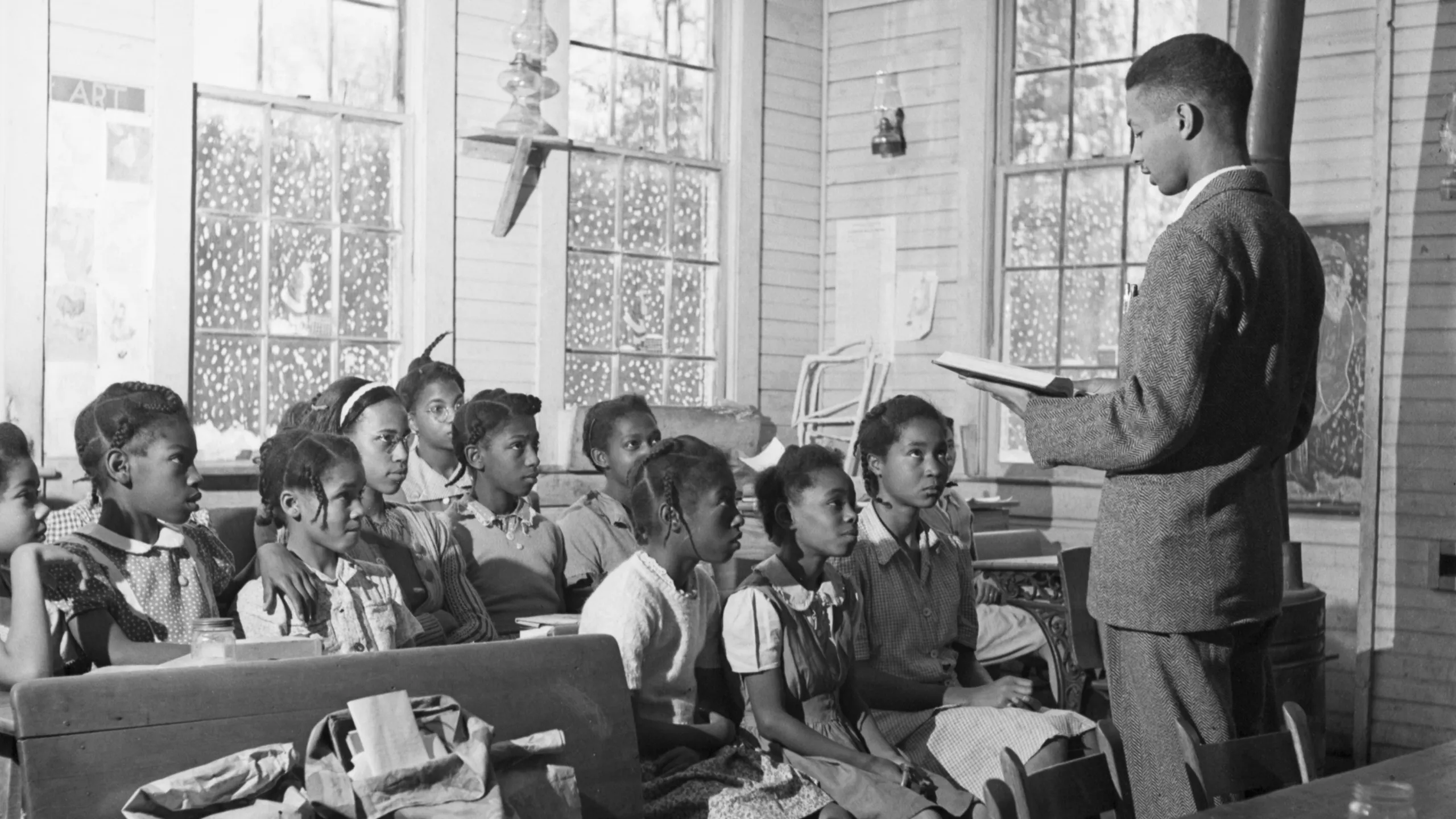
Thurgood Marshall and the NAACP legal team outside the U.S. Supreme Court after the Brown v. Board decision.
What Happened?
In the early 1950s, a young girl named Linda Brown had to travel miles to attend an all-Black school, even though a much better, all-white school was right down the street in Topeka, Kansas. Her family—backed by the NAACP—challenged this injustice in court.
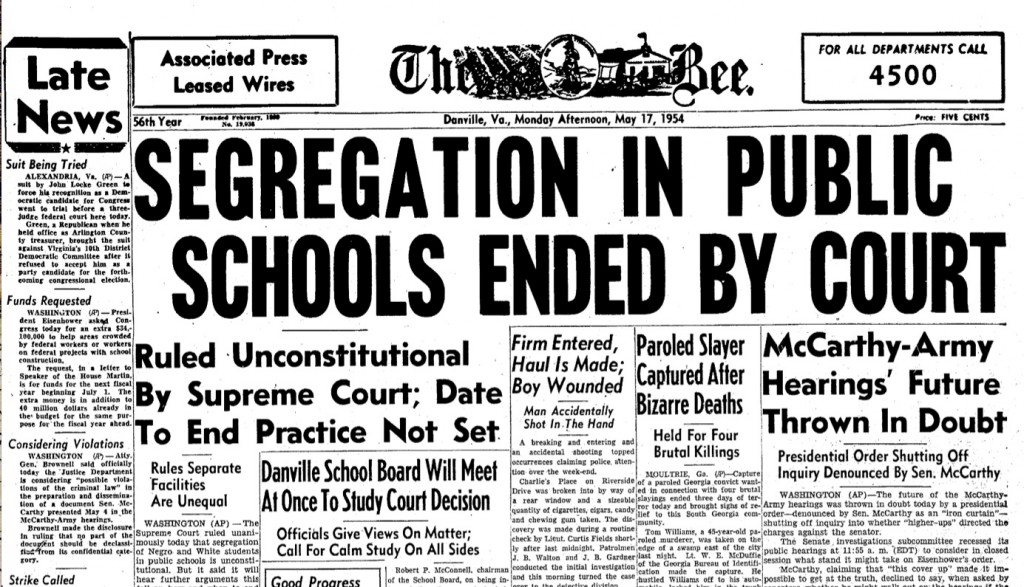
On May 17, 1954, the Supreme Court unanimously ruled that segregation in public schools violated the Constitution’s 14th Amendment. The justices said that even if facilities were technically 'equal,' separating students by race made Black children feel inferior—and that harmed their ability to learn.
The ruling overturned the 1896 Plessy v. Ferguson decision, which had allowed 'separate but equal' treatment under the law. In reality, schools for Black children were often underfunded, overcrowded, and far from equal.
Leading the case was lawyer Thurgood Marshall—who would later become the first Black Supreme Court justice. His team built their argument using legal strategy and social science, showing how segregation negatively affected children's self-esteem and development.
The decision didn’t magically desegregate every school overnight. In fact, it faced massive resistance—especially in the South. But it gave activists and students the legal power to push for change. A year later, in Brown II, the Court told schools to integrate 'with all deliberate speed.'
The Brown ruling was the spark that helped ignite the Civil Rights Movement of the 1950s and 60s. It led to more protests, more lawsuits, and eventually, laws like the Civil Rights Act of 1964. It also set the tone for future battles for justice in education, housing, and beyond.
Why It Matters
This ruling made it clear that segregation has no place in a free and fair society. It told the country—and the world—that equality in education is not optional. And it proved that young people, like Linda Brown, can change history just by standing up for what’s right.
?
What was the legal strategy behind Brown v. Board, and how did the NAACP build their case?
Why did it take so long to end school segregation, even after the Supreme Court ruling?
Who was Thurgood Marshall, and how did he change the future of civil rights?
How does school segregation still show up in the U.S. today?
What role did kids and families play in the fight for school integration?
Dig Deeper
How the Brown v. Board case ended legal school segregation and helped launch the Civil Rights Movement, led by Thurgood Marshall and the NAACP.
Related
Why the United States Entered World War I
In 1917, after years of neutrality, the United States entered World War I—reshaping global politics and transforming life at home.
The Roaring Twenties: Prosperity, Culture, and Conflict
The 1920s were a decade of booming technology, jazz, and consumer culture—but beneath the excitement were deep social tensions and cultural conflicts.
U.S. Imperialism: The Spanish-American War and Its Aftermath
In 1898, the United States fought Spain in a short war that reshaped its identity—from a republic born in anti-colonial revolution to a global imperial power with overseas territories.
Further Reading
Stay curious!