

Plessy v. Ferguson: When the Supreme Court Made Segregation the Law
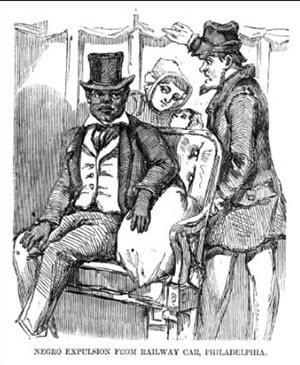
Courtroom sketch of Homer Plessy’s trial, with segregated seating visible.
What Happened?
The case began in 1892 when Homer Plessy boarded a train in New Orleans and sat in a whites-only car. He was arrested on purpose. Why? To challenge a Louisiana law that forced Black and white passengers into separate railcars. Plessy and the Comité des Citoyens—a civil rights group—wanted to prove that segregation was unconstitutional under the 14th Amendment.
But the Supreme Court didn’t see it that way. In a 7-1 decision, the justices said segregation was legal as long as the separate facilities were equal. Justice Henry Billings Brown, writing for the majority, claimed that the law didn’t make Black people inferior—unless they believed it did.
The lone dissenter, Justice John Marshall Harlan, wasn’t having it. He warned that this decision would lead to widespread injustice and called out the Court for abandoning the Constitution’s promise of equality. He wrote, 'Our Constitution is color-blind.'
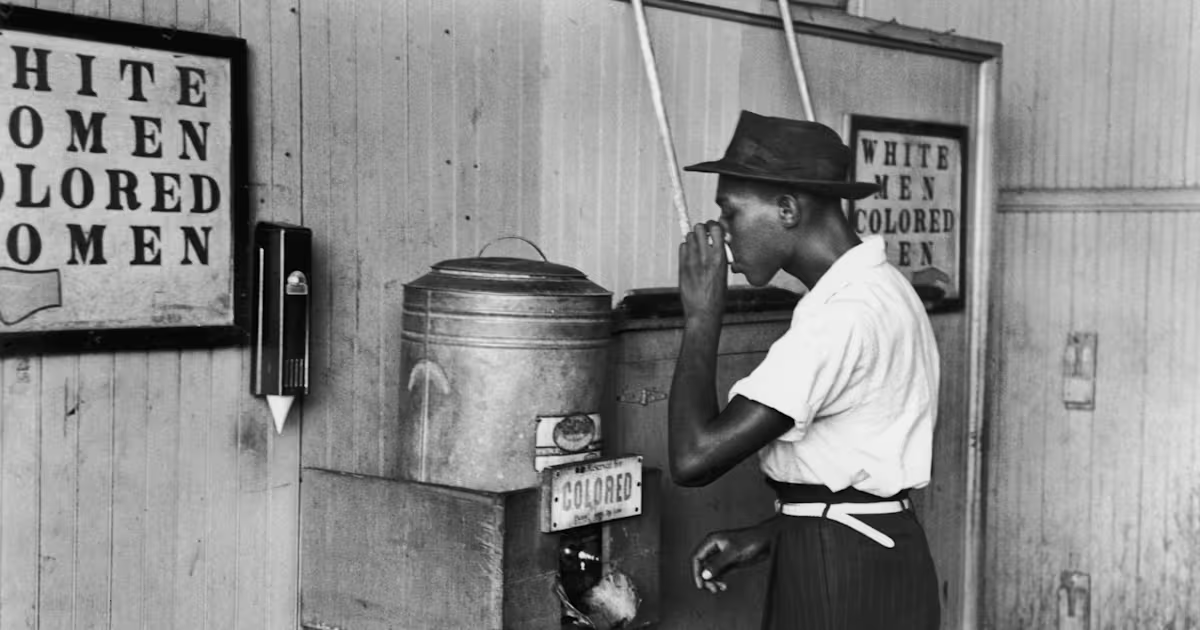
The ruling opened the door to decades of Jim Crow laws. Everything from schools to bathrooms to water fountains was segregated. And no surprise—Black Americans were given the worse side of every so-called 'equal' system.
Despite the injustice, Plessy’s case inspired generations of activists to keep fighting. It wasn’t until 1954—58 years later—that Plessy v. Ferguson was finally overturned in Brown v. Board of Education, which ruled that separate was never equal, especially in schools.
Homer Plessy didn’t live to see that victory. But his act of resistance, backed by a fearless community of Black organizers, showed the power of protest and legal action—even in the face of injustice.
Why It Matters
Plessy v. Ferguson didn’t just hurt one man—it legalized racism across America. The ruling told generations of Black Americans they were second-class citizens. Understanding this case helps us see how laws can be used to support injustice—and how brave individuals can challenge them.
?
Why did the Court think 'separate but equal' was fair—and why was that wrong?
Who was Justice Harlan, and why was his dissent so important?
What were Jim Crow laws, and how did they affect daily life?
How did Plessy’s case help inspire the Civil Rights Movement?
What lessons can we learn today about challenging unjust laws?
Dig Deeper
This episode explains how the Plessy v. Ferguson ruling made segregation legal—and what it took to fight back.
Related
Reconstruction: Rebuilding a Nation and Redefining Freedom
After the Civil War, the United States faced the enormous task of reintegrating the South, securing rights for freedpeople, and redefining citizenship and equality. Reconstruction (1865–1877) was a bold experiment in democracy—filled with groundbreaking laws, historic firsts, and fierce backlash.
U.S. Geography: How the Land Shaped a Nation
Before the United States was born, geography shaped how people lived, worked, and fought over this land. From the Appalachian Mountains to the Great Plains, the natural landscape influenced settlement, culture, and history.
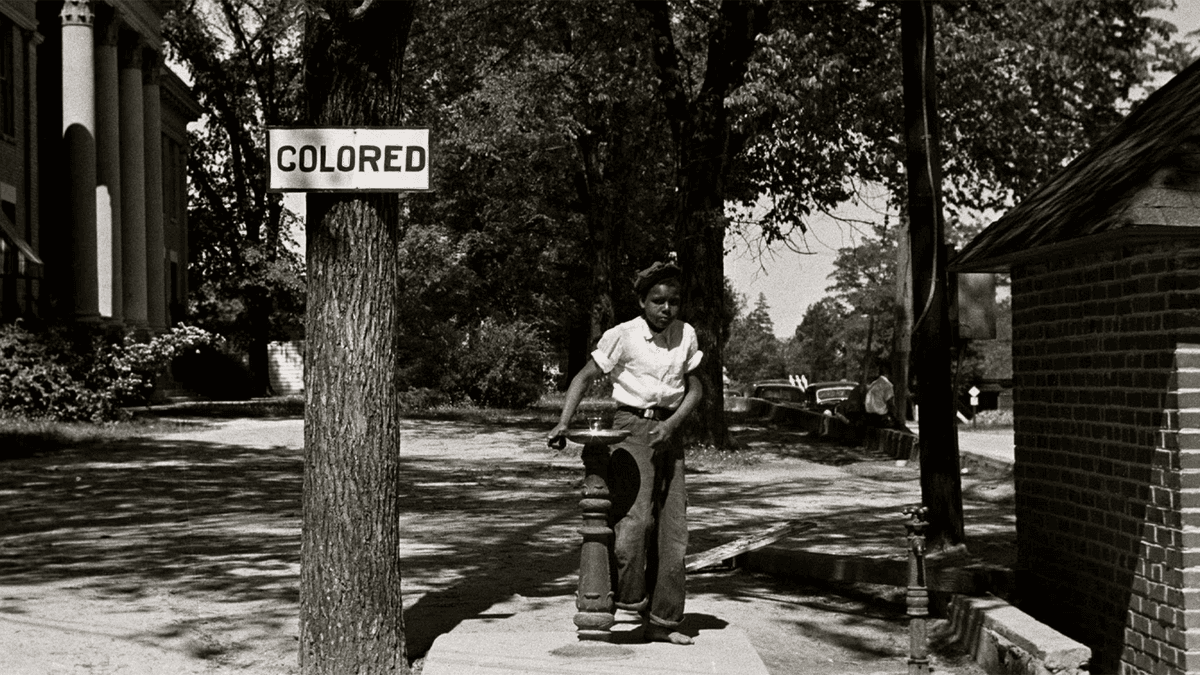
Jim Crow and Plessy v. Ferguson
After Reconstruction, the South built a legal system to enforce racial segregation and strip African Americans of political power. The Supreme Court’s Plessy v. Ferguson decision in 1896 made 'separate but equal' the law of the land—cementing injustice for decades.
Further Reading
Stay curious!