

The Coercive Acts: Britain’s Punishment Becomes the Colonies’ Rallying Cry
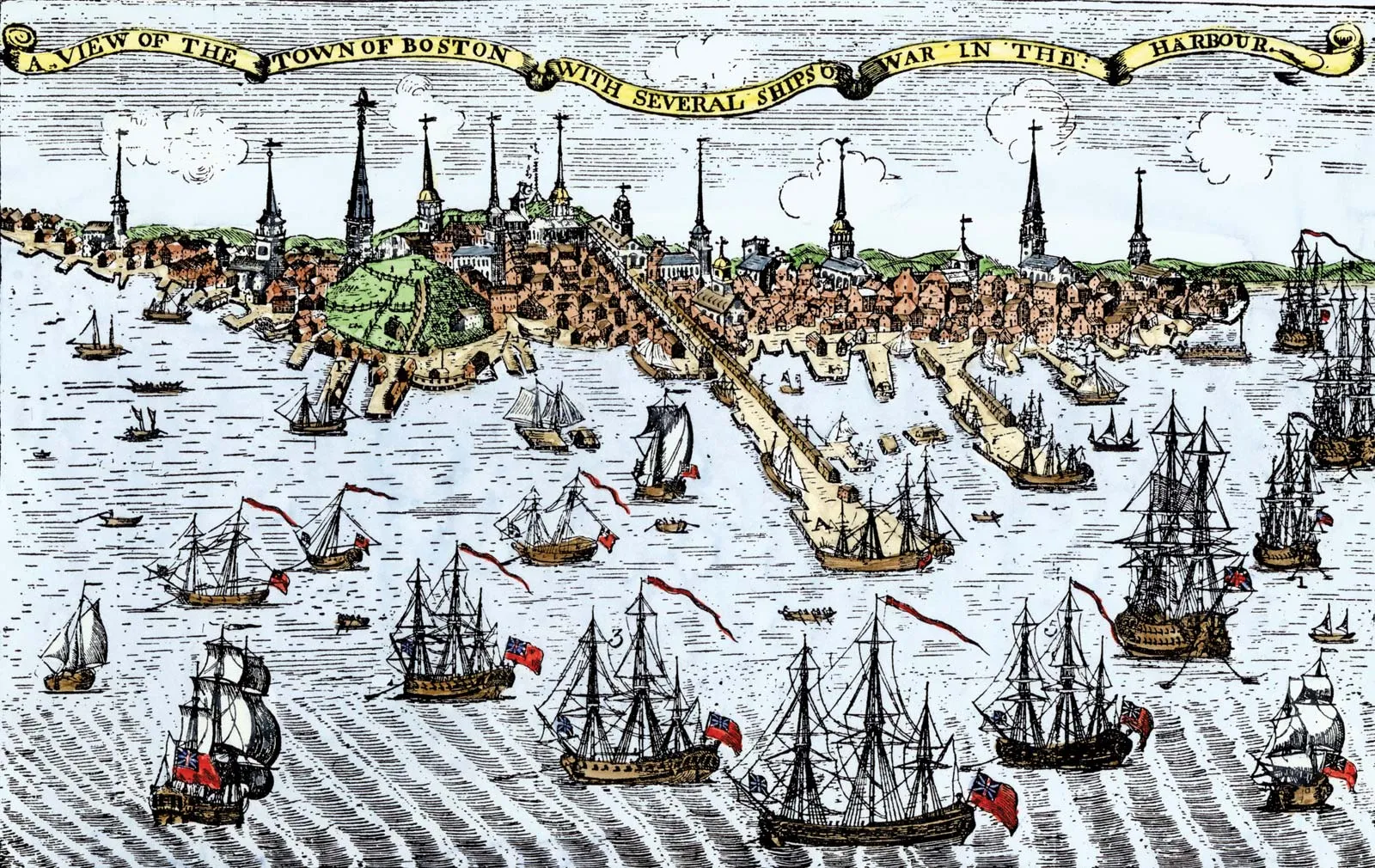
British ships enforcing the closure of Boston Harbor after the Intolerable Acts were passed.
What Happened?
In December 1773, members of the Sons of Liberty boarded three ships and dumped 342 crates of British tea into Boston Harbor. The British response was swift—and ruthless.
By May 20, 1774, King George III had signed off on the Boston Port Act (which shut down Boston’s harbor), the Massachusetts Government Act (which put British officials in charge of town governments), and the Administration of Justice Act (which let British soldiers accused of crimes be tried back in Britain). A few weeks later, the Quartering Act was added—forcing colonists to house British troops in their own buildings, even homes.
To the people of Boston, this wasn’t just punishment—it was occupation. And though Britain hoped these moves would isolate Boston and crush the rebellion, it had the opposite effect.
The other colonies rallied behind Massachusetts, sending aid and organizing resistance. Even though the laws were aimed at just one colony, they sparked outrage across all thirteen. Colonists feared that what happened in Boston could happen anywhere.
Later that year, in September 1774, the First Continental Congress met in Philadelphia. For the first time, the colonies joined together to challenge British rule—not as isolated towns, but as a united front.
British lawmakers may have thought they were tightening the leash. What they did instead was provoke the colonies to prepare for revolution.
Why It Matters
The Coercive Acts were meant to scare the colonies into submission—but they backfired. By punishing Boston, Britain lit a fire across all thirteen colonies. The laws pushed everyday people to see that this wasn’t just a Boston problem. It was a fight for freedom—and the revolution was coming.
?
Why did Britain think these acts would stop rebellion instead of making it worse?
How did the other colonies respond to Boston’s punishment?
What was the purpose of the First Continental Congress?
Why were colonists so upset by the Quartering Act and the 'Murder Act'?
How did the Intolerable Acts lead directly to the Revolutionary War?
Dig Deeper
Britain passed harsh new laws to punish the colonies. Instead of stopping rebellion, the Intolerable Acts made it worse.
Related
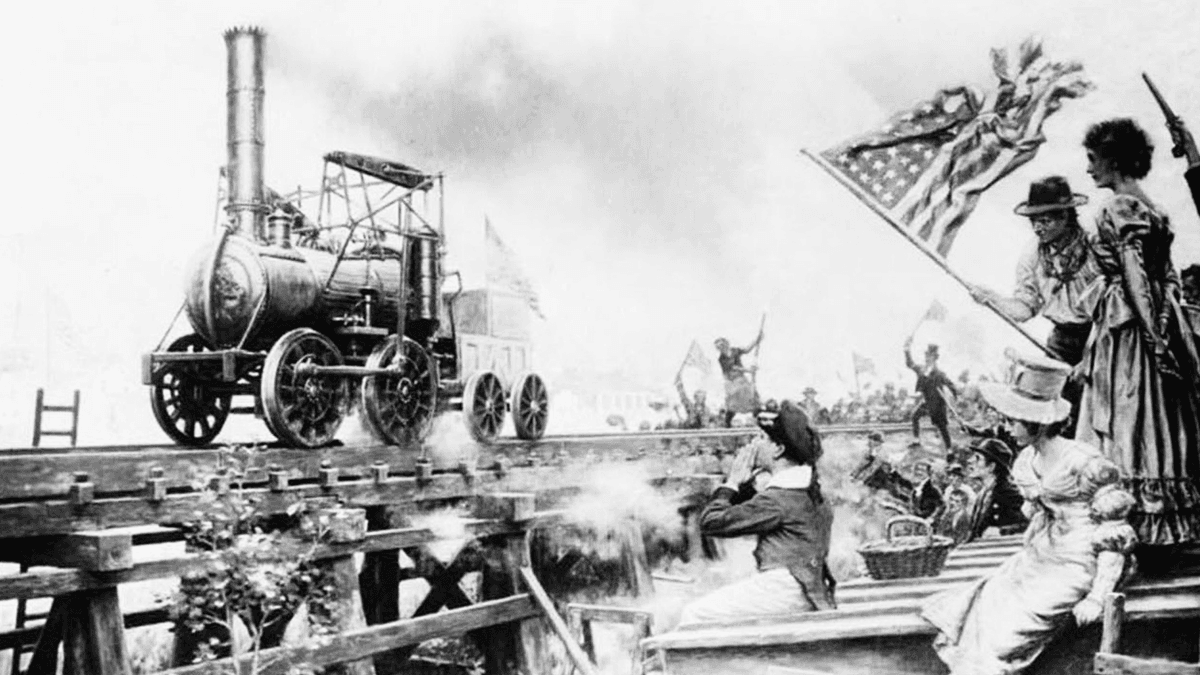
The Market Revolution: How Innovation Transformed America
In the early 1800s, America changed from a land of small farms to a booming nation of factories, railroads, and markets. The Market Revolution connected people, goods, and ideas—while also revealing deep inequalities in who benefited from progress.
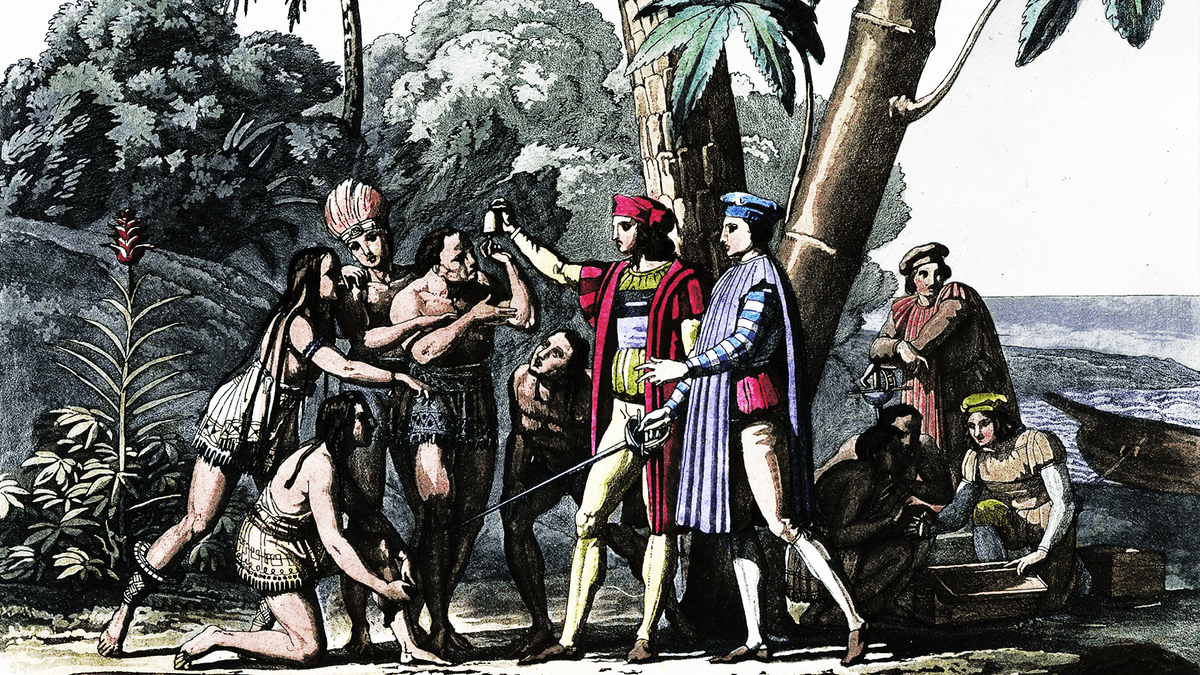
The Columbian Exchange: When Worlds Collided
When two previously isolated worlds collided in 1492, the resulting biological, cultural, and economic transformation reshaped every corner of the globe. The Columbian Exchange was not just a swap—it was a world-changing, world-breaking chain reaction.
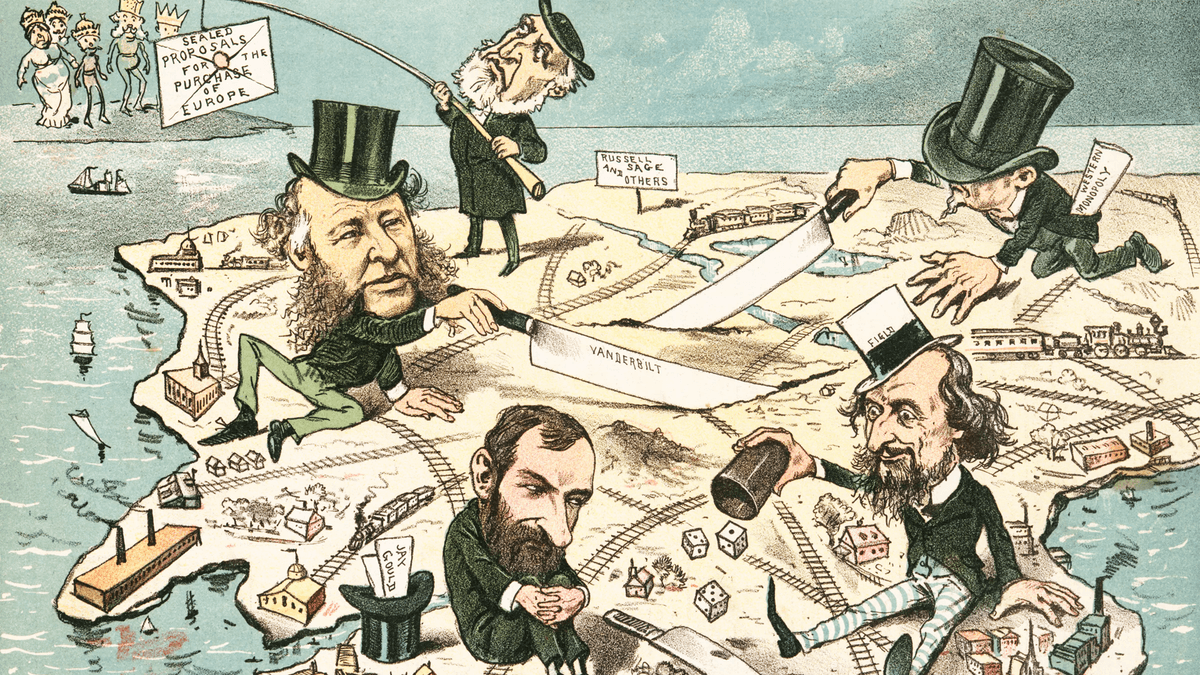
The Gilded Age: Glitter, Growth, and the Cost of Progress
A glittering era of innovation and industry, the Gilded Age promised progress but delivered inequality. In the South, leaders dreamed of a 'New South,' yet industrialization offered opportunity for some while reinforcing systems of poverty and discrimination for others.
Further Reading
Stay curious!