

The Brooklyn Bridge Opens—and History Crosses Over
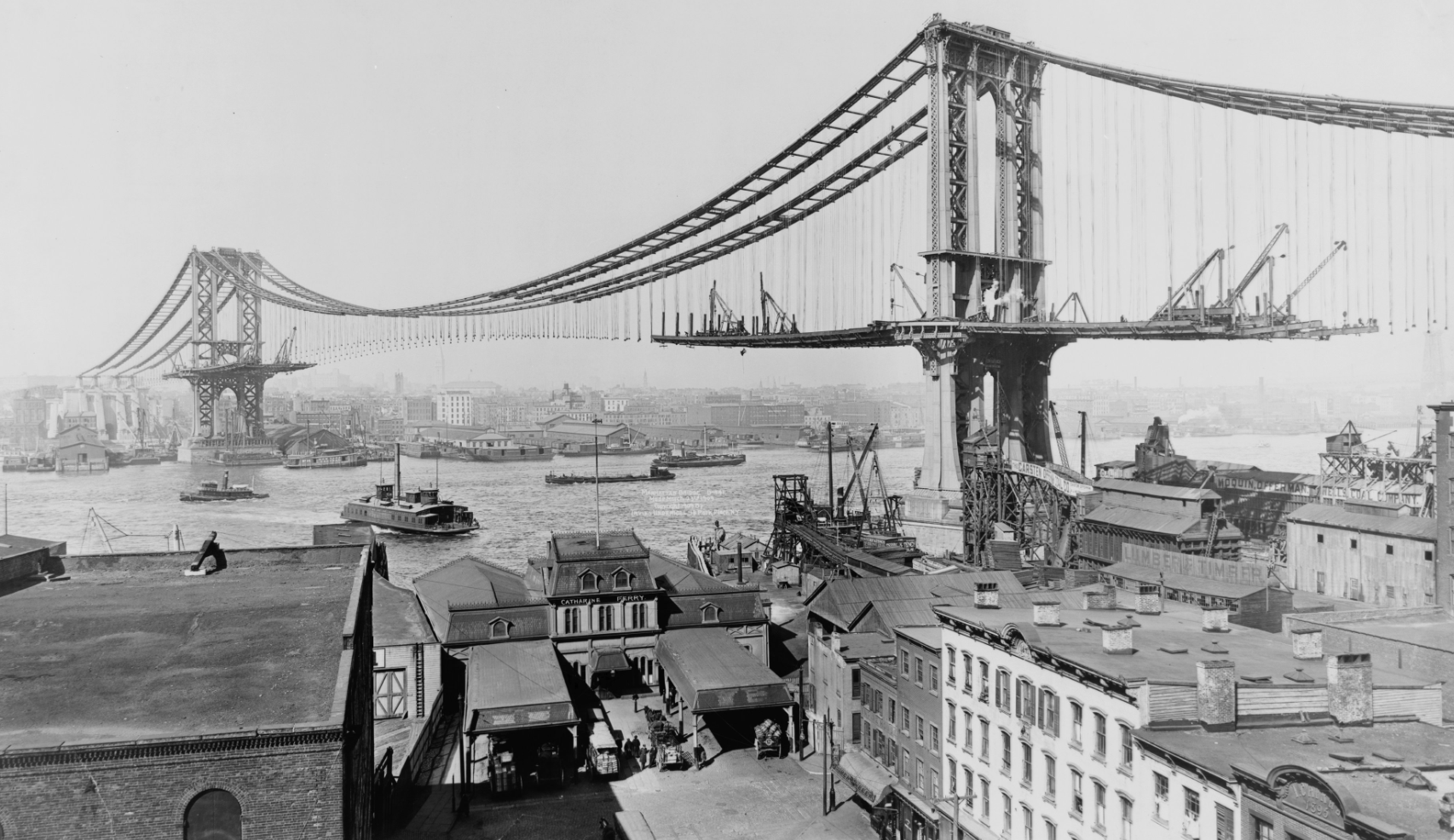
Behind the granite towers and steel cables lies a story of loss, resilience, and a woman who refused to be written out of history: Emily Roebling.
What Happened?
When the Brooklyn Bridge officially opened on May 24, 1883, it was called the Eighth Wonder of the World. Thousands flocked to witness the spectacle—dignitaries, engineers, curious onlookers, and the first official crosser: Emily Warren Roebling, riding with a rooster in her lap. Why the rooster? Because victory doesn’t always cluck quietly.
It was Emily who finished the bridge, quite literally. After her husband, Washington Roebling, was paralyzed by decompression sickness while overseeing construction, Emily became his voice, his hands, and—eventually—the bridge’s de facto chief engineer. She studied civil engineering, managed contractors, reviewed plans, inspected materials, and handled reporters and politicians. All while the world assumed she was 'just' the wife.
But Emily’s genius wasn’t the only one in this family. The bridge’s design came from her father-in-law, John A. Roebling, a German-born civil engineer who pioneered wire-cable suspension bridges. He died before construction began after a freak accident involving a ferry crushed his foot. His son Washington took over, only to become bed-bound. That left Emily, with grit and brilliance, to carry the bridge to completion.
The Brooklyn Bridge was the longest suspension bridge ever built at the time, the first to use steel cables, and one of the first major structures built with caissons—massive, pressurized chambers used to anchor the towers to the riverbed. Workers, known as 'sandhogs,' suffered terribly from what we now know as 'the bends.' More than 20 men died during the 14-year construction. Some say it was closer to 40.
When the bridge opened, 250,000 people crossed it in a single day. Fireworks lit up the sky, President Chester A. Arthur gave a speech, and Brooklyn and Manhattan—two cities that had always felt like neighbors across a river—were suddenly bound by steel and stone. Fifteen years later, the two cities would merge, creating modern-day New York City.
Why It Matters
The Brooklyn Bridge wasn’t just an engineering marvel—it was a monument to perseverance, to partnership, and to the quiet brilliance of a woman who refused to be erased. Its story is proof that history is often built not only by those with the title, but also by those with the resolve.
?
What challenges did workers face during the construction of the Brooklyn Bridge?
Why is Emily Roebling considered one of the unsung heroes of the 19th century?
What engineering innovations made the Brooklyn Bridge unique for its time?
How did the Brooklyn Bridge change the relationship between Manhattan and Brooklyn?
Why do historians today give Emily Roebling more recognition than she received in her lifetime?
Dig Deeper
A deep dive into the architectural and engineering brilliance that went into building the Brooklyn Bridge—and the risks that came with it.
Related
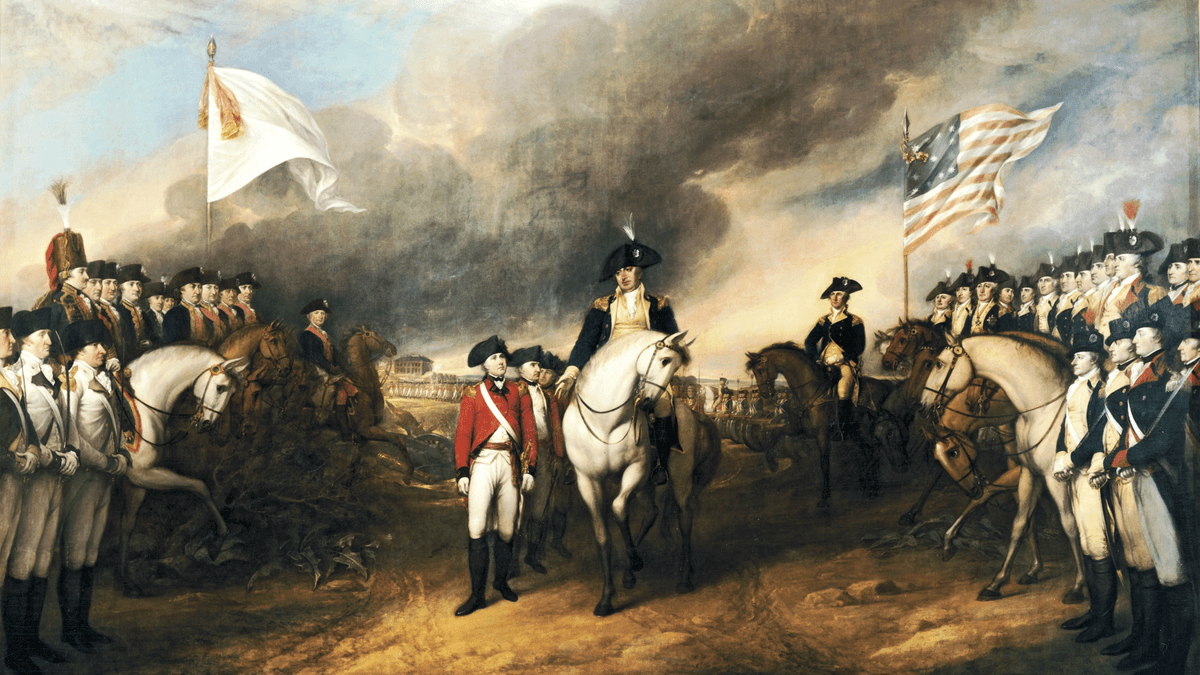
American Revolutionary War: From Protest to a New Nation
How arguments over taxes and rights grew into an eight-year war—and how ideas, allies, and perseverance turned thirteen colonies into the United States.
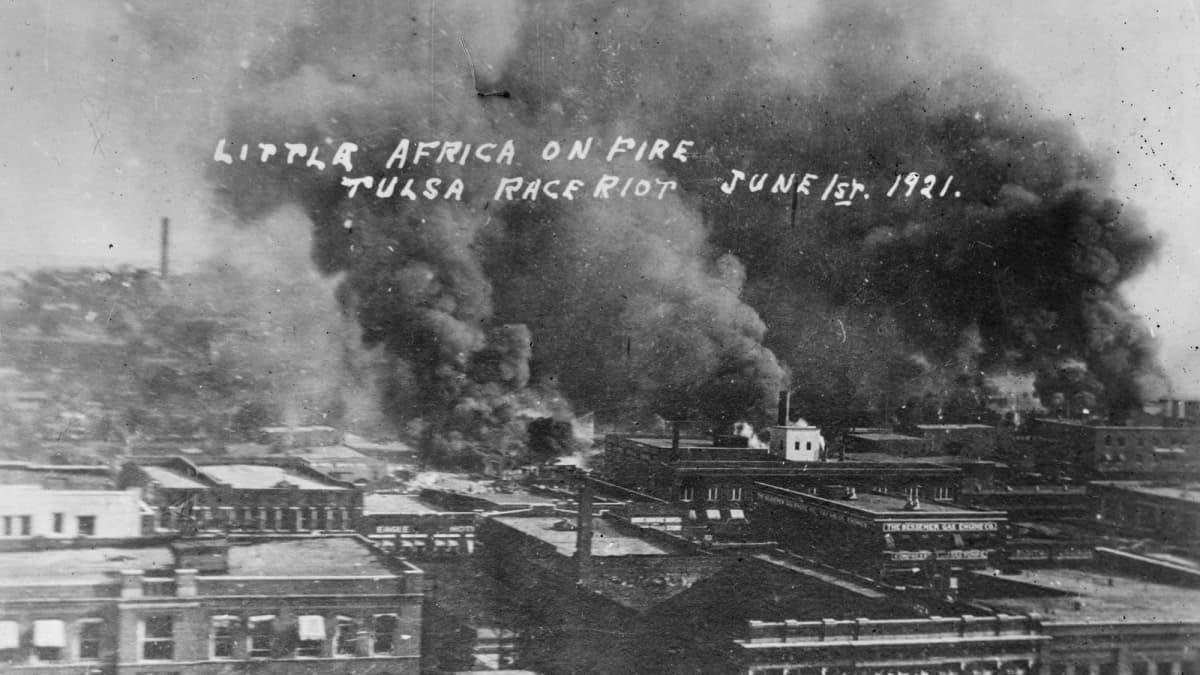
The Tulsa Race Massacre: Black Wall Street Burned
Greenwood was known as Black Wall Street—until a white mob burned it to the ground. The Tulsa Race Massacre wasn’t a riot. It was a coordinated attack. And it was nearly erased from history.

The First Amendment: America’s Blueprint for Freedom
The First Amendment protects freedoms of speech, religion, press, assembly, and petition. It’s the foundation of American democracy—but also a source of constant debate and interpretation.
Further Reading
Stay curious!