

FDR Declares an Unlimited National Emergency
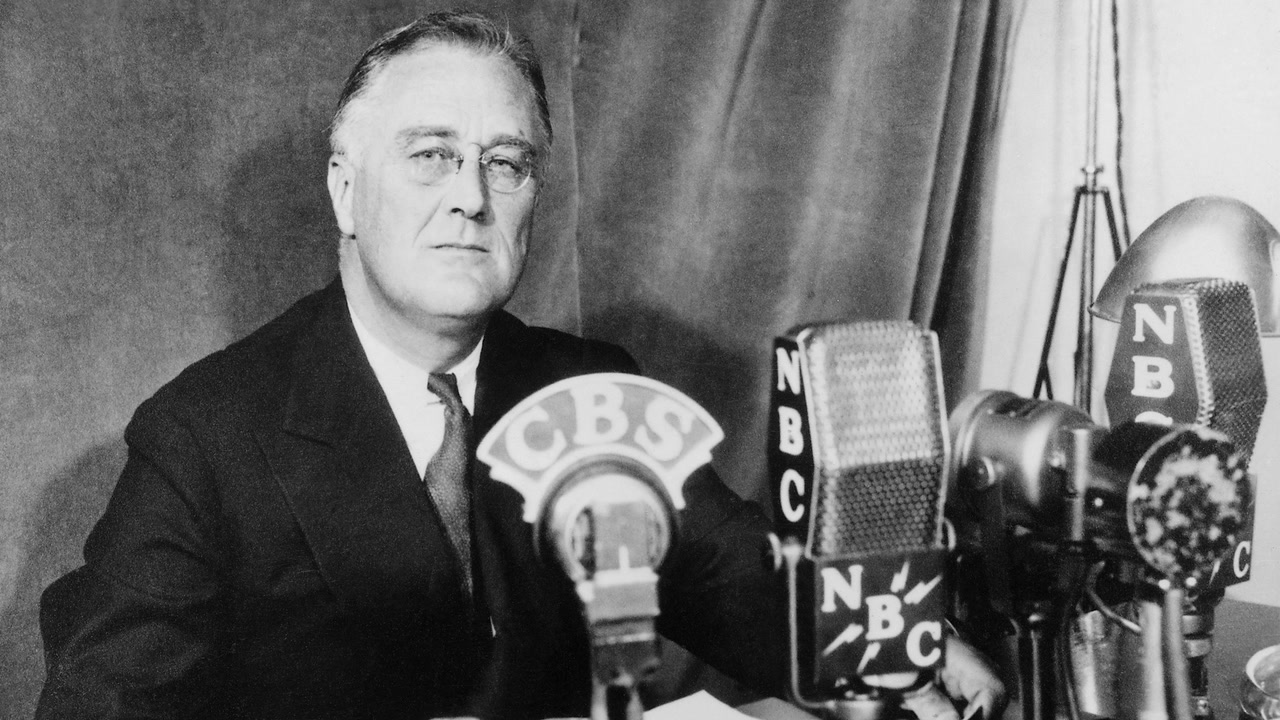
FDR seated at a desk giving his May 27, 1941 radio address, with a U.S. flag behind him.
What Happened?
By May of 1941, the writing was on the wall—and in the water. Nazi Germany had taken over most of Europe. Britain was battered but unbroken. And German U-boats were sinking merchant ships across the Atlantic. Yet many Americans still clung to isolationism, convinced that the oceans would protect them from the world's chaos.
President Franklin Delano Roosevelt had a different view. On May 27, 1941, speaking from the White House in a national radio address, FDR declared a state of 'unlimited national emergency.' He wasn’t declaring war—not yet—but he made it clear: if the Nazis gained control of the seas, the Americas were next.
The speech was urgent, vivid, and visionary. FDR warned of a future where American workers would be forced to compete with slave labor, where trade unions would be outlawed, and where children would 'wander off, goose-stepping in search of new gods.' This wasn’t a speech aimed at policy wonks. It was a firebell for a democracy at risk of dozing off.
FDR’s words reframed American defense as proactive rather than reactive: 'An attack on the United States can begin with the domination of any base which menaces our security—north or south.' His message was: Don’t wait for bombs in New York when the battle is already underway in Iceland, Dakar, or the Azores.
He promised no illusions: 'Freedom of the seas' would be defended. German expansion into the Western Hemisphere would not be tolerated. American patrols in the Atlantic were already underway. Aid to Britain, China, and all democratic nations would continue—and escalate.
Seven months later, after the attack on Pearl Harbor, the United States would formally enter World War II. But on this night in May, FDR threw down a moral and strategic gauntlet. He demanded courage over complacency, unity over fear, and preparation over paralysis.
With his famous closing echo—'The only thing we have to fear is fear itself'—Roosevelt reminded a nation weary from depression and wary of war that strength wasn’t just about arms or ships. It was about resolve. It was about stepping up before the fire reached your front porch.
Why It Matters
FDR's declaration of unlimited national emergency wasn’t just a rhetorical escalation—it was a psychological one. He yanked America closer to the war with his words, and history vindicated him. It’s a masterclass in leadership under threat: clear-eyed, emotionally intelligent, and unwilling to let fear masquerade as wisdom.
?
How did FDR use communication and radio to shape American public opinion before WWII?
What did the Lend-Lease Act signal about U.S. foreign policy before Pearl Harbor?
What does FDR’s speech tell us about the balance between civil liberties and national security in wartime?
In what ways did FDR’s warning about fascism foreshadow post-war Cold War dynamics?
How does this speech compare to other presidential emergency declarations in U.S. history?
Dig Deeper
This clip explores how FDR balanced wartime leadership, global threat perception, and the power of communication to rally the nation.
Related
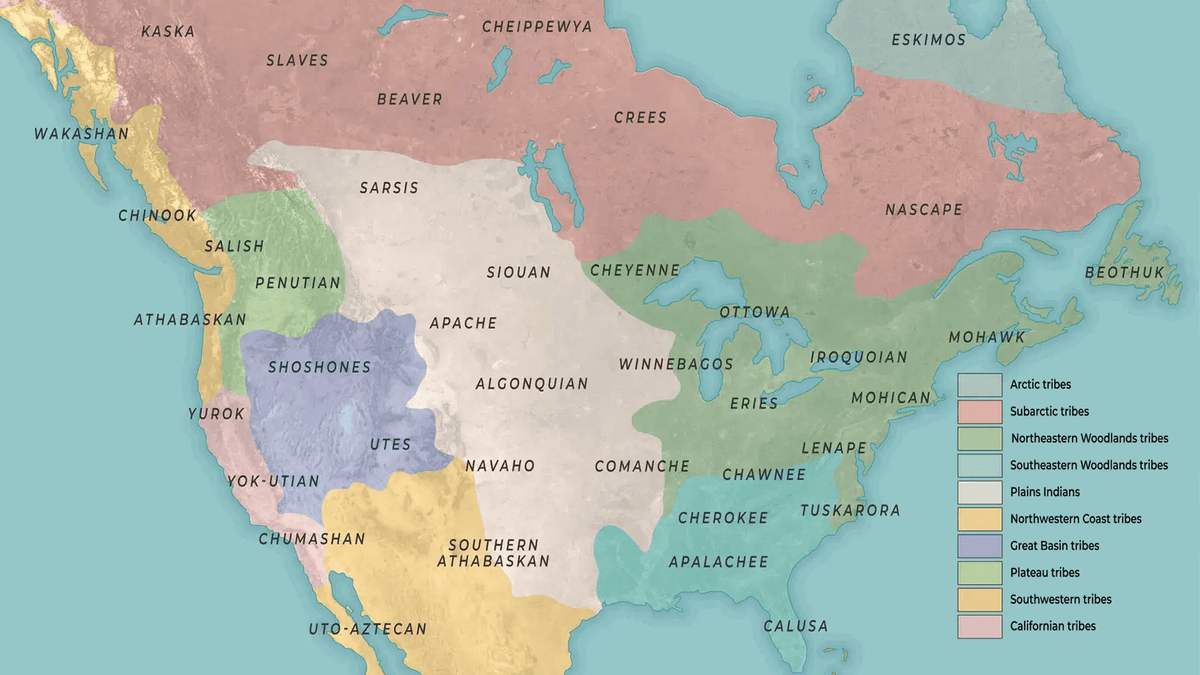
Indigenous Nations Before European Contact
Long before Columbus, Indigenous nations flourished across North America. From hunters following mammoths to farmers building vast trade networks, Native peoples shaped the land—and the land shaped them.
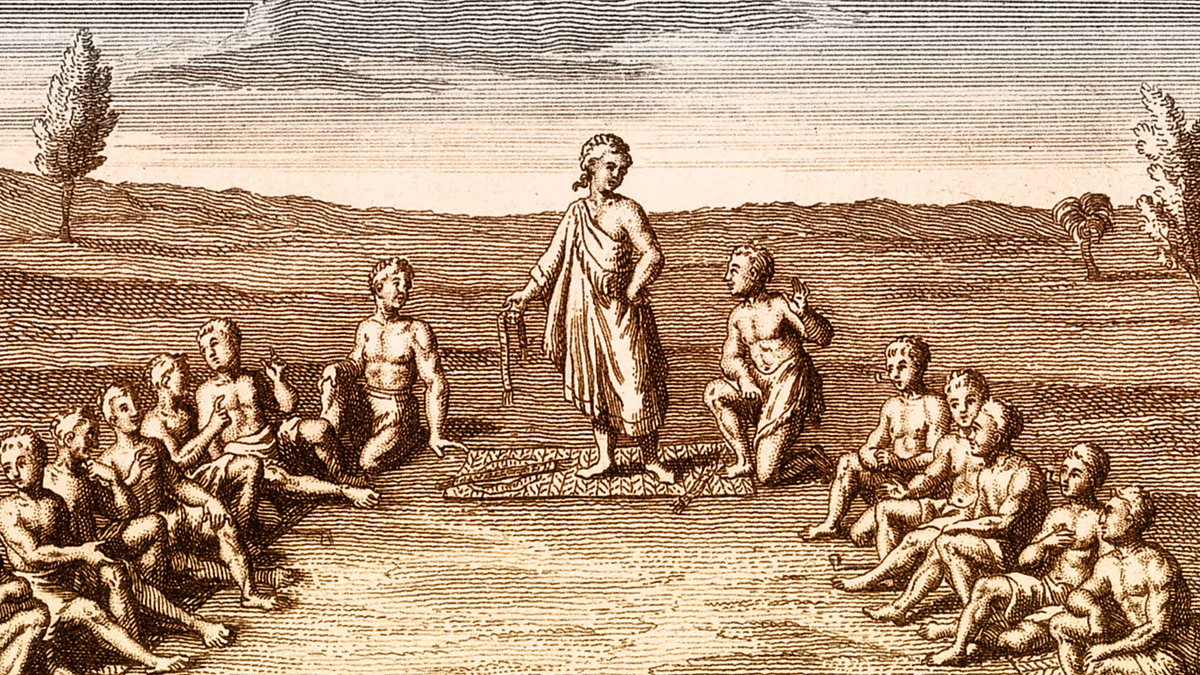
The Haudenosaunee Confederacy: Indigenous Roots of American Democracy
Long before the Founding Fathers gathered in Philadelphia, a league of Native Nations had already established one of the world’s oldest participatory democracies—an Indigenous blueprint for unity, peace, and governance.

The First Amendment: America’s Blueprint for Freedom
The First Amendment protects freedoms of speech, religion, press, assembly, and petition. It’s the foundation of American democracy—but also a source of constant debate and interpretation.
Further Reading
Stay curious!