

Sojourner Truth Asks: Ain’t I a Woman?
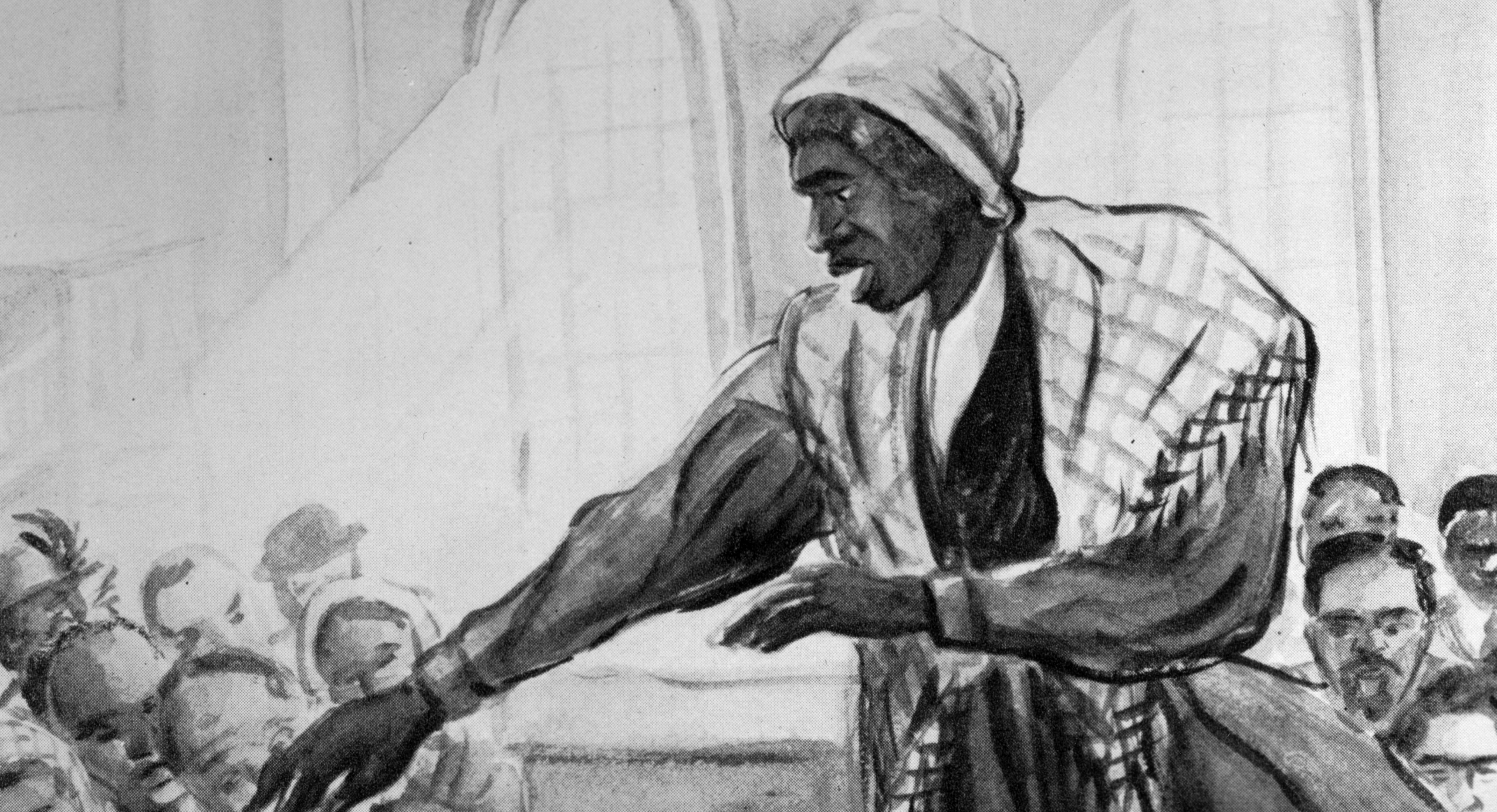
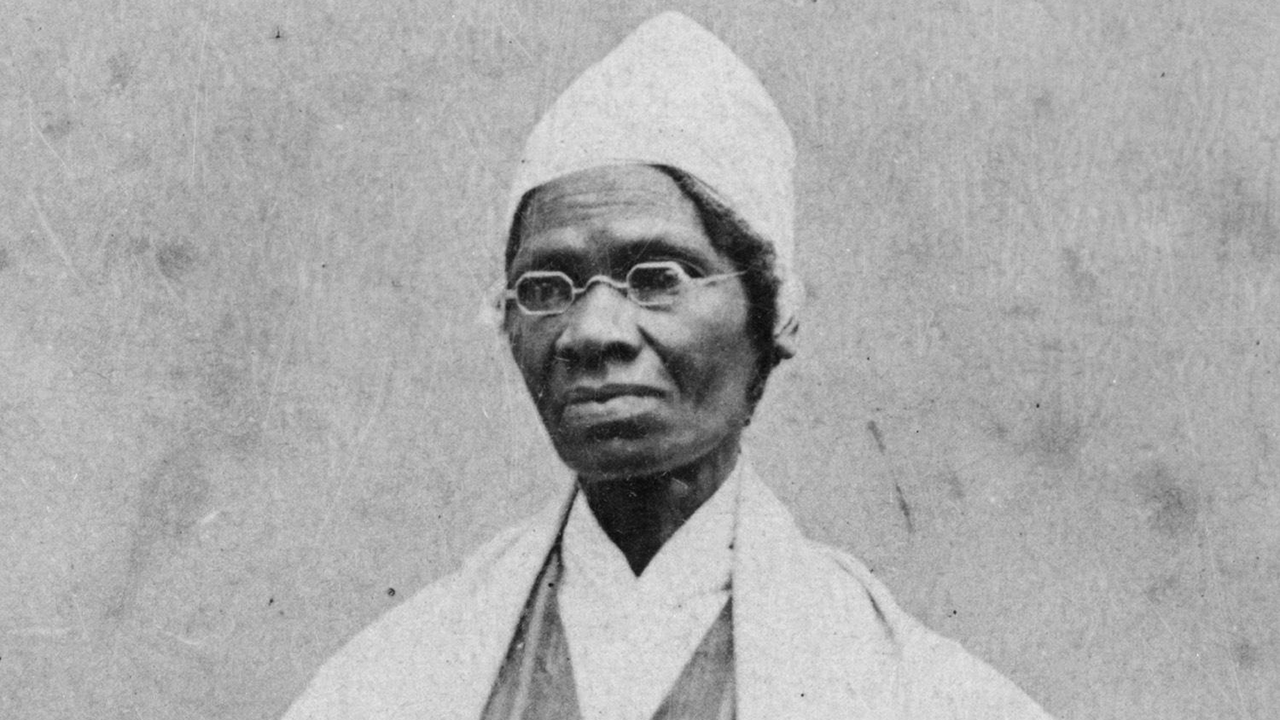
Sojourner Truth, who had escaped slavery and renamed herself to reflect her mission, rose at the 1851 Women’s Rights Convention in Akron, Ohio. What she said cut through the noise like a blade: Black women were women too. And they deserved equality.
What Happened?
Sojourner Truth was born Isabella Baumfree around 1797 in New York. She was enslaved, beaten, and sold multiple times—ripped from family and denied freedom. But she didn’t stay silent. In 1826, she literally walked away from enslavement with her infant daughter and never looked back. After finding freedom, she found her voice—and used it like thunder.
By 1851, Truth was a traveling preacher and fiery public speaker. She had already sued a white man for custody of her son—and won. Now, at the Women’s Rights Convention in Ohio, she stepped onto the stage to speak to a room that didn’t quite know what to expect.
The version of her speech most people know—the one with 'Ain’t I a Woman?' repeated like a drumbeat—was published over a decade later by Frances Gage, a white activist. But historians point out that Truth, a native New Yorker, didn’t speak in the Southern dialect Gage gave her. The original version, published soon after the speech by the Anti-Slavery Bugle, is simpler, less dramatic, but every bit as powerful.
In either version, Truth’s point stands clear: Black women were expected to labor like men, endure violence without protection, and yet were told they didn’t belong in the fight for women’s rights. Truth shattered that hypocrisy.
She challenged white feminists, white men, and the entire idea that you could fight for equality while leaving Black women behind. Her words weren’t just about gender or race—they were about both. Before 'intersectionality' had a name, Truth embodied it.
She kept fighting—through the Civil War, Reconstruction, and into the 1880s. She fought for abolition, voting rights, land for freed people, and against injustice wherever she saw it. She never learned to read or write, but her words moved mountains.
Why It Matters
Sojourner Truth wasn’t just speaking for herself—she was speaking for every person caught at the intersection of race and gender oppression. Her speech lives on not just because of the words, but because of the bravery behind them. She didn’t ask for permission. She stood up and spoke out. And in doing so, she rewrote the narrative of who gets to claim womanhood and equality in America.
?
Why is it important to look at multiple sources when studying historical speeches?
How does Sojourner Truth’s message connect to modern movements for equality?
Why do you think people rewrote Truth’s speech to include a Southern dialect she never had?
What does 'intersectionality' mean, and how did Sojourner Truth live it?
Why do you think Truth’s story continues to inspire activists today?
Dig Deeper
From slavery to courtroom victories to historic speeches, this short biography captures the powerful life of Sojourner Truth.
Historian Daina Ramey Berry explores the life and legacy of Sojourner Truth, whose voice helped shape the fight for abolition and women’s rights.
Related
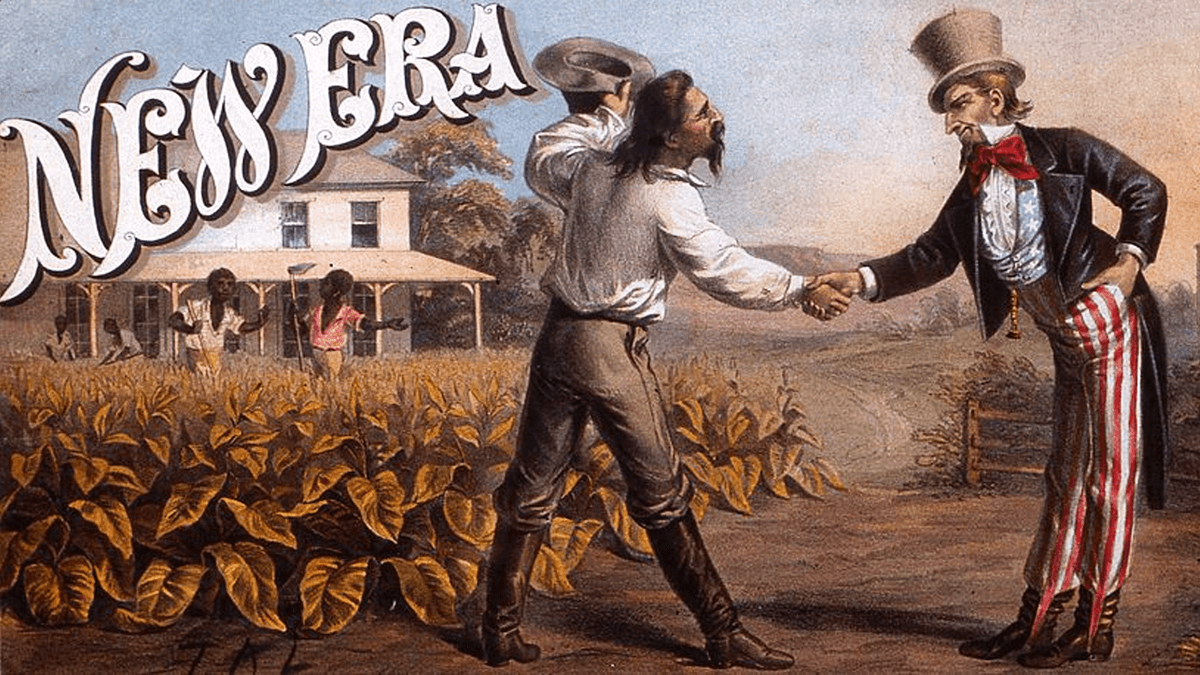
Reconstruction: Rebuilding a Nation and Redefining Freedom
After the Civil War, the United States faced the enormous task of reintegrating the South, securing rights for freedpeople, and redefining citizenship and equality. Reconstruction (1865–1877) was a bold experiment in democracy—filled with groundbreaking laws, historic firsts, and fierce backlash.
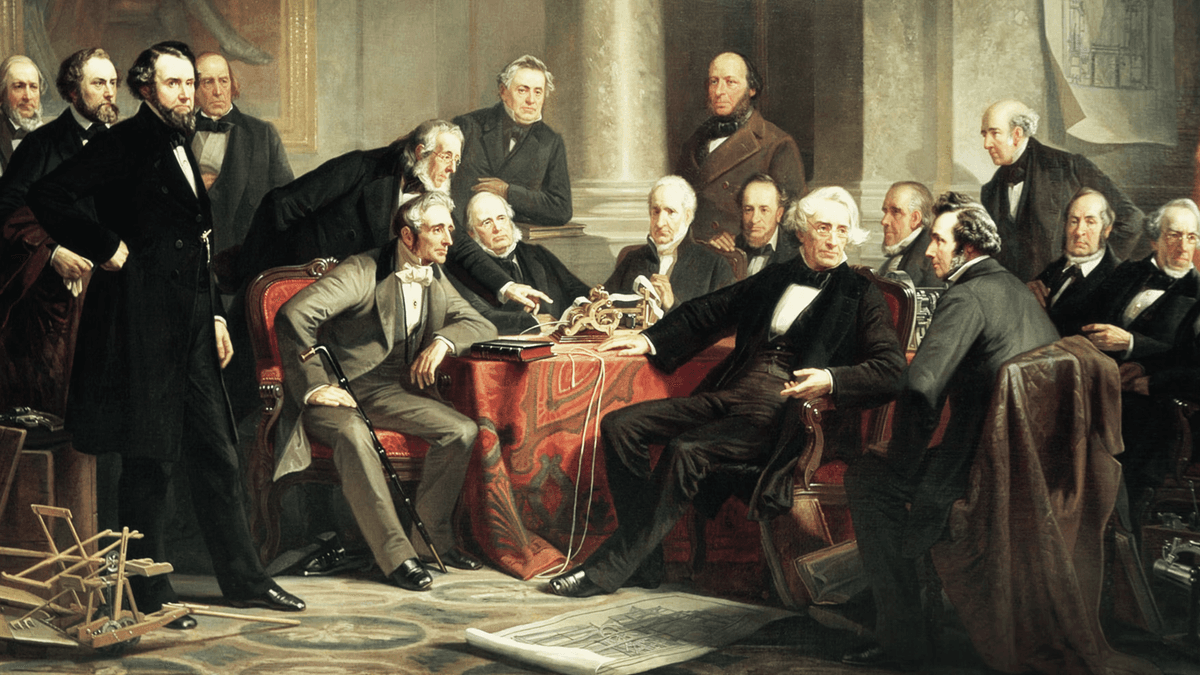
The Enlightenment: Revolution of the Mind
The Enlightenment wasn’t just an era of smart people in powdered wigs—it was a radical shift in how humans understood power, truth, and their place in the world. Its ideas fueled revolutions, rewrote constitutions, and laid the intellectual bricks of modern democracy.
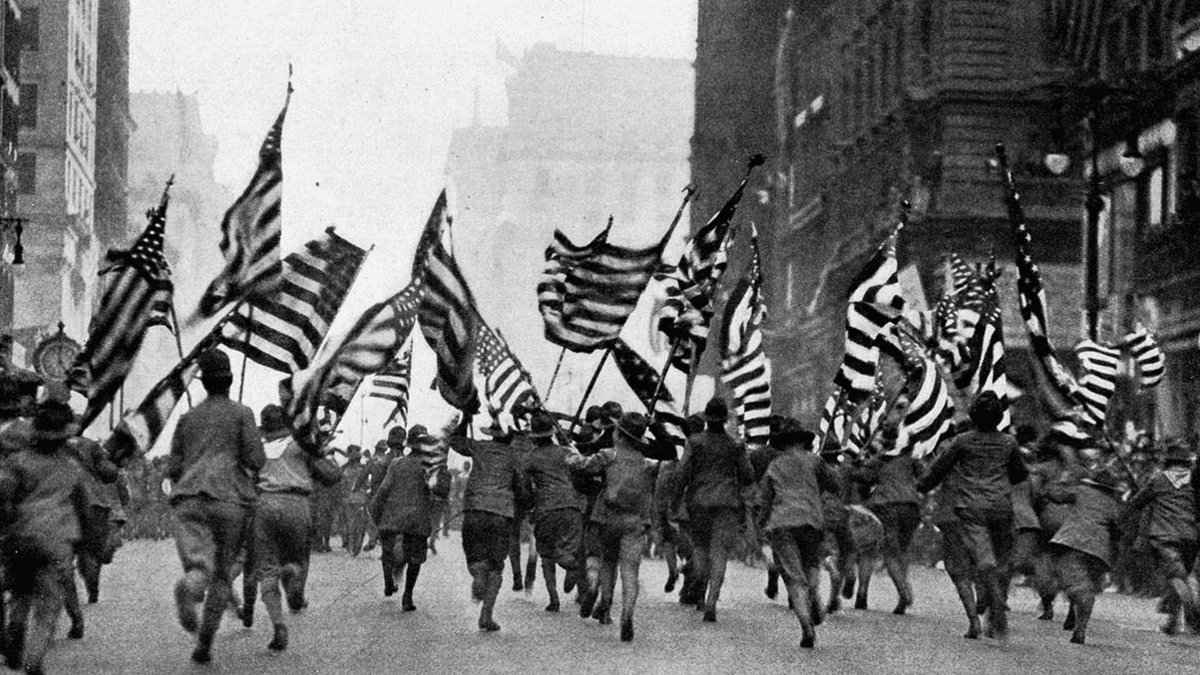
Why the United States Entered World War I
In 1917, after years of neutrality, the United States entered World War I—reshaping global politics and transforming life at home.
Further Reading
Stay curious!