

“Have You No Sense of Decency?”: The Day McCarthy’s Reign Cracked
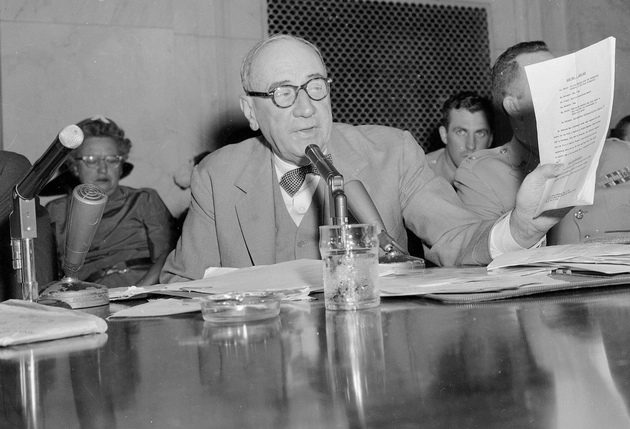
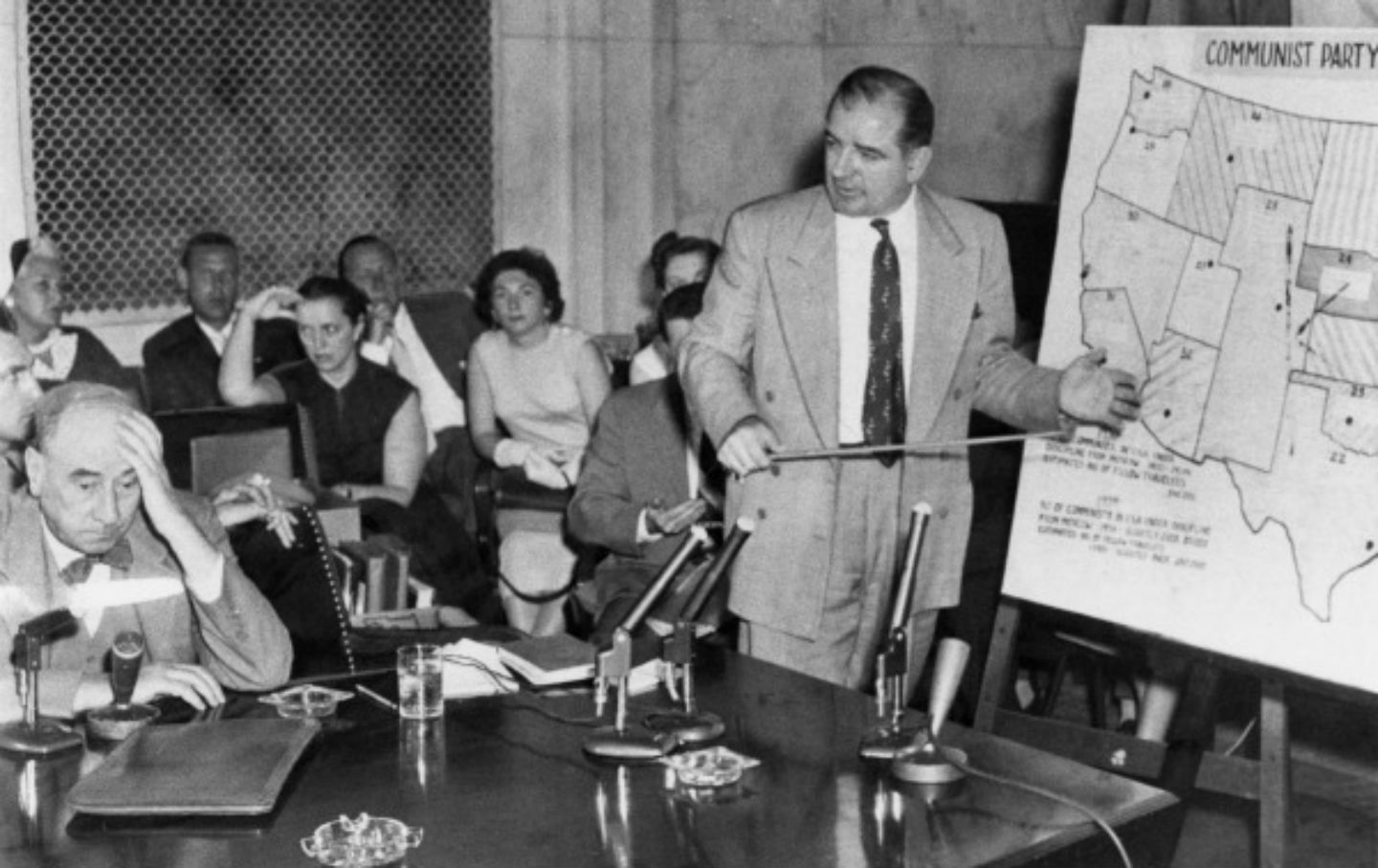
Joseph Welch during Senate hearings, challenging Senator Joseph McCarthy on live television.
What Happened?
It had been weeks of hearings—grueling, public, and increasingly absurd. Senator Joseph McCarthy, once untouchable, had turned his sights on the U.S. Army in a last-ditch effort to sustain his anticommunist crusade. His tactics? Accusation by association, doctored documents, character assassination, and endless interruptions screaming 'point of order!'
But Joseph Welch, a Boston lawyer representing the Army, didn’t flinch. He calmly countered McCarthy’s bluster with facts, logic, and wit. And then came the moment. When McCarthy tried to smear a young associate at Welch’s law firm as a communist sympathizer, Welch lost his restraint—and found his voice.
'Let us not assassinate this lad further, Senator. You have done enough. Have you no sense of decency, sir, at long last? Have you left no sense of decency?'
The room fell silent. And then erupted in applause.
That single question—posed not in fury, but in exhausted disbelief—punctured years of fear-driven conformity. McCarthy had overplayed his hand, and for the first time, the public recoiled. Newspapers, broadcasters, and politicians turned on him. By year’s end, the Senate would censure McCarthy, stripping him of power and prestige.
What followed was a sober reckoning. His hearings had ruined hundreds of lives, targeted immigrants, intellectuals, artists, and LGBTQ Americans—many of whom had no chance to defend themselves. His tactics ignited a national witch hunt that redefined 'un-American' as anything inconvenient or dissenting.
But June 9 reminded the country of something deeper: fear only wins when no one stands up. Welch’s words didn’t just silence a senator—they echoed through history as a call for courage, due process, and truth.
Why It Matters
Welch’s question cut deeper than a courtroom jab—it became a mirror. McCarthyism wasn’t just about one man. It was a culture of fear, where suspicion replaced evidence, and power trampled liberty. The moment Joseph Welch spoke up, he reminded America of the line between vigilance and villainy—and who we become when we stop defending that line.
?
How did the media—especially live television—impact the outcome of the Army-McCarthy hearings?
Why did so few people speak out against McCarthy before Welch?
What parallels do you see between the Red Scare and modern political fear tactics?
How can democratic societies balance national security with individual rights?
What does it take to speak truth to power when everyone else stays silent?
Dig Deeper
Watch the moment that shattered McCarthy’s grip on America—and explore the legacy of fear, propaganda, and resistance that defined the Red Scare era.
Related
The Declaration of Independence: Ideas, Action, and Aftermath
When the colonies declared independence, they didn’t just start a war—they launched an idea that would echo across centuries. But did America live up to it?
The Market Revolution: How Innovation Transformed America
In the early 1800s, America changed from a land of small farms to a booming nation of factories, railroads, and markets. The Market Revolution connected people, goods, and ideas—while also revealing deep inequalities in who benefited from progress.
The Haudenosaunee Confederacy: Indigenous Roots of American Democracy
Long before the Founding Fathers gathered in Philadelphia, a league of Native Nations had already established one of the world’s oldest participatory democracies—an Indigenous blueprint for unity, peace, and governance.
Further Reading
Stay curious!