

The Hanging of Bridget Bishop: Salem's First Step into Darkness
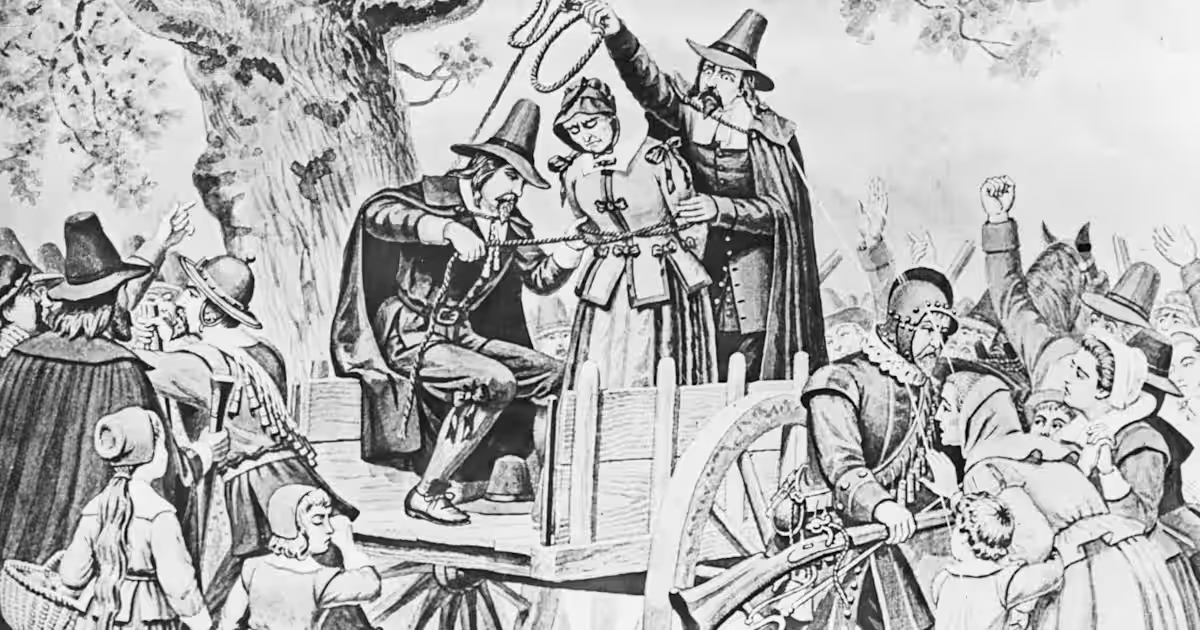
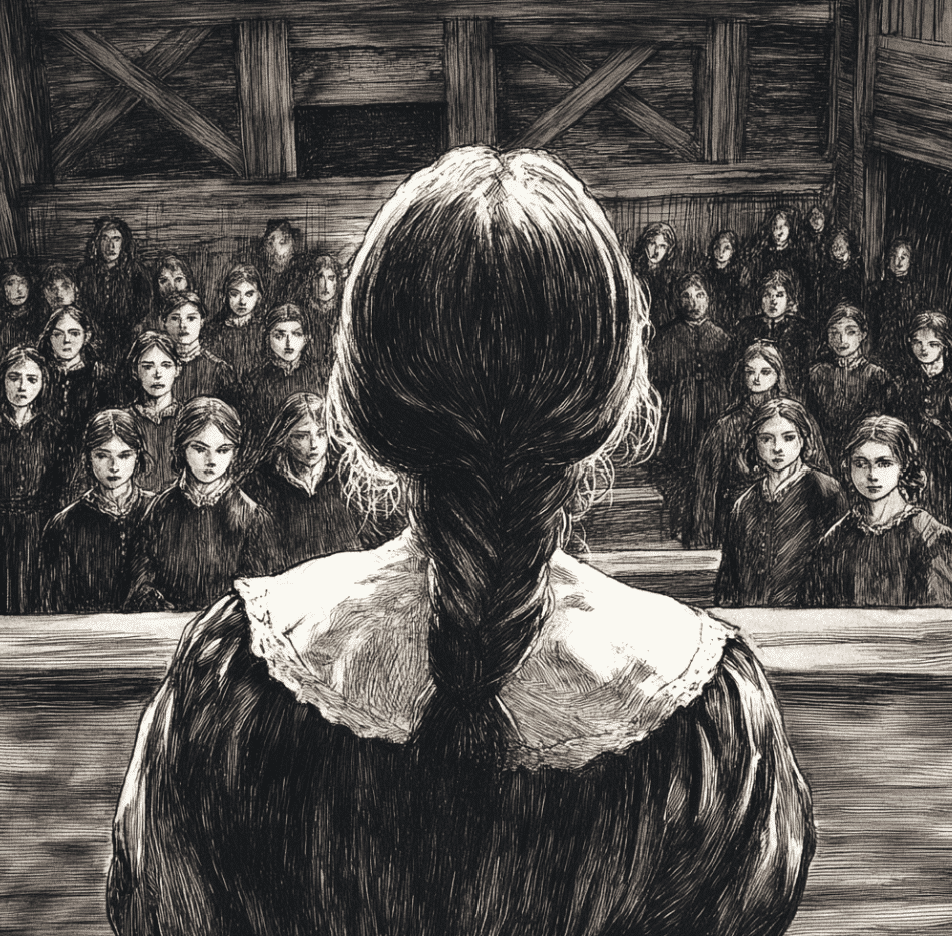
Bridget Bishop standing defiant at the gallows in colonial Salem.
What Happened?
In a colonial town obsessed with order, conformity, and righteousness, Bridget Bishop stood out like a torch in a tinderbox. Known for wearing bright clothes, hosting late-night gatherings, and being unafraid to speak her mind, Bishop was no stranger to scandal or suspicion. But in the hysteria of 1692, being different was enough to get you killed.
The trouble began with a few young girls and a doctor too eager to explain their mysterious fits. Witchcraft, they said. And under pressure, they named names, starting a wildfire of accusations that spread fast. On April 19, Bishop was arrested, and by June 2, her trial began. The girls convulsed in her presence, neighbors whispered of poppets and pigs, and judges saw what they wanted to see.
'I am as innocent as the child unborn,' she insisted. Despite pleading her innocence, Bishop was found guilty. On June 10, she was led from Salem jail to Proctor’s Ledge, where she was hanged. Seventeen more would follow. But Bishop was first, because her flamboyance made her easy to vilify.
Some called her a troublemaker. Others called her bewitched. But Bishop was, above all, inconvenient. She questioned norms, broke social rules, and lived in a way that made conservative Salem deeply uncomfortable. That was the real threat.
More than three centuries later, Bridget Bishop’s execution stands as a warning. About what happens when fear overrides reason. When justice is traded for spectacle. And when a society turns its own discomfort into someone else’s noose.
Why It Matters
Bridget Bishop’s death wasn’t just a product of paranoia, it was a blueprint for how societies scapegoat the bold, the different, the defiant. Her hanging was the first drop in a wave of injustice that would leave 19 dead, countless others imprisoned, and a legacy of shame. Salem teaches us that the real danger isn’t witchcraft, it’s a system that confuses dissent for danger and turns fear into policy.
?
Why do you think Bridget Bishop was singled out first, and how did her lifestyle challenge Puritan expectations?
What role did gender and appearance play in accusations during the Salem Witch Trials?
How do groupthink and mass hysteria contribute to injustice—and can you think of modern parallels?
What does it say about a society when people are punished for being 'different'?
How should we remember and learn from the lives of those like Bridget Bishop who were wrongfully executed?
Dig Deeper
Dig into how the infamous Salem Witch Trials began and why they remain a cautionary tale of the dangers of groupthink and scapegoating.
Related
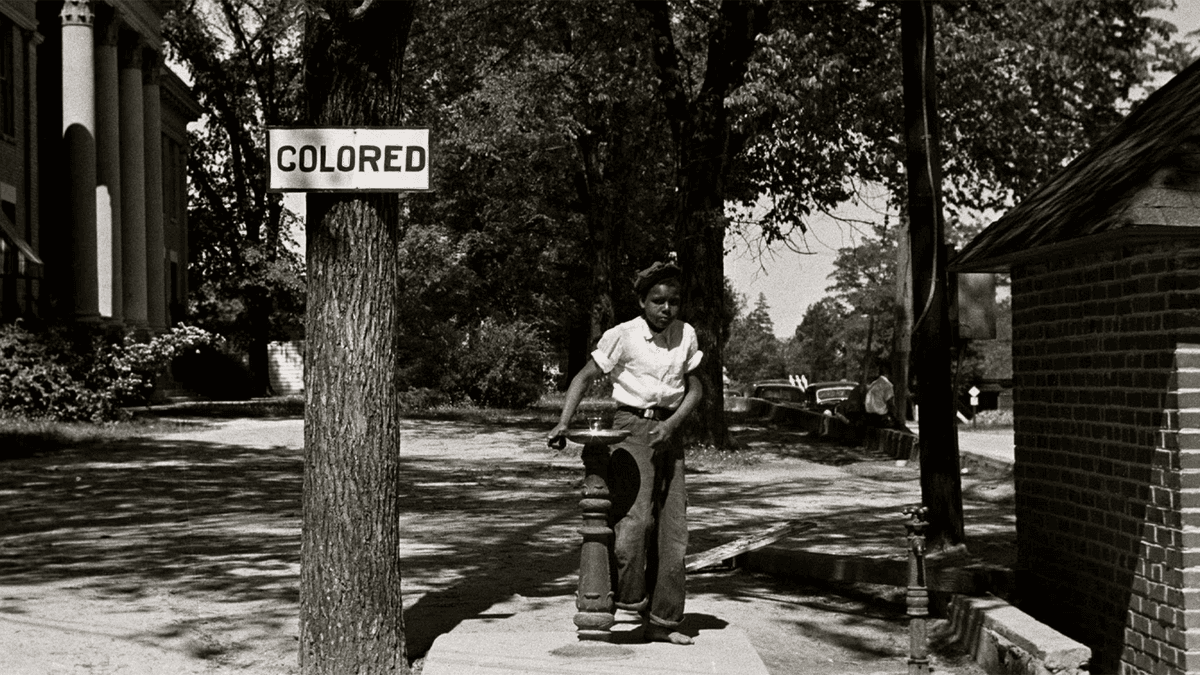
Jim Crow and Plessy v. Ferguson
After Reconstruction, the South built a legal system to enforce racial segregation and strip African Americans of political power. The Supreme Court’s Plessy v. Ferguson decision in 1896 made 'separate but equal' the law of the land—cementing injustice for decades.
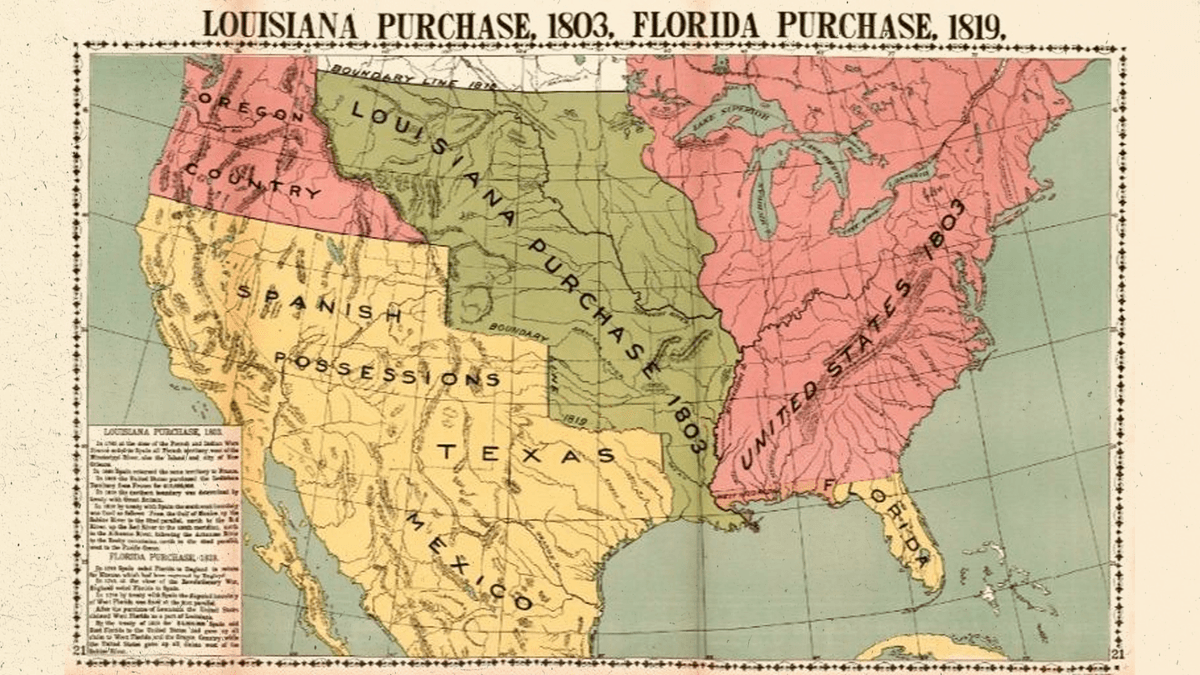
The Louisiana Purchase: A River, A Bargain, and a Bigger United States
In 1803 the United States bought the vast Louisiana Territory from France, doubling the nation’s size, securing the Mississippi River, and setting the stage for westward expansion and hard questions about slavery and Native sovereignty.
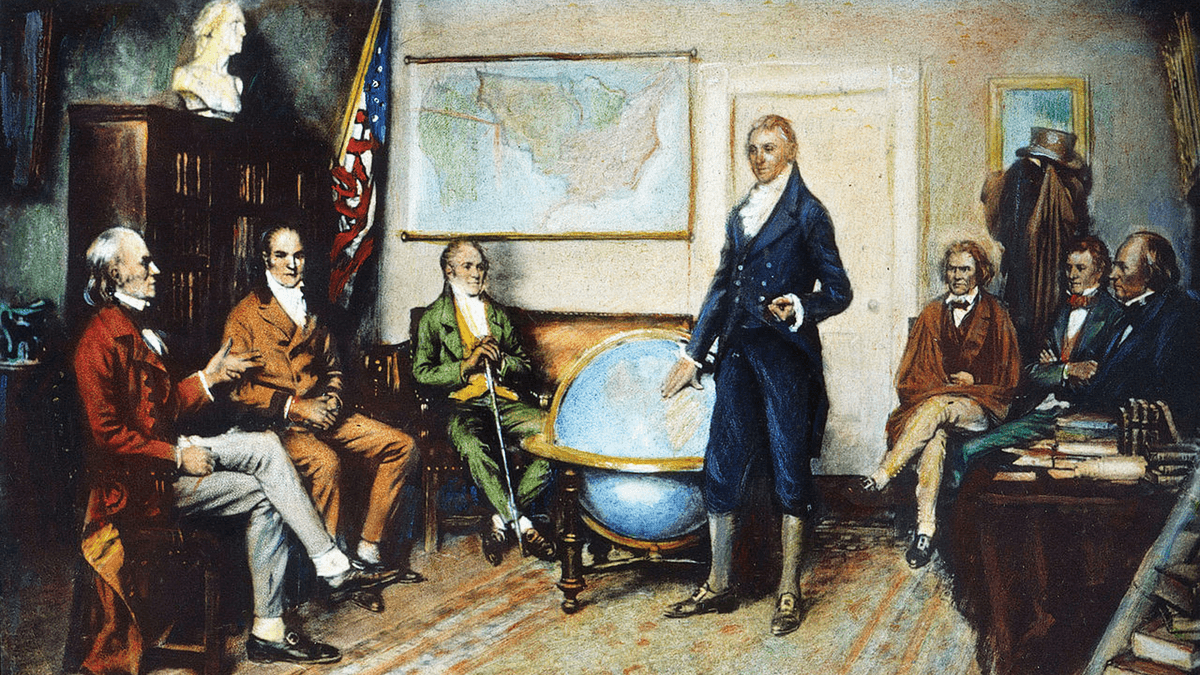
The Monroe Doctrine
How a young United States told the world to stay out of the Western Hemisphere—and what that meant for the Americas.
Further Reading
Stay curious!