

Standing in the Schoolhouse Door: Courage vs. Segregation
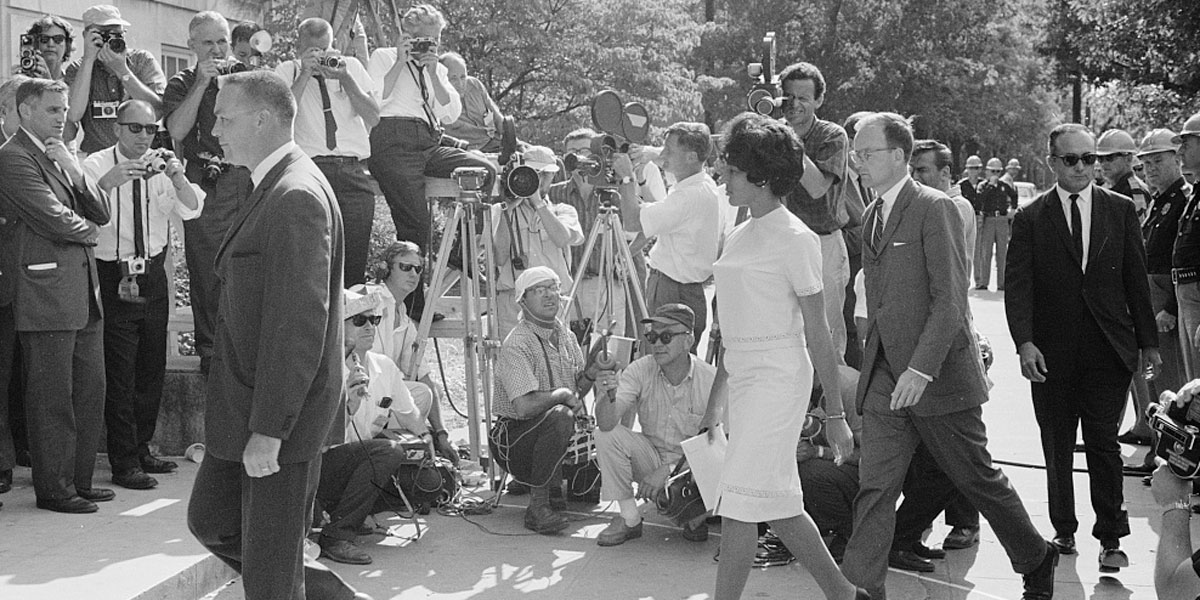
Governor George Wallace promised 'segregation forever,' but history had other plans.
What Happened?
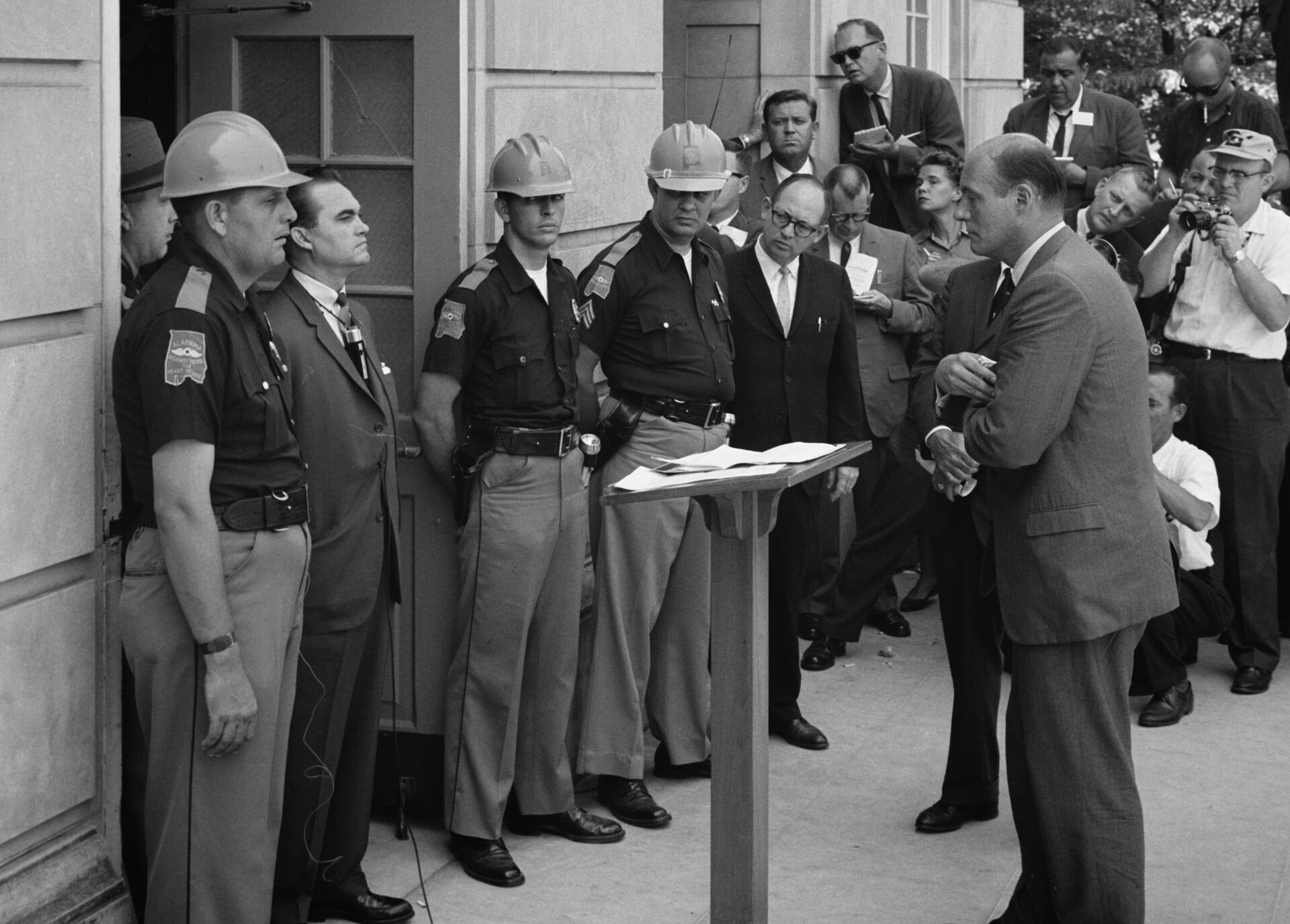
It was a made-for-TV standoff. Outside Foster Auditorium, Governor George Wallace stood in the doorway, trying to halt desegregation in Alabama. It was a symbolic gesture, but one backed by a long history of violence and oppression. Wallace wasn't just blocking students—he was trying to block progress.
On the other side of that doorway: Vivian Malone and James Hood, two African American students armed not with weapons, but with courage, conviction, and a federal court order. Days earlier, President Kennedy had federalized the Alabama National Guard to enforce desegregation—and now they were on the ground, ready to escort the students past Wallace’s posturing.
With cameras rolling and the nation watching, Deputy Attorney General Nicholas Katzenbach confronted Wallace. When the governor refused to budge, the National Guard stepped in. Major General Henry Graham, under orders from JFK, told Wallace: 'Sir, it is my sad duty to ask you to step aside.' Wallace moved. Malone and Hood enrolled.
That evening, President Kennedy gave a landmark speech declaring civil rights a moral issue—not just a legal one. A week later, he introduced what would become the Civil Rights Act of 1964. Malone and Hood's quiet steps through those doors echoed loudly across the country.
This wasn’t just a desegregation victory. It was a line drawn in history. The moment the myth of ‘separate but equal’ finally collapsed under the weight of justice. And it reminded America: when we say 'liberty and justice for all,' we either mean it—or we don't.
Why It Matters
This moment proved that real courage isn’t loud—it walks through doors meant to stay shut. It forced the federal government to put its weight behind civil rights, challenged the old order of white supremacy, and set in motion the passage of the Civil Rights Act. The image of Malone and Hood walking past Wallace is more than a photo-op—it’s a symbol of what happens when the arc of the moral universe starts to bend toward justice.
?
Why do you think President Kennedy chose to intervene directly in Alabama’s school desegregation?
What does the term 'states’ rights' mean, and how has it been used historically to oppose civil rights?
How did the media play a role in shaping national opinion about the Stand in the Schoolhouse Door?
What obstacles did Malone and Hood face beyond just entering the school, and what does that say about the struggle for civil rights?
How do we recognize the difference between symbolic resistance and actual power when it comes to civil disobedience or government action?
Dig Deeper
A powerful look at the events of June 11, 1963, when the University of Alabama was desegregated despite resistance from Governor George Wallace.
Related
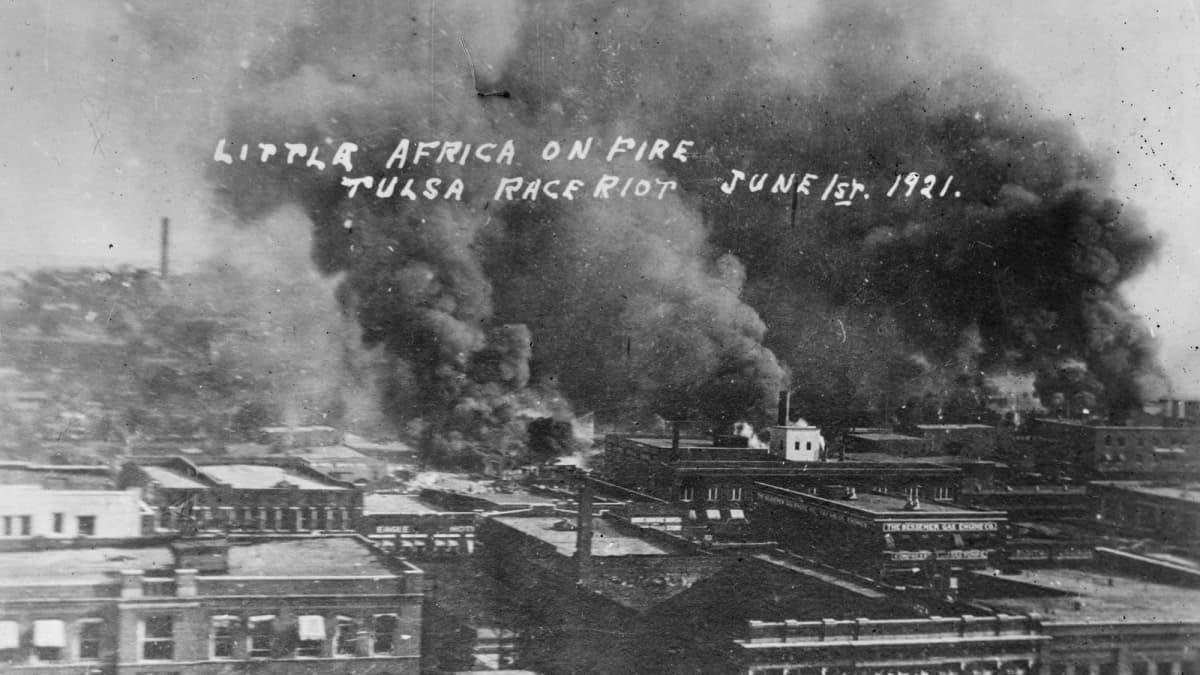
The Tulsa Race Massacre: Black Wall Street Burned
Greenwood was known as Black Wall Street—until a white mob burned it to the ground. The Tulsa Race Massacre wasn’t a riot. It was a coordinated attack. And it was nearly erased from history.
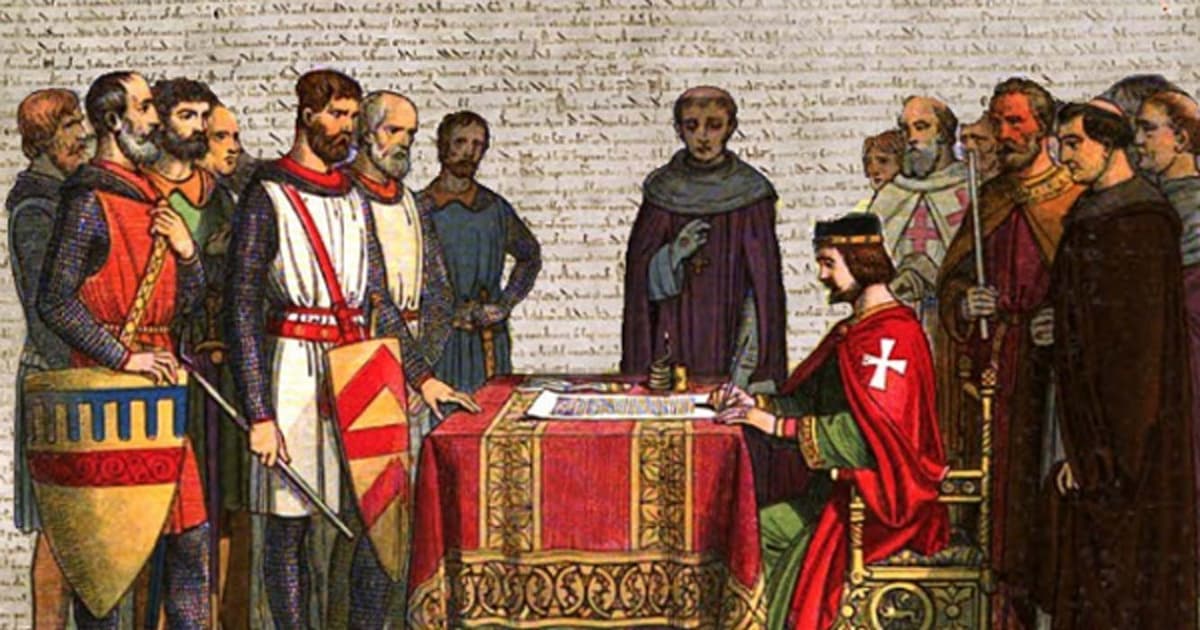
Magna Carta
On May 12, 1215, a gang of angry English barons forced King John into a corner—and launched a document that would echo across centuries. It wasn’t democracy, but it was a dent in the divine right of kings.
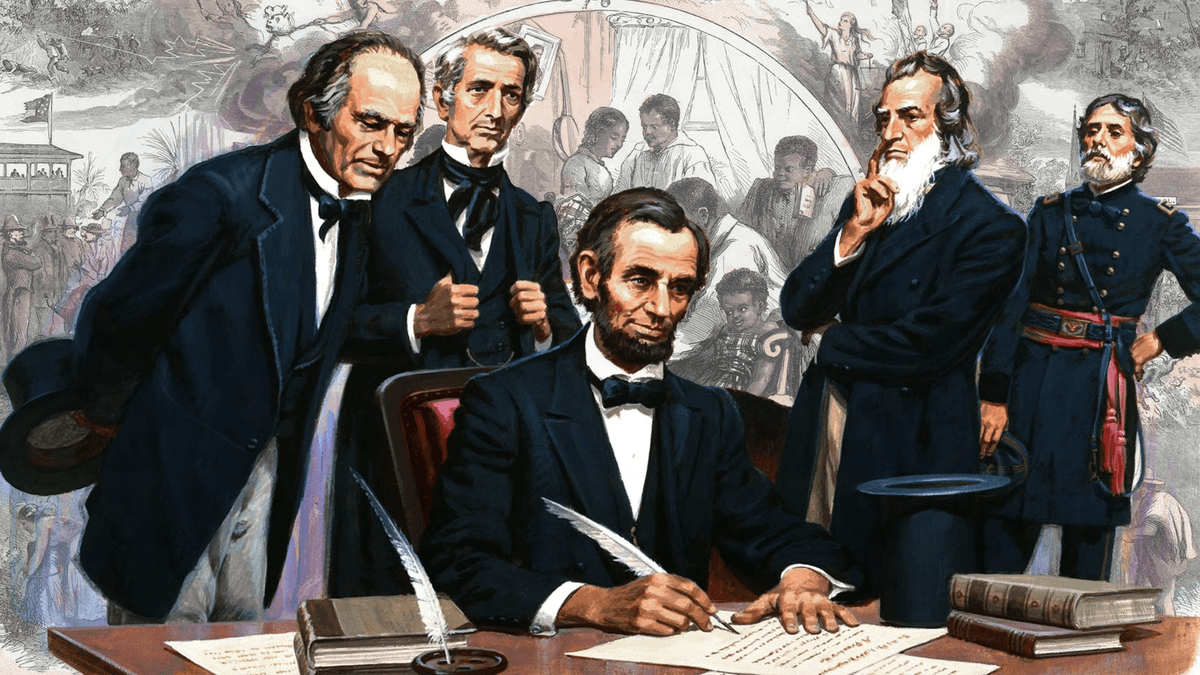
The Emancipation Proclamation & The 13th Amendment
Freedom on paper is one thing; freedom in practice is another. The Emancipation Proclamation and the 13th Amendment were giant leaps toward liberty—yet the road ahead for formerly enslaved people was long and uneven.
Further Reading
Stay curious!