

Mr. Gorbachev, Tear Down This Wall!
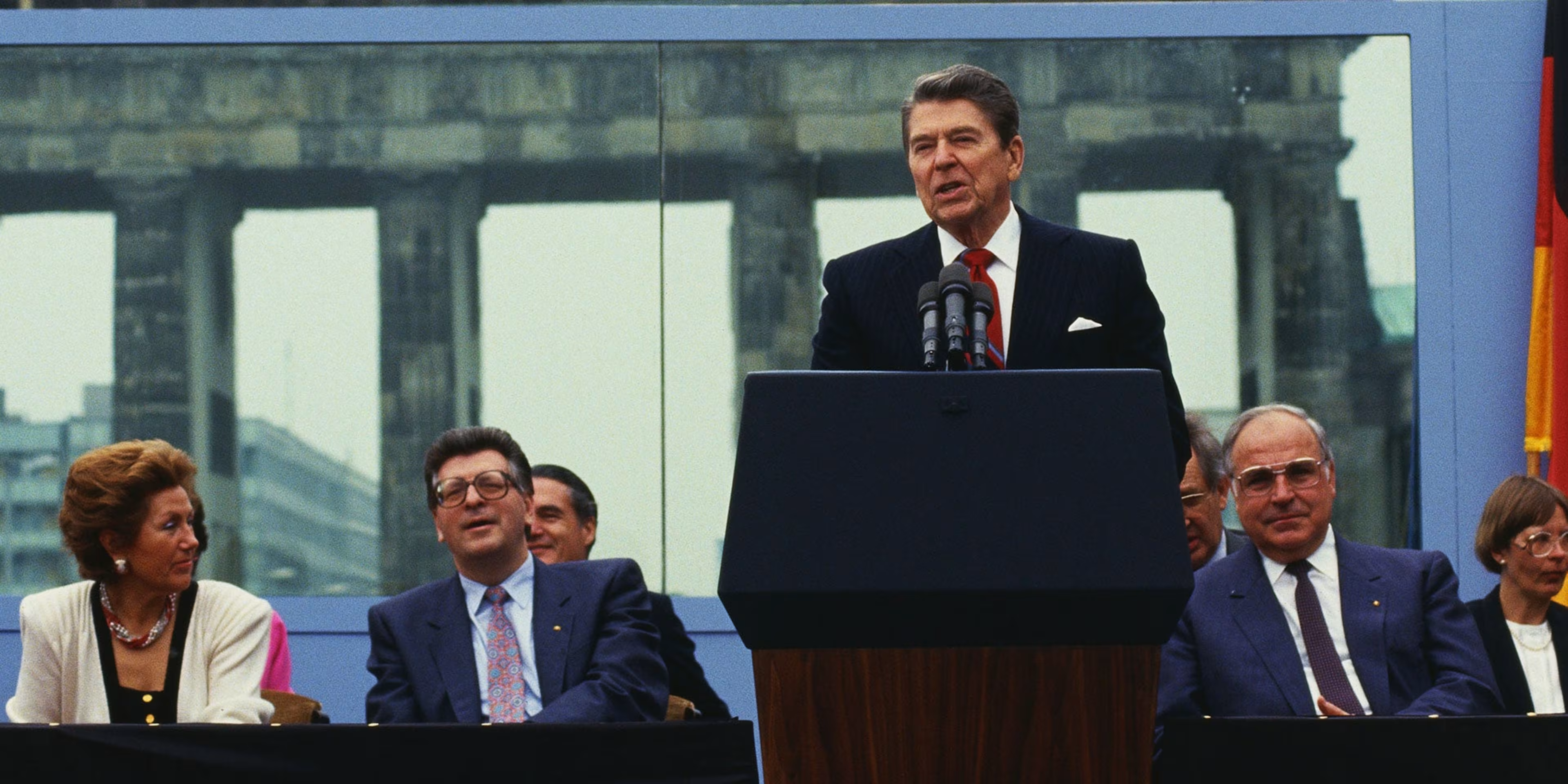
President Ronald Reagan delivering his speech at the Berlin Wall, with the Brandenburg Gate behind him.
What Happened?
By 1987, the Berlin Wall had stood for 26 years—concrete, steel, and ideology dividing East and West. But cracks were beginning to show. Soviet reforms, Eastern Bloc protests, and mass defections were building pressure. Into this volatile moment stepped Ronald Reagan, the 40th president of the United States, delivering what would become one of the most iconic lines of the Cold War.
At the Brandenburg Gate, Reagan didn’t mince words: 'If you seek peace… Mr. Gorbachev, tear down this wall!' Behind the scenes, even his own advisers tried to delete the line. But Reagan insisted. And while pundits and diplomats dismissed it as political theater, the people behind the wall heard it as something else—hope.
The Berlin Wall wasn’t just bricks and barbed wire. It was a daily reminder of repression. Families split. Dissent crushed. Escapes turned deadly. Over 140 East Germans died trying to flee. Reagan's speech gave voice to what millions already felt: this division had to end.
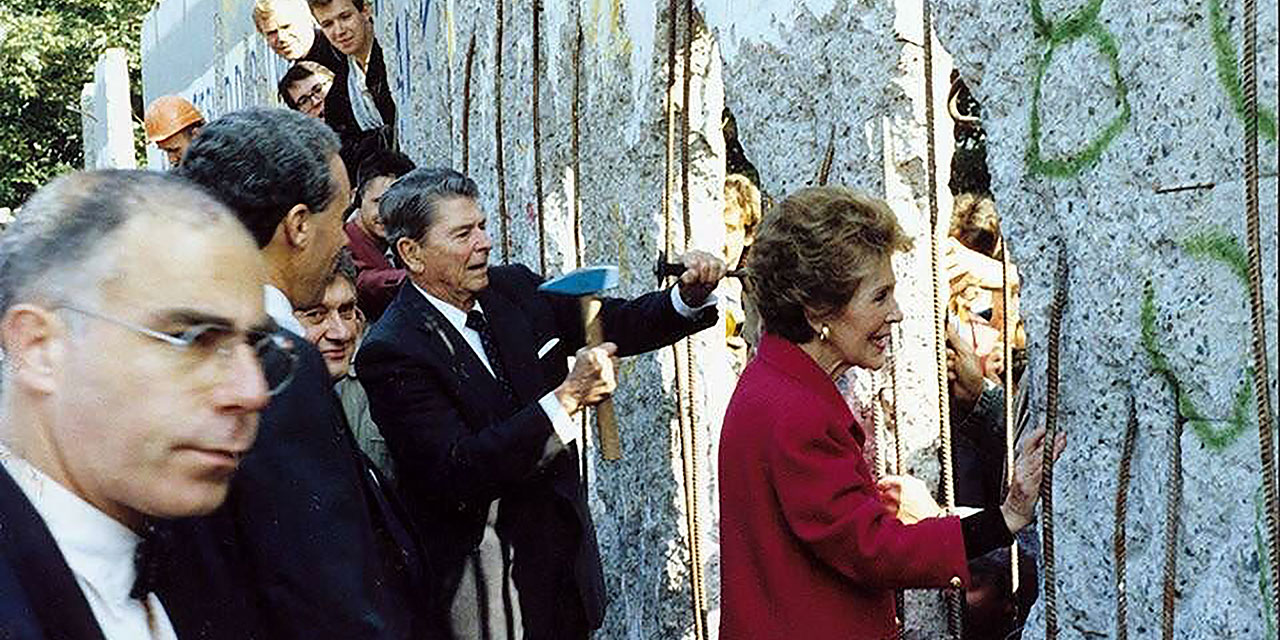
Two years later, it did. On November 9, 1989, East and West Berliners took sledgehammers to history. The wall came down, and with it, the Cold War’s most visible scar. While no single speech toppled an empire, Reagan’s challenge symbolized a shift—a growing wave of resistance, reform, and reunification that reshaped Europe.
Reagan’s critics once called it naïve. Gorbachev called it unremarkable. But history? History remembers it as a turning point—a demand not just for open borders, but for open societies.
Why It Matters
Walls don’t just divide land—they divide lives. Reagan’s challenge cut through diplomatic fog and said what needed to be said: freedom can’t coexist with concrete cages. The speech echoed what millions believed but were afraid to voice. And while the wall didn’t fall that day, it began to wobble. Words matter—especially when they’re backed by courage and timing. This wasn’t just Cold War posturing. It was a crack in the Iron Curtain—and the beginning of something freer.
?
Why was the Berlin Wall such a powerful symbol of the Cold War?
How did Reagan’s challenge to Gorbachev differ from previous U.S. presidential policies like détente?
What role did ordinary people in East Germany and Eastern Europe play in bringing down the wall?
Why do you think Reagan’s speech was initially downplayed by media and diplomats?
Can a single speech really influence global politics—or is it the movements behind the scenes that matter most?
Dig Deeper
A deep dive into the history of the Berlin Wall—how it began, what it symbolized, and how it finally came down, brick by brick.
Related
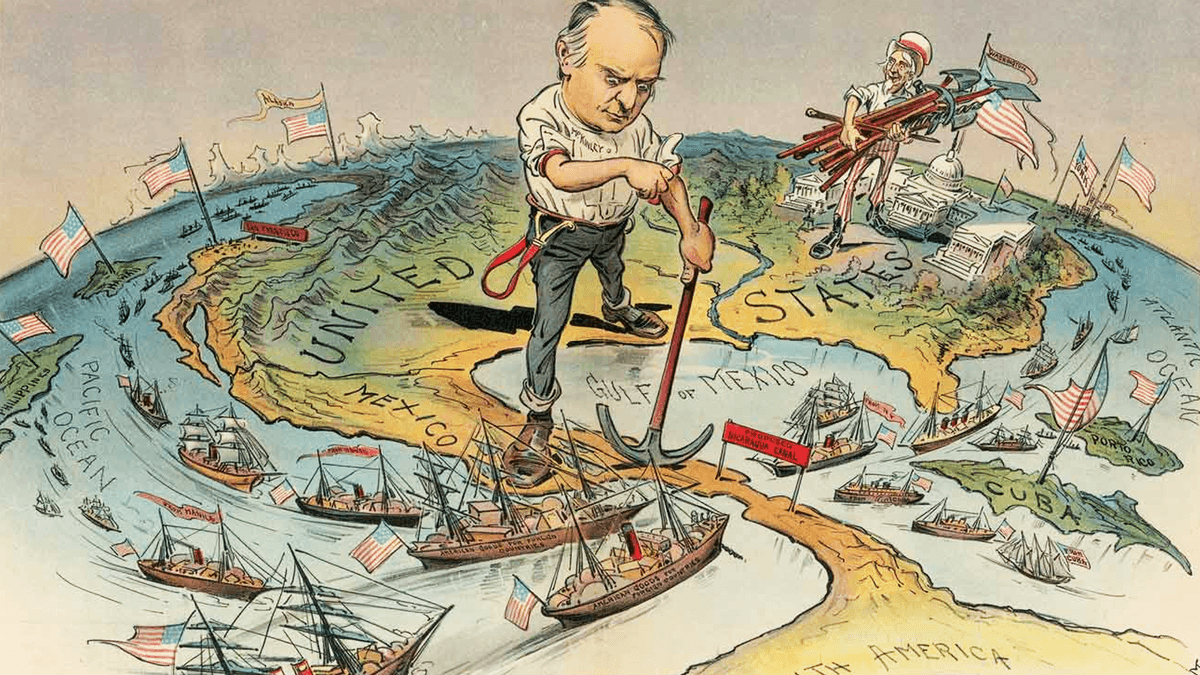
U.S. Imperialism: The Spanish-American War and Its Aftermath
In 1898, the United States fought Spain in a short war that reshaped its identity—from a republic born in anti-colonial revolution to a global imperial power with overseas territories.
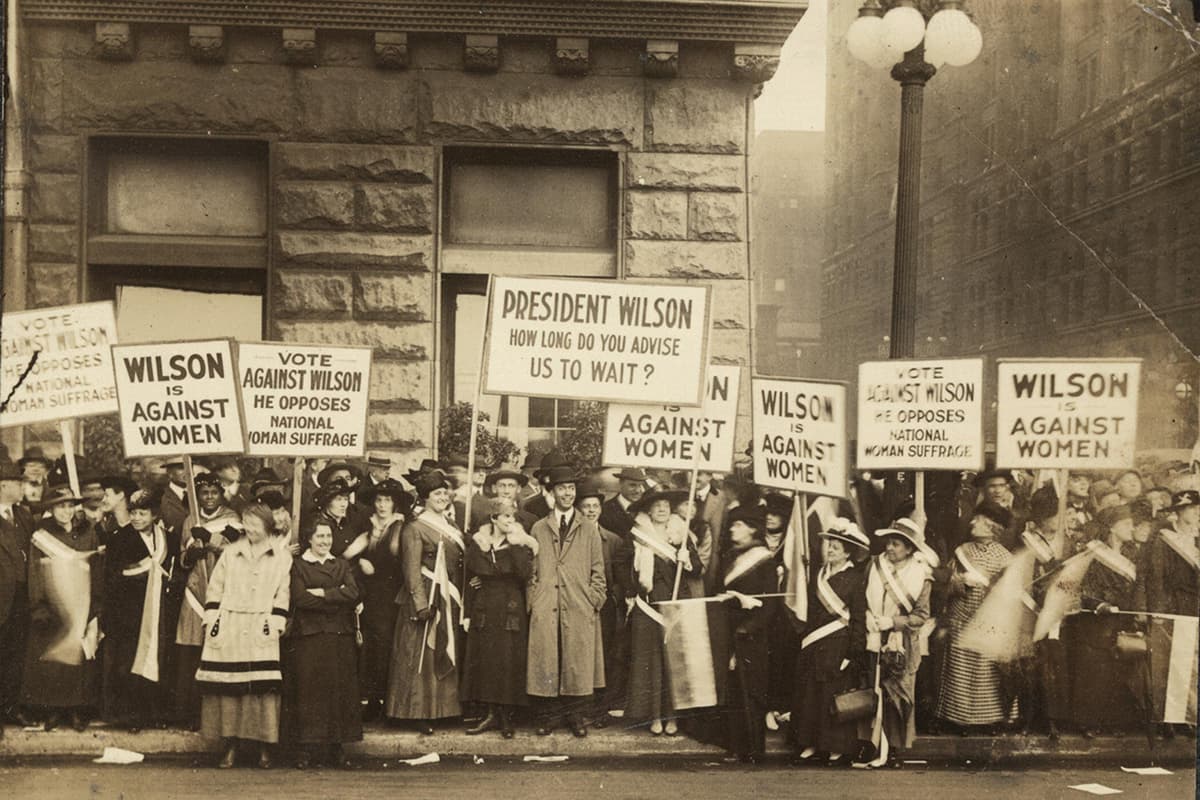
Votes for Women: The Fight for the 19th Amendment
It took more than 70 years of protests, petitions, and picket lines to win the right for women to vote in the United States. The 19th Amendment didn’t just expand democracy—it redefined it.
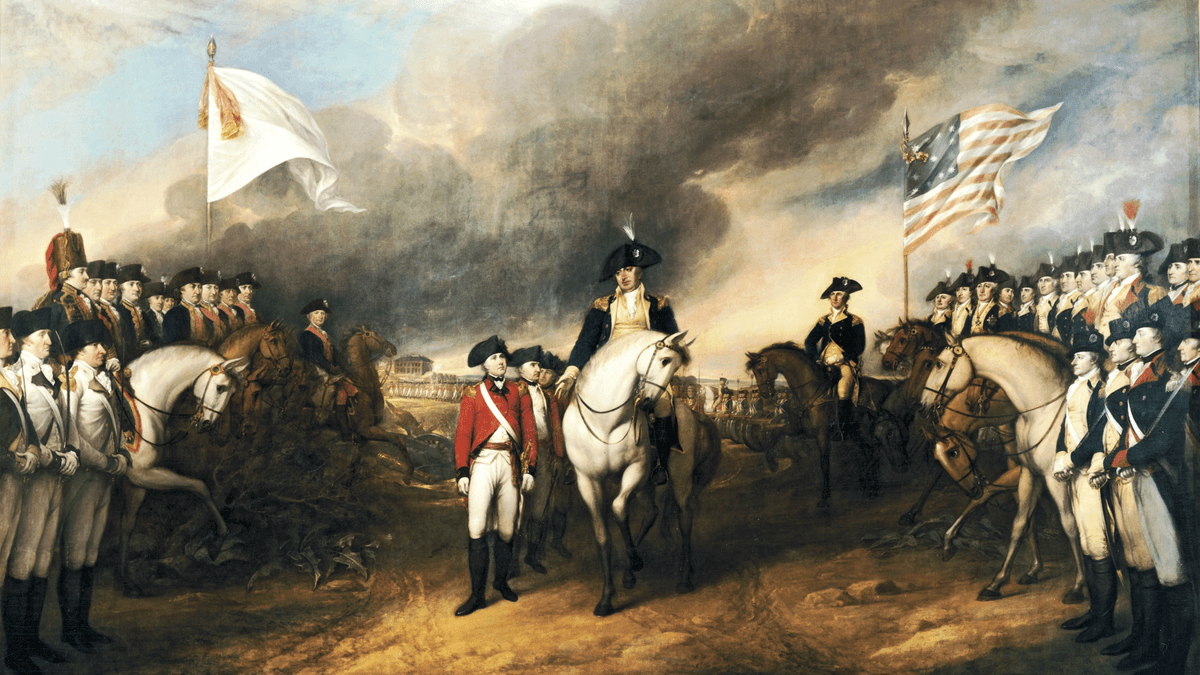
American Revolutionary War: From Protest to a New Nation
How arguments over taxes and rights grew into an eight-year war—and how ideas, allies, and perseverance turned thirteen colonies into the United States.
Further Reading
Stay curious!