

The First March: The U.S. Army Is Born
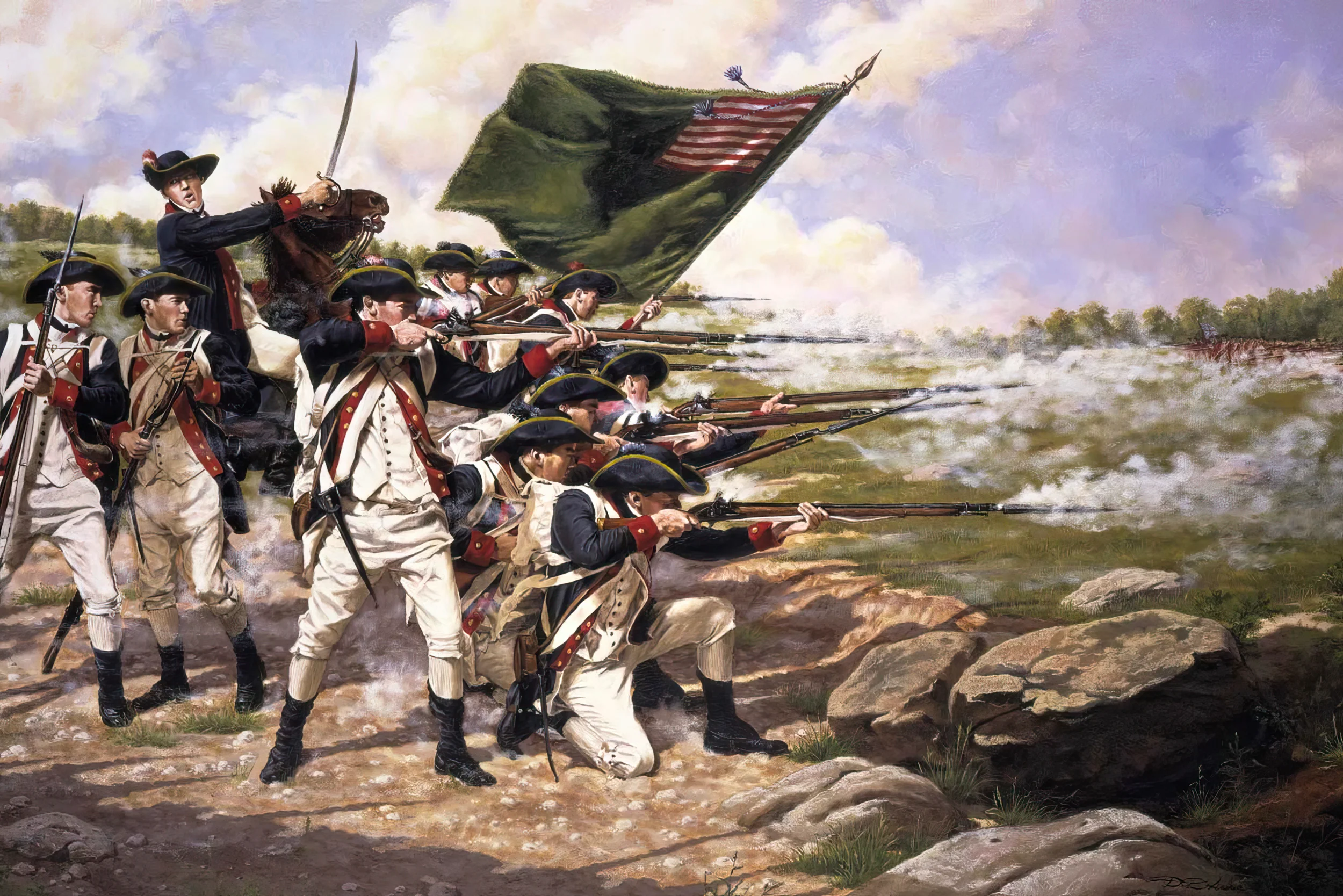
On June 14, 1775, thirteen quarrelsome colonies made their first real collective move toward nationhood: they created the U.S. Army.
What Happened?
By the summer of 1775, the shot heard ’round the world had already been fired. Militia fighters had clashed with British regulars at Lexington and Concord. Boston was under siege. The colonies were simmering with rebellion—but they weren’t yet united.
Enter the Continental Congress. On June 14, they passed a resolution to form an army—not a local militia, but a force representing all thirteen colonies. It would draw expert riflemen from Pennsylvania, Maryland, and Virginia to join the siege of Boston. This wasn’t just about guns. It was about identity. It was the moment America began to see itself not just as a rebellion—but as a people.
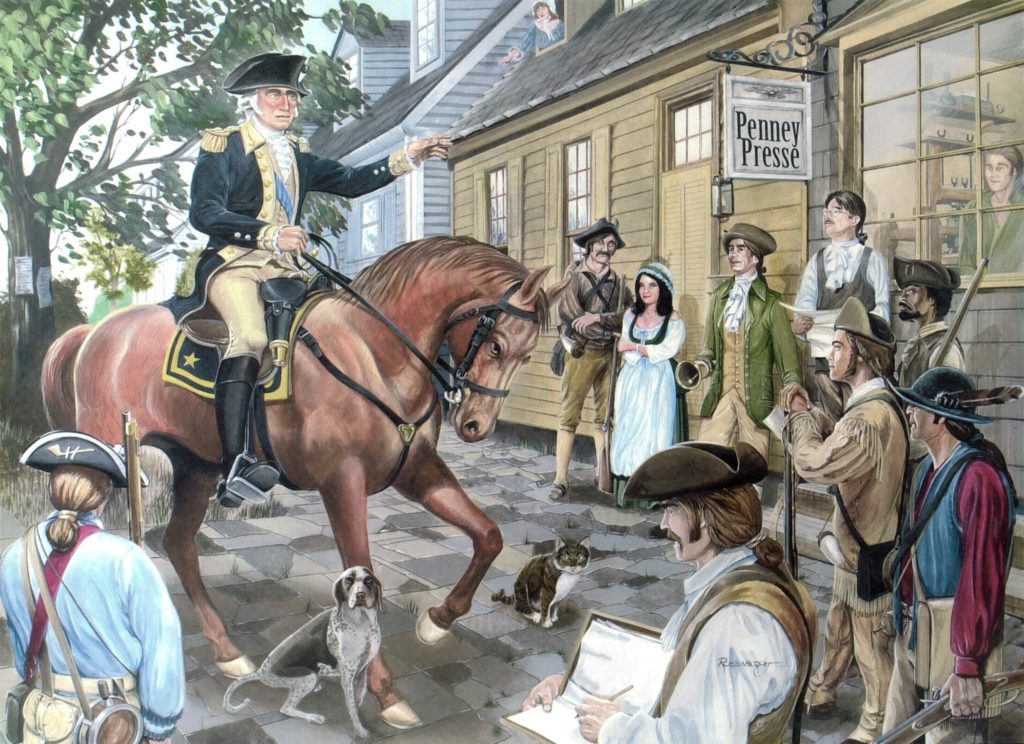
They called it the Continental Army. And one day later, they named its commander: George Washington. Virginian, veteran, and symbol of cross-colony unity. With his appointment came the hope of transforming scattered resistance into strategic revolution.
The Infantry came first. Then engineers, medics, quartermasters, and chaplains. It wasn’t polished. It wasn’t pretty. But it was a foundation. In time, it became the backbone of independence, carrying the colonies through an eight-year war against the world’s most powerful empire.
This new institution—born of emergency, bound by purpose—outlasted the war it was created to fight. And when the war ended, it stayed. The Army became more than a tool of defense. It became a symbol of national identity, a keeper of public trust, and the earliest sign that this fragile experiment in democracy might just endure.
And yet, it almost didn’t. In 1783, frustrated by unpaid wages, officers in New York considered mutiny. It took George Washington—again—to quiet the storm. With a few measured words and a reminder of what was at stake, he reaffirmed the Army’s loyalty to the civilian government and helped preserve the republic.
June 14 marks more than the Army’s birthday. It marks the first time the United States acted like a united states. Before there was a flag, a president, or a Constitution—there was this: a group of farmers, merchants, and visionaries standing together and saying, we will defend each other.
Why It Matters
The birth of the Army wasn’t about conquest—it was about conscience. It was the first act of unity in a land still divided, a force forged not for empire, but for liberty. It reminds us that democracy doesn’t protect itself. It must be defended—with arms, with courage, and with an unwavering belief in the idea of a people rising together. From that first rifle company to the soldiers of today, the U.S. Army began as—and remains—a promise to one another.
?
Why did the colonies need a unified army rather than relying on local militias?
What made George Washington the ideal choice for commander in chief?
How did the formation of the Continental Army help shape American identity?
What lessons does the 1783 Newburgh Conspiracy teach us about civilian control of the military?
How do modern armies balance national defense with democratic values?
Dig Deeper
American history author David McCullough discusses the challenges George Washington faced in commanding the Continental Army during the American Revolution.
Related
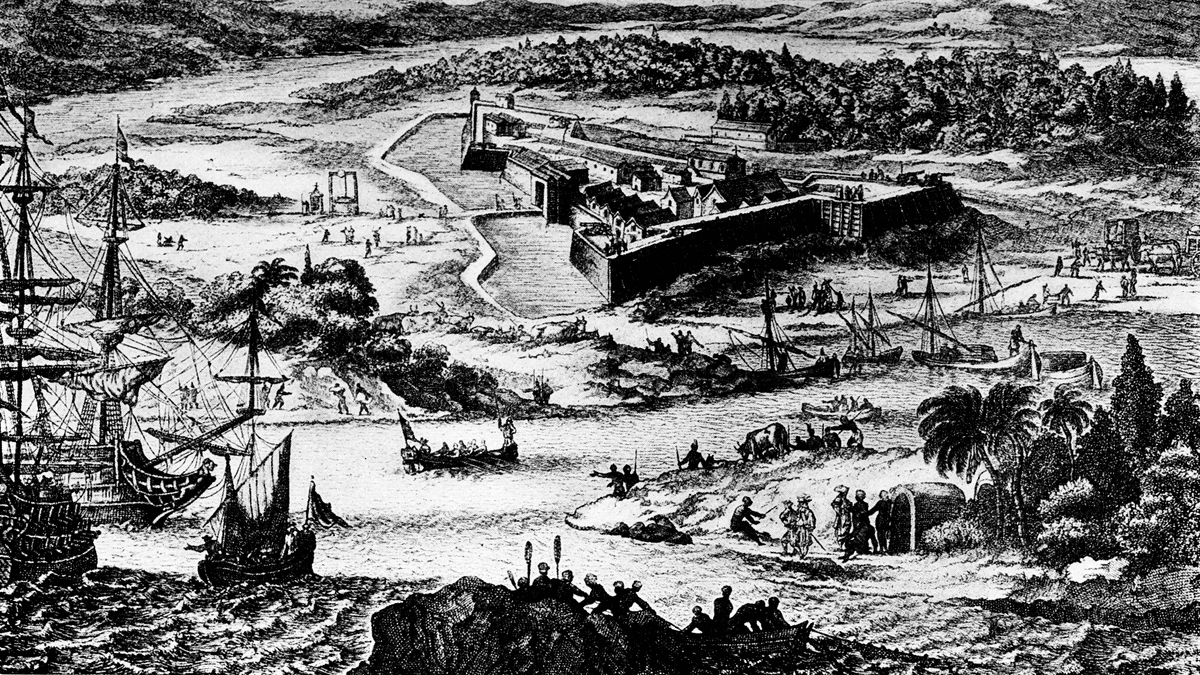
U.S. Geography: How the Land Shaped a Nation
Before the United States was born, geography shaped how people lived, worked, and fought over this land. From the Appalachian Mountains to the Great Plains, the natural landscape influenced settlement, culture, and history.
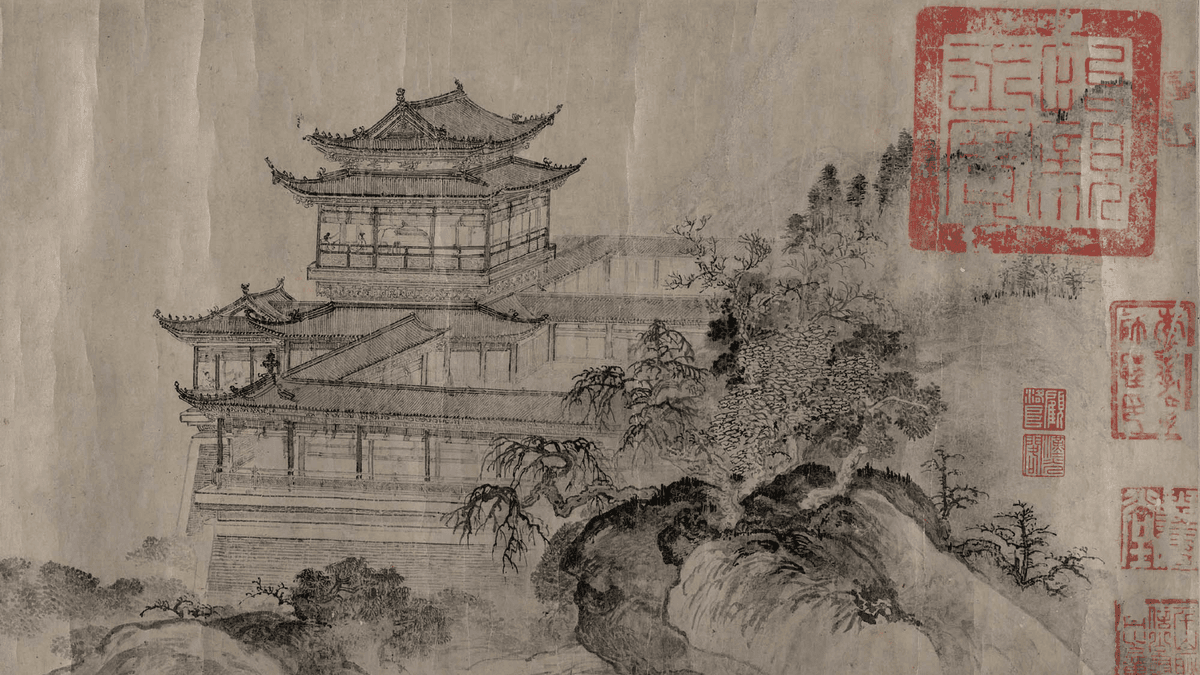
Developments in East Asia, 1200–1450
From Confucian bureaucracies to booming cities, East Asia between 1200–1450 reshaped global politics, culture, and technology.
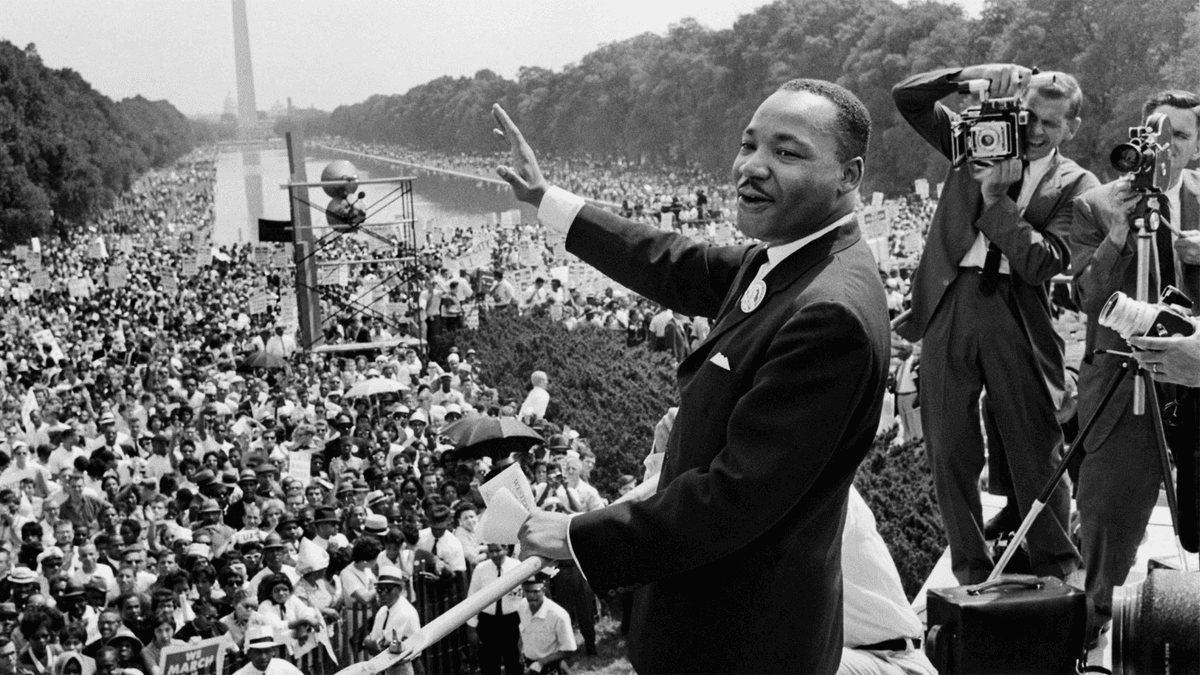
The Civil Rights Movement: Struggle, Solidarity, and Social Change
From classrooms to courthouses, buses to bridges, the Civil Rights Movement reshaped America’s laws — and its conscience.
Further Reading
Stay curious!