

The House Divided Speech: Lincoln Draws the Line
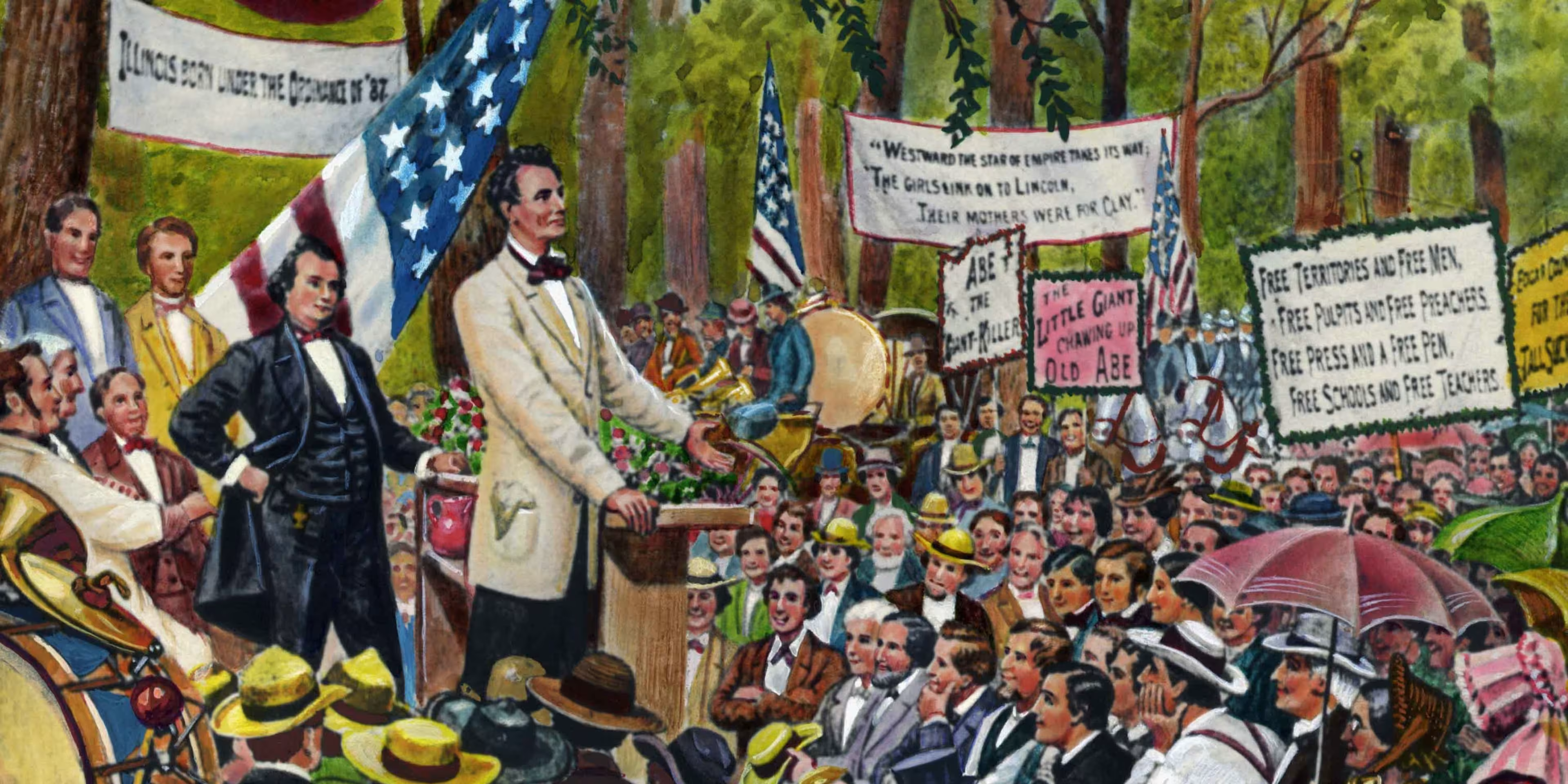
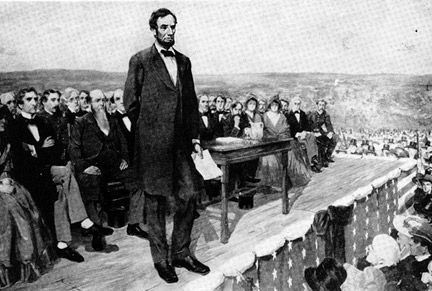
Abraham Lincoln standing at a podium delivering his House Divided speech to the Illinois Republican Convention.
What Happened?
Lincoln had just secured the Illinois Republican nomination for Senate. But he wasn’t here to celebrate. He was here to warn. Slavery, he said, had infected the legal system, crept into free states, and threatened the very survival of the Union.
His words—'A house divided against itself cannot stand'—weren’t just biblical poetry. They were a political line in the sand. Lincoln argued that compromise had failed, and that the Dred Scott decision had set a dangerous legal precedent that would let slavery spread to every corner of the nation.
Most Americans weren’t ready to hear it. Even some of Lincoln’s allies thought he was going too far. They feared the speech would make him sound like a radical. It did. And it cost him the Senate race.
But what it lost in votes, it gained in vision. Lincoln’s moral clarity grabbed the nation’s attention. The speech planted seeds that would grow into the Republican platform—and sprout again two years later when Lincoln won the presidency.
Today, the 'House Divided' speech is remembered not just as a warning about slavery, but as a warning about moral compromise. It asked a timeless question: how long can a country built on freedom tolerate injustice before the cracks split the foundation?
Lincoln wasn’t calling for civil war. He was trying to prevent it. But in naming the crisis so clearly, he made it impossible to ignore. And when war eventually came, his words stood like a compass pointing north—toward justice.
Why It Matters
This wasn’t just political strategy. It was a moral reckoning. Lincoln forced America to confront a foundational contradiction: a nation claiming liberty while protecting bondage. The speech didn’t just reveal a divide—it declared that neutrality was no longer an option. When governments tiptoe around injustice, they don’t preserve peace—they prolong the pain. In every era where rights are under threat, Lincoln’s line echoes: which side are you on?
?
How did Lincoln’s 'House Divided' speech challenge political norms of the time?
Why did Lincoln believe the Dred Scott decision endangered the entire country?
How did this speech influence the Republican Party’s direction leading into the Civil War?
Why was the idea of 'popular sovereignty' so controversial in the slavery debate?
Can you think of other times in U.S. history when moral clarity cost politicians votes—but earned them legacy?
Dig Deeper
An in-depth look at Lincoln’s pivotal speech and how it signaled a coming storm over slavery and the survival of the Union.
Related
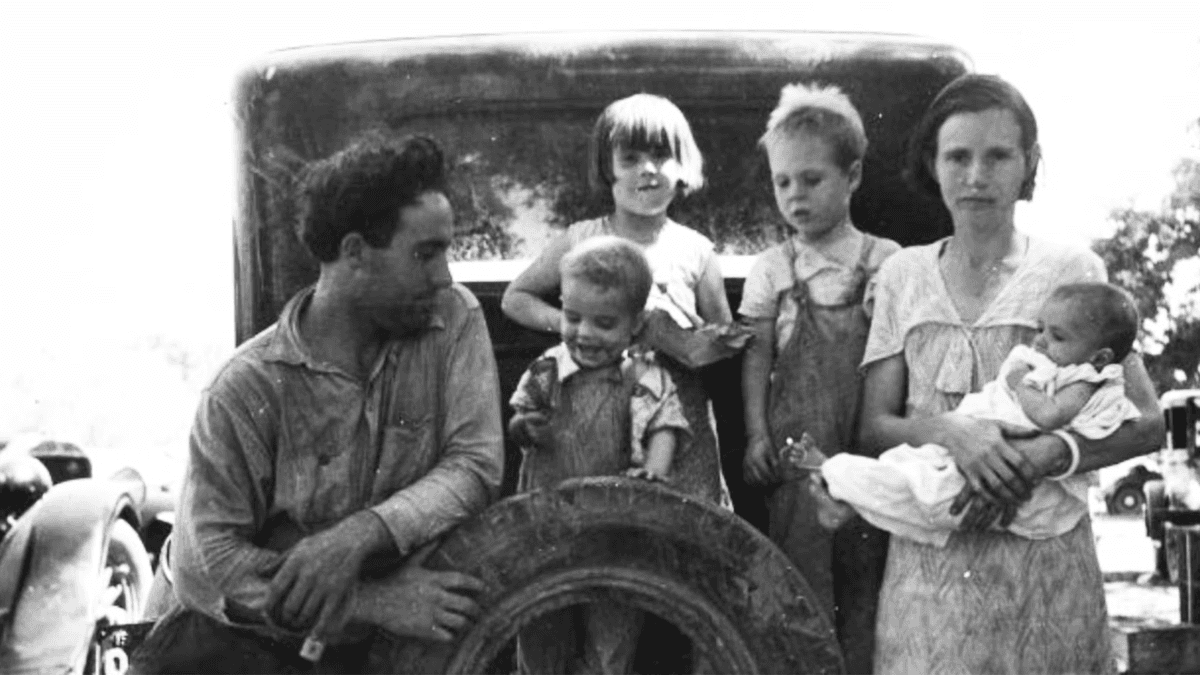
The Great Depression: America in Crisis
The Great Depression was more than a stock market crash — it was a decade-long test of American resilience that reshaped the nation's economy, politics, and daily life.
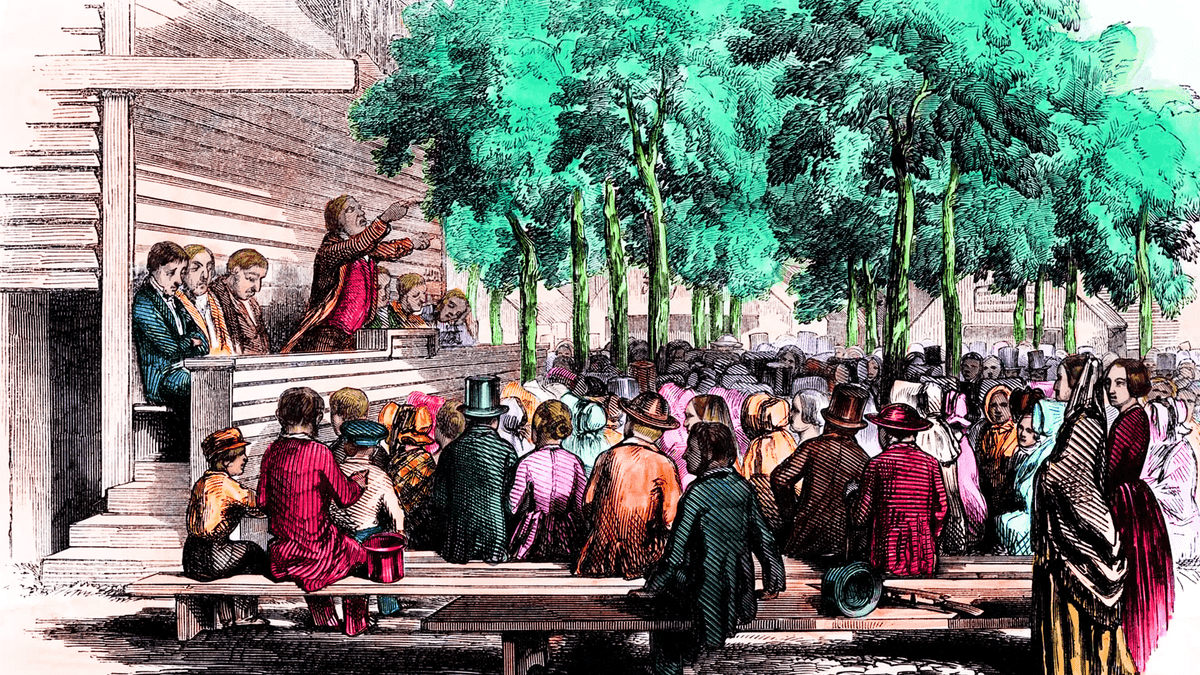
The First Great Awakening: Faith, Fire, and a New American Identity
Long before the Revolution, a different kind of rebellion was stirring, one in the soul. The First Great Awakening reshaped American religion and helped plant the seeds of self-government and democratic identity.
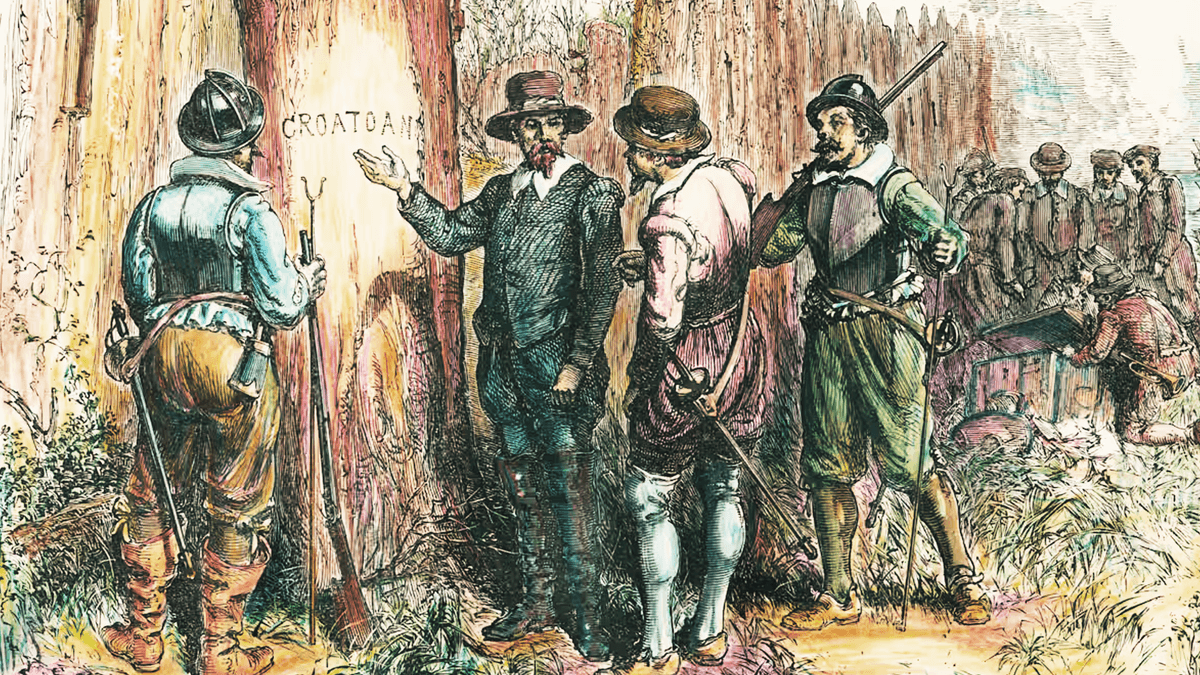
English Colonization: Roanoke, Jamestown, and Early Settlements
From vanished colonies and tobacco empires to pirates and indigenous resistance, the story of England’s first attempts at colonization in North America is anything but boring.
Further Reading
Stay curious!