

Liberty Lands: 350 Pieces, One Powerful Idea
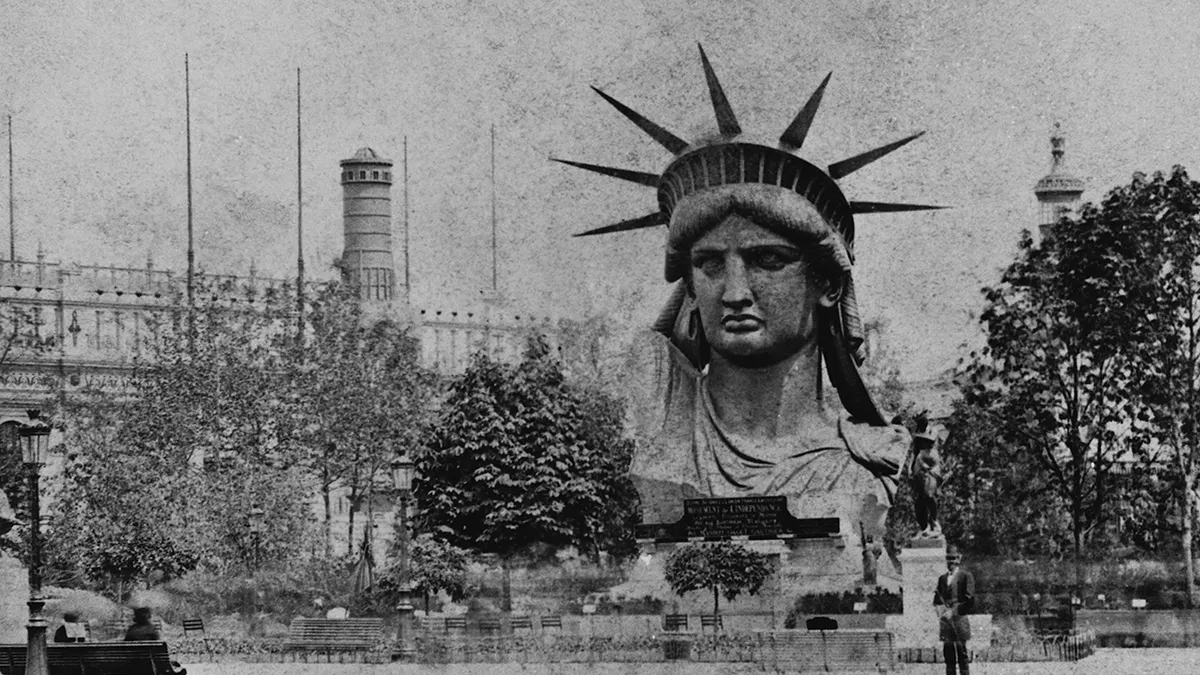
On June 17, 1885, the world’s most famous statue arrived not as a monument, but as a promise. A promise of friendship. Of freedom. Of a future where liberty would light the way.
What Happened?
It started with an idea—freedom, gifted in metal. Frenchman Édouard de Laboulaye, inspired by the U.S. abolition of slavery and the centennial of its independence, proposed a statue to commemorate liberty itself. Sculptor Frédéric-Auguste Bartholdi answered the call with a robed woman holding a torch, her crown radiating light, her feet crushing chains of bondage.
The French built the statue. Americans were to build the pedestal. But fundraising dragged. Enter newspaper tycoon Joseph Pulitzer, who launched a people-powered campaign, printing every donor’s name—rich or poor. 120,000 people answered. Liberty was crowdfunded.
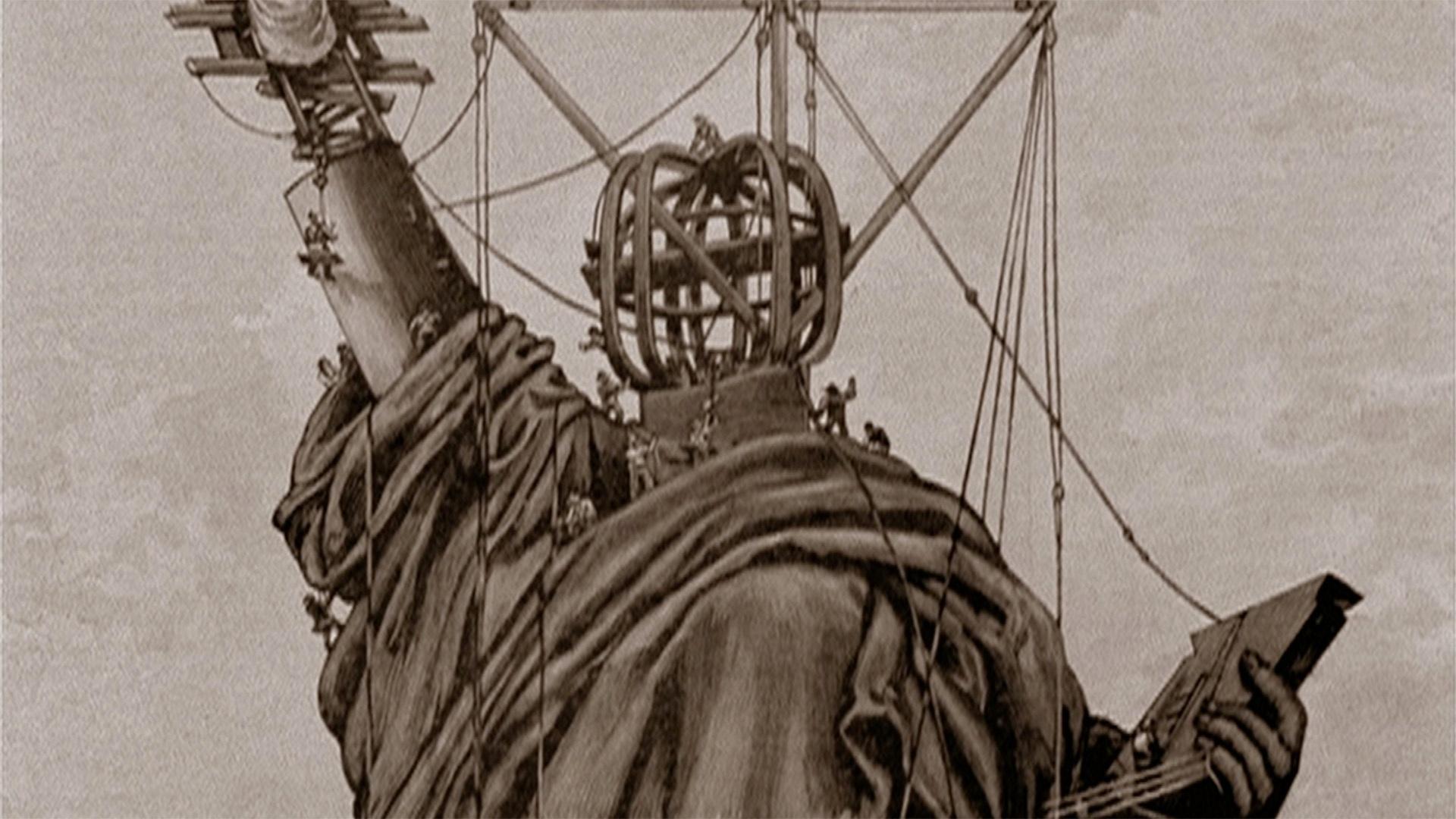
In Paris, Bartholdi and engineer Gustave Eiffel solved the riddle of keeping a copper colossus upright. They completed construction in 1884. Then, Liberty came apart—dismantled into 350 pieces and shipped across the sea in 214 crates aboard the French frigate Isère.
When she arrived in New York Harbor on June 17, 1885, she was welcomed not with speeches—but with construction delays. The pedestal wasn’t finished until 1886. But when Lady Liberty was finally raised on Bedloe’s Island, she was the tallest thing in New York City—and the boldest thing in its identity.
Over time, her meaning expanded. In 1903, poet Emma Lazarus’s 'The New Colossus'—written to raise funds for the pedestal—was mounted inside the base. 'Give me your tired, your poor...' transformed the statue from a Franco-American friendship token into a beacon for immigrants arriving at Ellis Island.
She’s been the site of protests, restorations, and reinvention. Her torch has changed shape. Her skin turned green from oxidation. But her message—freedom, dignity, welcome—has remained luminous. From suffragists to refugees, from war to resilience, the Statue of Liberty has stood not just as a monument, but as a mirror, asking America if it’s still worthy of her light.
Why It Matters
Lady Liberty didn’t just arrive—she docked into the American soul. Her journey wasn’t just across the ocean. It was across ideals. From revolution to abolition, immigration to civil rights, she reflects who we think we are and challenges who we want to be. In every age of crisis or hope, her torch asks the same question: are we still the land of liberty, or just the land of lip service?
?
Why was the Statue of Liberty originally created—and how has its meaning evolved over time?
How did grassroots fundraising efforts shape the completion of the statue’s pedestal?
What role did Emma Lazarus’s poem play in reshaping public perception of the statue?
How have different communities in America claimed the Statue of Liberty as a symbol for their causes?
What does Lady Liberty mean in today’s political and cultural climate?
Dig Deeper
A kid-friendly overview of the Statue of Liberty’s history, symbolism, and impact through the years.
An epic deep dive into the engineering marvels behind the Statue of Liberty—and the team who made it happen.
Related
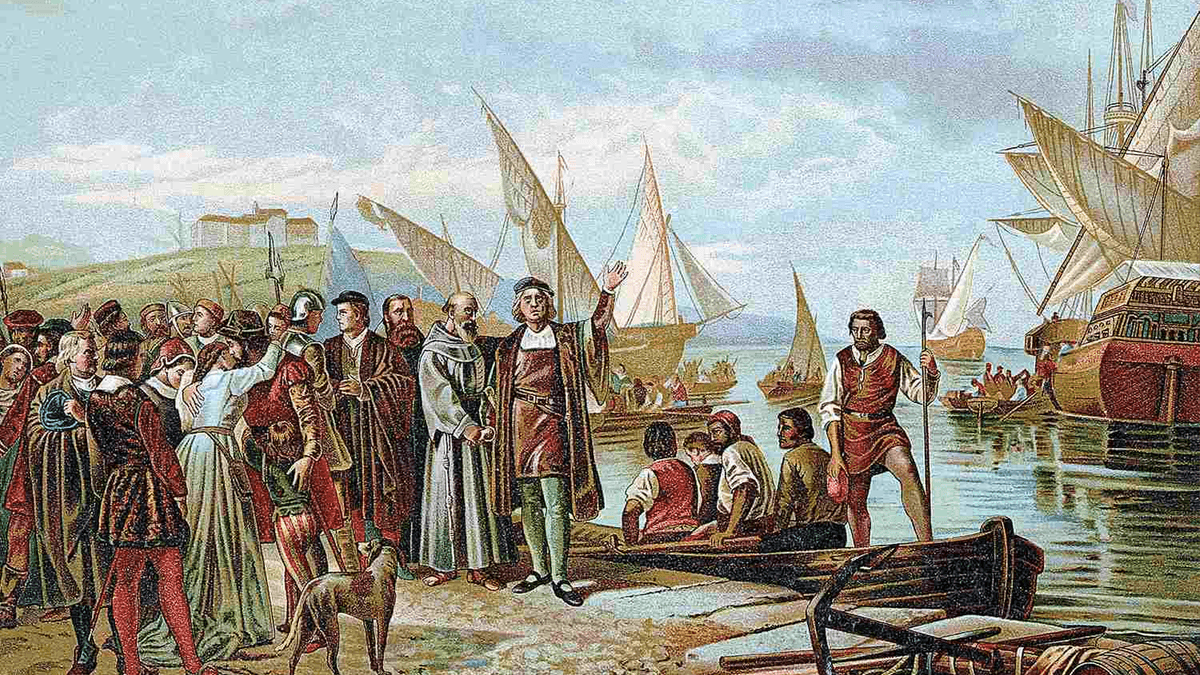
European Exploration of the Americas
When European explorers set sail across the Atlantic, they weren’t just chasing trade routes—they were rewriting the world’s future. But discovery for some meant devastation for others.
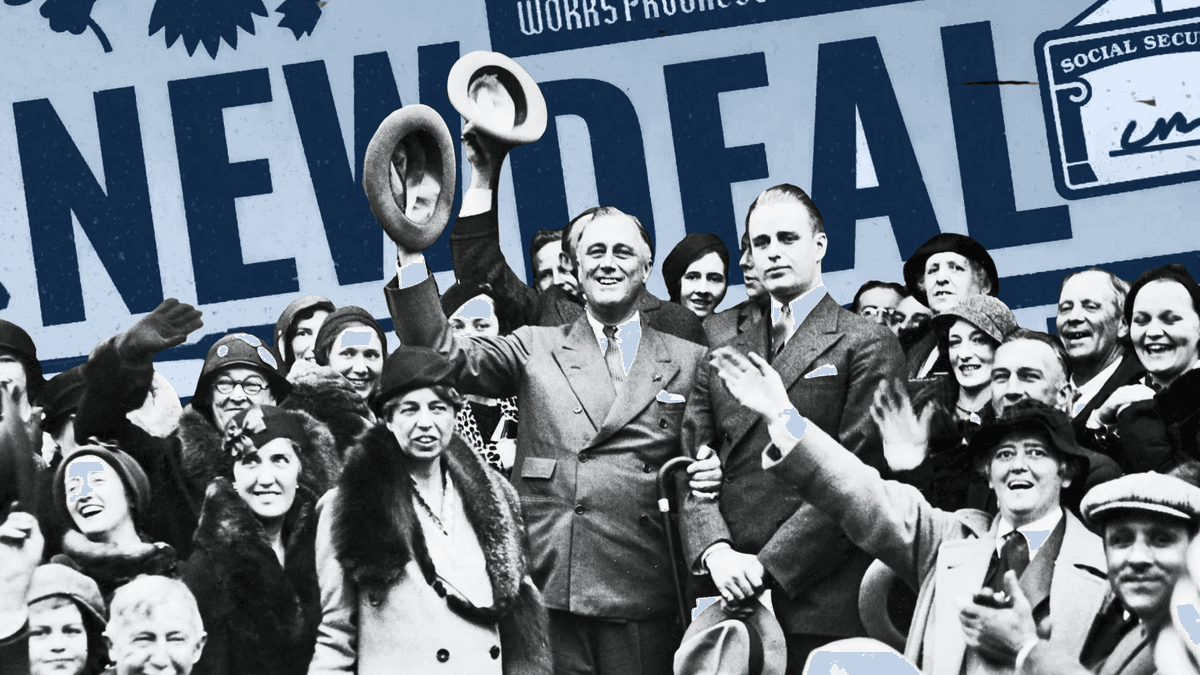
The New Deal: Fighting Depression with Bold Ideas
Faced with economic collapse, President Franklin D. Roosevelt launched a revolutionary plan to rebuild America from the ground up. The New Deal wasn’t just policy—it was a bold experiment in hope, action, and government responsibility.
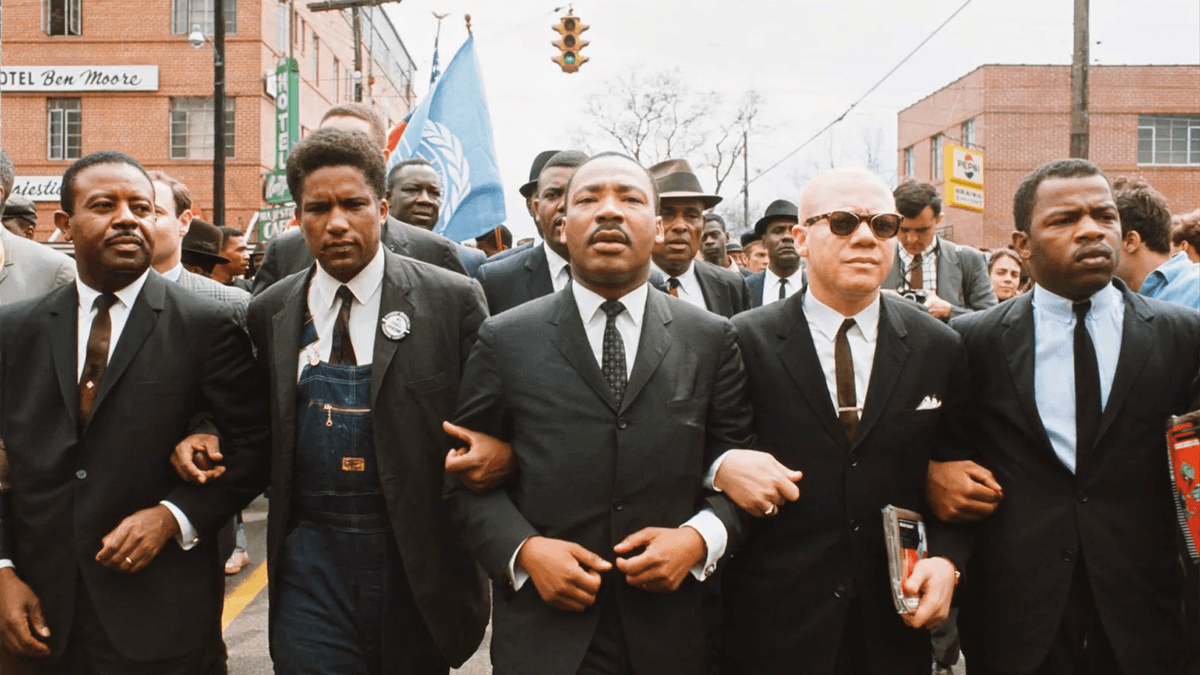
Montgomery Bus Boycott, Greensboro Sit-In, and the Rise of MLK
From Montgomery’s buses to Greensboro’s lunch counters, ordinary citizens ignited extraordinary change — and a new national leader emerged.
Further Reading
Stay curious!