

Juneteenth: Freedom Delayed, Not Denied
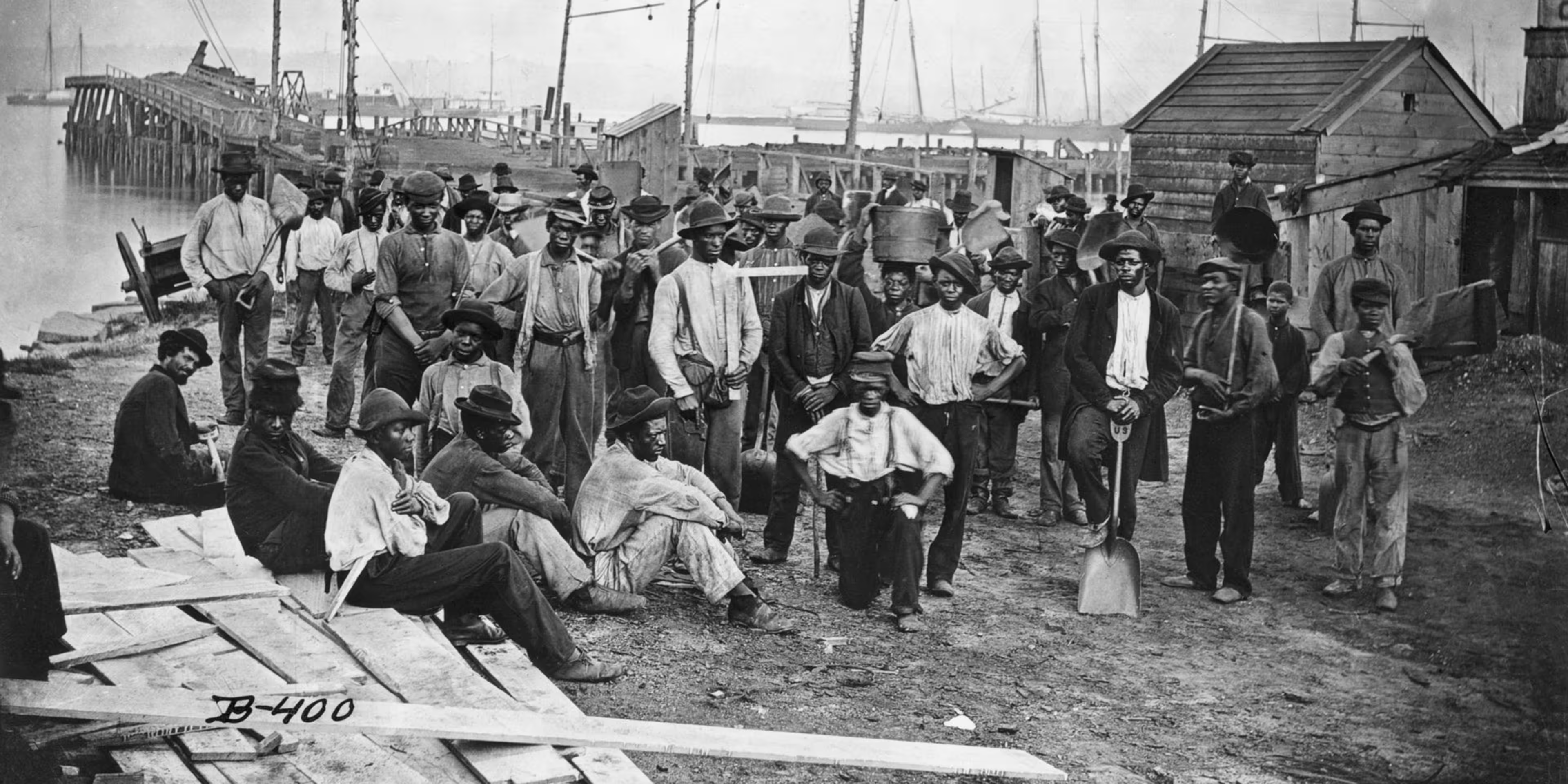
On June 19, 1865, two and a half years after Lincoln signed the Emancipation Proclamation, Union troops marched into Galveston and declared slavery dead in Texas.
What Happened?
Texas had been a stronghold for slavery. Remote, defiant, and insulated from Union forces, it became a last bastion of bondage after the Civil War officially ended. While Lincoln’s Emancipation Proclamation went into effect in 1863, enforcement was another matter entirely.
That changed when 2,000 Union soldiers of the 13th Army Corps arrived in Galveston on June 19, 1865. Leading them was Major General Gordon Granger. His first act? Delivering General Order No. 3: 'All slaves are free.' It was the moment the law met lived reality for the enslaved people of Texas.
The order declared 'absolute equality'—but its wording told a more complicated truth. Freedmen were 'advised' to remain at their homes and work for wages. They were told they wouldn’t be supported in 'idleness' at military posts. Even in freedom, the system tried to control Black lives.
Still, the news ignited joy, disbelief, and a rush toward liberation. Many newly freed people left immediately—seeking family, safety, and autonomy in places they had never been allowed to go. Some walked barefoot out of Texas that very day.
Juneteenth became an annual celebration of that delayed freedom. Families gathered for barbecues, prayer services, and parades. It was a day to honor the struggle, to remember ancestors, and to reclaim a history denied. It became Independence Day—for the descendants of those who weren’t free in 1776.
Over time, Juneteenth grew from local tradition to national movement. In 1980, Texas made it a state holiday—the first in the nation to do so. In 2021, President Biden signed a law making Juneteenth a federal holiday. But the truth behind it had long been known in Black communities: freedom is not always given. It is often fought for. And delayed justice is still injustice.
Today, Juneteenth honors not just a moment, but a mindset. It is about liberation in the face of erasure. It’s a history class, a family reunion, a protest, and a party. It’s a reminder that freedom isn’t a one-time event. It’s a continuing act of resistance.
Why It Matters
Juneteenth reminds us that freedom has a lag time. It doesn’t come with a switch—it arrives with struggle. From Galveston to George Floyd, the arc of American justice is jagged. But Juneteenth plants a flag in that fight. It celebrates not just emancipation, but endurance. It tells us: even when power delays your rights, your dignity doesn’t wait.
?
Why did it take two and a half years for enslaved people in Texas to learn about the Emancipation Proclamation?
What does General Order No. 3 reveal about the challenges of true freedom after slavery?
How did formerly enslaved people exercise their new freedoms after Juneteenth?
Why has Juneteenth been called 'America’s second Independence Day'?
How can remembering Juneteenth shape how we think about civil rights today?
Dig Deeper
This animated TED-Ed lesson unpacks the history and significance of Juneteenth and why the story of delayed freedom still matters.
This short film explores the meaning of Juneteenth through the voices of activists, historians, and descendants of the newly freed.
Related
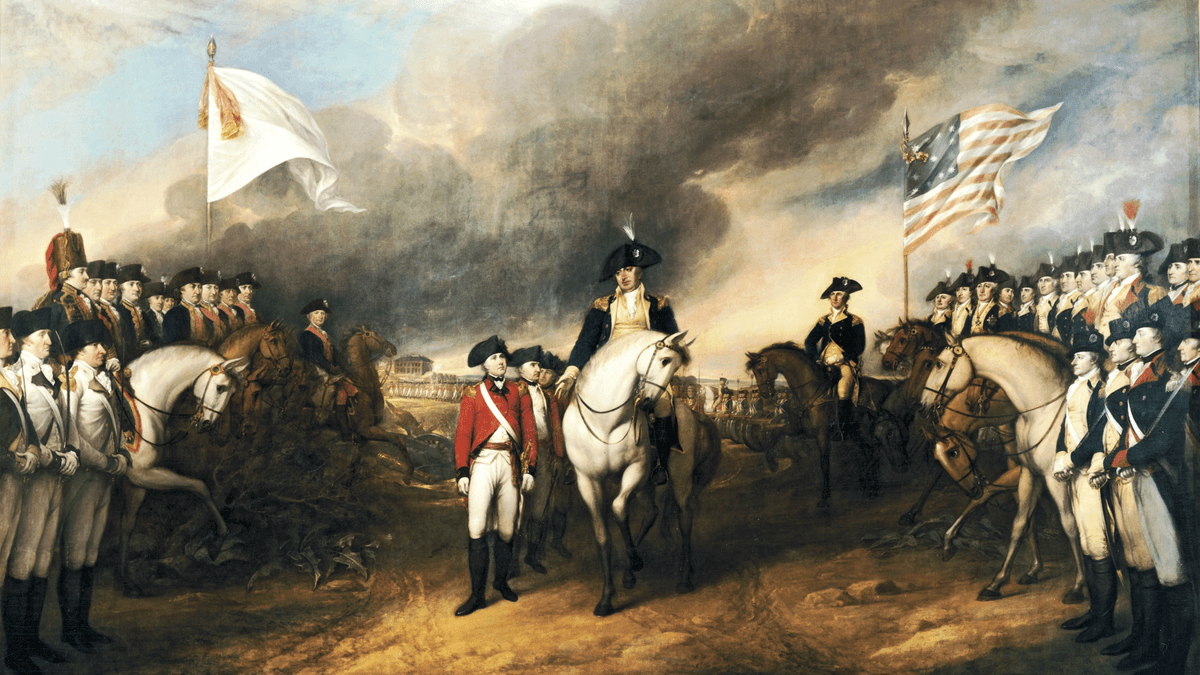
American Revolutionary War: From Protest to a New Nation
How arguments over taxes and rights grew into an eight-year war—and how ideas, allies, and perseverance turned thirteen colonies into the United States.
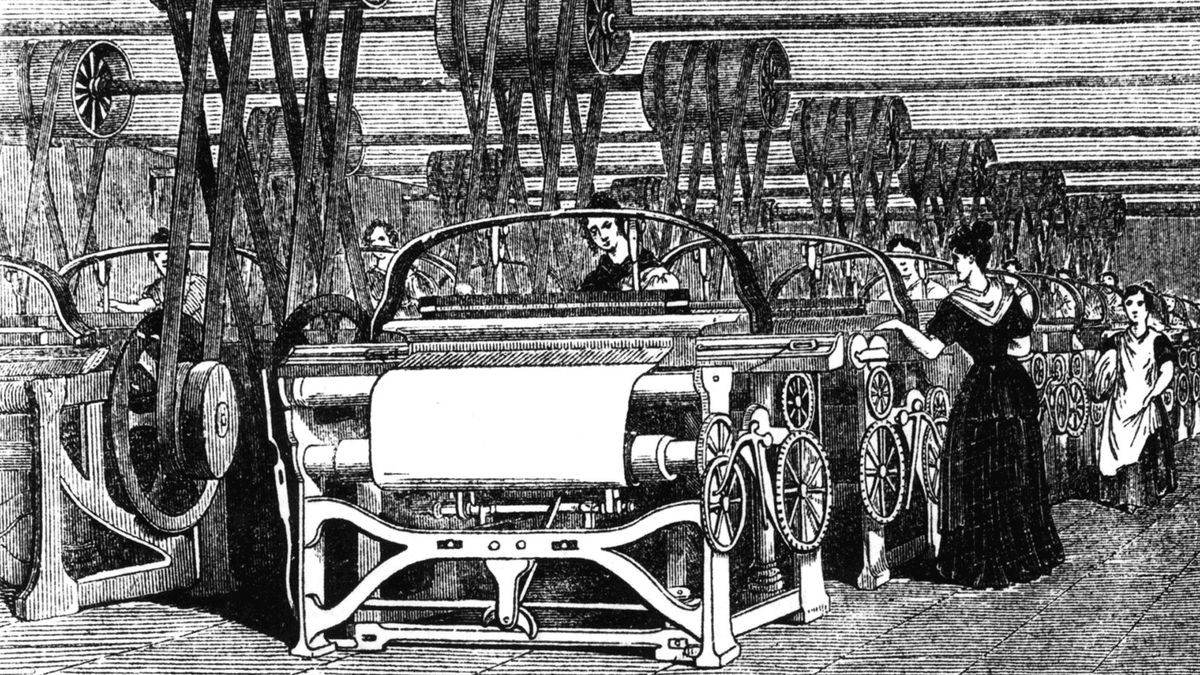
Early Industry and Economic Expansion (1800–1850)
From gold mines in North Carolina to textile mills and telegraphs, discover how the Market Revolution transformed the way Americans lived, worked, and connected in the early 19th century.
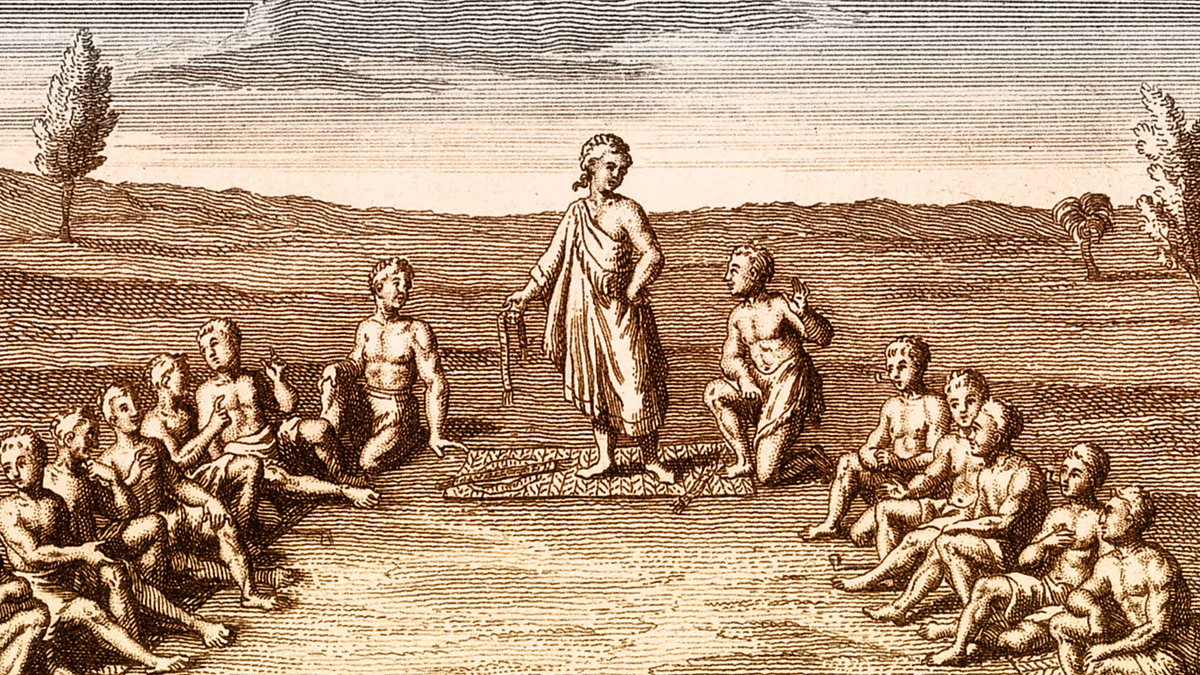
The Haudenosaunee Confederacy: Indigenous Roots of American Democracy
Long before the Founding Fathers gathered in Philadelphia, a league of Native Nations had already established one of the world’s oldest participatory democracies—an Indigenous blueprint for unity, peace, and governance.
Further Reading
Stay curious!