

Out of Many, One: The Great Seal Is Born
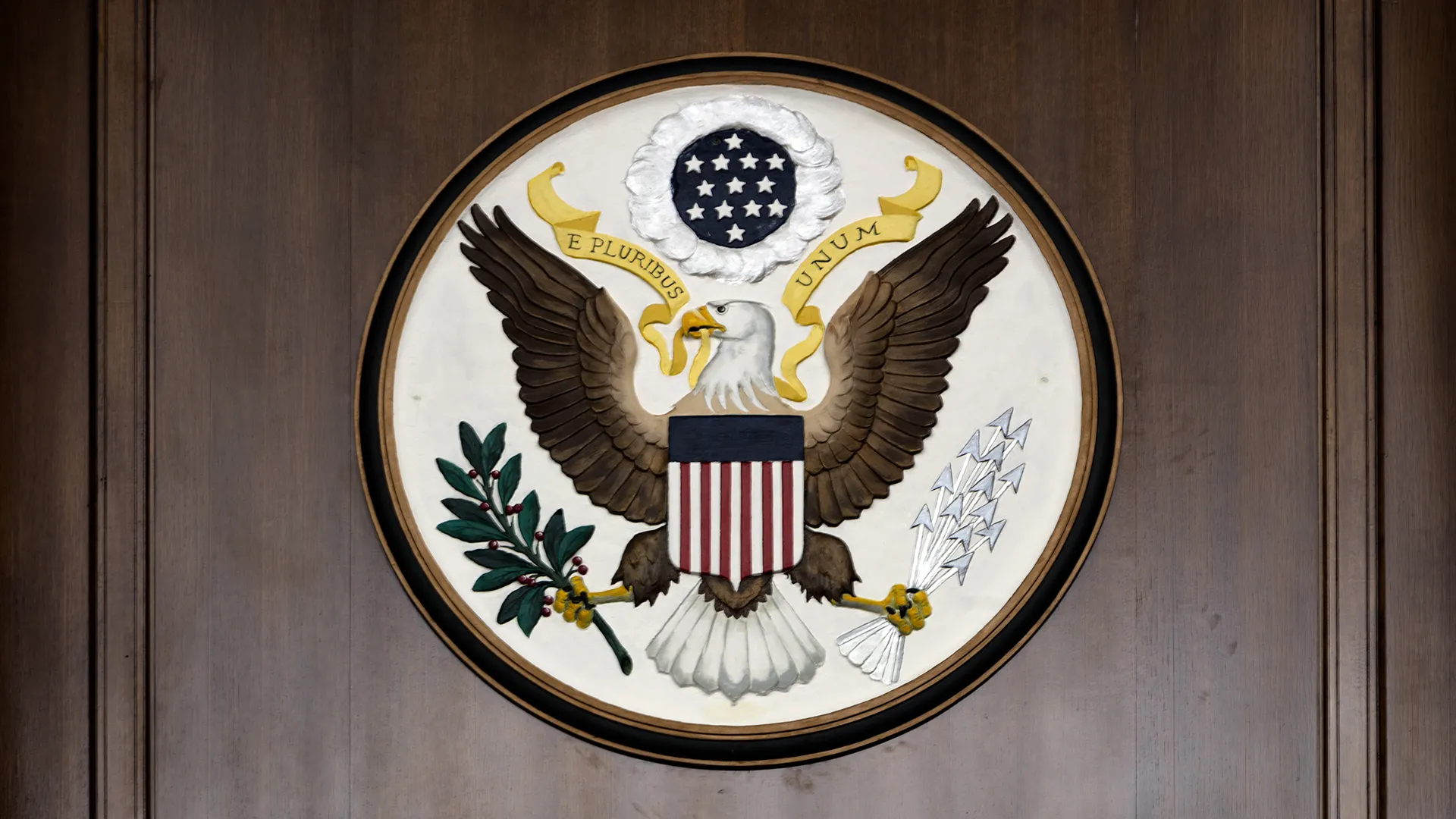
The Great Seal of the United States showing a bald eagle holding arrows and an olive branch.
What Happened?
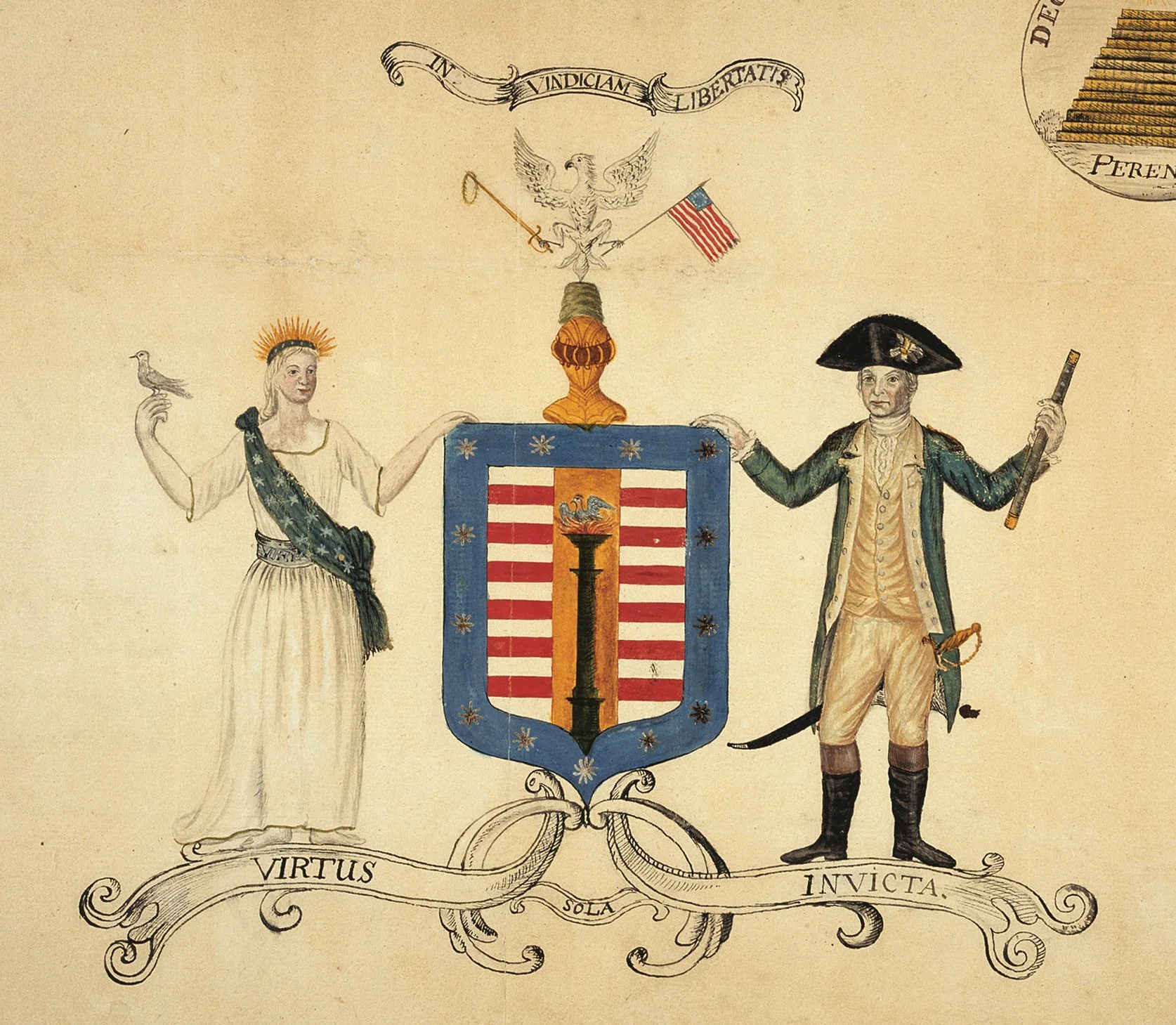
Revolutions speak with more than words—they leave marks. On July 4, 1776, before Congress even left the room, they charged Franklin, Adams, and Jefferson with a new mission: design a national seal. The goal? Capture the spirit of a radical new republic in a single image the world would recognize.
But that was easier said than drawn. The Founding Fathers dove into a stew of Biblical parables, Greco-Roman myths, and Enlightenment ideals. Franklin pitched Moses parting the Red Sea. Jefferson envisioned the Israelites wandering in the desert. Adams suggested Hercules choosing virtue over vice. It got weird fast.
After three separate committees and several near-miss designs, the final vision fell to Charles Thomson, Secretary of Congress. He ditched divine floods and flaming pillars in favor of clean, potent symbolism: a bald eagle (homegrown power), a shield with 13 stripes (original states), olive branch (peace), arrows (defense), and a banner reading E Pluribus Unum—Out of Many, One.
Above the eagle, 13 stars blaze in a constellation, declaring the U.S. a sovereign player among nations. On the reverse, a 13-step unfinished pyramid rises beneath the all-seeing Eye of Providence, with Latin mottos whispering ambition: Annuit Coeptis (Providence has favored our undertakings) and Novus Ordo Seclorum (A new order of the ages).
On June 20, 1782, Congress adopted Thomson’s design without a single illustration—just words and faith. The result was more than a wax stamp. It was a manifesto in miniature: America would stand on unity, strive for peace, prepare for war, and believe that history and heaven were on its side.
Today, the Great Seal appears on passports, treaties, official documents, and the back of every single dollar bill. It’s our visual voice in foreign affairs and our reminder that liberty, when properly branded, is also diplomacy. Even in ink and metal, symbolism matters.
From eagles and olive branches to pyramids and Latin proverbs, the Great Seal condenses the chaos of founding into one concise truth: this country was built to be more than rebellion—it was built to endure.
Why It Matters
The Great Seal isn’t just a symbol—it’s a signature. It tells the world who we are, what we stand for, and how we wield power. Forged from war, layered in meaning, and stamped on history, the seal reminds us that identity is crafted, not improvised. And that the real revolution wasn’t just independence—it was invention.
?
Why did it take six years and three committees to finalize the Great Seal?
What do the arrows and olive branch held by the eagle represent—and why is the eagle looking toward the olive branch?
What does the reverse side of the Great Seal symbolize with the unfinished pyramid and the Eye of Providence?
How did Enlightenment values shape the design and meaning of the Great Seal?
What role does symbolism play in shaping a country’s national identity and diplomacy?
Dig Deeper
Dive into the complex history and enduring symbolism of the Great Seal, the emblem that gave the United States its visual identity.
Related
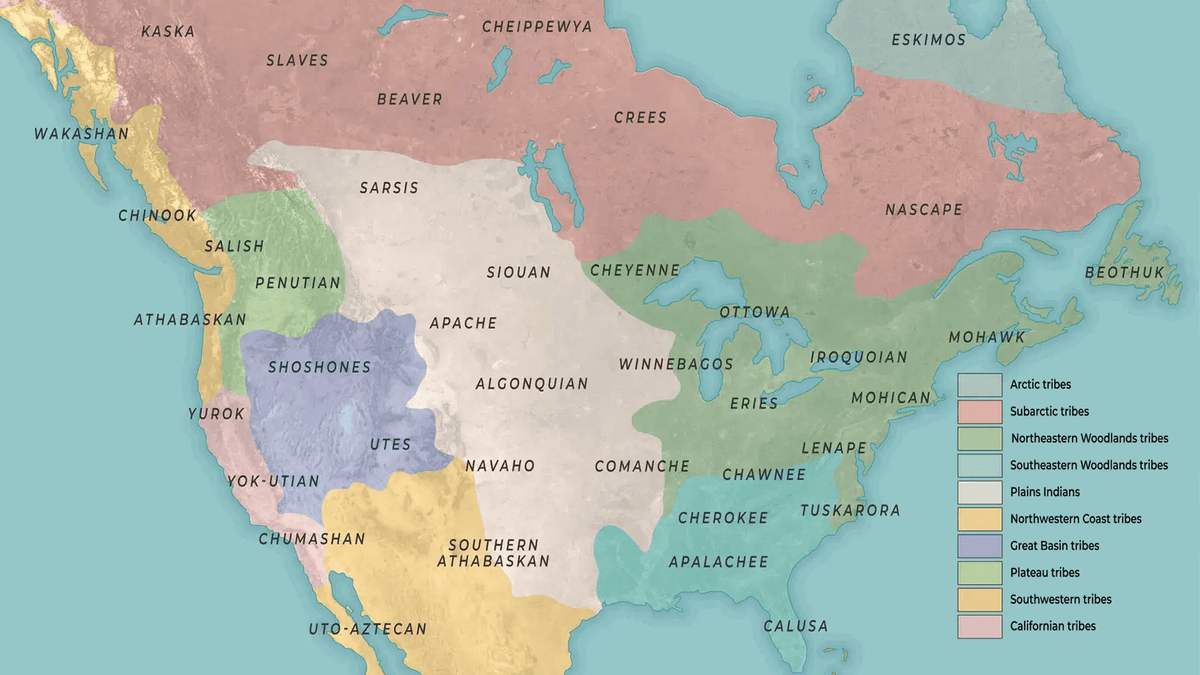
Indigenous Nations Before European Contact
Long before Columbus, Indigenous nations flourished across North America. From hunters following mammoths to farmers building vast trade networks, Native peoples shaped the land—and the land shaped them.
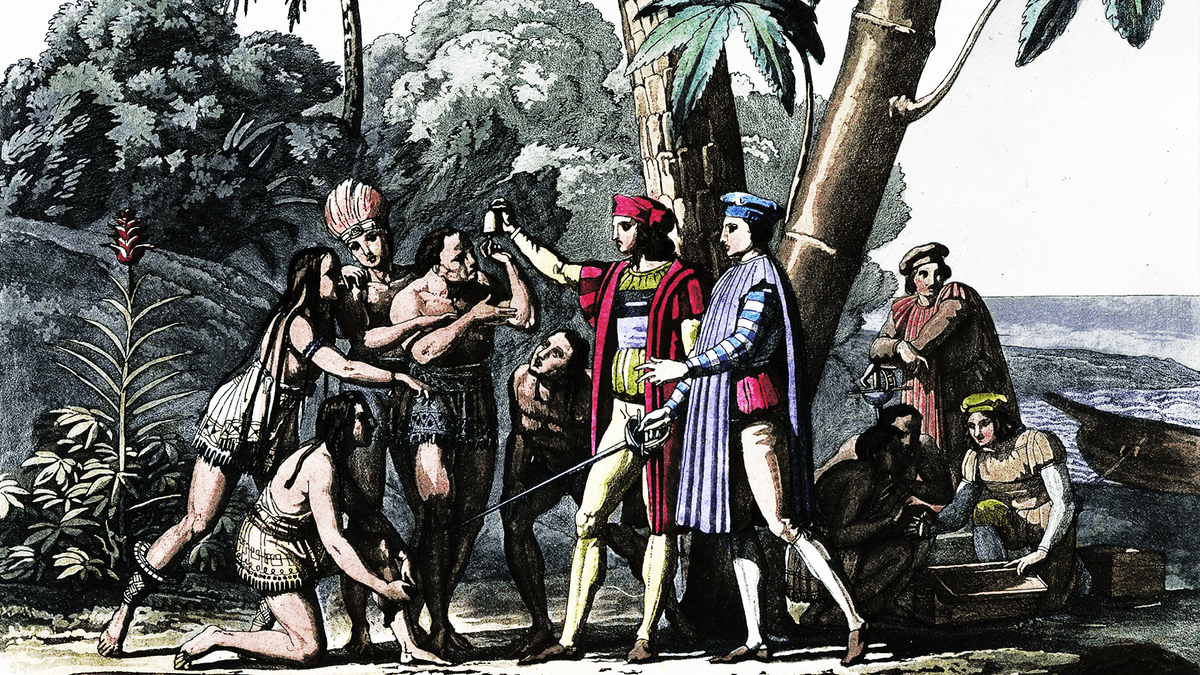
The Columbian Exchange: When Worlds Collided
When two previously isolated worlds collided in 1492, the resulting biological, cultural, and economic transformation reshaped every corner of the globe. The Columbian Exchange was not just a swap—it was a world-changing, world-breaking chain reaction.
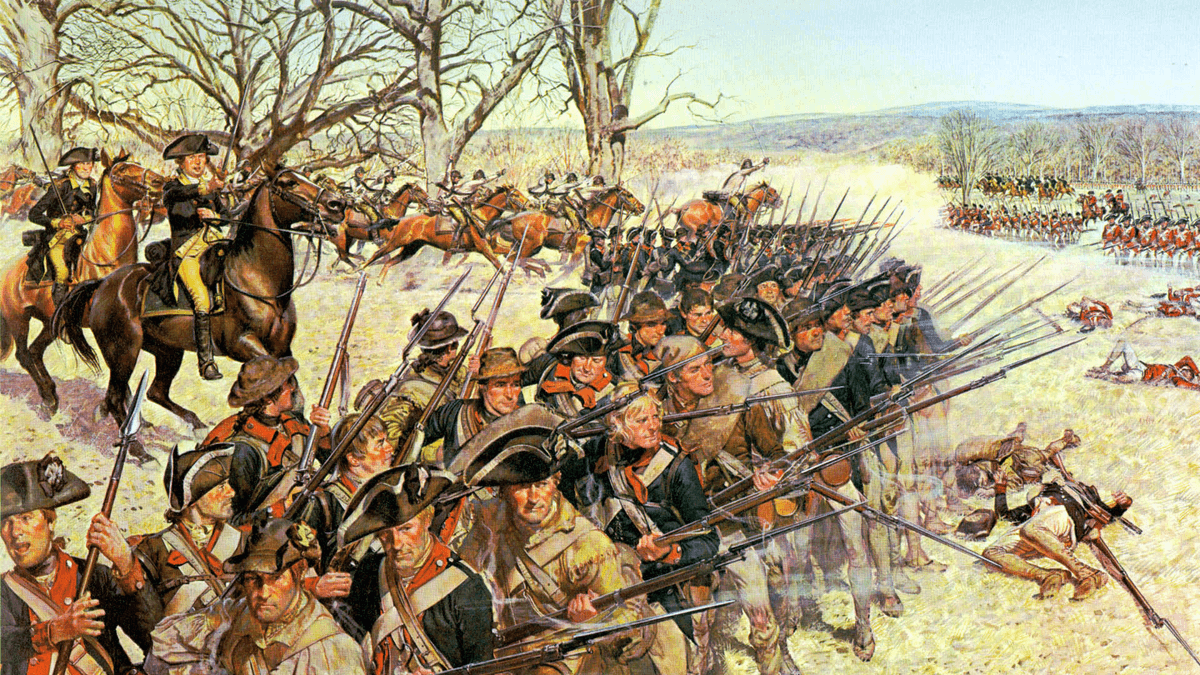
The American Revolution: Liberty, Loyalty, and North Carolina’s Role
The fight for independence wasn’t just fought in Boston and Philadelphia—it reached the farms, rivers, and hearts of North Carolina. Learn how the war unfolded, who fought, and why freedom remained a promise still waiting to be fulfilled for many.
Further Reading
Stay curious!