

The G.I. Bill: A Promise Fulfilled—and Broken
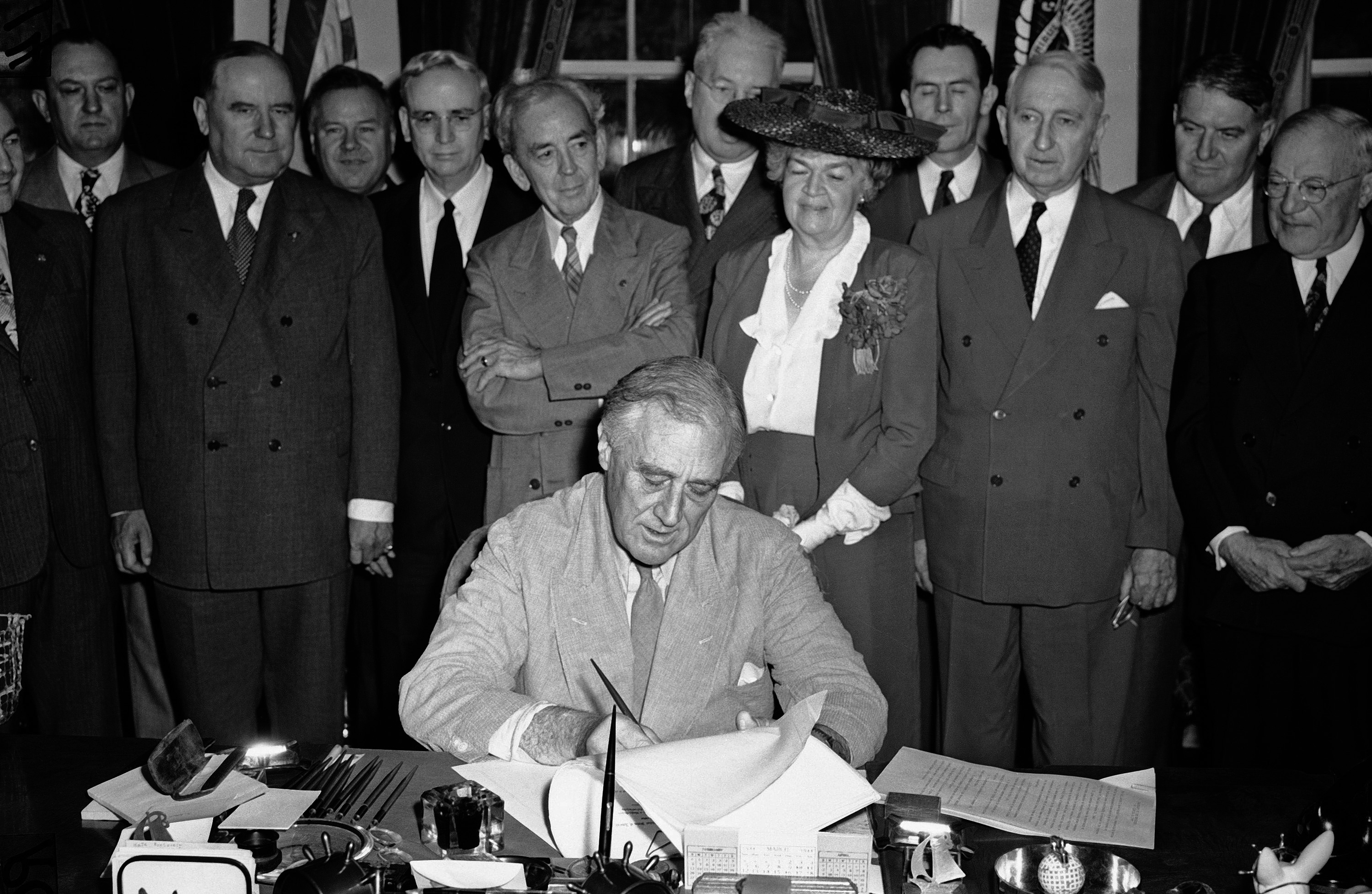
The G.I. Bill transformed the lives of millions of veterans. It sent an entire generation to college, built the suburbs, and created the modern American middle class.
What Happened?
June 22, 1944: As soldiers fought fascism overseas, President Franklin D. Roosevelt signed one of the most radical pieces of domestic policy into law—the Servicemen’s Readjustment Act, better known as the G.I. Bill.
The goal? Prevent another economic collapse like the post-World War I years. The Bonus Army of 1932—20,000 desperate veterans marching on D.C.—was still fresh in Roosevelt’s mind. He wanted a soft landing for soldiers returning from the bloodiest conflict in human history.
And it worked—at least, for some. The G.I. Bill provided tuition, books, living stipends, job training, unemployment benefits, and home loans. By 1947, veterans made up half of U.S. college enrollment. Between 1944 and 1956, 8 million vets received educational support and over 4 million home loans were issued. It was an economic stimulus package in fatigues.
The bill reshaped America. It democratized higher education, expanded the suburbs, and supercharged the economy for 30 years. But its benefits weren’t equally distributed. Not even close.
While the bill’s text was race-neutral, its execution was anything but. Southern Democrats demanded that benefits be administered locally—not federally. That meant Jim Crow had the final say.
Black veterans faced closed universities, underfunded HBCUs, discriminatory loan officers, and outright violence. In Levittown, NY, Black families were turned away. In Mississippi, just 2 of 3,200 VA-backed loans went to Black borrowers. In Chicago, Black veterans were met with rocks when they moved into new homes. In the South, postmasters refused to even deliver unemployment forms.
Education was no better. Many universities barred Black students, and the VA encouraged vocational training over college. HBCUs were overwhelmed and underfunded, turning away tens of thousands.
The result? While white vets used the G.I. Bill to climb the socioeconomic ladder, Black veterans were systematically denied the same rung. The racial wealth gap widened—and has never closed.
Historian Ira Katznelson put it bluntly: 'No greater instrument for widening an already huge racial gap in postwar America than the G.I. Bill.'
Yet the story doesn’t end in failure. Black veterans fought for access, protested inequality, and laid groundwork for the civil rights movement. The G.I. Bill’s broken promise lit fires that still burn—in legislation, activism, and demands for justice today.
Why It Matters
The G.I. Bill built the modern middle class—but also built a wall. It shows how policies that look neutral on paper can deepen injustice in practice. June 22 reminds us that equity isn’t just about what laws say—it’s about who they serve, and who they leave behind.
?
How did the G.I. Bill shape the American economy after WWII?
What barriers did Black veterans face in accessing G.I. Bill benefits?
Why was local implementation of the G.I. Bill significant for racial disparities?
What impact did the G.I. Bill have on American suburbs and higher education?
In what ways did the G.I. Bill fuel inequality that persists today?
Dig Deeper
The GI Bill has been credited for creating the American middle class—but who was left behind?
Hosted by Henry Louis Gates Jr., this video explores how the GI Bill uplifted white veterans but left Black veterans behind.
Related
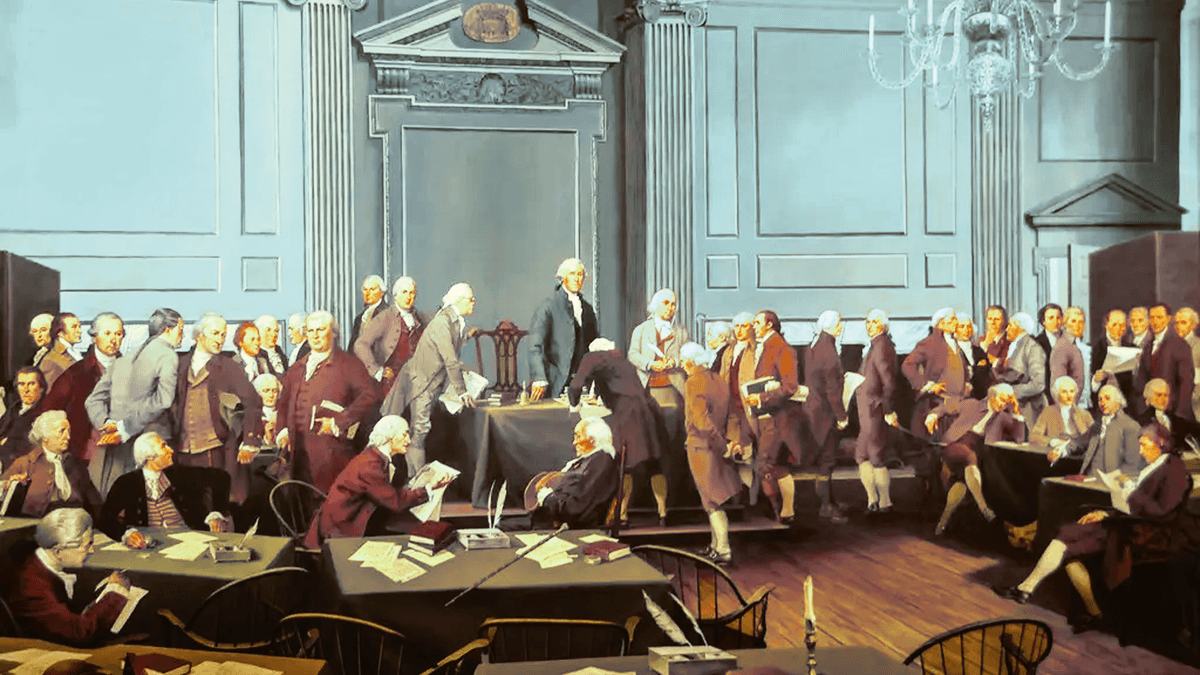
From Articles to the Constitution
The Articles of Confederation got us through a revolution—but not much more. Weak laws, no executive, and constant in-fighting forced the Founders back to the drawing board. What came next? The Constitution.
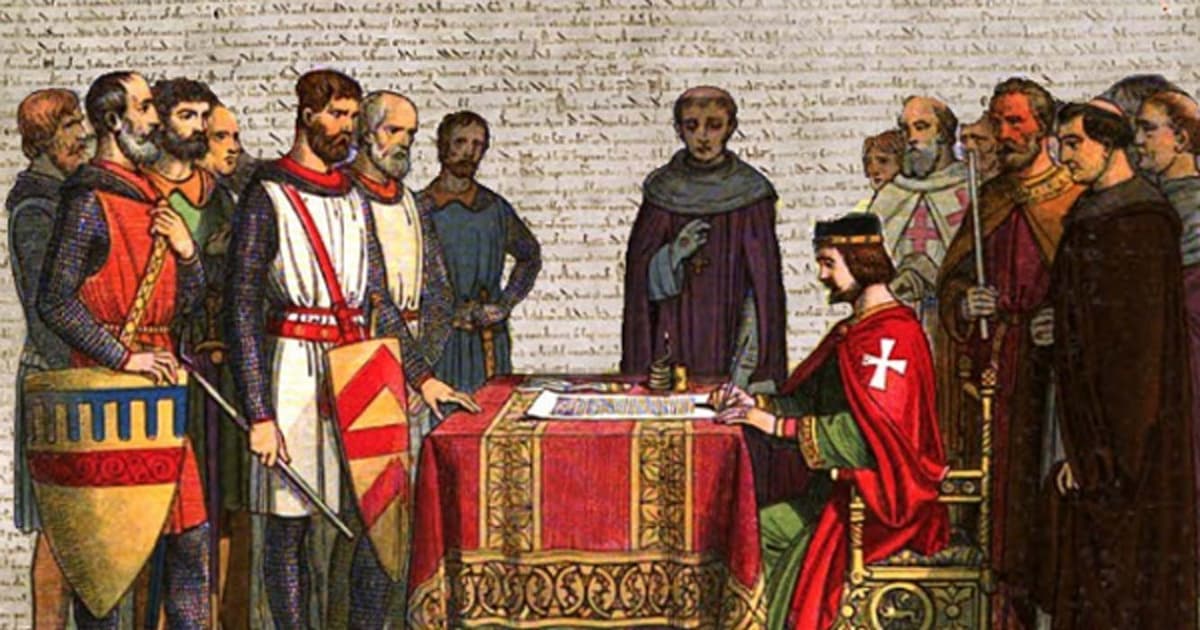
Magna Carta
On May 12, 1215, a gang of angry English barons forced King John into a corner—and launched a document that would echo across centuries. It wasn’t democracy, but it was a dent in the divine right of kings.
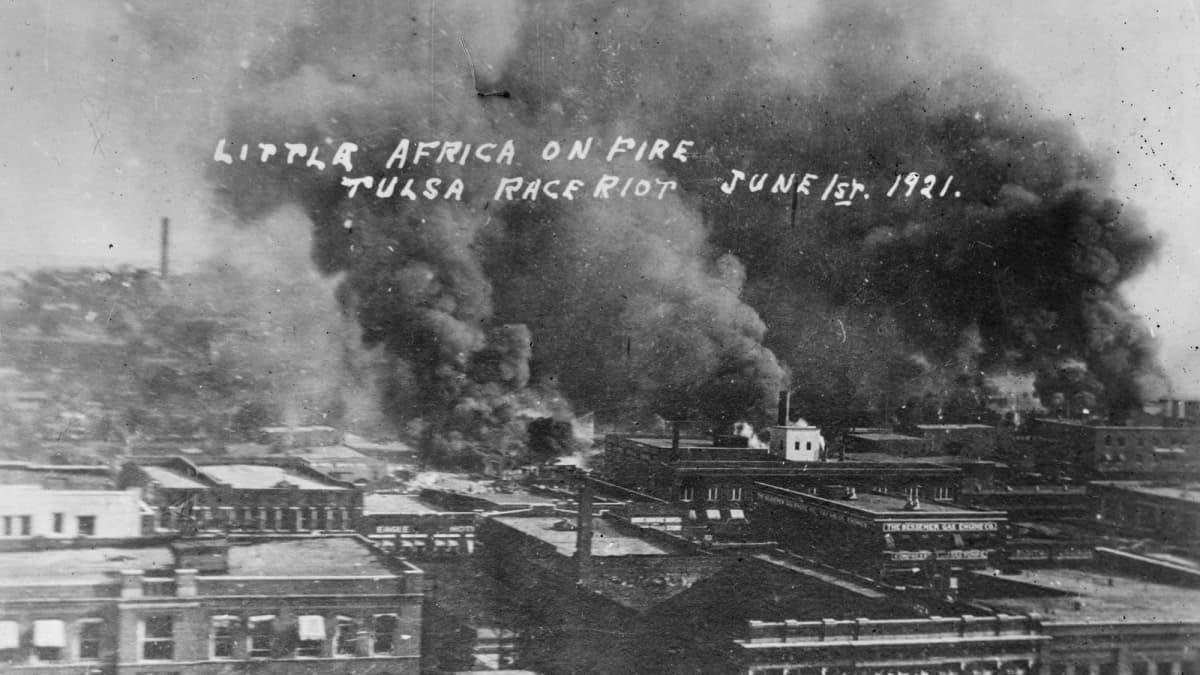
The Tulsa Race Massacre: Black Wall Street Burned
Greenwood was known as Black Wall Street—until a white mob burned it to the ground. The Tulsa Race Massacre wasn’t a riot. It was a coordinated attack. And it was nearly erased from history.
Further Reading
Stay curious!