

Repealing the Blank Check: The Gulf of Tonkin Resolution Revoked
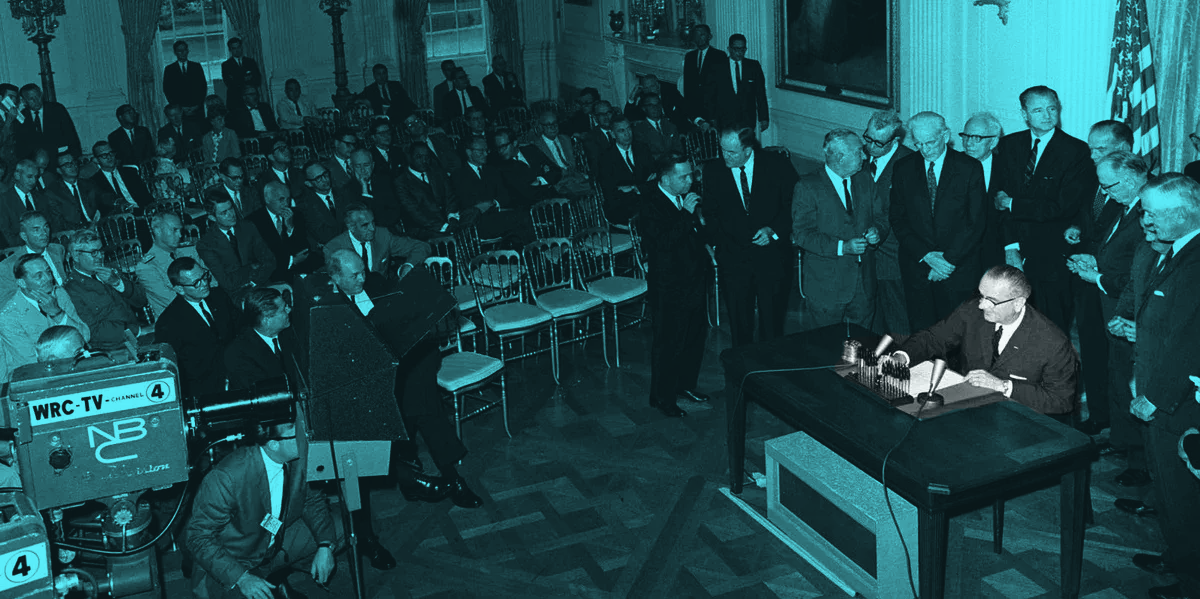
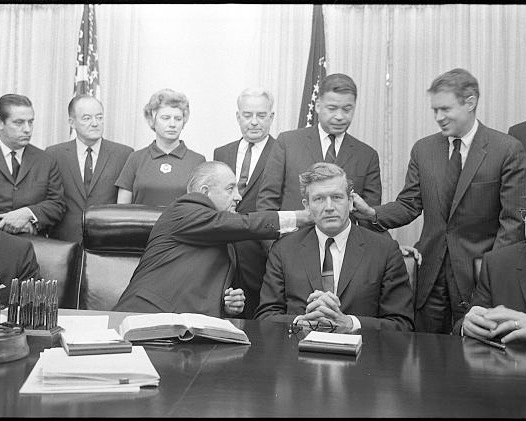
Senators in the U.S. Capitol debating the repeal of the Gulf of Tonkin Resolution during the Vietnam War.
What Happened?
June 24, 1970: After years of escalating bloodshed in Southeast Asia, the U.S. Senate voted overwhelmingly—81 to 10—to repeal the Gulf of Tonkin Resolution. The move was both political statement and constitutional course correction.
The resolution had passed in 1964 after reports that North Vietnamese torpedo boats attacked U.S. destroyers in the Gulf of Tonkin. Johnson called it unprovoked. Congress gave him near-total authority to 'take all necessary measures.'
But that story had cracks. Behind closed doors, top officials admitted U.S. covert operations likely provoked the North Vietnamese. Some doubted the second 'attack' even happened. Still, the resolution passed almost unanimously—just two senators, Morse and Gruening, voted no.
With that single vote, Johnson launched a wider war. Over the next five years, the U.S. dropped more bombs than in WWII. Over 58,000 Americans died. Millions of Vietnamese civilians perished. Trust in government cratered.
By 1970, Congress had grown wary. Senator Robert Dole, a conservative Republican, introduced the repeal as an amendment to the Foreign Military Sales Act. While the Nixon administration claimed it didn’t need the resolution to prosecute the war, its repeal sent a clear message: no more blank checks.
Some saw it as a stand against imperial presidency. Others called it procedural theater—too little, too late. But symbolically, the repeal marked the beginning of Congress trying to claw back war powers it had too easily surrendered.
The repeal also exposed deep Senate divisions. Hawks and doves clashed. Some senators were outraged it was attached to a military sales bill. Others were angry at how the war had been waged, based on what turned out to be a manipulated narrative.
Though Nixon claimed constitutional authority as commander-in-chief, the repeal underscored that war-making power is supposed to be shared—by design. That’s what the Founders intended. That’s what Congress began to remember on June 24.
Why It Matters
The Gulf of Tonkin Resolution was a cautionary tale: how fear and misinformation can warp democracy and concentrate power. Repealing it didn’t end the war—but it signaled a shift in how Congress viewed its own role. Today, it reminds us: war should never be waged without truth, oversight, and accountability.
?
What was the Gulf of Tonkin incident, and why is its legitimacy still debated?
How did the Gulf of Tonkin Resolution change presidential war powers?
Why did it take Congress six years to repeal the resolution?
What role did political pressure and public opinion play in the Senate’s decision?
How has the balance of war-making powers shifted between Congress and the presidency since Vietnam?
Dig Deeper
Learn about the international incident that escalated American involvement in the Vietnam War.
Related
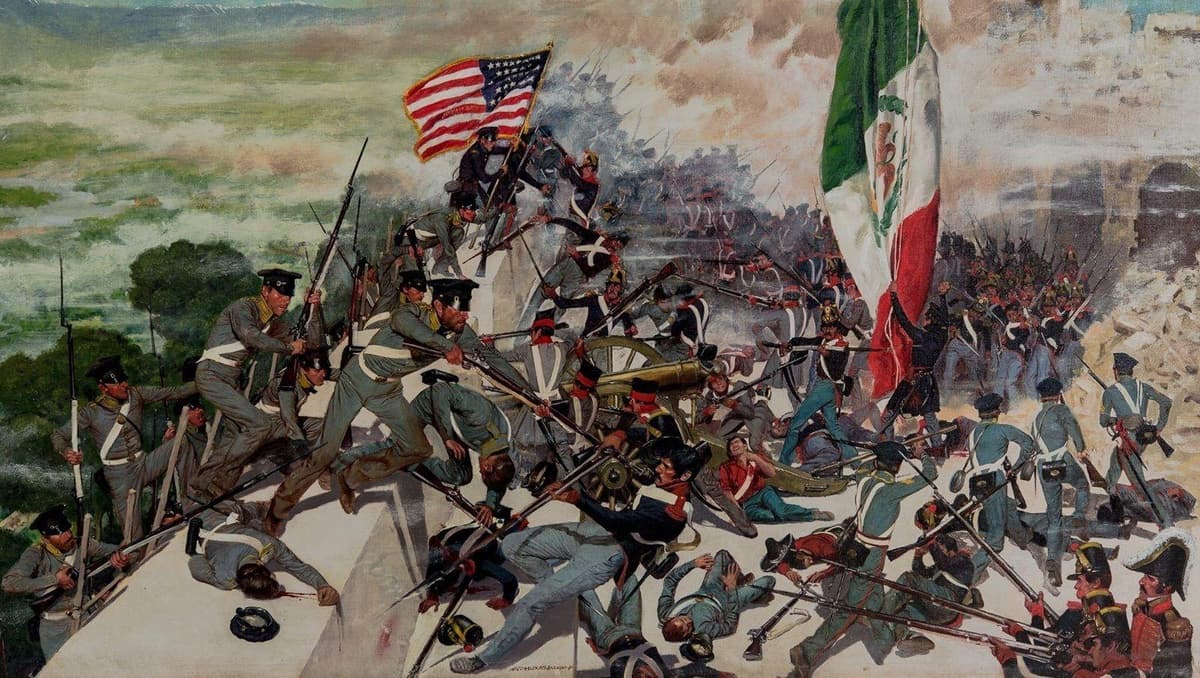
The U.S.-Mexico War
On May 13, 1846, the U.S. Congress declared war on Mexico. Behind the scenes? Land lust, slave politics, and a president with a map in one hand and a match in the other.
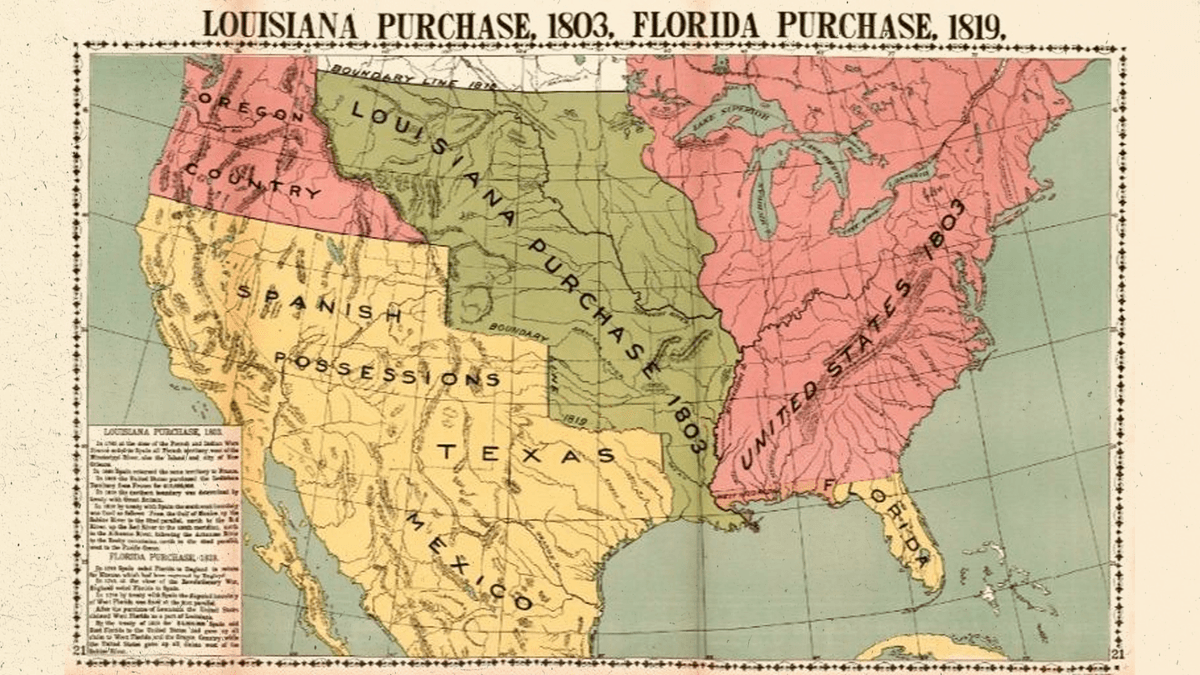
The Louisiana Purchase: A River, A Bargain, and a Bigger United States
In 1803 the United States bought the vast Louisiana Territory from France, doubling the nation’s size, securing the Mississippi River, and setting the stage for westward expansion and hard questions about slavery and Native sovereignty.
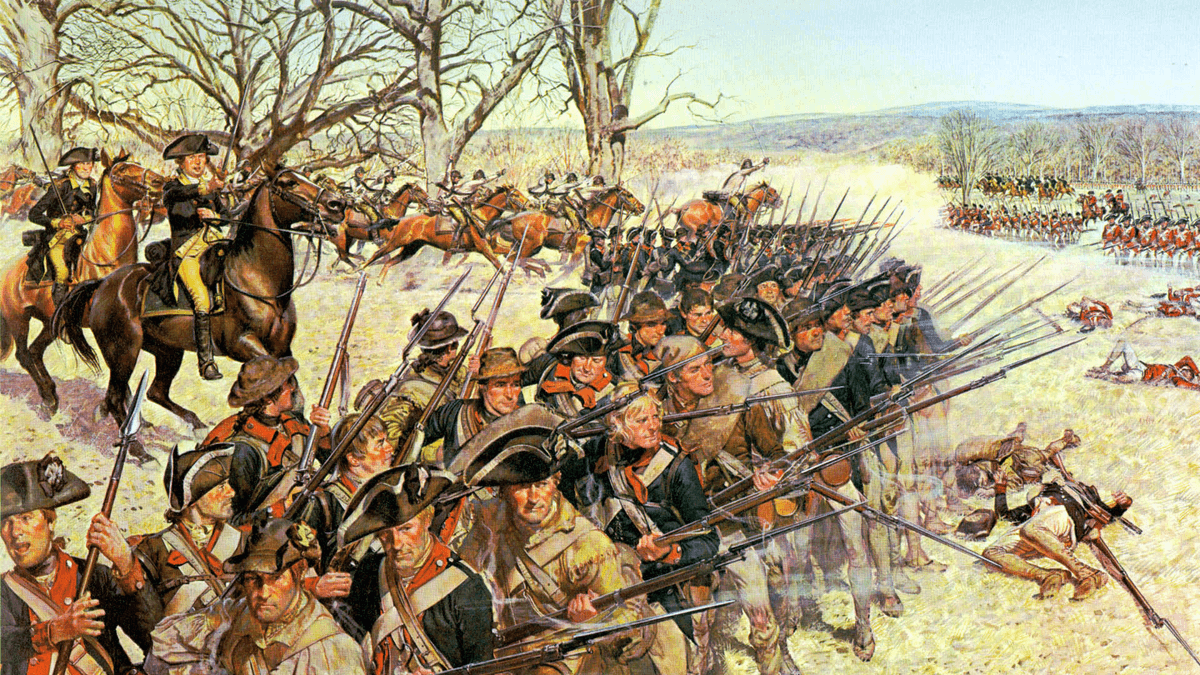
The American Revolution: Liberty, Loyalty, and North Carolina’s Role
The fight for independence wasn’t just fought in Boston and Philadelphia—it reached the farms, rivers, and hearts of North Carolina. Learn how the war unfolded, who fought, and why freedom remained a promise still waiting to be fulfilled for many.
Further Reading
Stay curious!