

The Lie of Sanctuary: Sand Creek Begins
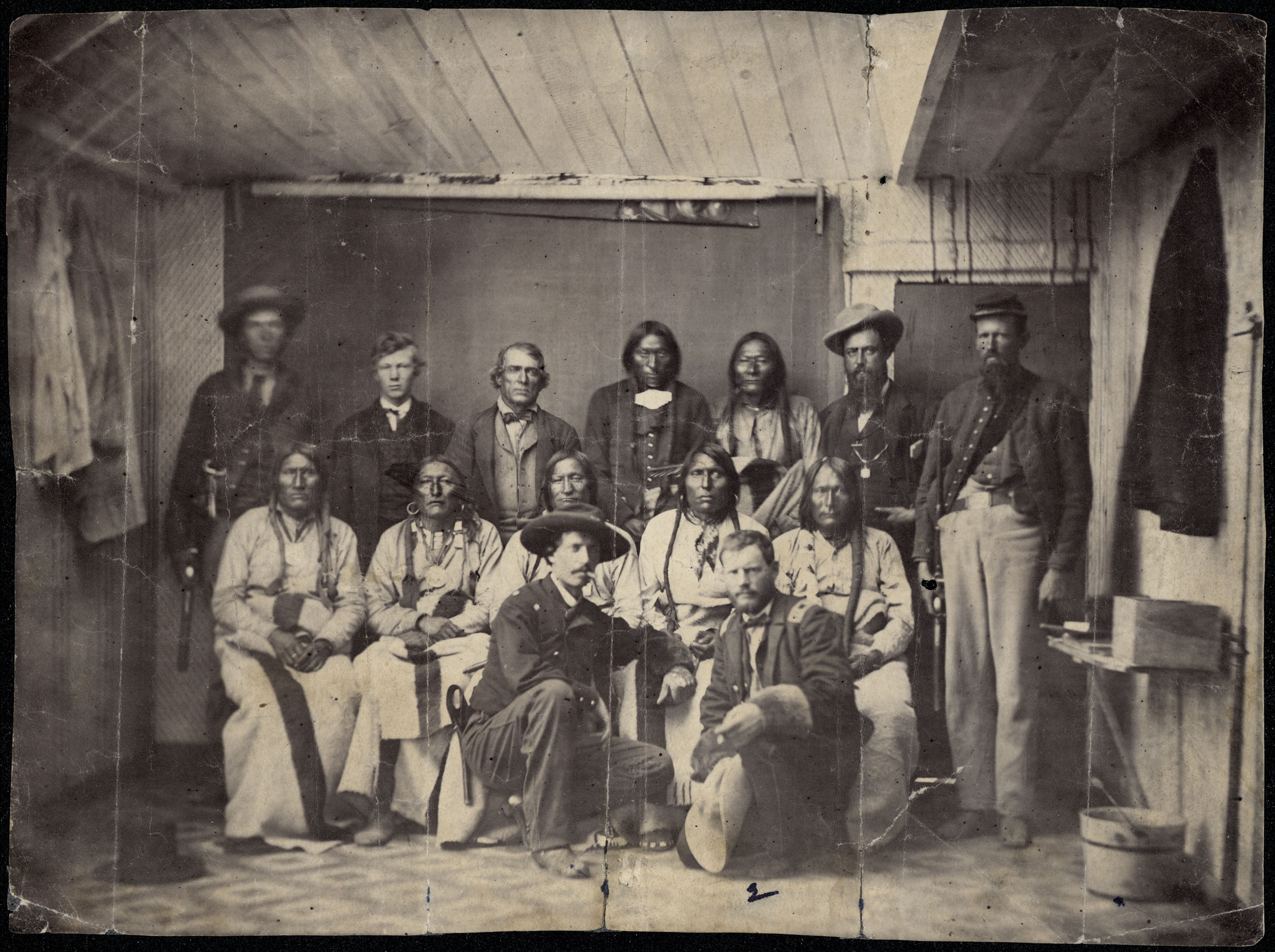
An illustration of Native Americans approaching Fort Lyon under a white flag, unaware of the impending betrayal.
What Happened?
In the heat of the Civil War, Colorado’s Governor John Evans had his eyes on another battle—one that could catapult him into national politics. He wasn’t fighting Confederates. He was targeting Native people.
On June 27, 1864, Evans issued a proclamation instructing all 'friendly Indians' to report to military forts for protection. To the Cheyenne and Arapaho, the message was mixed and ominous. Forts were often sites of violence. And a second proclamation encouraged settlers to 'kill and destroy' any Native person deemed hostile.
Meanwhile, Evans was building a 100-day militia and handed command to Colonel John Chivington, a former preacher turned self-styled war hero. Chivington wasn’t interested in peace. 'I long to be wading in gore,' he reportedly boasted. His goal was a dramatic assault—any Native village would do.
One Cheyenne chief—Black Kettle—chose a different path. Fresh from a visit to Washington, D.C., where he met with Abraham Lincoln, Black Kettle believed peace was still possible. He led his people to Fort Lyon and was told by Major Edward Wynkoop to camp at Sand Creek, 40 miles away, with promises of safety.
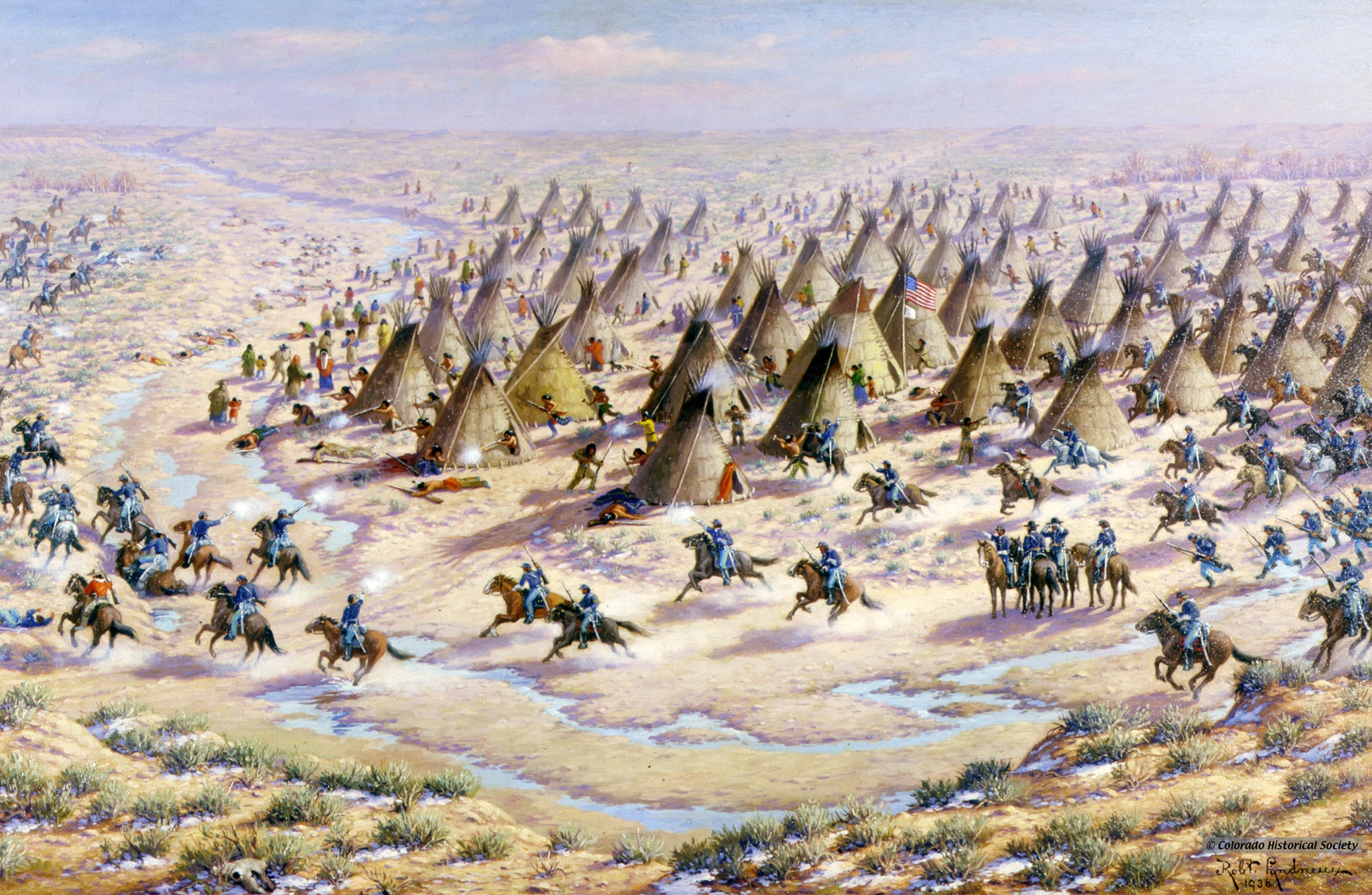
But Wynkoop’s protection didn’t last. As autumn turned cold, Chivington saw his political moment slipping away. His soldiers hadn’t fought anyone—and they were ready to go home. On November 29, he launched a dawn raid on Black Kettle’s peaceful encampment.
What followed wasn’t a battle. It was a massacre. Over 700 soldiers attacked a sleeping village of mostly women, children, and elders. More than 230 Cheyenne and Arapaho were slaughtered. Many were scalped and mutilated. Human remains were paraded through Denver.
Black Kettle survived—but the betrayal devastated his people. The U.S. government launched investigations, and national outrage grew. Evans was forced to resign. Chivington slithered away from accountability but never recovered his reputation. The so-called 'victory' became a permanent stain on American history.
The Sand Creek Massacre wasn’t an isolated incident—it was the product of genocidal policy, political ambition, and racist dehumanization. Today, it stands as a brutal warning about the costs of abandoning truth, justice, and basic human dignity in pursuit of power.
Why It Matters
This moment reminds us how language can be weaponized—how 'sanctuary' can mean slaughter when power is unchecked and conscience ignored. The Sand Creek Massacre wasn’t an accident of war; it was the result of calculated betrayal. We honor truth by naming it. And we build peace by remembering the cost of its absence.
?
What were the political motivations behind Evans and Chivington’s actions?
Why did some Native leaders, like Black Kettle, choose diplomacy despite the risks?
What role did the U.S. Army and local militias play in the Sand Creek Massacre?
How has the U.S. reckoned with the legacy of Sand Creek?
What does Sand Creek teach us about the power—and danger—of propaganda?
Dig Deeper
Ken Burns explores how reckoning with atrocities like the Sand Creek Massacre is not anti-American—but essential to becoming a better one.
Related
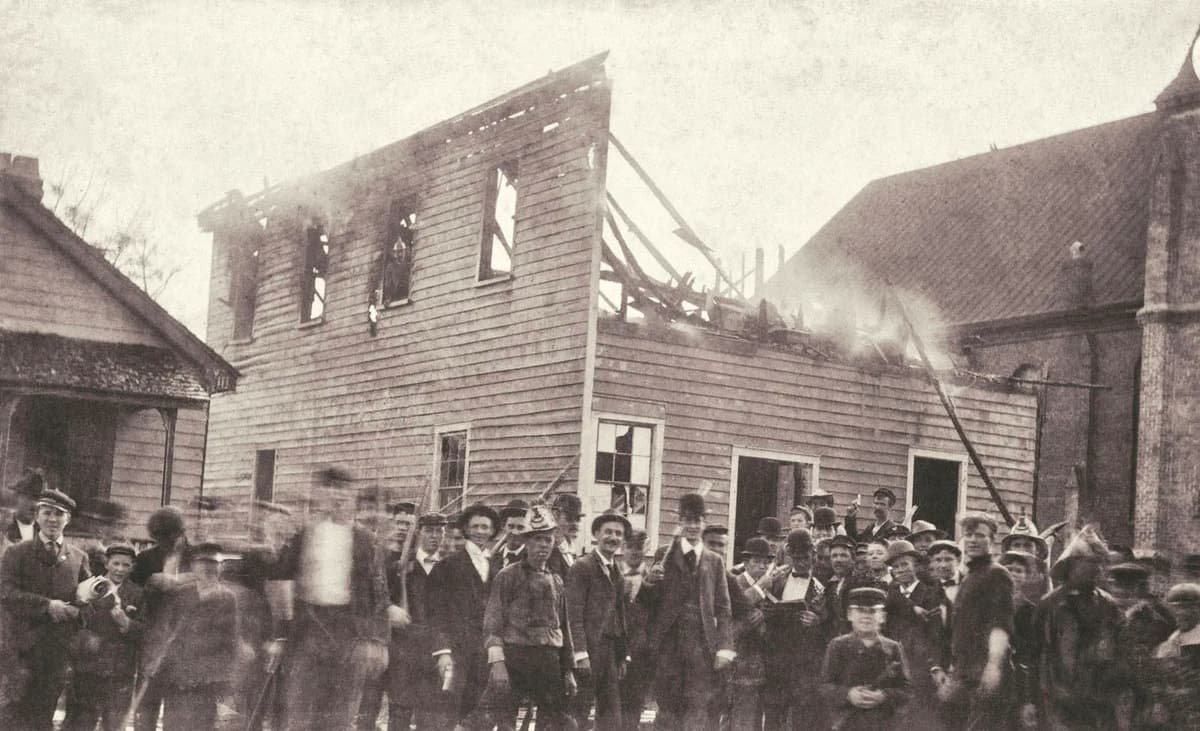
The Wilmington Coup: When Democracy Was Burned Down
In 1898, Wilmington, North Carolina had a thriving Black middle class, a multiracial government — and then a white mob overthrew it. Armed. Organized. Violent. This was no riot. It was a coup.
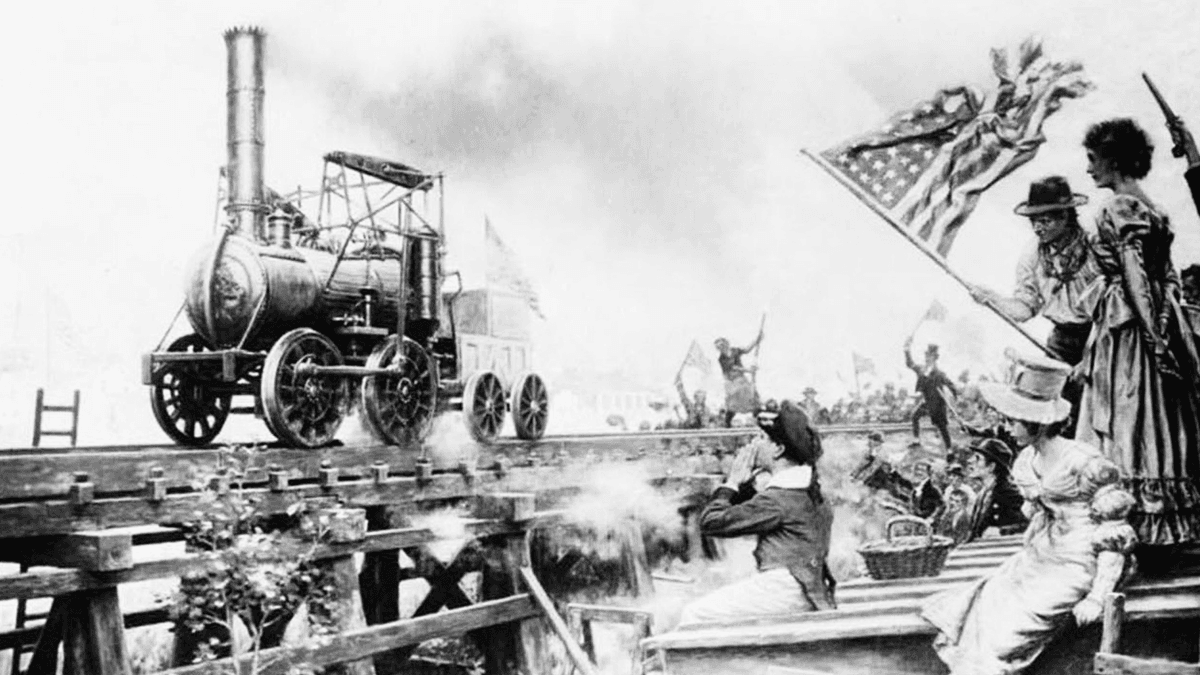
The Market Revolution: How Innovation Transformed America
In the early 1800s, America changed from a land of small farms to a booming nation of factories, railroads, and markets. The Market Revolution connected people, goods, and ideas—while also revealing deep inequalities in who benefited from progress.
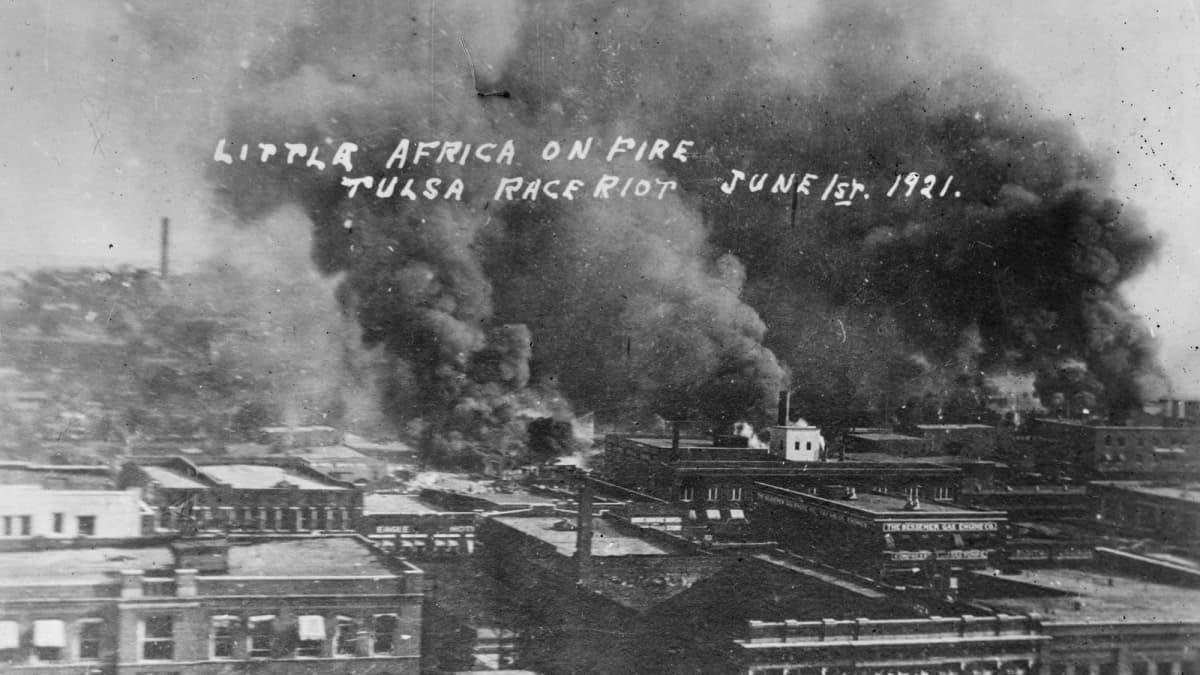
The Tulsa Race Massacre: Black Wall Street Burned
Greenwood was known as Black Wall Street—until a white mob burned it to the ground. The Tulsa Race Massacre wasn’t a riot. It was a coordinated attack. And it was nearly erased from history.
Further Reading
Stay curious!