

The Wrong Turn That Blew Up the World
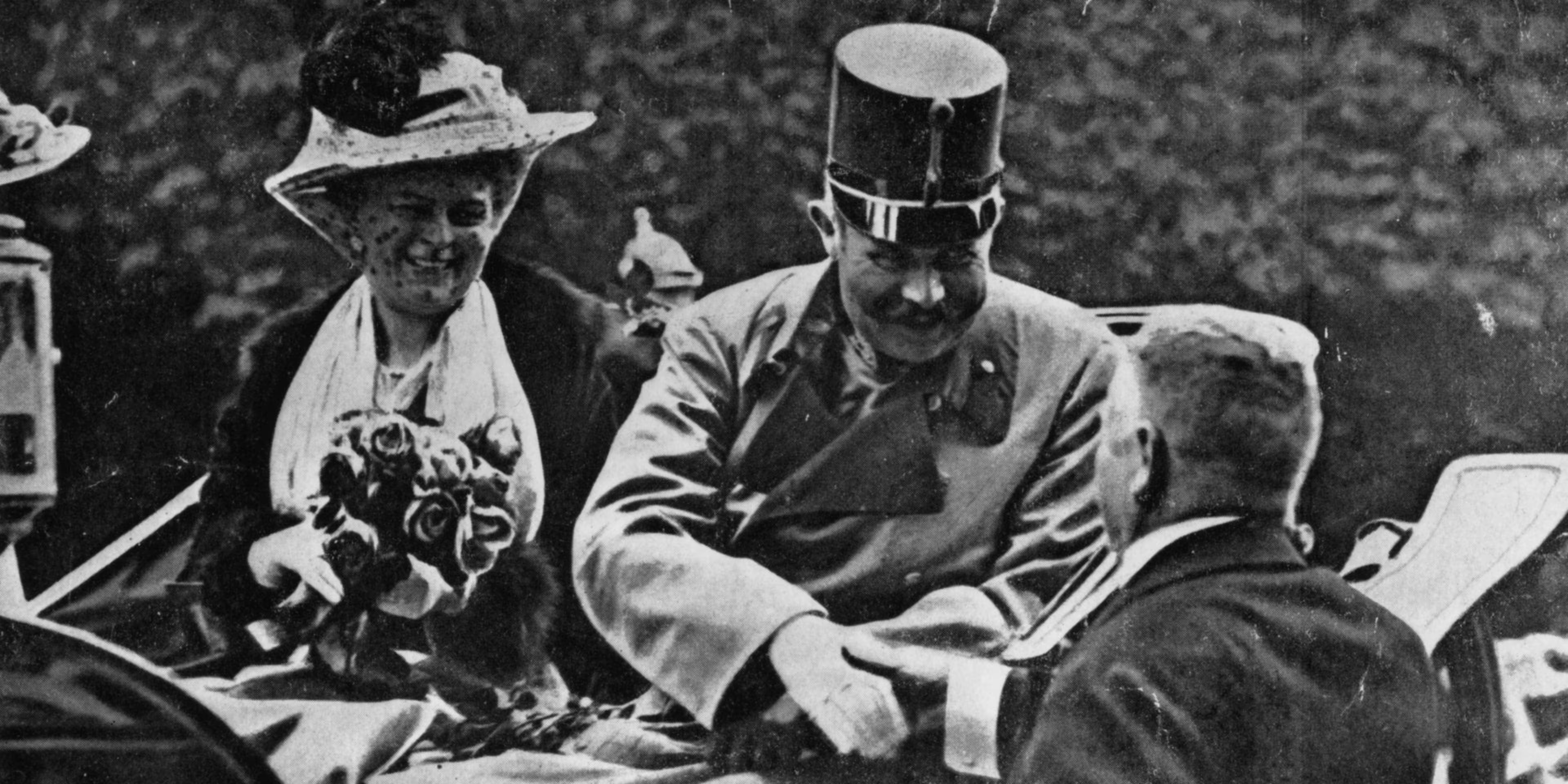
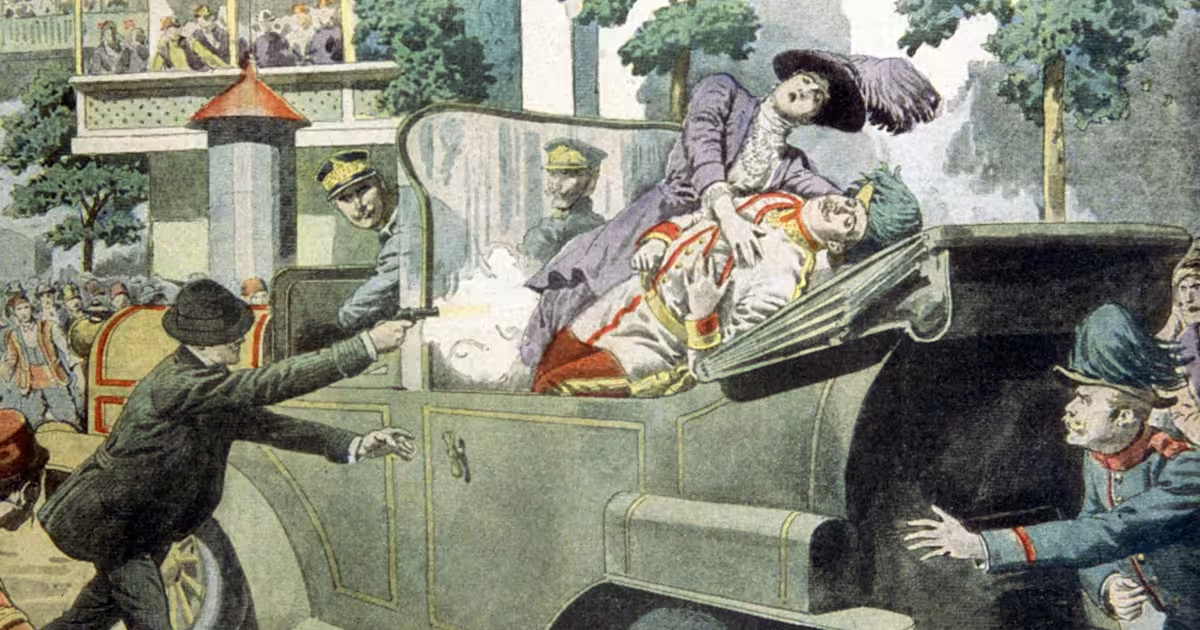
Archduke Franz Ferdinand and his wife Sophie moments before their assassination in Sarajevo.
What Happened?
June 28, 1914. Sarajevo. Archduke Franz Ferdinand, heir to the Austro-Hungarian throne, arrived with his wife Sophie for a state visit. The region was tense—Austria had annexed Bosnia-Herzegovina six years earlier, and Slavic nationalists were furious.
Among the crowd that day were members of the Black Hand, a secret Serbian nationalist group. Armed with pistols and cyanide pills, they scattered along the Archduke’s route, determined to kill the symbol of imperial oppression.
The first attempt failed. A grenade thrown at the royal car missed, injuring bystanders instead. The would-be assassins scattered or were arrested. The Archduke continued the visit, shaken but alive.
Later that morning, plans changed. Franz Ferdinand decided to visit the wounded in the hospital—a detour from the original motorcade route. Unfortunately, no one told the driver. He turned right onto Franz Josef Street, just as the Archduke was correcting him.
Parked on that very corner was Gavrilo Princip, a 19-year-old Black Hand member. He had missed his chance earlier and was grabbing a sandwich when fate—or coincidence—handed him another. The Archduke’s car stalled directly in front of him.
Princip pulled his pistol. He shot Franz Ferdinand and Sophie at point-blank range. Both died within minutes.
The response was immediate—and catastrophic. Austria-Hungary blamed Serbia. Russia backed Serbia. Germany backed Austria. France, Britain, and eventually the United States were dragged into a global inferno.
What followed was four years of trench warfare, poison gas, and unprecedented destruction. The war killed over 20 million people, collapsed empires, and laid the foundation for everything from World War II to the Cold War, from the Russian Revolution to the rise of fascism.
And yet it all might have been avoided—if the driver had stayed on the planned route.
Why It Matters
Sometimes history hinges not on grand strategy or powerful speeches, but on pure, gut-wrenching accident. The assassination of Archduke Ferdinand reminds us how fragile peace can be—and how quickly small moments can spiral into global catastrophe.
?
What political tensions in Europe made war likely even before the assassination?
Who were the Black Hand and what did they want?
How did the assassination lead to alliances falling like dominoes into war?
Could World War I have been avoided if the driver had not made that wrong turn?
How did the end of World War I set the stage for World War II?
Dig Deeper
Archduke Ferdinand's assassination caused the outbreak of World War I, but what caused the assassination itself? It may have been something as simple as a wrong turn.
Related
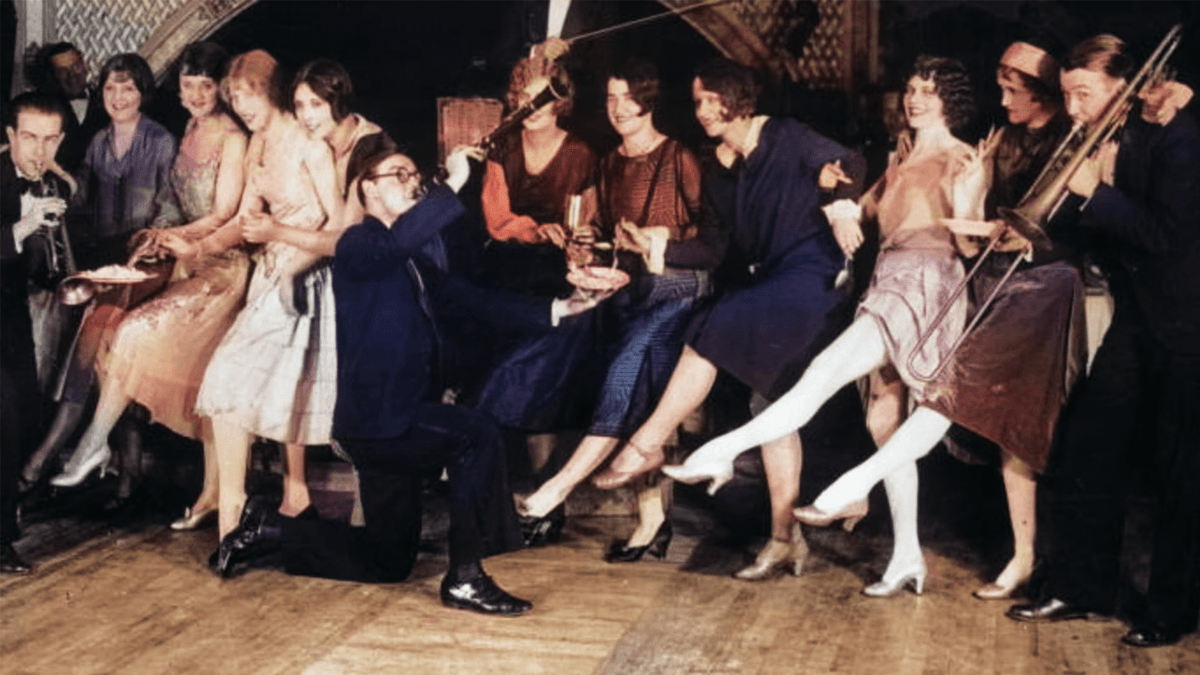
The Roaring Twenties: Prosperity, Culture, and Conflict
The 1920s were a decade of booming technology, jazz, and consumer culture—but beneath the excitement were deep social tensions and cultural conflicts.
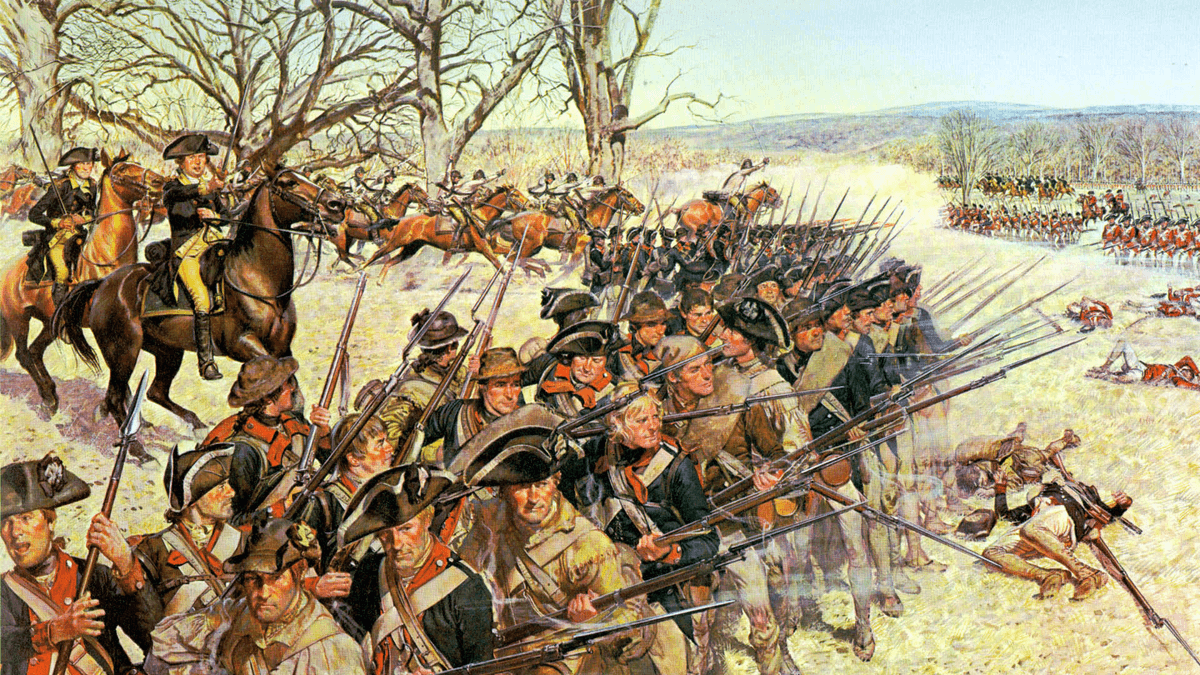
The American Revolution: Liberty, Loyalty, and North Carolina’s Role
The fight for independence wasn’t just fought in Boston and Philadelphia—it reached the farms, rivers, and hearts of North Carolina. Learn how the war unfolded, who fought, and why freedom remained a promise still waiting to be fulfilled for many.
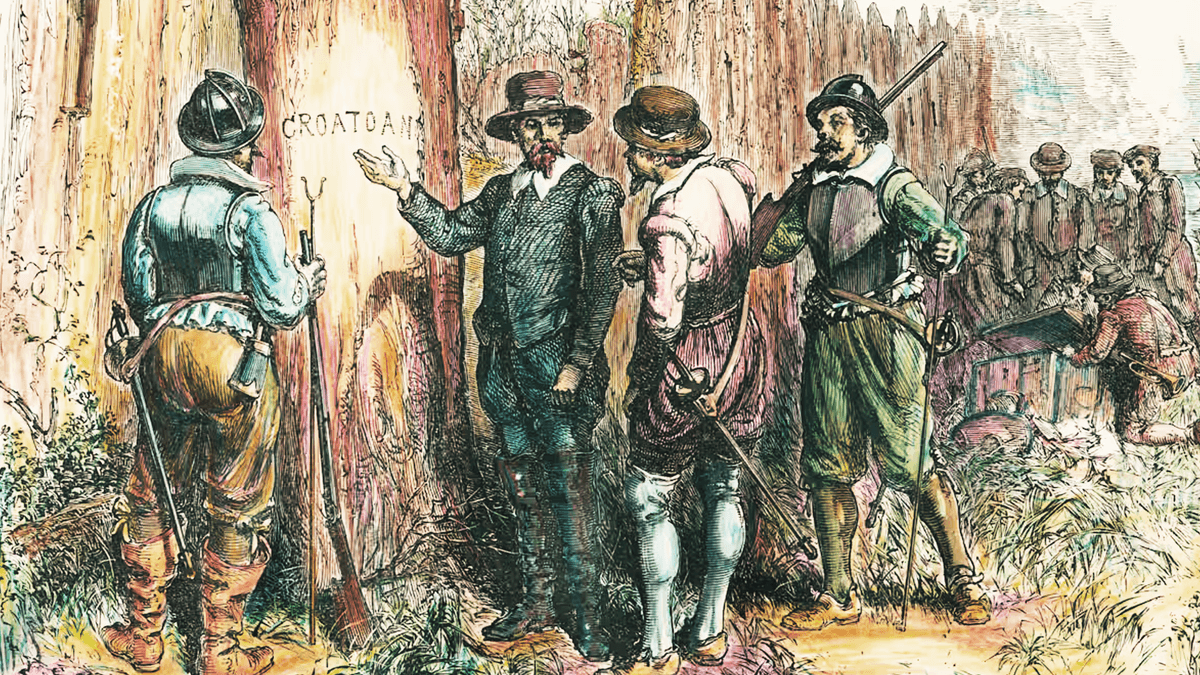
English Colonization: Roanoke, Jamestown, and Early Settlements
From vanished colonies and tobacco empires to pirates and indigenous resistance, the story of England’s first attempts at colonization in North America is anything but boring.
Further Reading
Stay curious!