

The Sword That Sparked a Revolution
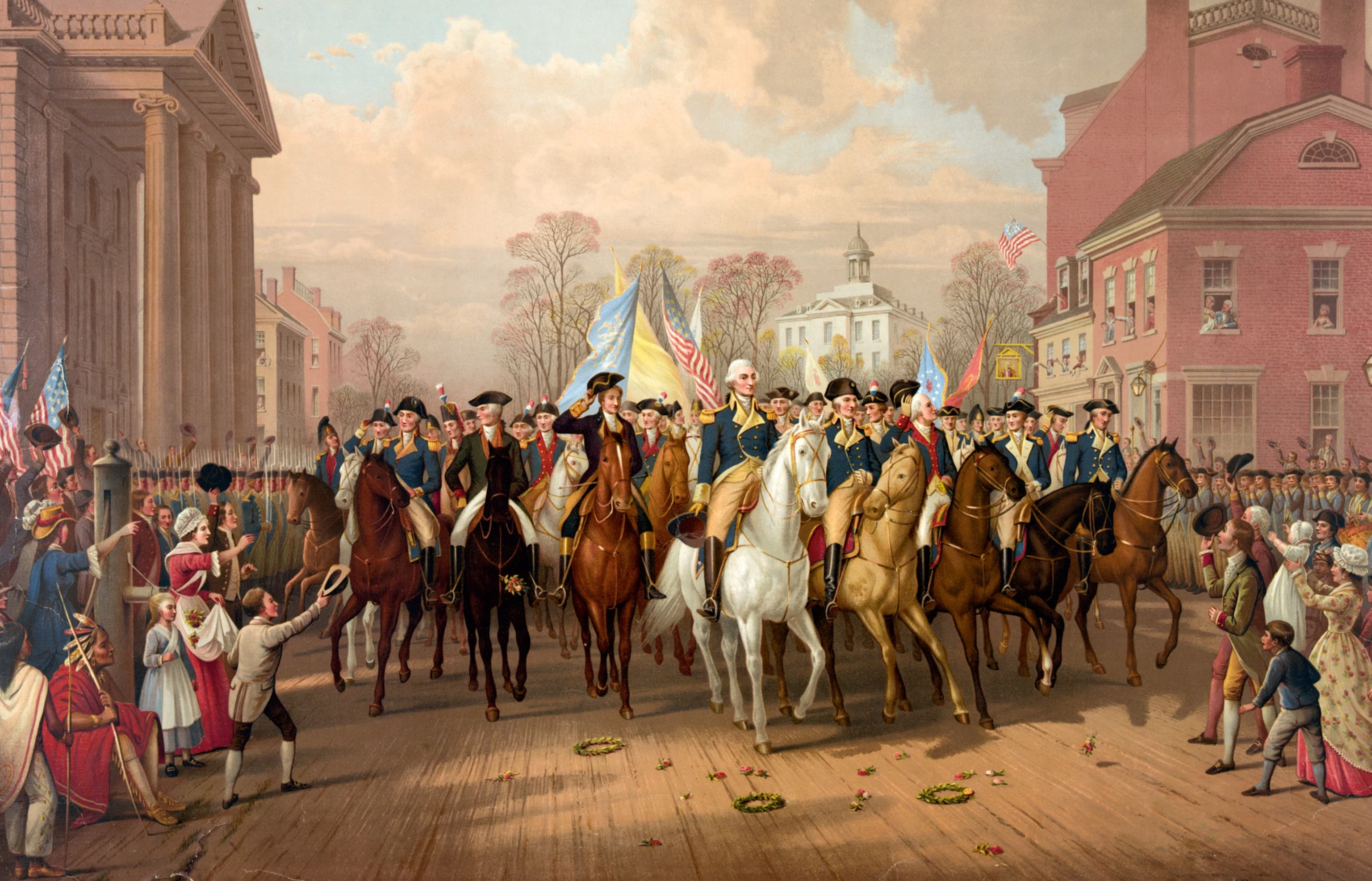
George Washington assumes command of the Continental Army.
What Happened?
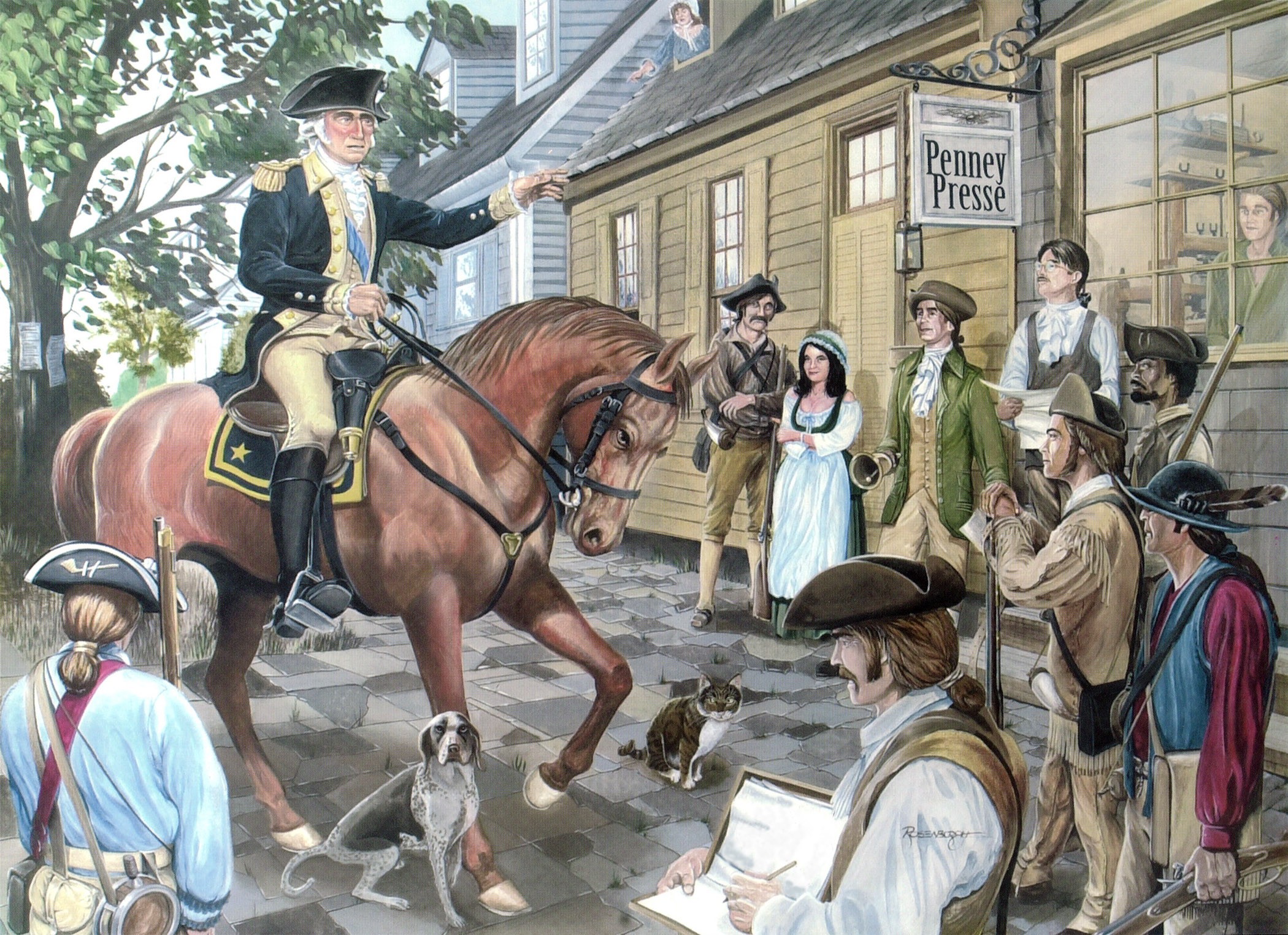
July 3, 1775. Cambridge, Massachusetts. George Washington rode onto the Common, mounted on horseback, wearing a blue sash and bearing the weight of a new nation’s hopes. With a simple gesture—drawing his sword—he formally took command of the Continental Army, a collection of undisciplined militias barely held together by shared outrage and regional pride.
Washington had been appointed Commander-in-Chief by the Second Continental Congress just weeks earlier. His nomination wasn’t a foregone conclusion—others had better military résumés. But Washington’s Virginia roots gave the rebellion a desperately needed sense of unity between the northern and southern colonies.
What he inherited was, in his own words, 'a numerous army of Provincials under very little command, discipline, or order.' The men were underfed, undertrained, and underequipped. Officers were often self-appointed, and soldiers lacked basic hygiene or consistency in command. Even the army’s size was unclear. Estimates ranged from 18,000 to as low as 14,000.
Cambridge became his headquarters. The town, scenic and quiet, stood in stark contrast to the chaos of the encampments surrounding it. Local legends claim Washington’s command ceremony took place beneath an elm tree on the Common. Ceremony or not, that moment became a symbol—the spark of a professional army formed from volunteers, farmers, and blacksmiths willing to risk it all for liberty.
From this base, Washington led the Siege of Boston, a strategic stalemate that pinned British forces in the city while the Americans built fortifications and scouted artillery. In March 1776, Washington’s forces positioned cannons on Dorchester Heights, forcing the British to retreat. It was a psychological victory and a turning point in the war’s earliest phase.
Washington refused to take a salary—only reimbursement for his expenses. It wasn’t a performance. It was principle. He saw leadership as duty, not power.
In the years that followed, he would lead this amateur army through crushing defeats, brutal winters, and near-collapse. But he would also deliver stunning victories at Trenton, Princeton, and ultimately Yorktown—where the British surrendered in 1781.
After the war, Washington returned briefly to civilian life at Mount Vernon before becoming president of the Constitutional Convention in 1787. He was unanimously elected the first president of the United States in 1789. And when he stepped down voluntarily after two terms, he set a precedent that shaped American democracy more than any law ever could.
But it all started here—with a man on a horse, a sword in his hand, and a vision of freedom not yet written in ink or blood. A beginning beneath an elm tree. A revolution, not yet won—but unmistakably underway.
Why It Matters
George Washington’s assumption of command wasn’t just about military leadership. It was a moment when 13 disjointed colonies began to cohere into a nation. His presence gave structure to chaos, dignity to rebellion, and faith to a cause most thought doomed. That sword on Cambridge Common was more than metal—it was a promise that liberty would be defended, no matter the odds.
?
Why did the Continental Congress choose George Washington to lead the army?
What challenges did Washington face when taking command in Cambridge?
How did the Siege of Boston influence the early stages of the Revolutionary War?
What qualities made Washington a successful leader despite his lack of formal military training?
How did Washington’s leadership style influence the structure of the American presidency?
Dig Deeper
Learn how George Washington turned a disorganized militia into the backbone of the American Revolution—and why his leadership still resonates today.
Related
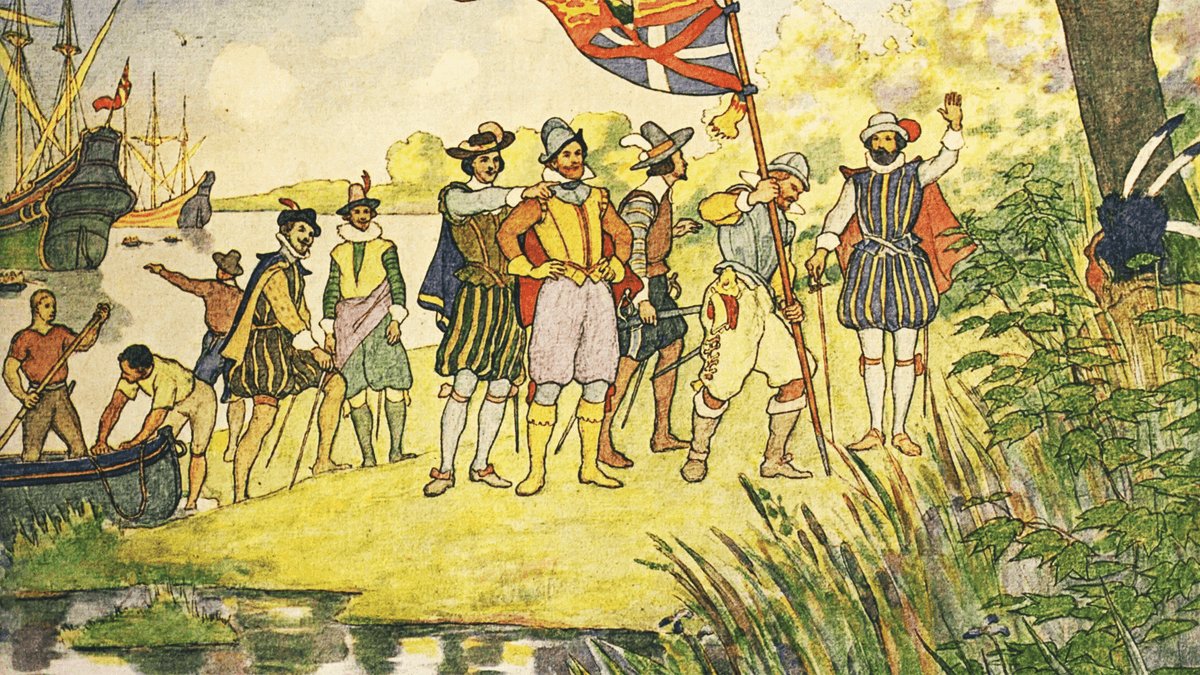
Joint-Stock Companies: Capitalism, Colonization, and Risk
Without joint-stock companies, there might be no Jamestown, no thirteen colonies—and no United States. These early capitalist ventures let investors fund risky New World settlements without bankrupting the Crown.
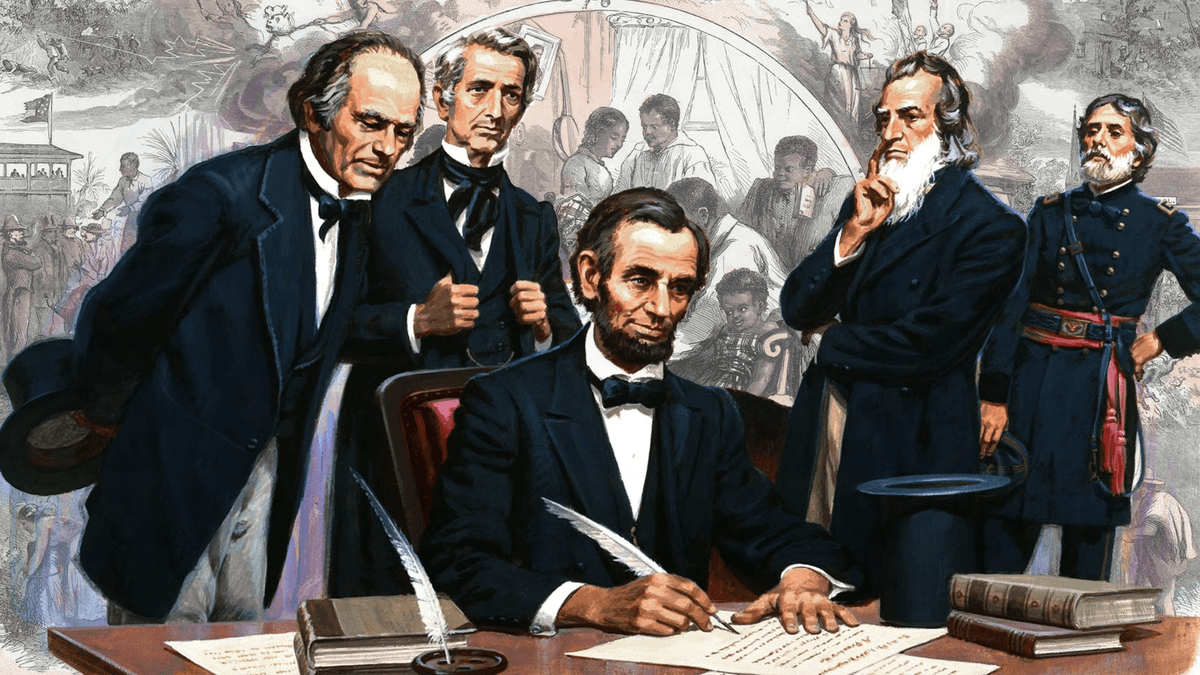
The Emancipation Proclamation & The 13th Amendment
Freedom on paper is one thing; freedom in practice is another. The Emancipation Proclamation and the 13th Amendment were giant leaps toward liberty—yet the road ahead for formerly enslaved people was long and uneven.
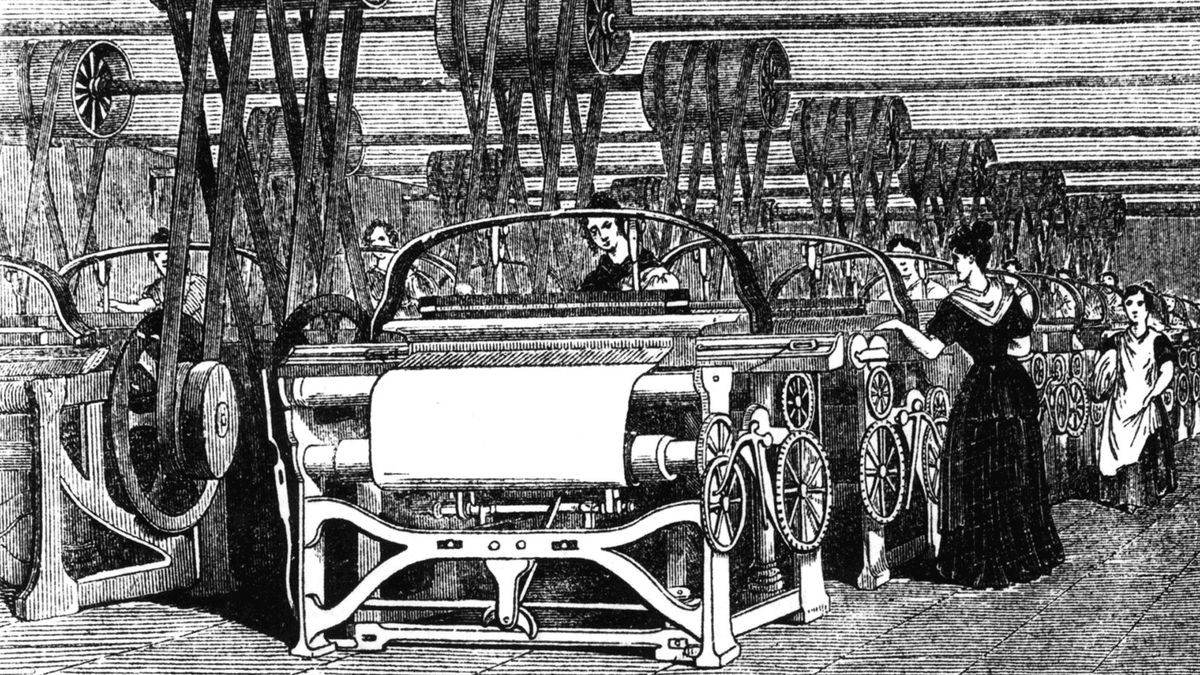
Early Industry and Economic Expansion (1800–1850)
From gold mines in North Carolina to textile mills and telegraphs, discover how the Market Revolution transformed the way Americans lived, worked, and connected in the early 19th century.
Further Reading
Stay curious!