

U.S. Seizes San Francisco
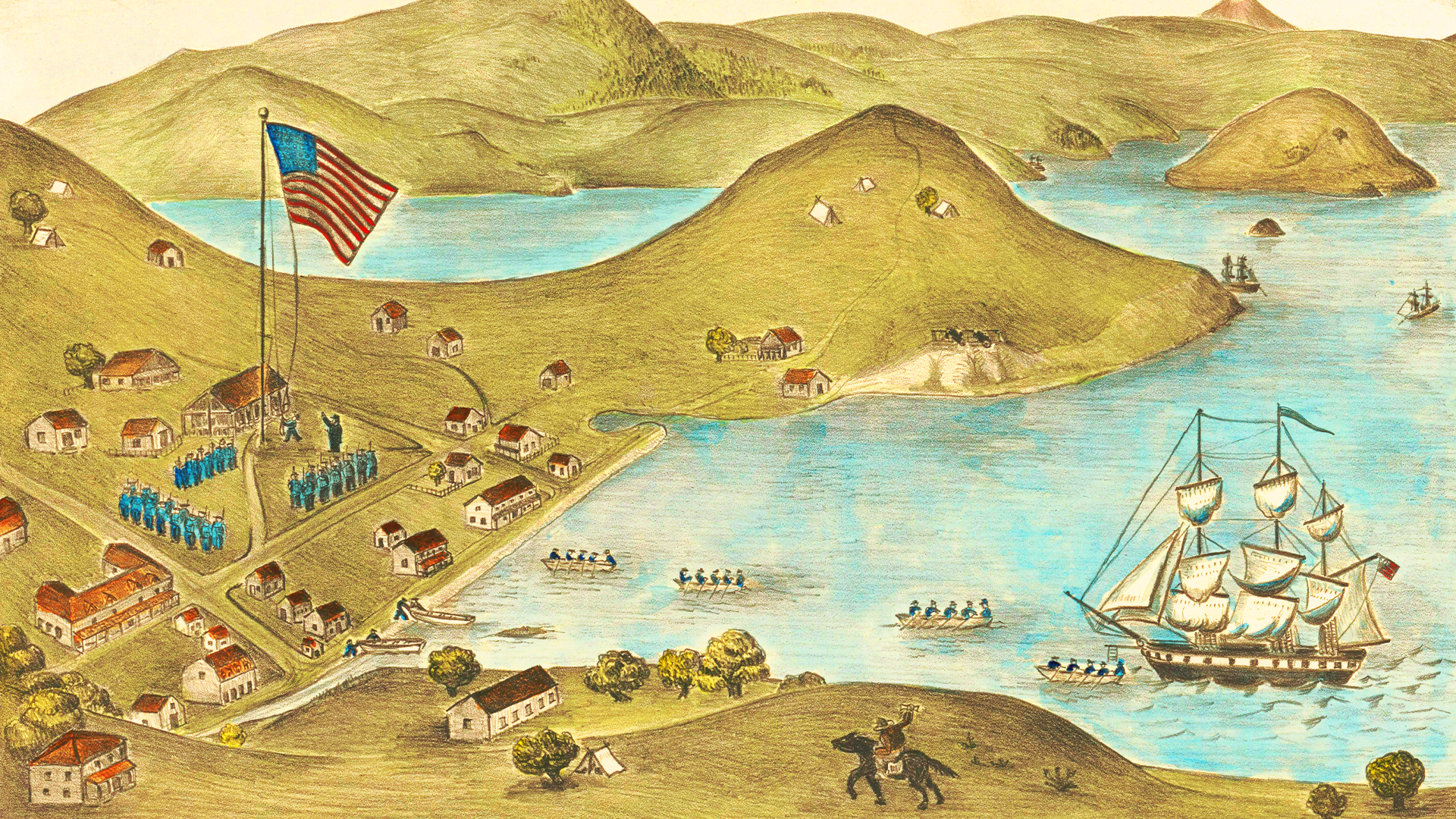
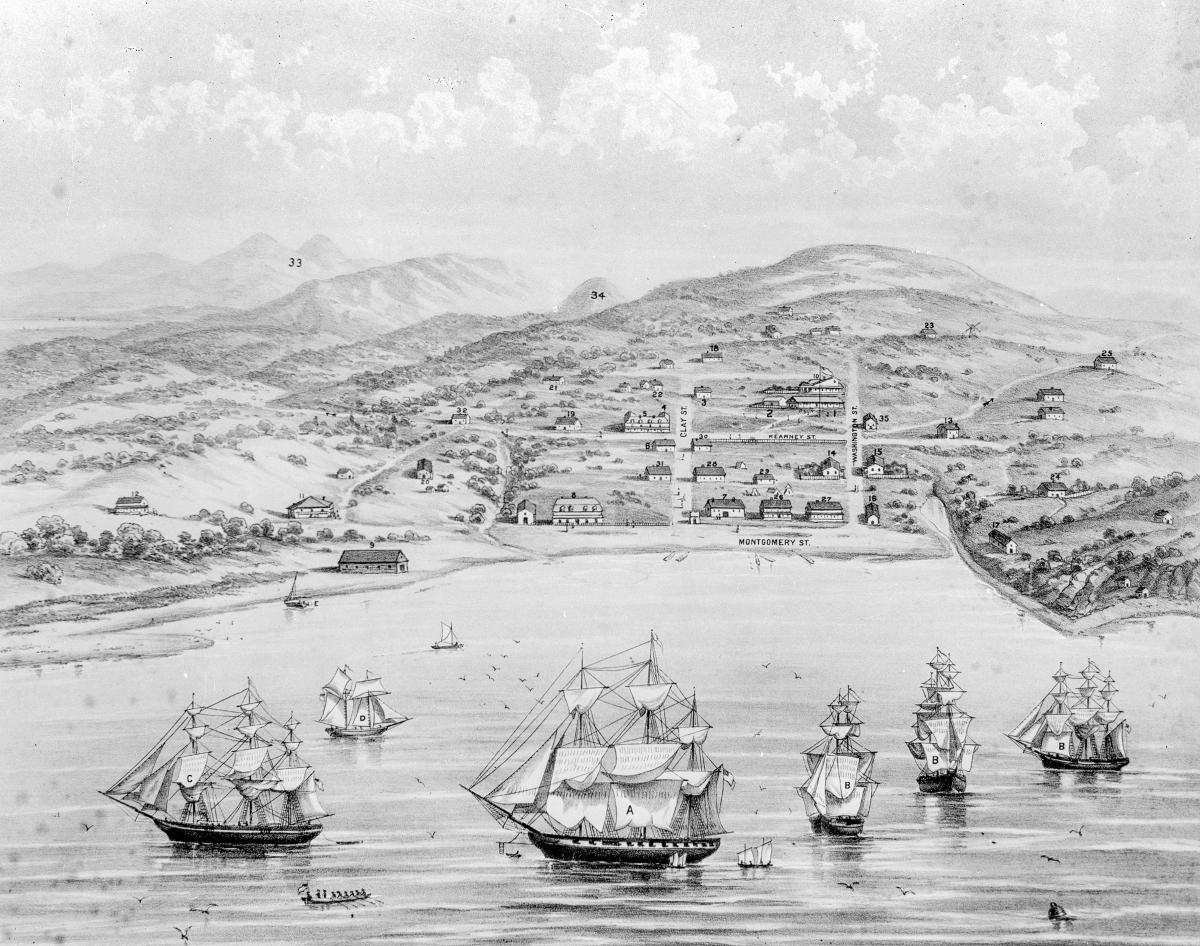
U.S. Marines raising the American flag over Yerba Buena, the small coastal settlement that would become San Francisco.
What Happened?
By the mid-19th century, Yerba Buena was little more than a coastal village near a Catholic mission and a crumbling Spanish presidio. But to global powers eyeing the Pacific, San Francisco Bay was a glittering prize—deep, defensible, and full of future promise.
The United States had already tried to buy the land in 1835. Mexico said no. Then came the Mexican-American War, and the calculus changed. As tensions flared, Commander John B. Montgomery of the USS Portsmouth sailed into the bay and anchored just offshore.
On July 9, 1846, Montgomery led a contingent of U.S. marines ashore. They met no resistance. In the town plaza, they raised the American flag and declared Yerba Buena under U.S. control. Within a year, the town would be renamed San Francisco.
The act was quiet, but the consequences weren’t. In just two years, the Gold Rush would turn sleepy San Francisco into a chaotic boomtown. What had once been the northern fringe of Mexico became the front door to America’s Pacific empire.
Commander Montgomery, though often overlooked, walked a fine line between diplomacy and ambition. His decision to take Yerba Buena without bloodshed reflected the delicate balance of conquest, paperwork, and power projection that defined the United States' expansion westward.
Why It Matters
The seizure of Yerba Buena marked more than a change of flags—it marked a pivot in American history. It foreshadowed California’s path to statehood, ignited the Gold Rush, and helped reshape global trade routes. This quiet moment on a foggy July morning set off waves that would ripple across the continent—and the world.
?
Why was San Francisco Bay considered so strategically important?
How did the Mexican-American War shape the modern map of the United States?
What role did the Bear Flag Revolt play in California’s transition from Mexican to American control?
Who was Commander John B. Montgomery, and how did he navigate the tensions of neutrality during the Bear Flag Revolt?
How did the U.S. justify its expansion into territories held by Mexico?
Dig Deeper
A wide-angle look at California's complex colonial, revolutionary, and gold-laced journey from Native land to American statehood.
Related
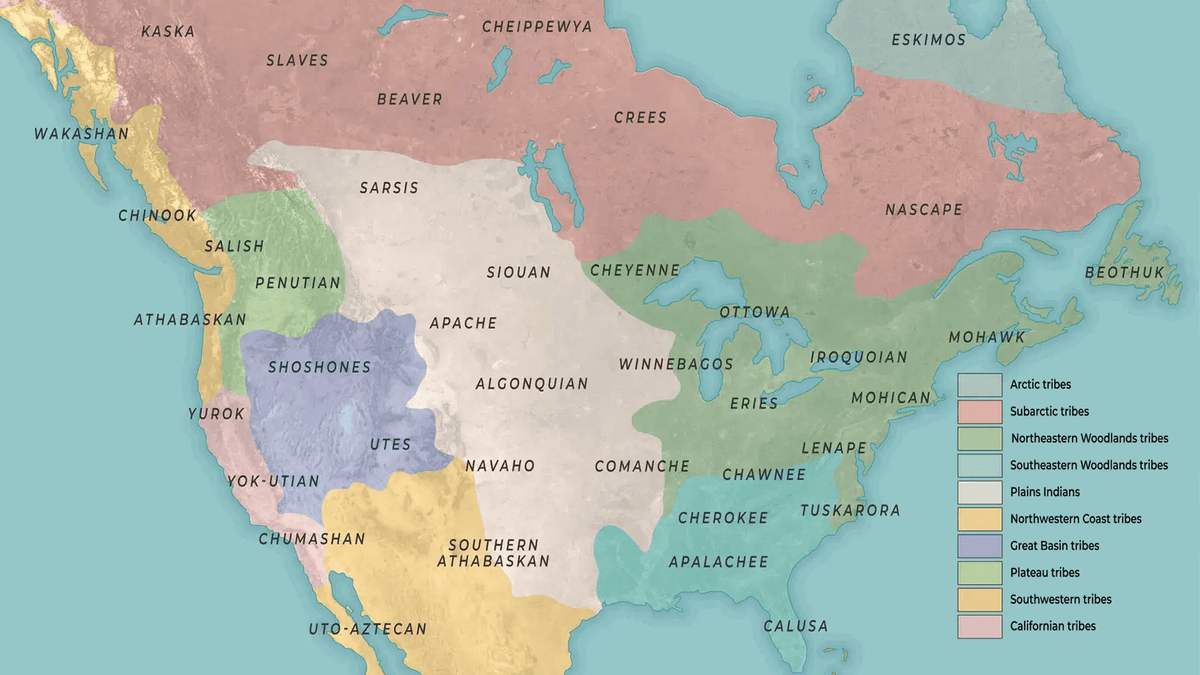
Indigenous Nations Before European Contact
Long before Columbus, Indigenous nations flourished across North America. From hunters following mammoths to farmers building vast trade networks, Native peoples shaped the land—and the land shaped them.
Developments in East Asia, 1200–1450
From Confucian bureaucracies to booming cities, East Asia between 1200–1450 reshaped global politics, culture, and technology.
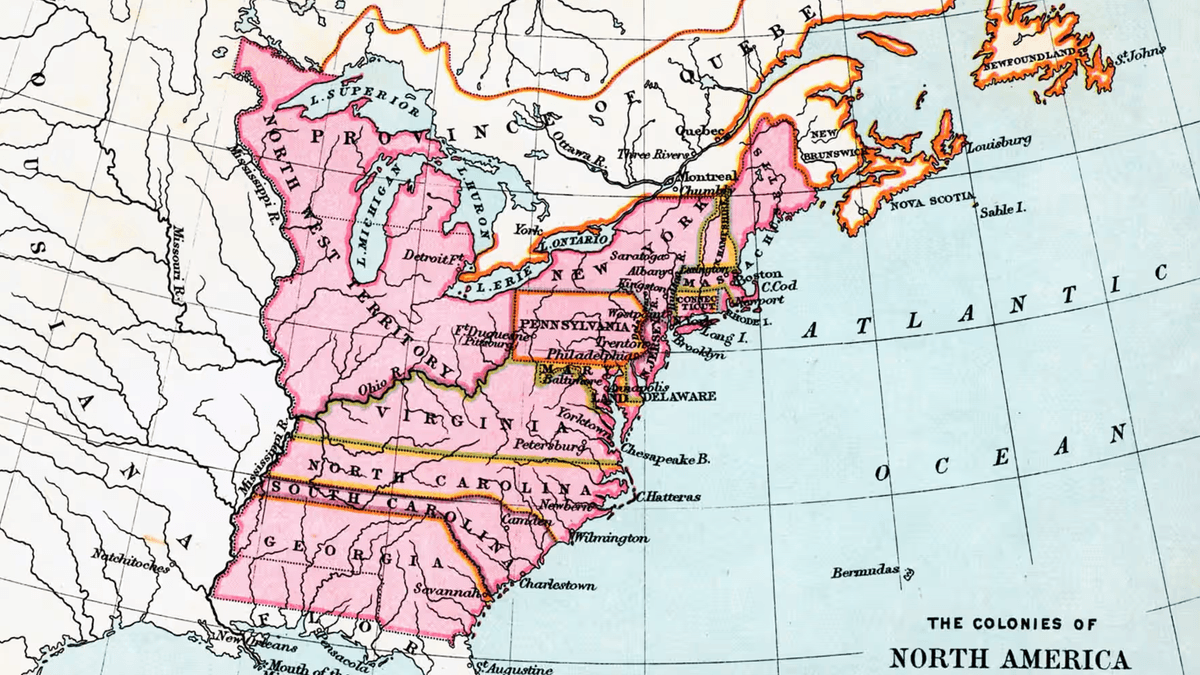
The 13 Colonies: Seeds of a New Nation
How did thirteen scattered colonies along the Atlantic coast grow into the foundation of a new nation?
Further Reading
Stay curious!