

Scopes Monkey Trial Begins
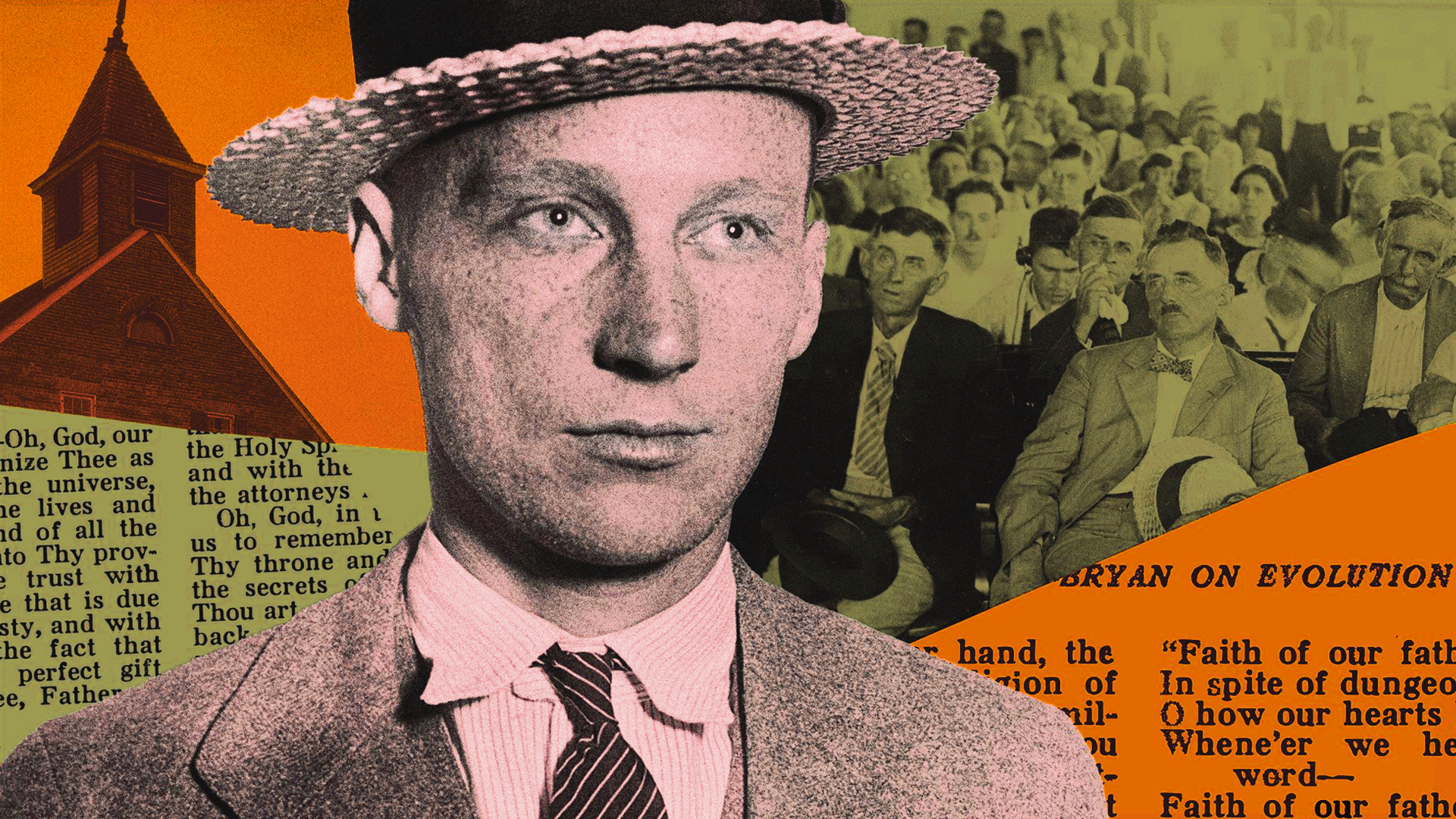
The Scopes Monkey Trial, which challenged the legality of teaching evolution in public schools.
What Happened?
On July 10, 1925, high school teacher John Scopes stood trial in Dayton, Tennessee, for violating a state law that banned teaching evolution in public schools. What followed was one of the most famous legal showdowns in U.S. history.
The case was a setup from the start. Scopes volunteered to challenge the new law at the urging of local leaders hoping to put Dayton on the map. The ACLU agreed to defend him. Soon, legendary attorney Clarence Darrow joined the defense, while William Jennings Bryan, former presidential candidate and Christian fundamentalist icon, joined the prosecution.
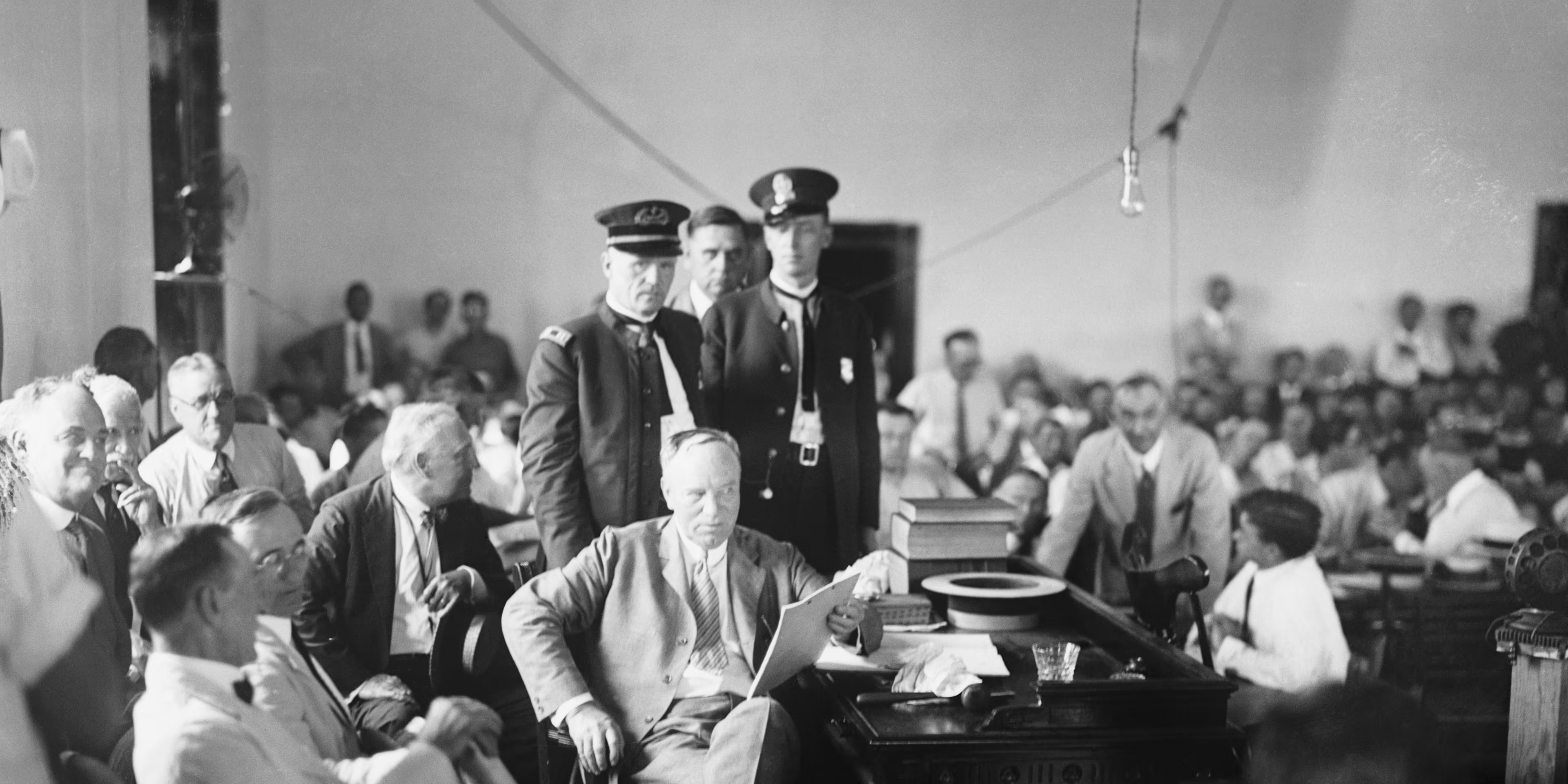
The trial became a national sensation. Preachers held revivals outside. Vendors sold toy monkeys. A chimpanzee in a plaid suit danced on the courthouse lawn. Inside, the judge banned expert testimony on evolution, and crowds sweltered as the debate over science, scripture, and civic values played out.
In a stunning twist, Darrow called Bryan to the stand and grilled him on the literal truth of the Bible, exposing contradictions and drawing laughter from the crowd. Bryan won the case but lost the argument.
Scopes was found guilty and fined $100, but the real legacy of the trial lived on. Though the Tennessee law stood for decades, the trial had cracked open a conversation that still echoes today: Who decides what we teach, and what happens when science challenges belief?
Why It Matters
The Scopes Trial staged a cultural reckoning between old and new America. At its core was a question we’re still asking: Can a democratic society make space for both faith and scientific inquiry? In Dayton, the courtroom became a mirror for a nation wrestling with modernity, morality, and the power of knowledge.
?
Dig Deeper
Archival footage of the famous Scopes Monkey Trial, where evolution and education were put under the national spotlight in 1925 Tennessee.
Related

The War on Terror: A New Era of U.S. Power
After the September 11th attacks, the United States didn't just declare war on terrorism—it redefined national security, global alliances, and the limits of civil liberties.
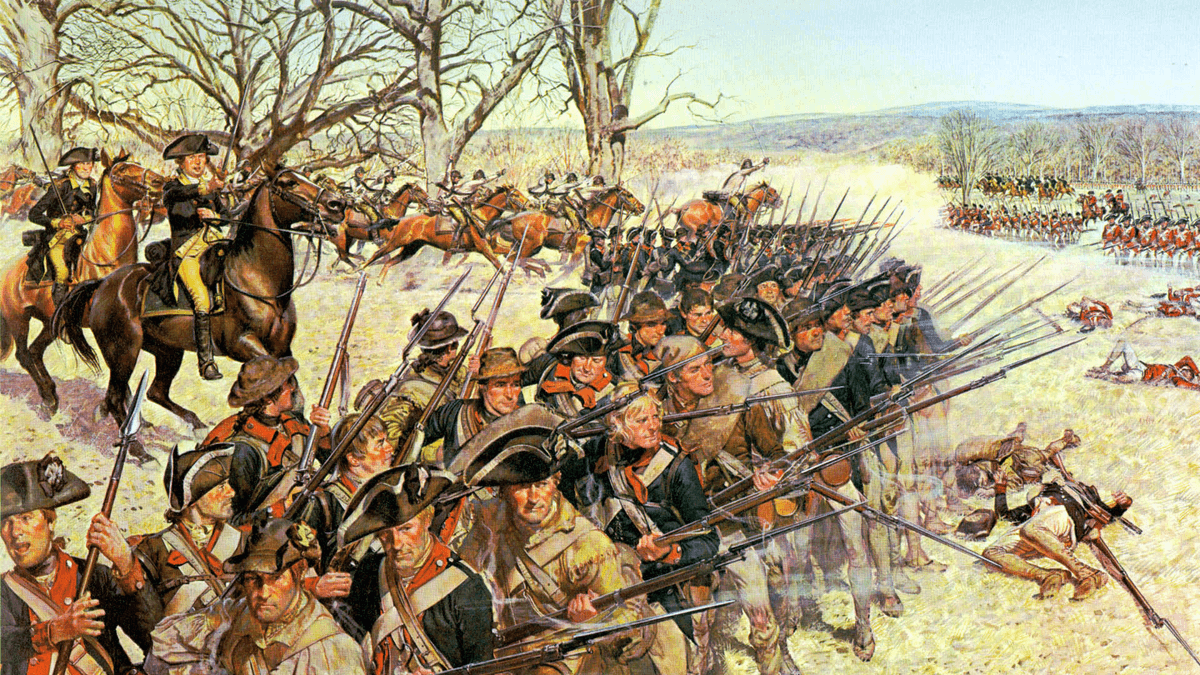
The American Revolution: Liberty, Loyalty, and North Carolina’s Role
The fight for independence wasn’t just fought in Boston and Philadelphia—it reached the farms, rivers, and hearts of North Carolina. Learn how the war unfolded, who fought, and why freedom remained a promise still waiting to be fulfilled for many.
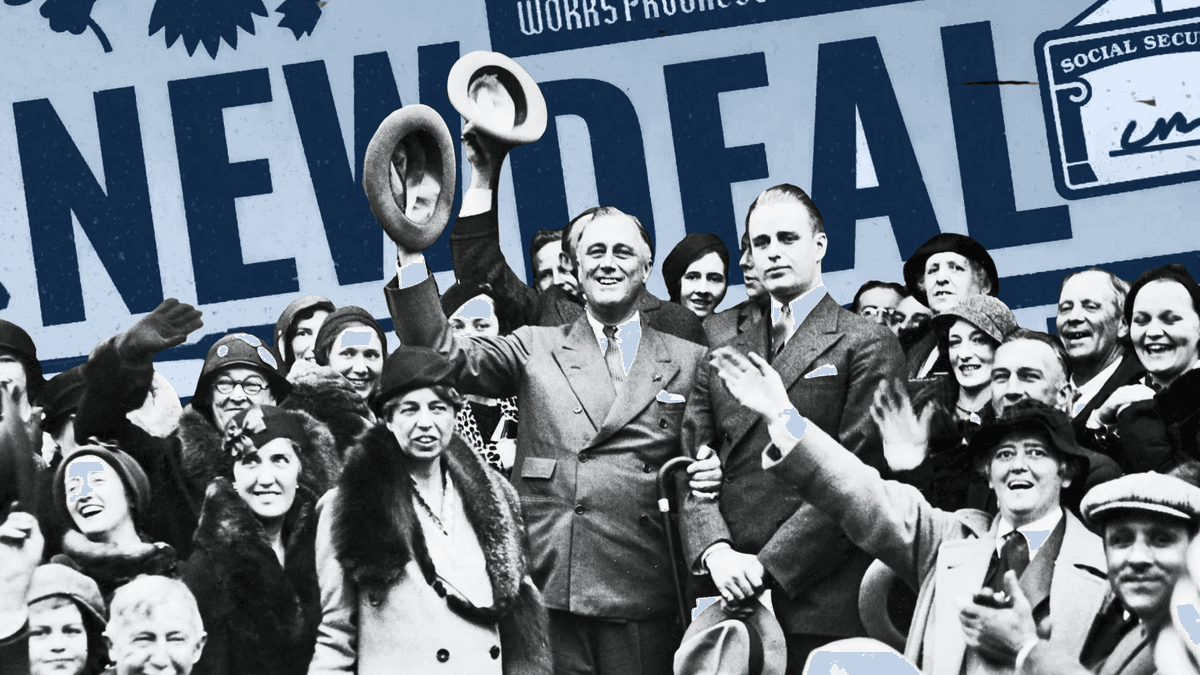
The New Deal: Fighting Depression with Bold Ideas
Faced with economic collapse, President Franklin D. Roosevelt launched a revolutionary plan to rebuild America from the ground up. The New Deal wasn’t just policy—it was a bold experiment in hope, action, and government responsibility.
Further Reading
Stay curious!