

The Duel That Shook the Republic
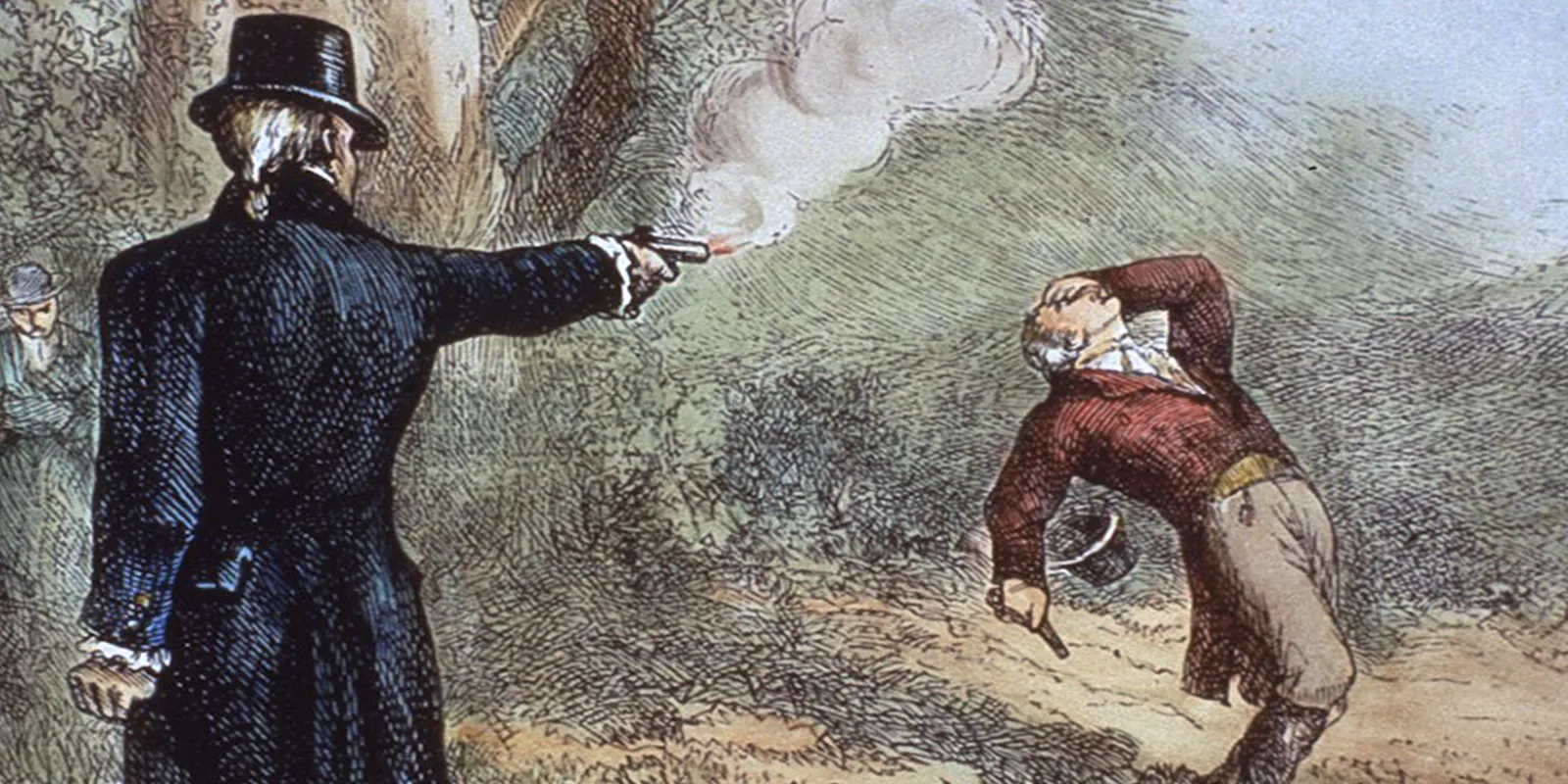
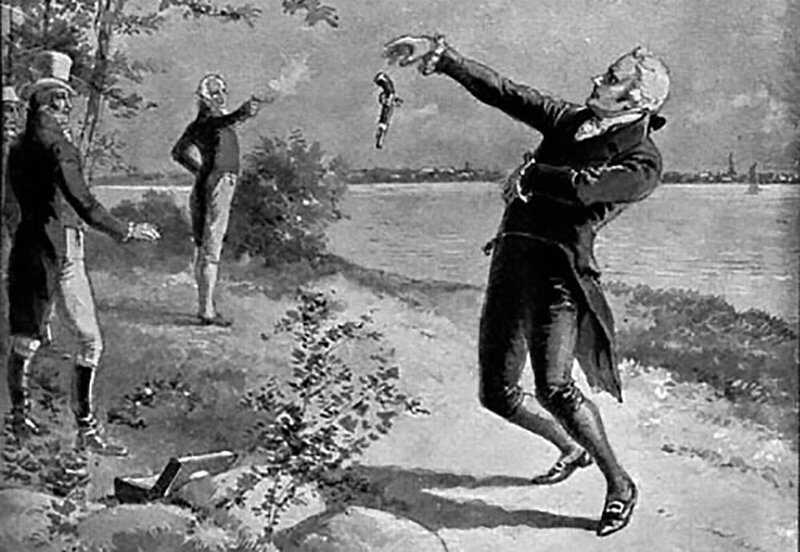
A painted reenactment of the Hamilton-Burr duel at Weehawken, showing Burr taking aim and Hamilton collapsing after being hit.
What Happened?
By 1804, the rivalry between Alexander Hamilton and Aaron Burr had become a national drama. Hamilton, a staunch Federalist, had long distrusted Burr, whom he called an opportunist with no moral compass. Burr, equally ambitious, viewed Hamilton’s relentless attacks as both personal and political sabotage. When a published letter quoted Hamilton calling Burr 'despicable,' it was the last straw.
On July 11, 1804, at the dueling grounds in Weehawken two political titans faced off with pistols. What happened next is still debated. Some say Hamilton fired into the air, refusing to participate. Burr’s bullet struck Hamilton in the abdomen, shredding his liver and spine. He died the next day.
Burr, still Vice President, was charged with murder but never convicted. Instead of restoring his reputation, the duel ended his political career. The public was outraged. Even in a culture that tolerated 'affairs of honor,' killing a national figure like Hamilton was a step too far.
Hamilton knew the duel might kill him but believed walking away would kill his legacy. In a letter written before the duel, he admitted that his moral, religious, and political beliefs opposed dueling, but refusing would tarnish his public life. The real tragedy? Both men lost everything. And the country learned just how sharp the edge of pride could be.
Why It Matters
The Burr-Hamilton duel is a cautionary tale about ego, honor, and the chaos of early American politics. It marked a turning point in public sentiment toward dueling and left a permanent stain on the Vice Presidency. More than that, it asked an early question of the republic: Can a democracy survive when its leaders are willing to kill for power?
?
Why was dueling considered an acceptable way to resolve political disputes in early America?
What role did honor and reputation play in political life during the early republic?
Could Alexander Hamilton have avoided the duel? Why didn’t he?
What was the public reaction to Hamilton’s death and Burr’s role in it?
How did this event impact the political careers of both Burr and Hamilton’s allies?
Dig Deeper
Dive into the infamous Burr-Hamilton duel and how it reflected the intense political rivalries and honor culture of early America.
Related
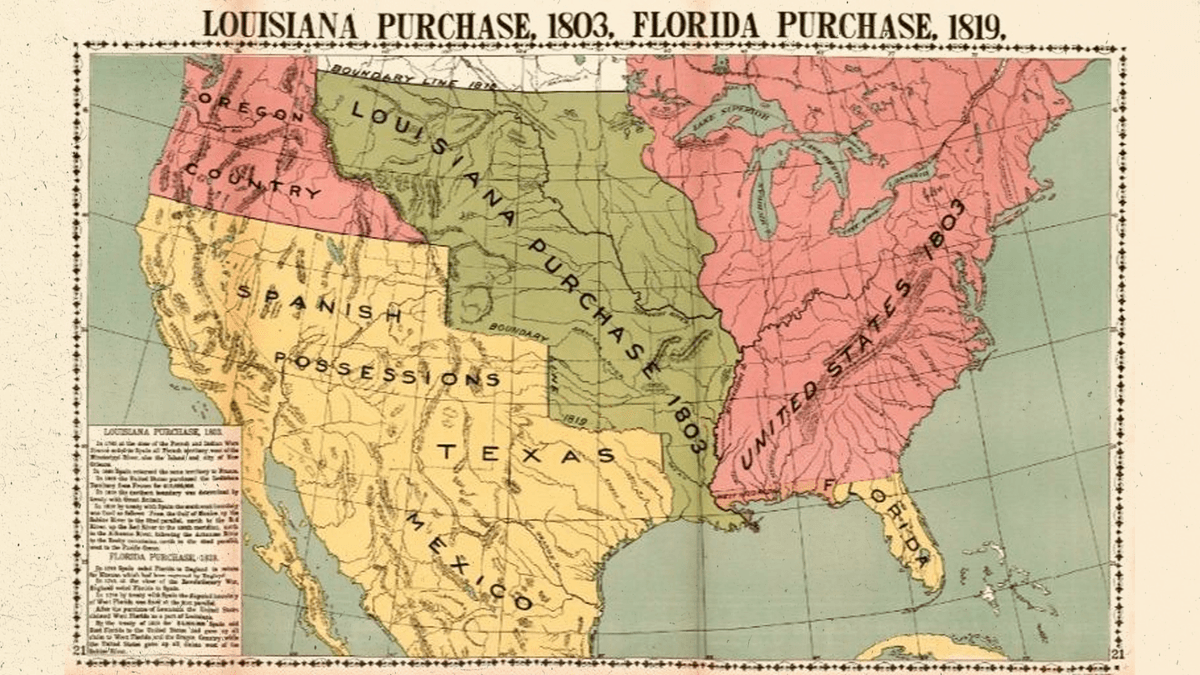
The Louisiana Purchase: A River, A Bargain, and a Bigger United States
In 1803 the United States bought the vast Louisiana Territory from France, doubling the nation’s size, securing the Mississippi River, and setting the stage for westward expansion and hard questions about slavery and Native sovereignty.
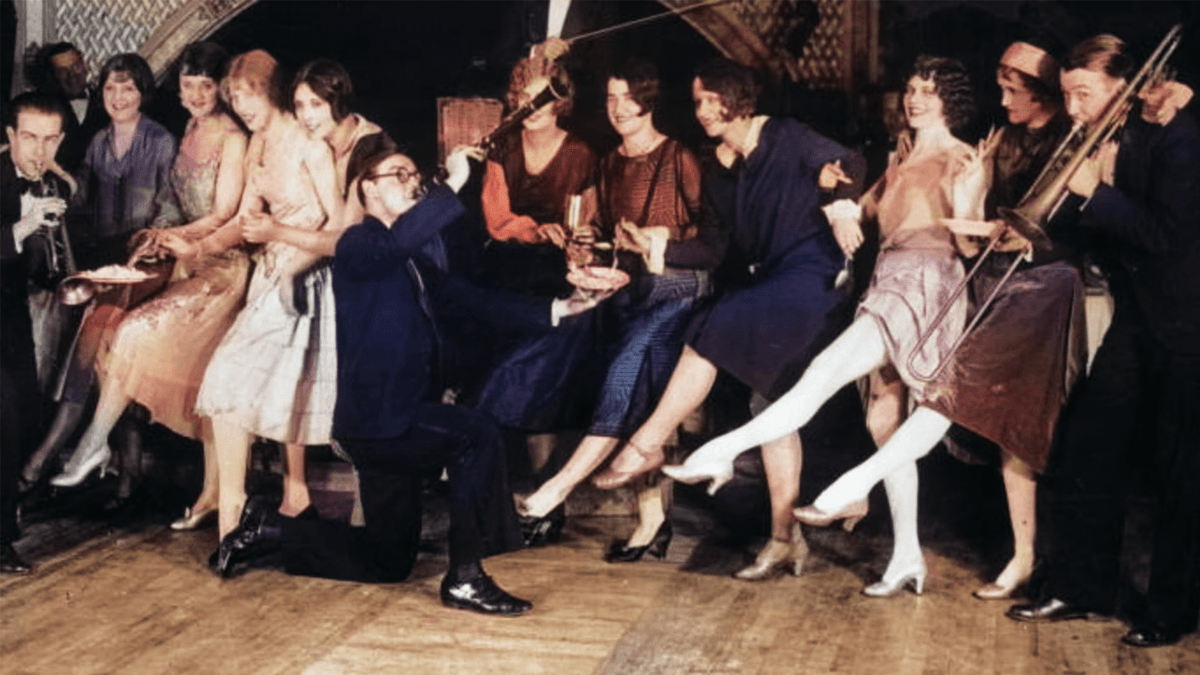
The Roaring Twenties: Prosperity, Culture, and Conflict
The 1920s were a decade of booming technology, jazz, and consumer culture—but beneath the excitement were deep social tensions and cultural conflicts.
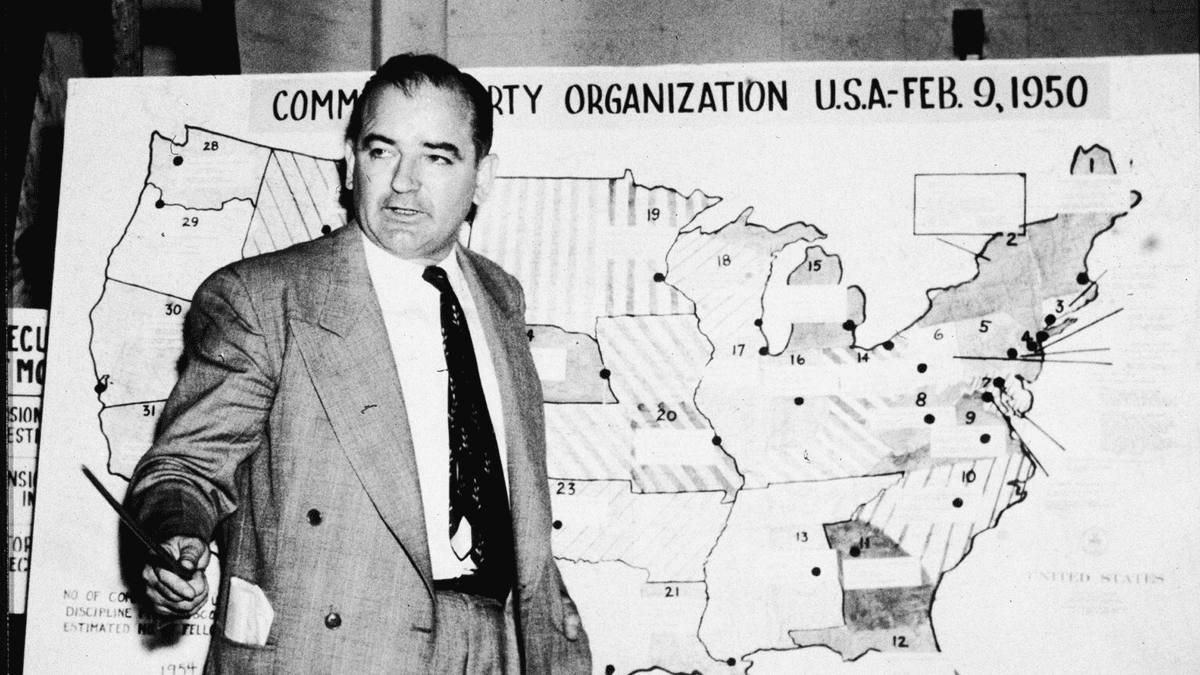
McCarthyism: Fear, Power, and the Red Scare
In the 1950s, fear of communism gripped America. Senator Joseph McCarthy fueled this fear by accusing hundreds of people of being communist traitors—often without proof. The result was a national panic that tested the meaning of truth, justice, and freedom.
Further Reading
Stay curious!