

Malala Speaks: A Global Call for Education
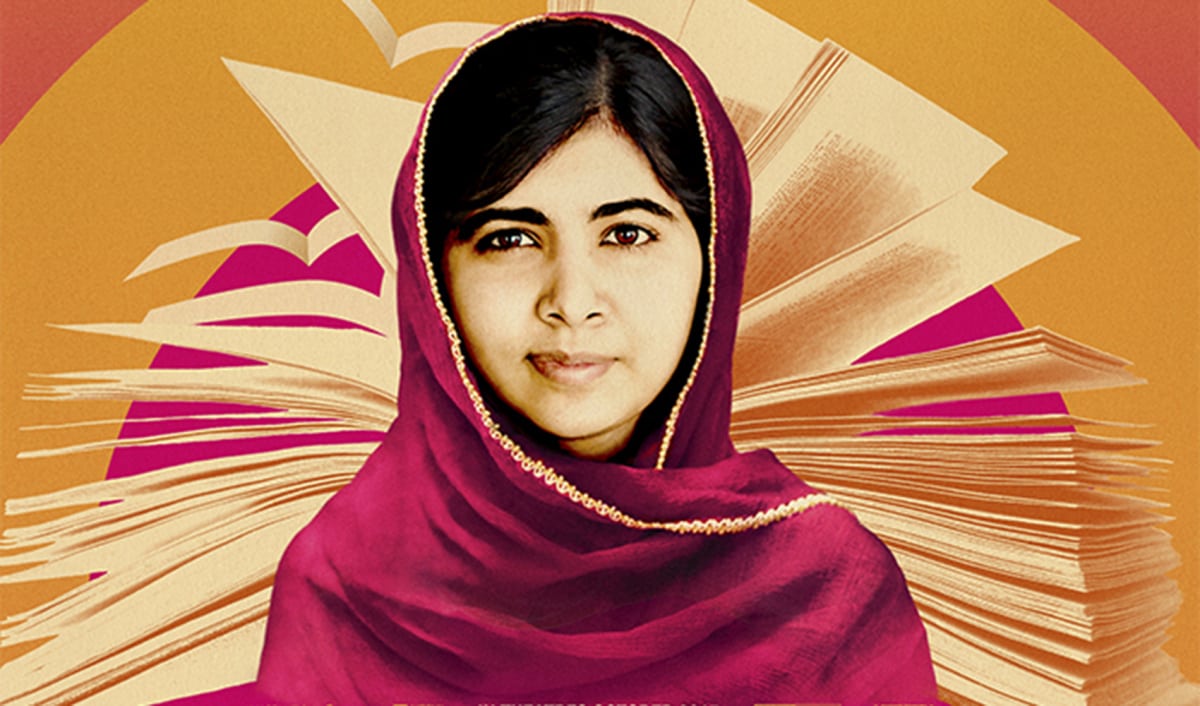
Malala Yousafzai delivered a powerful speech at the United Nations, advocating for global education and girls' rights.
What Happened?
On October 9, 2012, Malala Yousafzai was shot in the head by Taliban gunmen for speaking out about girls' right to education in Pakistan. She survived, recovered, and on July 12, 2013, her 16th birthday, she stood before the United Nations in New York, stronger than ever.
Malala’s speech wasn’t about revenge. It was about hope, peace, and power through knowledge. Wearing a shawl that once belonged to Benazir Bhutto, she declared, 'They thought the bullets would silence us, but they failed.' Her words echoed beyond the chamber: 'One child, one teacher, one book, one pen can change the world.'
Her speech, now known as 'Malala Day,' spotlighted the 57 million children still out of school and challenged world leaders to take action. She called on governments to fund education, protect students, and ensure that no girl is denied her right to learn, especially in conflict zones like Pakistan, Nigeria, and Afghanistan.
Malala refused to be framed as a victim. Instead, she spoke for the voiceless. She invoked not only her own pain, but the struggles of children affected by terrorism, poverty, and oppression. She named her inspirations — Gandhi, King, Buddha, Bacha Khan, her parents — and asked the world to follow their path of peace and justice.
Since that day, Malala has become a global symbol of resistance to tyranny through education. But July 12, 2013 marked the moment she claimed her platform, and invited the rest of the world to join her on it.
Why It Matters
Malala’s speech was more than a plea, it was a blueprint for global change. Her voice carried the weight of millions who are silenced daily by violence and poverty. By linking education with peace, she reframed it not as charity, but as a right. In doing so, she helped ignite a global movement that continues to challenge injustice and uplift the power of the pen over the power of the gun.
?
Why did Malala frame education as the most powerful weapon for change?
How did Malala’s speech redefine what it means to be a global leader?
What obstacles still prevent millions of girls from going to school?
How can students in free societies support global access to education?
Why was Malala’s refusal to seek revenge important to her message?
Dig Deeper
This short biography highlights Malala’s life, her recovery, and her growing role as a global advocate for girls' education.
In this heartfelt and funny interview with Jon Stewart, Malala speaks about her philosophy of peace, her near-death experience, and the global fight for education.
Related
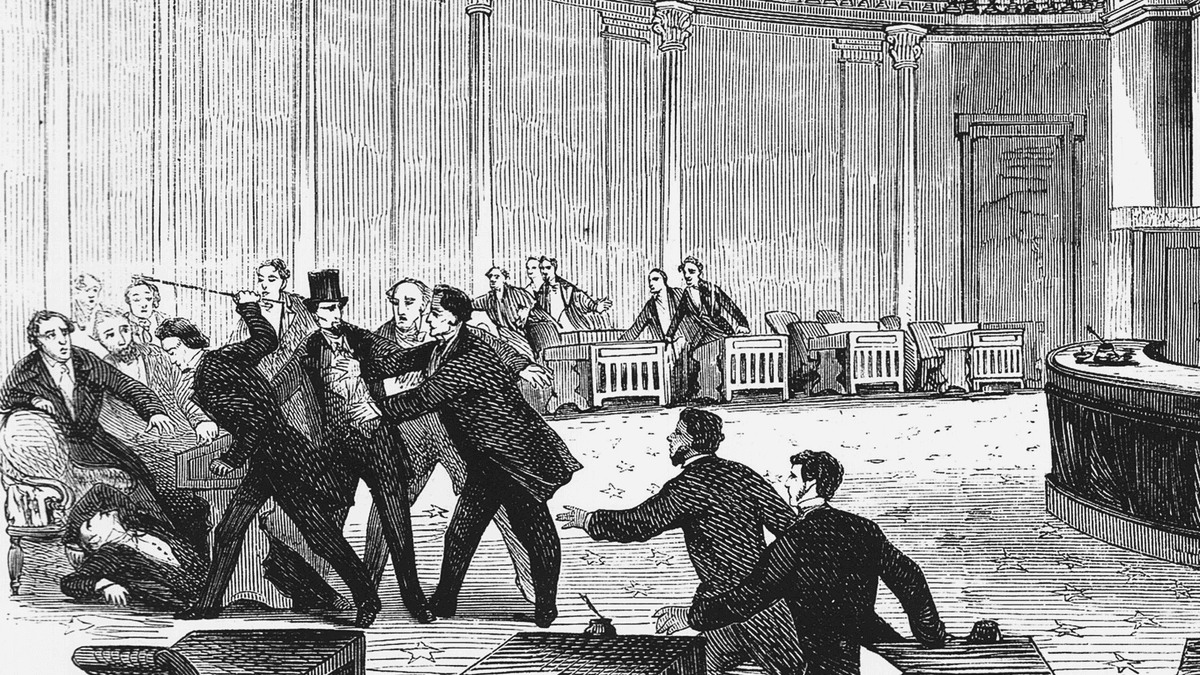
Prelude to War – Sectional Tensions and Failed Compromises
The uneasy balance between free and slave states collapsed in the 1850s, as 'compromises' like the Compromise of 1850 and Kansas-Nebraska Act inflamed tensions instead of easing them.
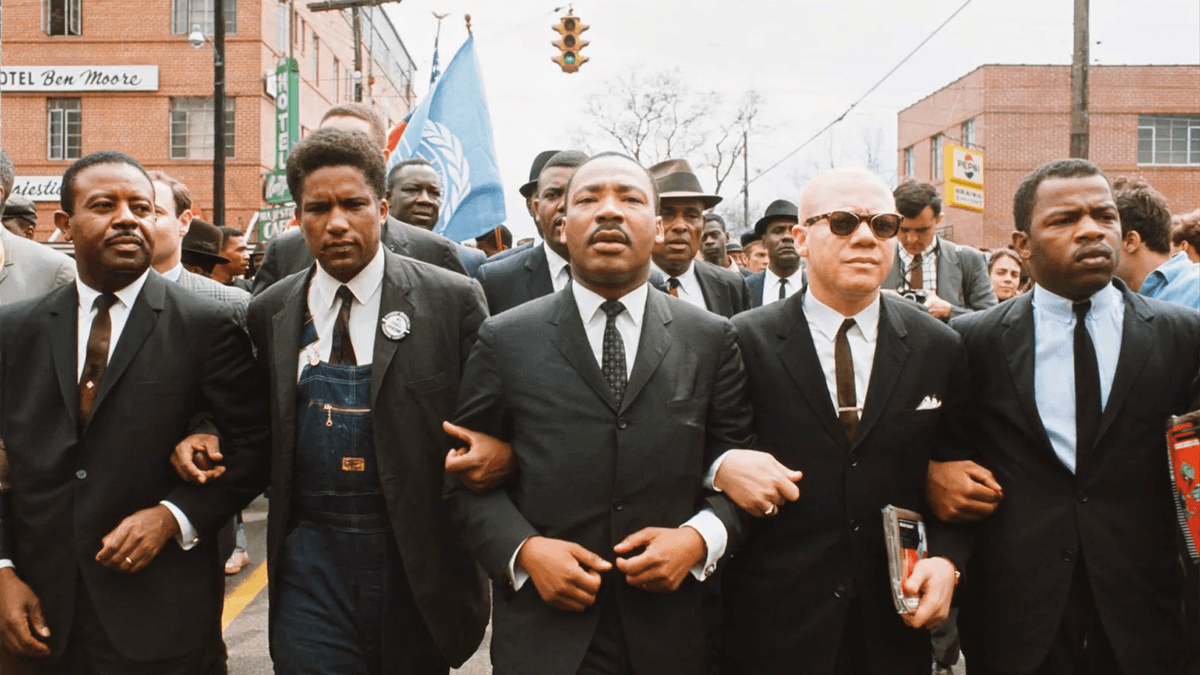
Montgomery Bus Boycott, Greensboro Sit-In, and the Rise of MLK
From Montgomery’s buses to Greensboro’s lunch counters, ordinary citizens ignited extraordinary change — and a new national leader emerged.
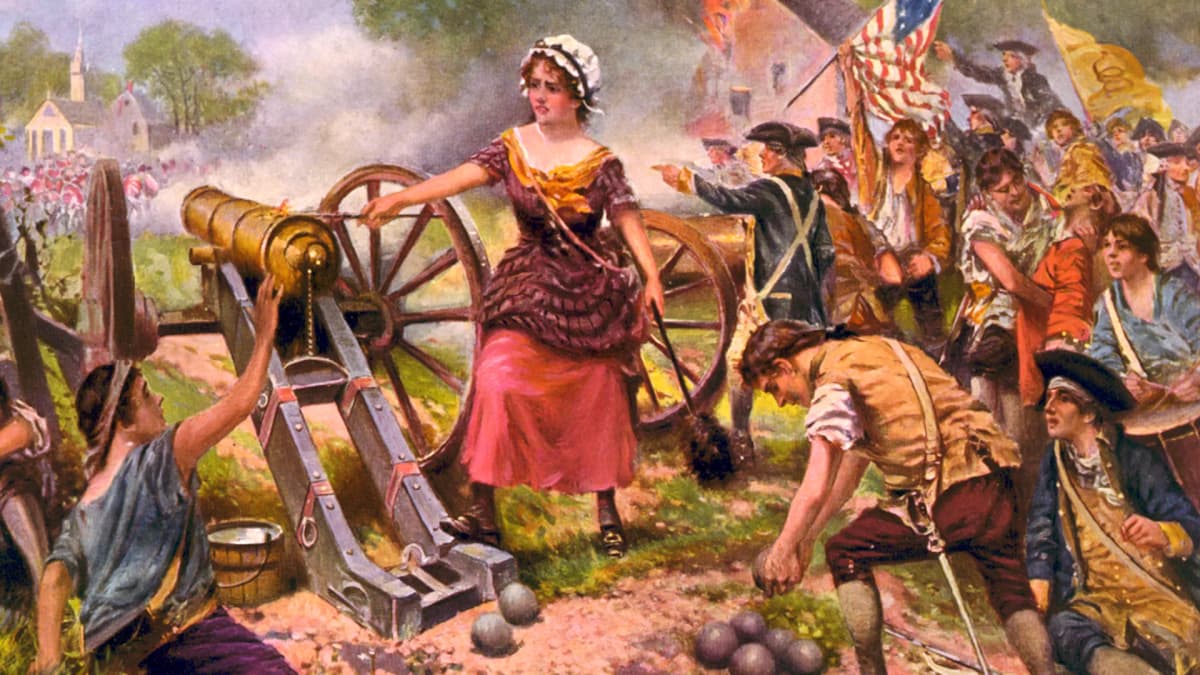
Who Was Molly Pitcher? Unpacking the Legend, the Facts, and the Firepower
Was she a single fearless woman, or the name shouted when soldiers needed water? The truth is more complicated—and more powerful. Meet the women behind the legend of Molly Pitcher.
Further Reading

Stay curious!