

The War on Terror Comes Home
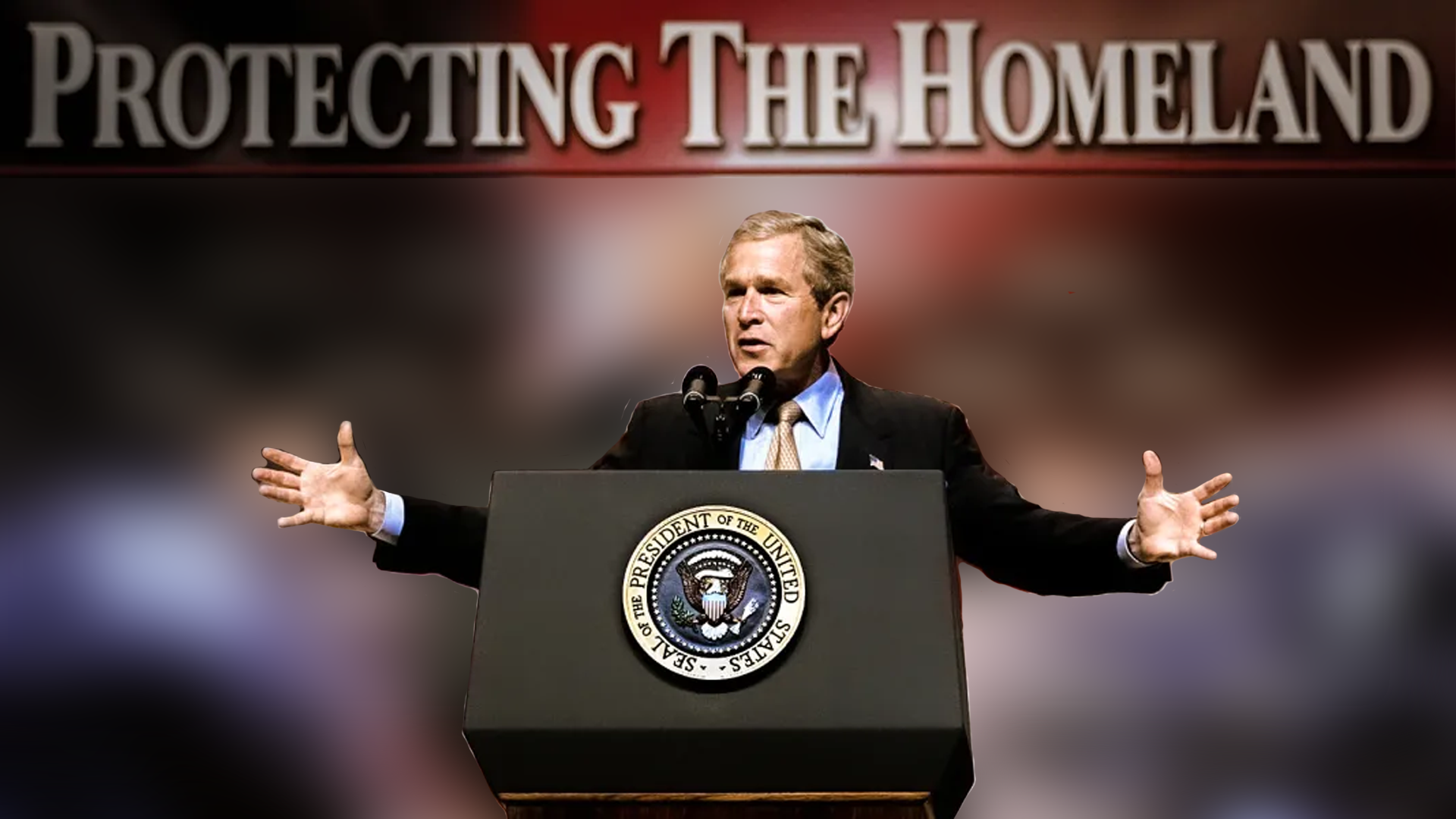
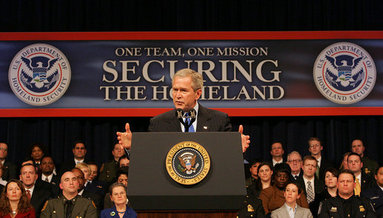
President George W. Bush at a podium announcing the Office of Homeland Security after the 9/11 attacks.
What Happened?
The attacks of September 11, 2001 left the United States reeling—and ready to rebuild its defenses from the ground up. Less than a year later, on July 16, 2002, President George W. Bush rolled out his administration’s new homeland security strategy. It was a bold, sweeping plan that fused military action, domestic surveillance, and executive authority into a single mission: to prevent another 9/11.
At the heart of the strategy was the newly created Office of Homeland Security, later formalized as a Cabinet-level Department. It centralized national intelligence and emergency response systems, launched a color-coded terror alert scale, and promoted sweeping changes to anti-terror legislation—including expansions of presidential power.
Bush’s plan relied heavily on a doctrine of preemption: the idea that the U.S. could and should strike threats before they materialized. This extended not just to foreign battlefields, but to domestic monitoring—mass data collection, increased border scrutiny, and surveillance programs targeting both citizens and immigrants. Civil liberties groups raised alarms about transparency, due process, and the potential erosion of constitutional protections.
The strategy also advanced a new global posture: America would no longer wait for threats—it would dismantle them. Rogue states, failed governments, and terrorist networks were all lumped together under the banner of enemies of freedom. But the strategy’s sweeping moral claims about promoting democracy often clashed with the realities of supporting authoritarian allies.
Over the next decade, the effects of the homeland security plan would become clear. The Patriot Act. Guantanamo Bay. Endless war in the Middle East. A surveillance infrastructure that continues to shape American life. While Bush’s speech promised safety, it also raised enduring questions: How much freedom should a nation surrender in the name of security? And what happens when wartime powers outlast the war itself?
Why It Matters
Bush’s homeland security strategy wasn’t just a response to crisis—it was the blueprint for a new era of American power. It redrew the boundaries between civil rights and state control, reshaped foreign policy, and redefined what it means to be 'secure.' Today, we’re still living with the consequences of choices made in fear, not foresight.
?
How did the Bush homeland security strategy change the balance of power between the executive branch and Congress?
What civil liberties were most affected by the policies that followed the 2002 strategy announcement?
Why did the Bush administration prioritize preemptive war over traditional deterrence strategies?
How did international allies and institutions react to America’s new homeland security strategy?
In what ways has the legacy of post-9/11 security policy influenced modern American life and politics?
Dig Deeper
Crash Course breaks down the U.S. response to 9/11, including the war on terror, domestic security policies, and the legacy of the Bush doctrine.
This video explores how the Patriot Act reshaped American privacy laws and became one of the most controversial outcomes of the post-9/11 security era.
Related
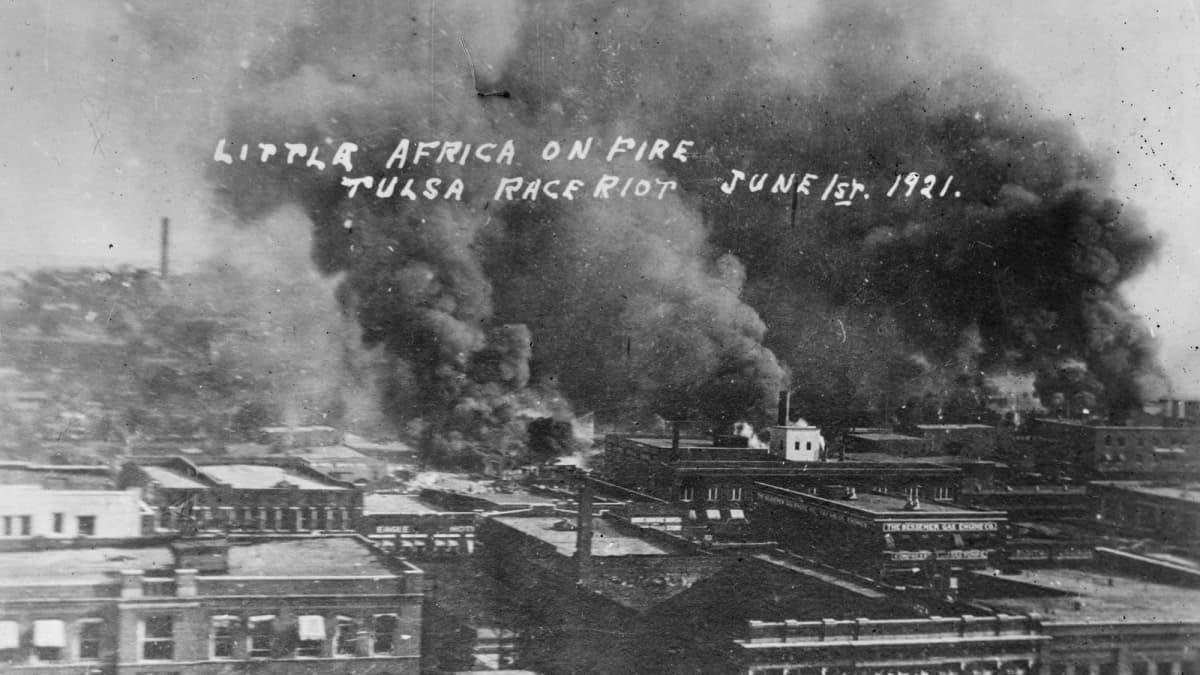
The Tulsa Race Massacre: Black Wall Street Burned
Greenwood was known as Black Wall Street—until a white mob burned it to the ground. The Tulsa Race Massacre wasn’t a riot. It was a coordinated attack. And it was nearly erased from history.
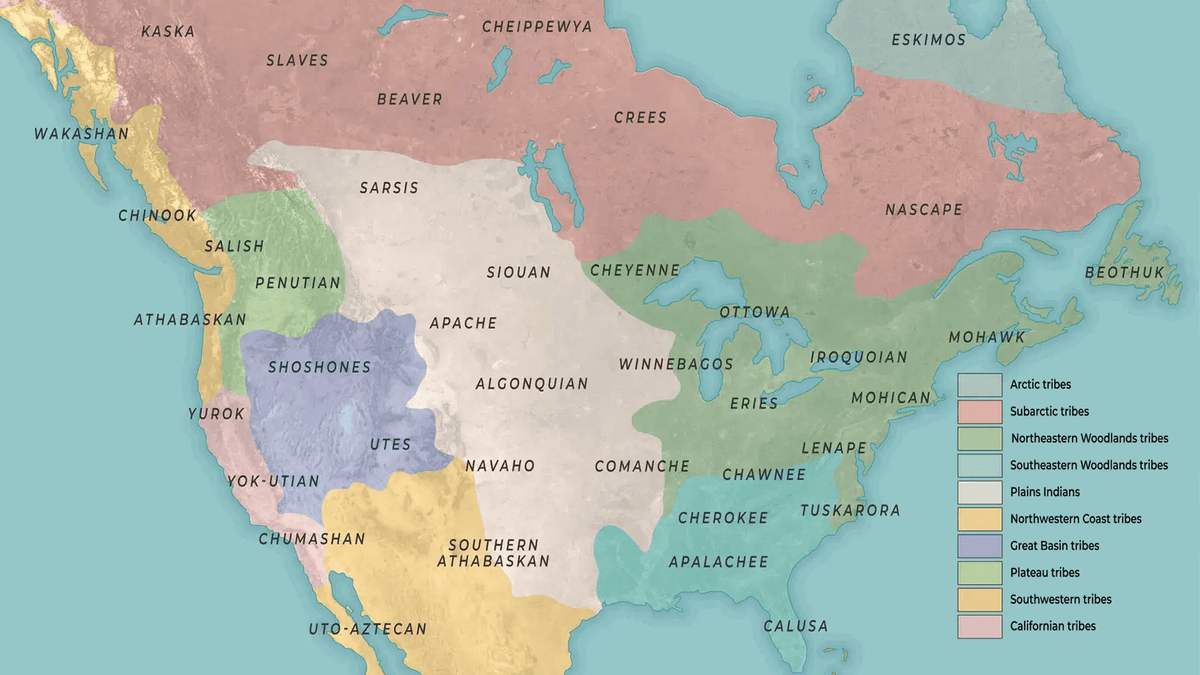
Indigenous Nations Before European Contact
Long before Columbus, Indigenous nations flourished across North America. From hunters following mammoths to farmers building vast trade networks, Native peoples shaped the land—and the land shaped them.
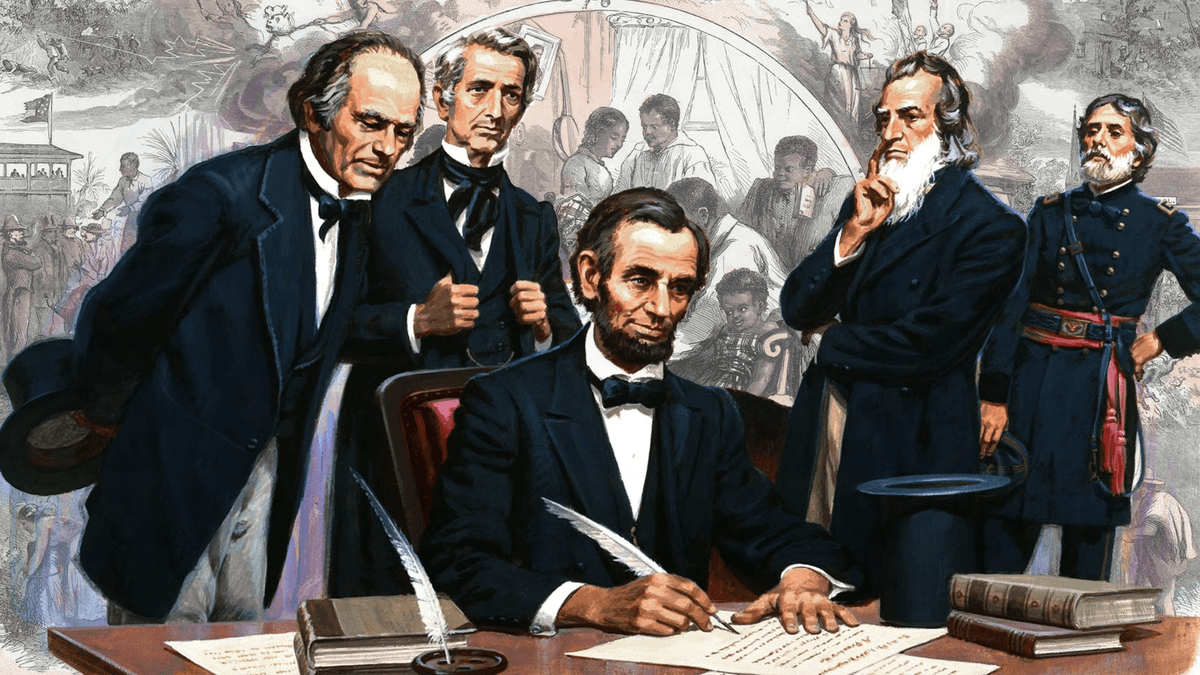
The Emancipation Proclamation & The 13th Amendment
Freedom on paper is one thing; freedom in practice is another. The Emancipation Proclamation and the 13th Amendment were giant leaps toward liberty—yet the road ahead for formerly enslaved people was long and uneven.
Further Reading
Stay curious!