

Seneca Falls: The Birth of the American Women’s Rights Movement
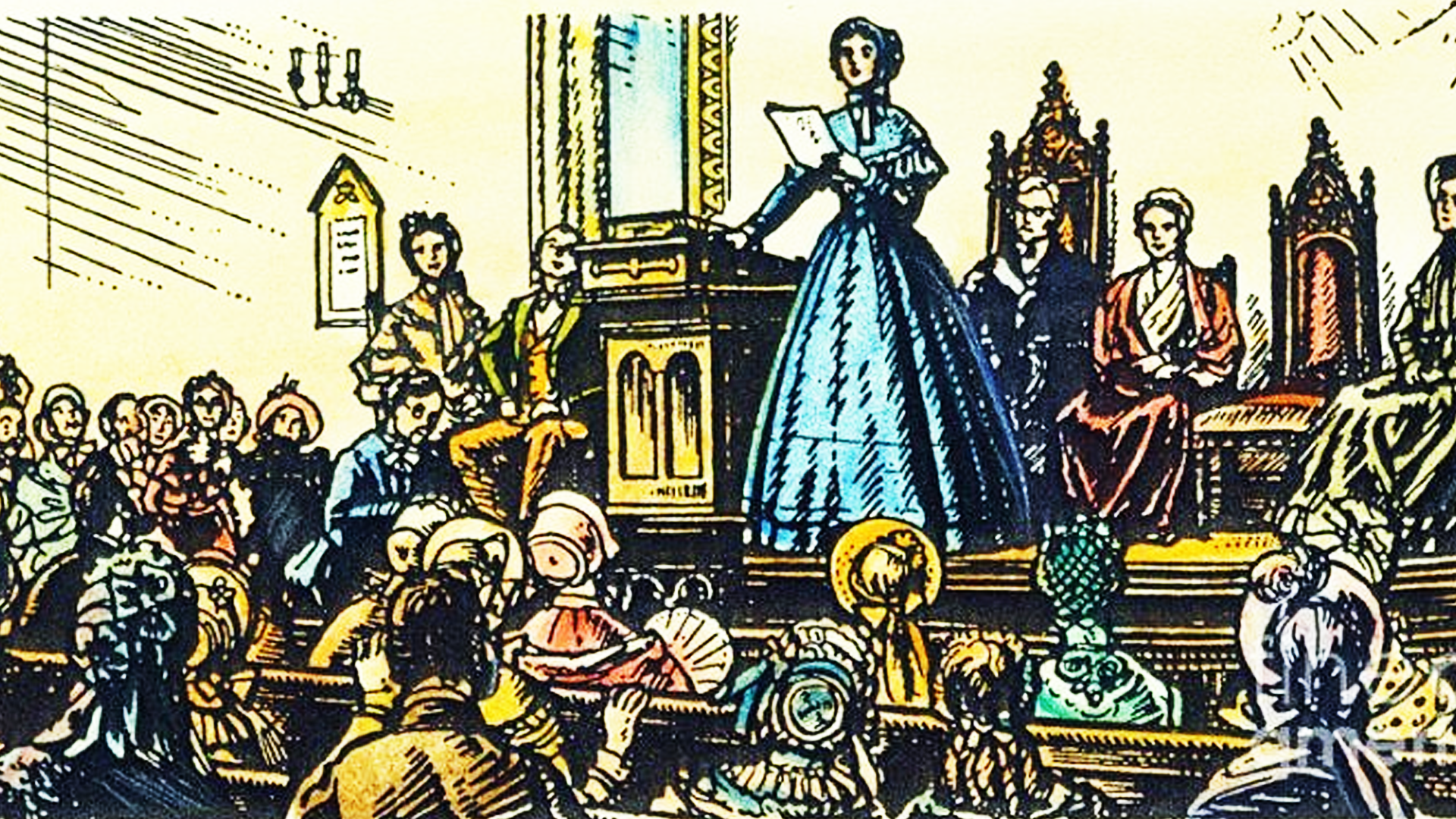
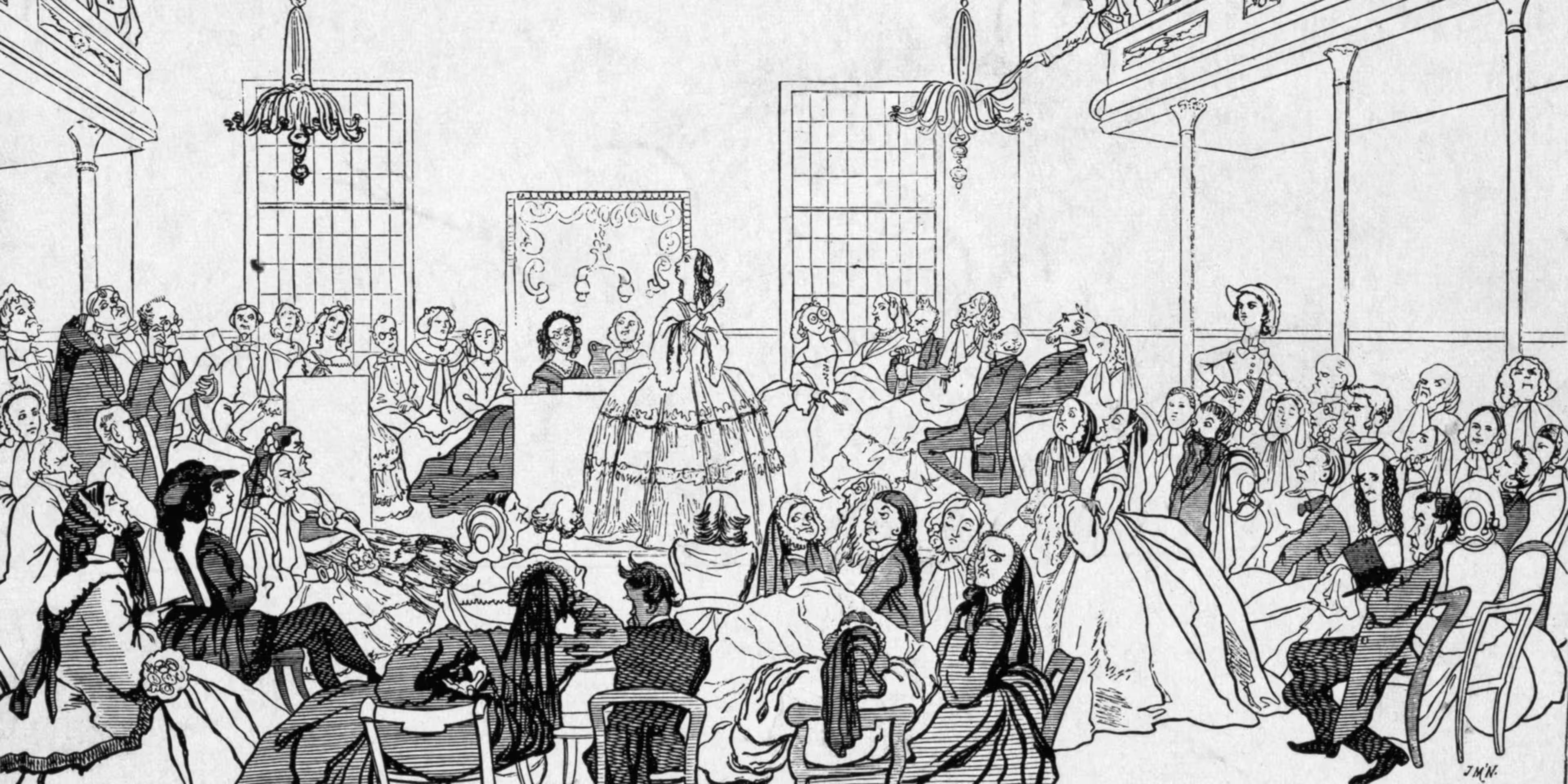
Illustration of the Seneca Falls Convention with women and men gathered in the Wesleyan Chapel in 1848.
What Happened?
On July 19, 1848, nearly 200 women gathered in the Wesleyan Chapel in Seneca Falls, New York. It was the first event of its kind, a public convention to discuss the social, civil, and religious rights of women in the United States.
The spark for the meeting came eight years earlier, when Elizabeth Cady Stanton and Lucretia Mott were barred from participating at the World Anti-Slavery Convention in London. Outraged by their exclusion, they vowed to hold a women's rights convention back home.
Together with Martha Wright, Mary Ann M’Clintock, and Jane Hunt, the women drafted a call to action. The main event was Stanton’s 'Declaration of Sentiments,' a document modeled after the Declaration of Independence. Its bold opening line: 'We hold these truths to be self-evident: that all men and women are created equal.'
The declaration listed 19 grievances, from the denial of the right to vote to the seizure of wages and property by husbands. It called on women to resist an unjust system and demand full citizenship.
On the second day, men were allowed to join. Among them: abolitionist Frederick Douglass, who passionately supported the most controversial resolution—the right to vote. After intense debate, it passed.
The convention issued 11 resolutions calling for women’s equality in law, religion, employment, education, and politics. The ninth, calling for suffrage, would become the rallying cry of a national movement that stretched over 70 years.
Newspapers ridiculed the meeting, calling it a 'farce' and predicting that men would soon be doing laundry and 'handling the broom.' But others, like Horace Greeley of the New York Tribune, recognized the logic and power of the arguments, even if they made him uncomfortable.
The Seneca Falls Convention laid the foundation for decades of advocacy. Its organizers and allies — including Susan B. Anthony, Sojourner Truth, and Frances E.W. Harper — would become legends in the long struggle for women's rights.
In 1920, the 19th Amendment was finally ratified, granting women the constitutional right to vote. But the seeds were sown in Seneca Falls, where a few brave voices demanded a revolution rooted not in violence, but in truth, justice, and the full recognition of women’s humanity.
Why It Matters
Seneca Falls was the birthplace of a movement. A challenge to centuries of silence and submission. It showed the power of words, organizing, and moral clarity. And it laid the groundwork for generations to come to demand not just rights for women, but for all people left out of power. Because liberty and equality are not limited resources, they’re the foundation of any real democracy.
?
What inspired Elizabeth Cady Stanton and Lucretia Mott to organize the Seneca Falls Convention?
How did the Declaration of Sentiments mirror the Declaration of Independence?
Why was the resolution on women’s suffrage controversial, even among reformers?
How did abolitionist movements influence the early women’s rights movement?
What was the long-term impact of the Seneca Falls Convention on American democracy?
Dig Deeper
This short explainer dives into the origins and legacy of the Seneca Falls Convention—highlighting the people, the documents, and the revolutionary ideas that reshaped American civil rights.
Related
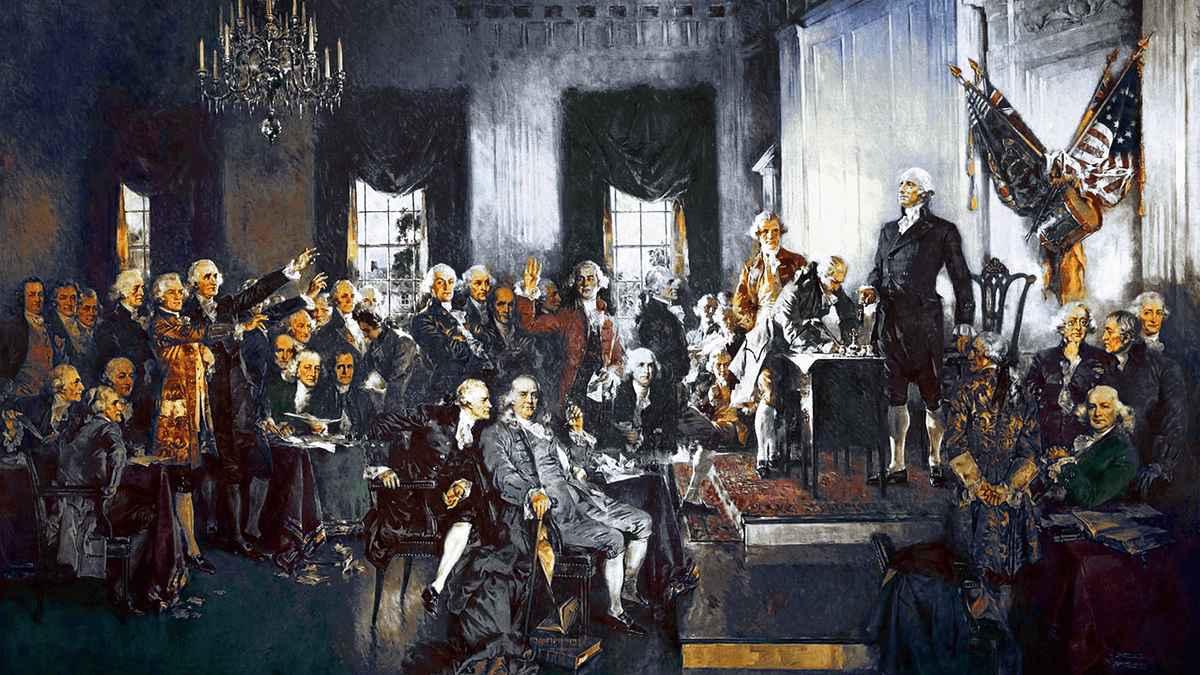
Federalists vs. Anti-Federalists: The Battle That Built the Constitution
One side feared chaos. The other feared tyranny. Together, they gave us the Constitution—and the Bill of Rights.
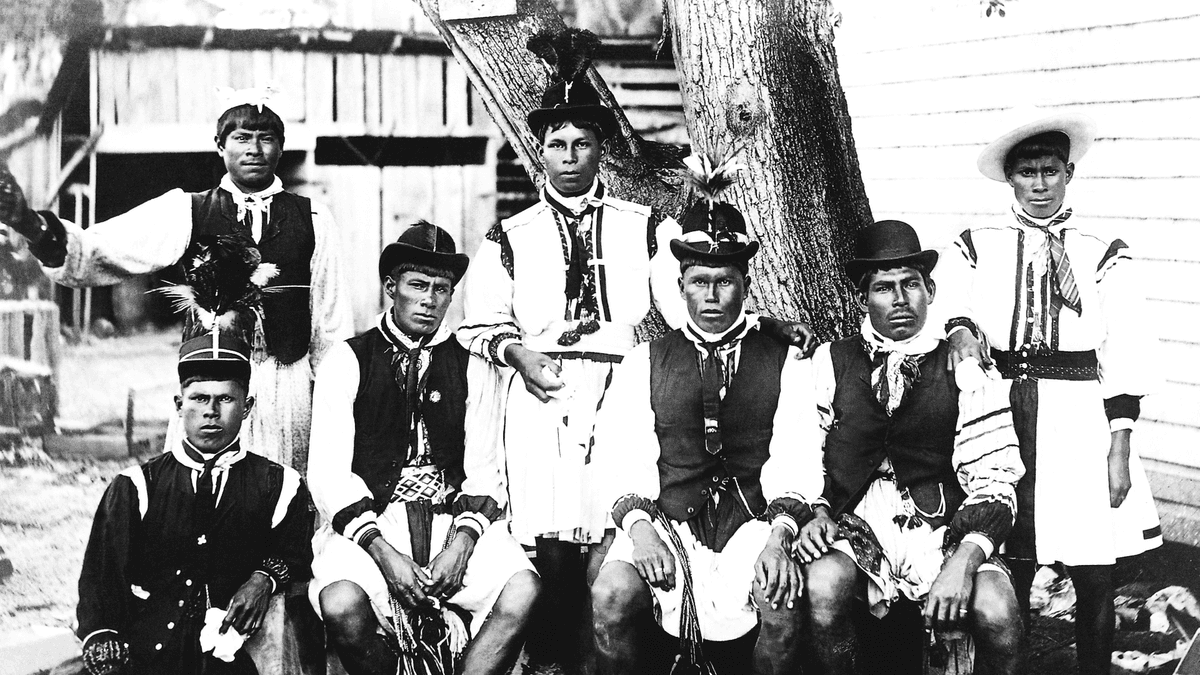
The Cape Fear & Waccamaw Siouan: Indigenous History of Southeast North Carolina
Long before the first European ships arrived at the Carolina coast, the Cape Fear River and Lake Waccamaw were home to thriving Indigenous communities.

Free Market Fever: The Deregulation Debate
When is government the problem—and when is it the solution? Deregulation reshaped the U.S. economy, slashing rules and reshuffling power in the name of freedom and efficiency.
Further Reading
Stay curious!