

One Giant Leap for Mankind
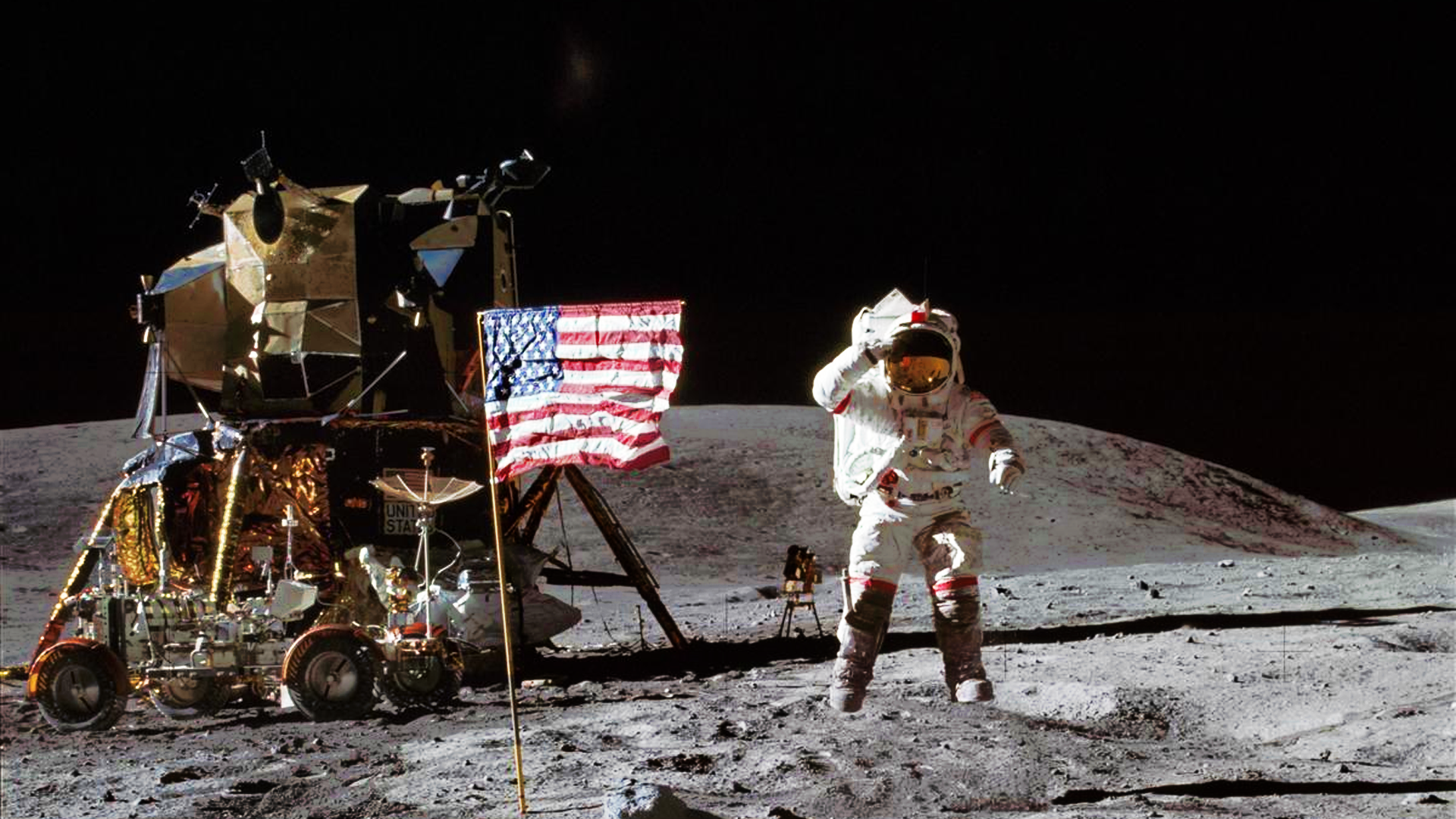
Neil Armstrong taking the first step on the moon.
What Happened?
The Moon landing was the culmination of a bold challenge issued by President John F. Kennedy in 1961: land a man on the Moon and return him safely before the decade ended. With the Soviets dominating the early space race, the Apollo program became more than exploration, it was national ambition written in rocket fuel.
On July 16, 1969, a Saturn V rocket launched from Kennedy Space Center with astronauts Neil Armstrong, Buzz Aldrin, and Michael Collins aboard Apollo 11. Four days later, Armstrong and Aldrin descended toward the surface in the lunar module Eagle while Collins orbited above in Columbia.
At 4:17 p.m. EDT, with only 30 seconds of fuel left, Armstrong safely guided the Eagle down onto the Sea of Tranquility, manually avoiding a dangerous crater field. 'Houston, Tranquility Base here. The Eagle has landed,' he radioed, and mission control exhaled in relief.
That night, at 10:56 p.m., Armstrong became the first human to set foot on another celestial body. His words — “That’s one small step for a man, one giant leap for mankind” — were broadcast to over half a billion people on Earth. Aldrin joined him shortly after, describing the Moon as 'magnificent desolation.'
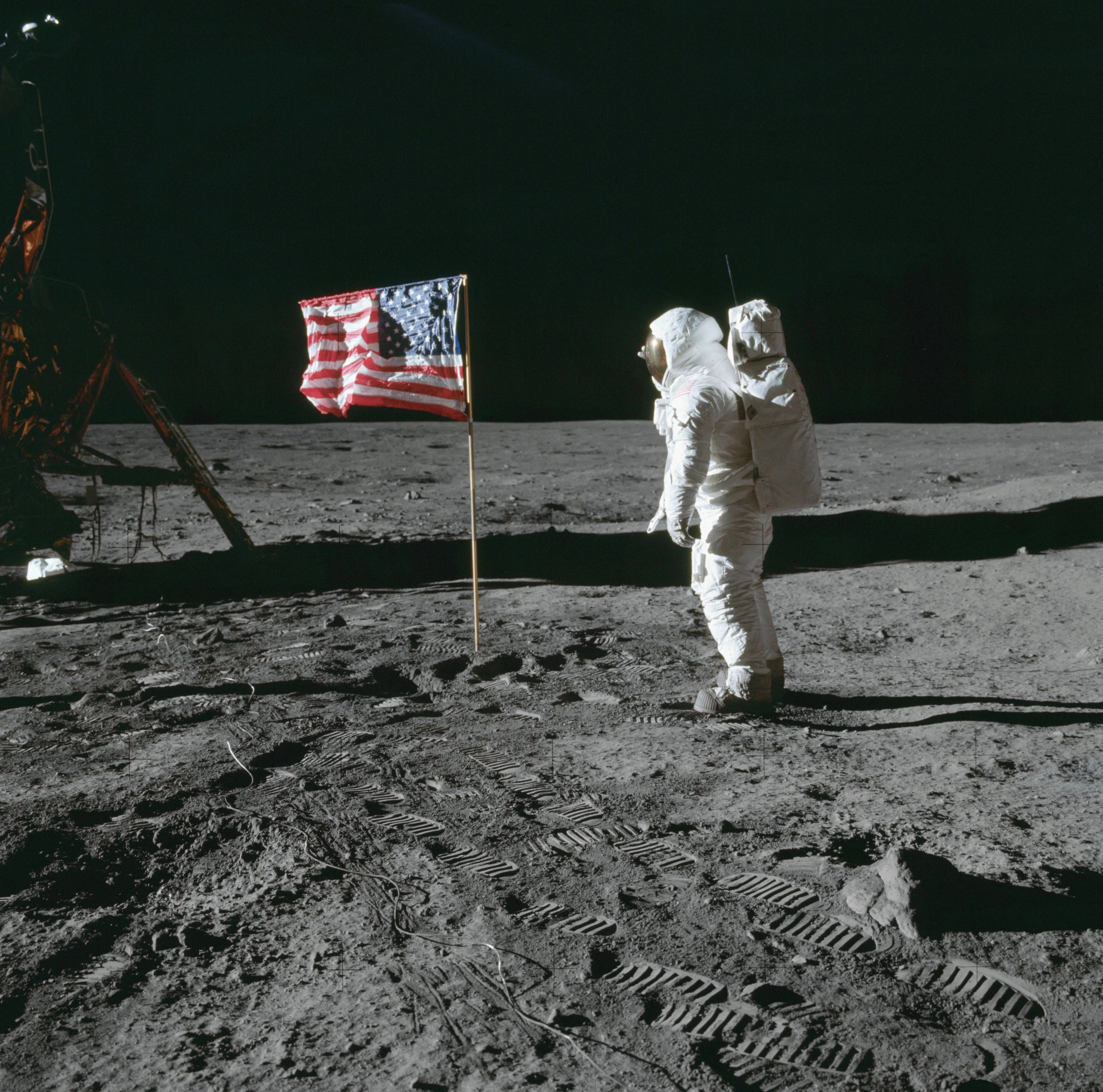
The astronauts spent two and a half hours on the surface, collecting samples, planting an American flag, and leaving a plaque: 'We came in peace for all mankind.' Then they returned to orbit, reunited with Collins, and splashed down safely in the Pacific Ocean on July 24.
The Apollo 11 mission was a landmark not just for the U.S., but for human possibility. It proved what a society could accomplish when knowledge, resources, and willpower align. More than 50 years later, the footprints remain untouched on the Moon’s surface—a quiet monument to exploration and shared achievement.
Why It Matters
The Moon landing wasn’t just about beating the Soviets. It was about proving that humanity could dream bigger than war and division. It was science in service of awe, and a declaration that we are capable of unity and greatness when we choose to aim higher. Armstrong’s step was the beginning of a new frontier, and a challenge to keep exploring, not just outer space, but our shared potential.
?
Why was the Moon landing such an important Cold War milestone?
How did the Apollo program reflect the values and anxieties of 1960s America?
What role did teamwork and international cooperation play in the success of Apollo 11?
What scientific discoveries resulted from the Moon missions?
How has the legacy of the Moon landing shaped modern space exploration efforts?
Dig Deeper
Listen to Neil Armstrong reflect on the tension, triumph, and teamwork behind humanity’s first steps on the Moon, with archival footage and astronaut interviews.
Related
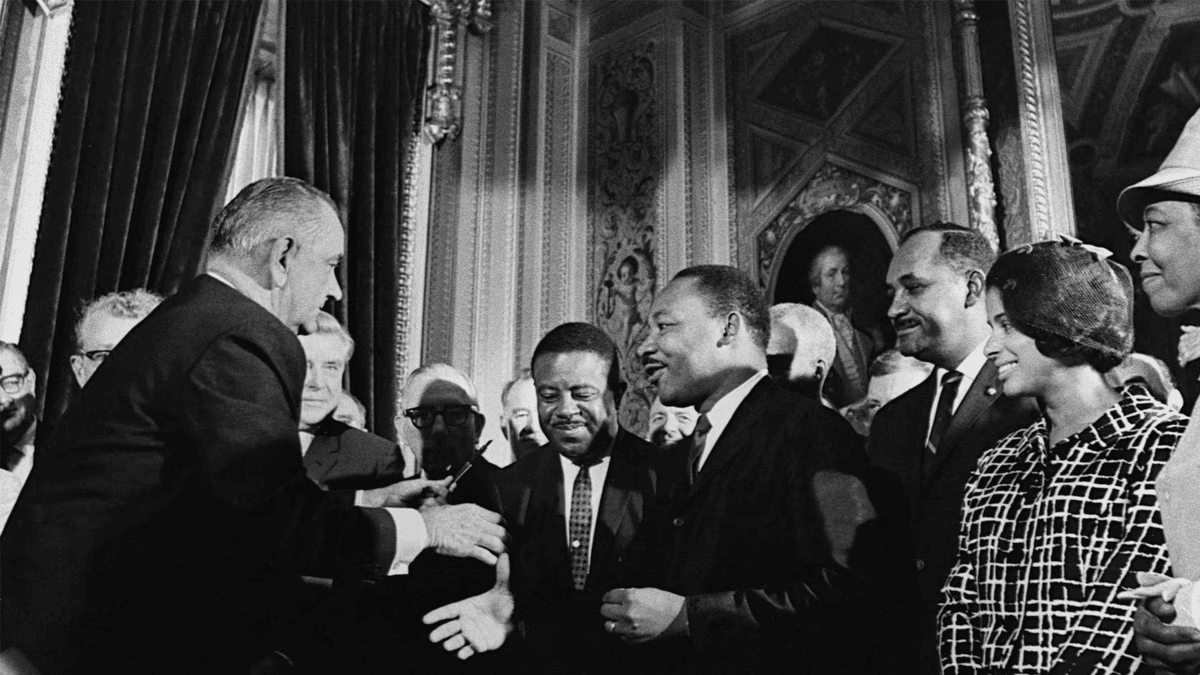
The Voting Rights Act of 1965: Enforcing the 15th Amendment
How a landmark law transformed voting access in the South and gave real force to the promises of the 15th Amendment.
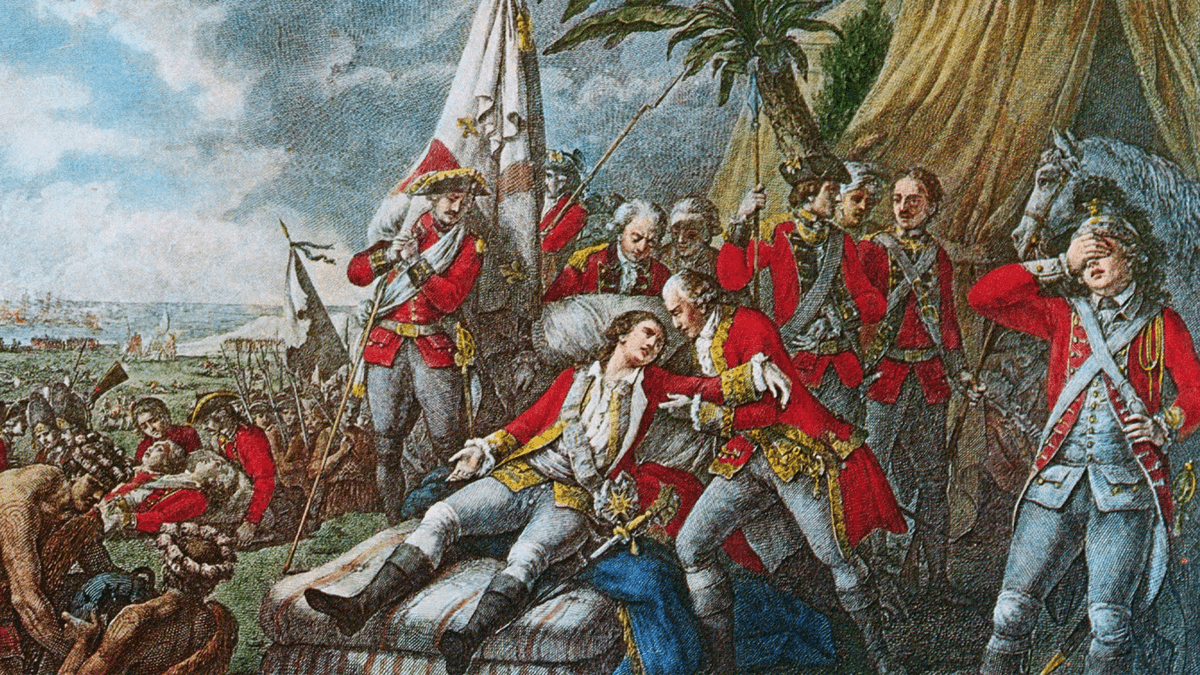
The French and Indian War: The Battle for North America
Before the American Revolution, another great war reshaped North America—the French and Indian War. It began as a fight over land and power, but ended up changing the map of the world and planting the seeds of independence.
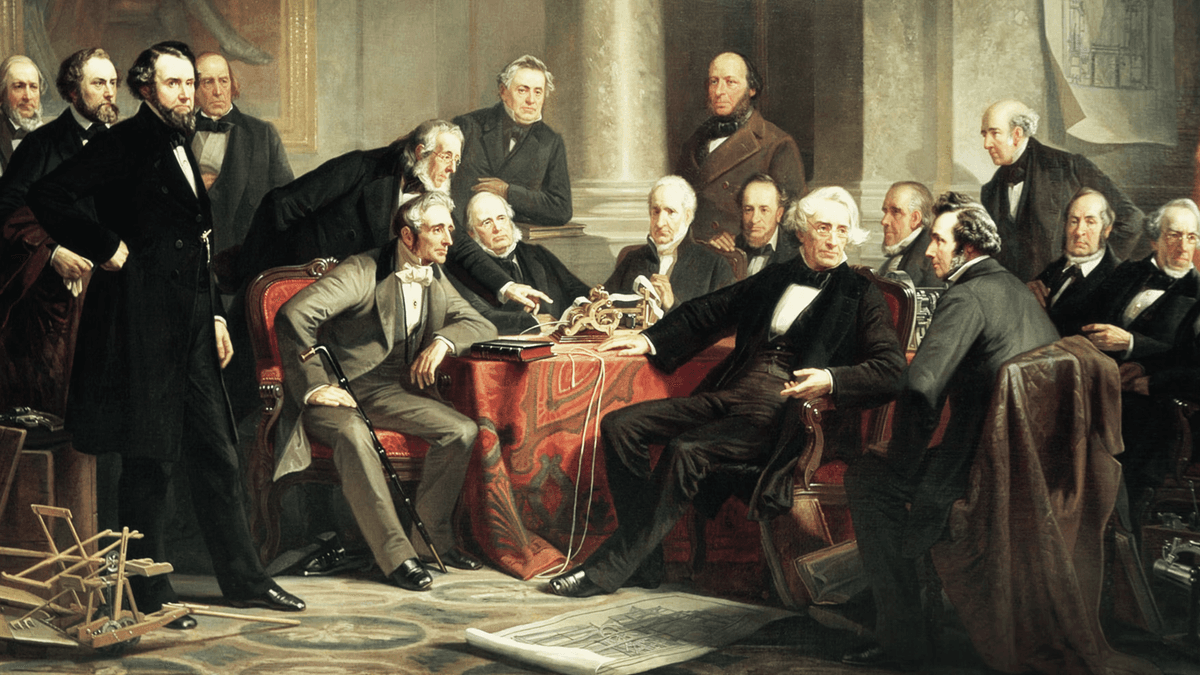
The Enlightenment: Revolution of the Mind
The Enlightenment wasn’t just an era of smart people in powdered wigs—it was a radical shift in how humans understood power, truth, and their place in the world. Its ideas fueled revolutions, rewrote constitutions, and laid the intellectual bricks of modern democracy.
Further Reading
Stay curious!