

Deportations from the Warsaw Ghetto Begin
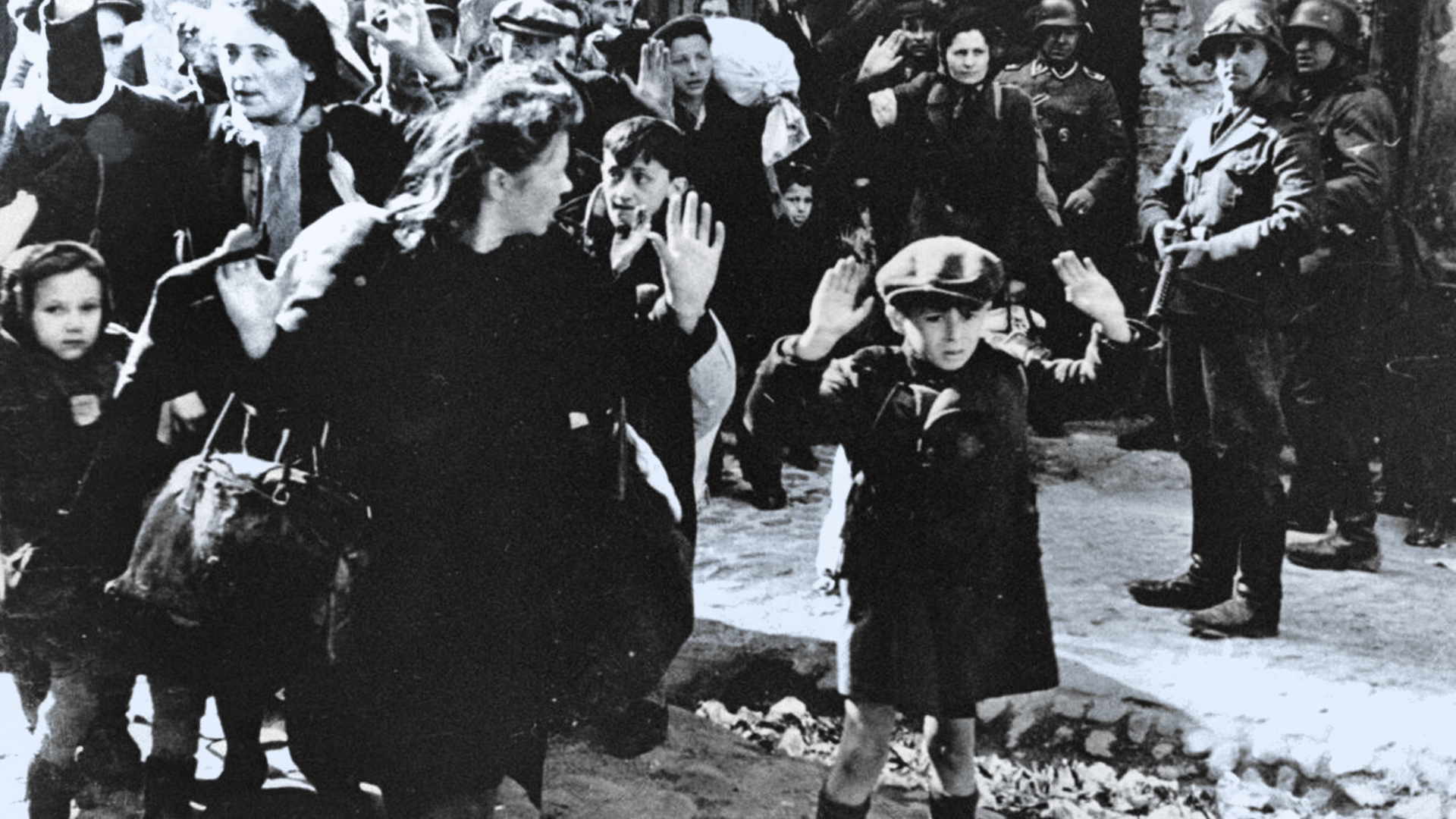
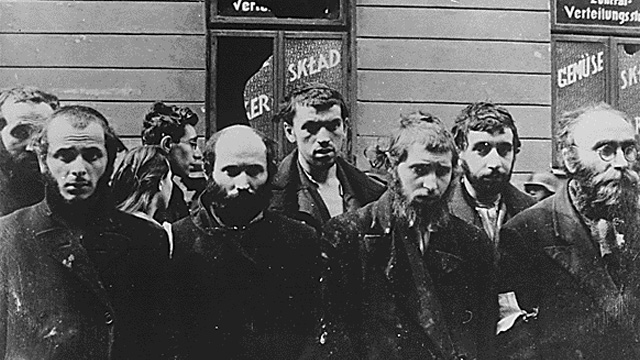
Black-and-white photo of Jewish families with suitcases being marched by Nazi soldiers through the streets of Warsaw.
What Happened?
In the summer of 1942, Heinrich Himmler, commander of the Nazi SS, arrived in Poland and ordered what he called the 'total cleansing' of the Warsaw Ghetto. What followed was not merely forced relocation, it was industrialized extermination.
Treblinka, a new death camp hidden in the Polish countryside, wasn’t designed for labor or long-term imprisonment. It existed for one purpose: mass murder. Within seven weeks of July 22, over 250,000 people — children, elders, entire families — were shipped from Warsaw and killed in gas chambers disguised as bathhouses.
The deportations were led with cold efficiency. Jews were rounded up daily and forced onto cattle cars under the pretense of 'resettlement.' Upon arrival at Treblinka, they were stripped, separated by gender, and murdered. Their bodies were buried in mass graves or later incinerated. Their gold teeth were extracted. Their belongings looted.
At the center of Treblinka’s operation was Dr. Irmfried Eberl, a physician from the Nazi euthanasia program who used Jewish and Ukrainian prisoners as forced accomplices in the killing machine. He was later dismissed for inefficiency. Even the Nazi regime was frustrated that his gas chambers couldn’t kill fast enough.
This wave of genocide triggered a response. In 1943, the Warsaw Ghetto Uprising erupted as a desperate act of resistance. That same year, news of the rebellion traveled to Treblinka, where a secret group of prisoners known as 'The Organizing Committee' launched their own revolt. They stormed the camp arsenal, set Treblinka ablaze, and killed dozens of guards. About 300 prisoners escaped; only 70 survived the war.
The deportations from Warsaw to Treblinka weren't just a turning point in the Holocaust, they were a brutal efficiency test of the Nazi Final Solution. But even amid unimaginable horror, resistance lived. Testimonies from survivors helped expose the full scope of Nazi atrocities to the world, ensuring that the names, lives, and courage of the victims would not be lost to history.
Why It Matters
The deportations from the Warsaw Ghetto to Treblinka marked one of the Holocaust’s darkest chapters — a calculated, bureaucratic massacre of an entire community. But they also planted the seeds of defiance. From the burning rubble of the Warsaw Ghetto and Treblinka’s blood-soaked soil, a cry of resistance rose. History demands we listen.
?
How did the Warsaw Ghetto Uprising inspire the Treblinka revolt?
What made Treblinka different from other Nazi camps like Auschwitz or Dachau?
Why did the Nazis disguise gas chambers as bathhouses?
How did survivor testimonies from Treblinka shape postwar justice?
What are the ethical responsibilities of remembering atrocities like Treblinka today?
Dig Deeper
This animated series dives into the courageous uprisings in Nazi-occupied Poland—including the Warsaw Ghetto and Treblinka—and the determination of Jewish and Polish resistance fighters to fight back against tyranny.
Related
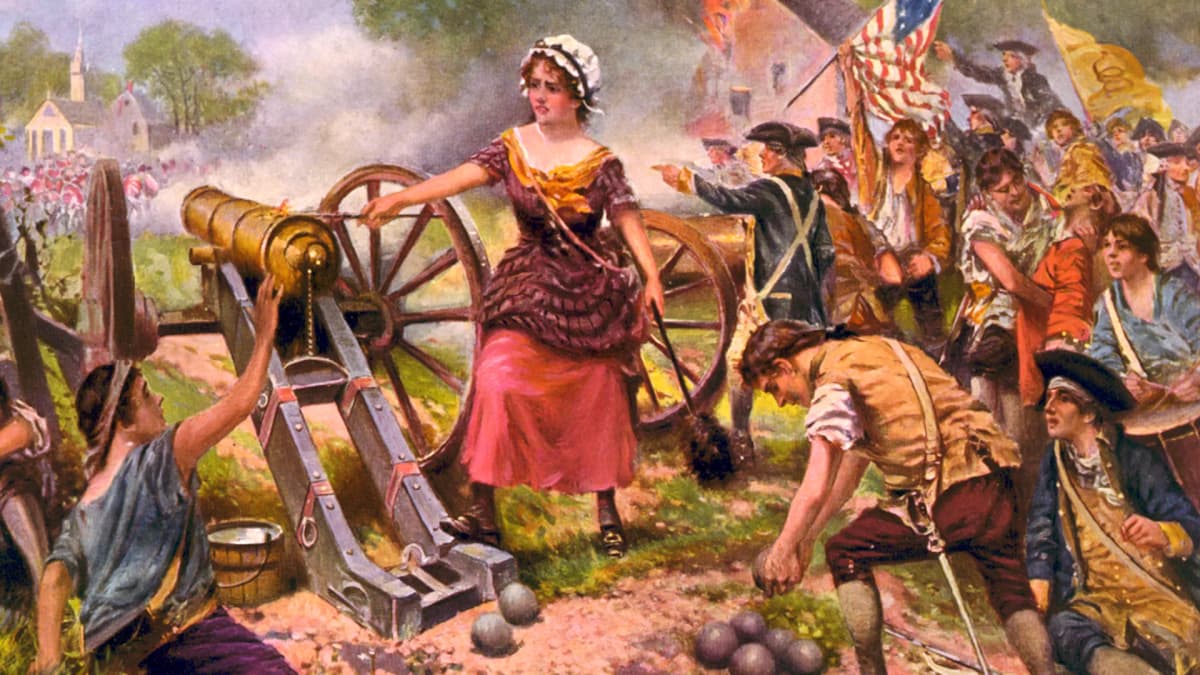
Who Was Molly Pitcher? Unpacking the Legend, the Facts, and the Firepower
Was she a single fearless woman, or the name shouted when soldiers needed water? The truth is more complicated—and more powerful. Meet the women behind the legend of Molly Pitcher.
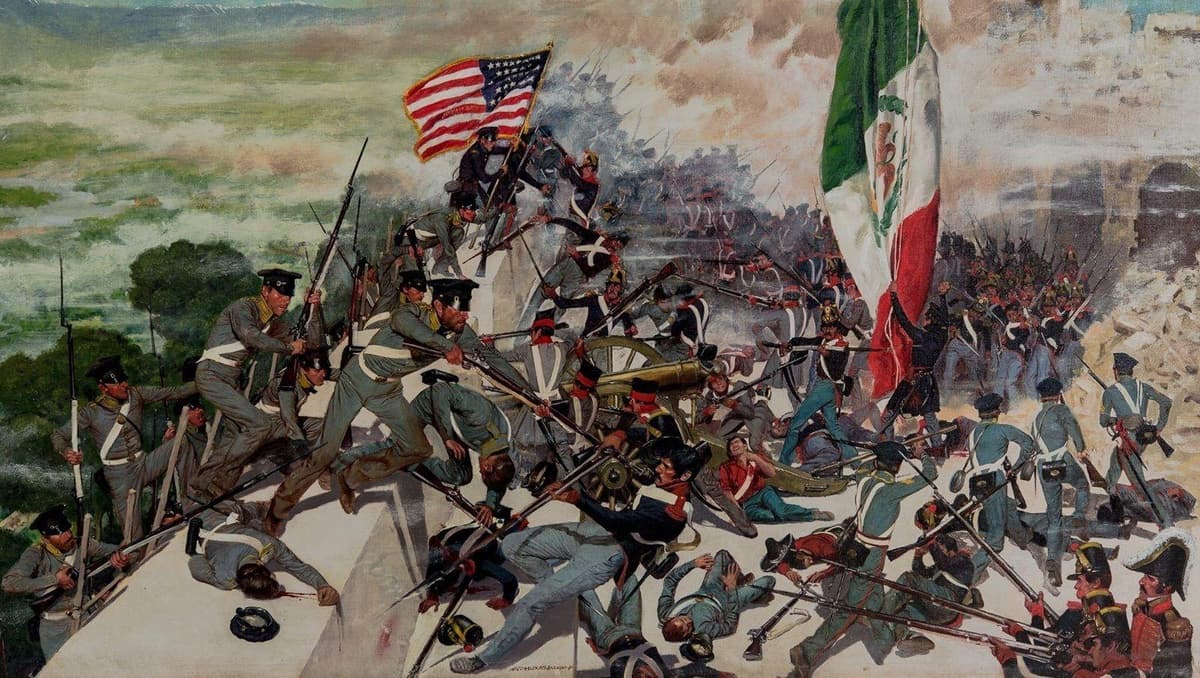
The U.S.-Mexico War
On May 13, 1846, the U.S. Congress declared war on Mexico. Behind the scenes? Land lust, slave politics, and a president with a map in one hand and a match in the other.
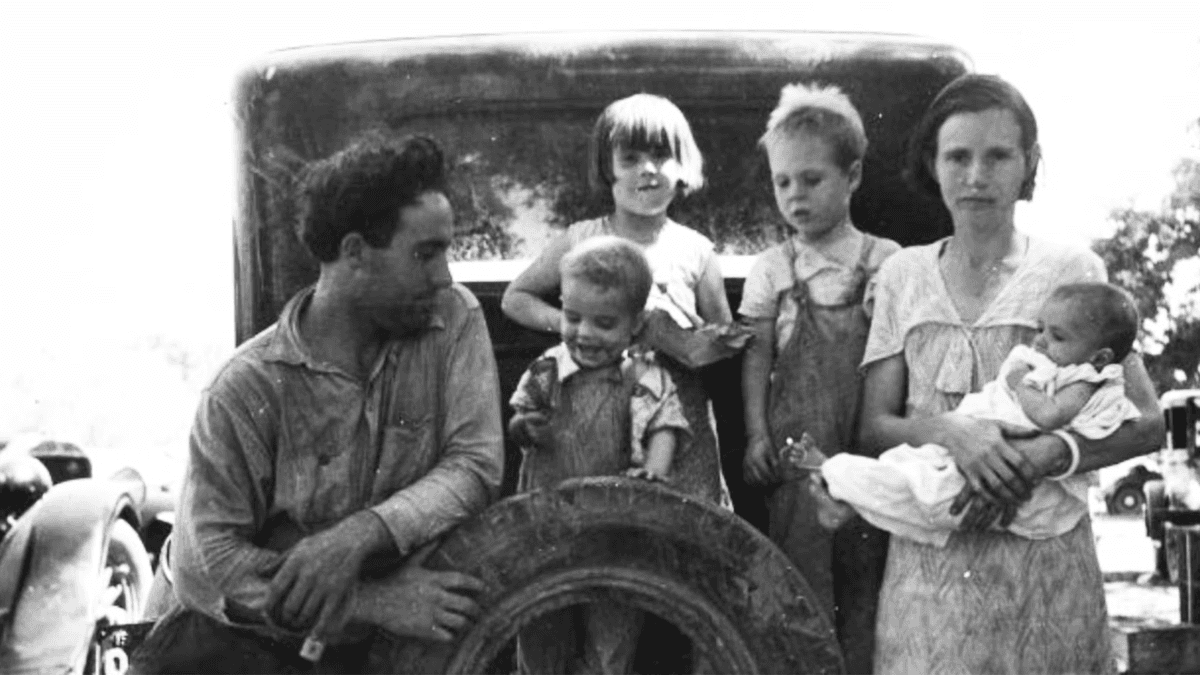
The Great Depression: America in Crisis
The Great Depression was more than a stock market crash — it was a decade-long test of American resilience that reshaped the nation's economy, politics, and daily life.
Further Reading
Stay curious!