

The World’s First Test-Tube Baby Is Born
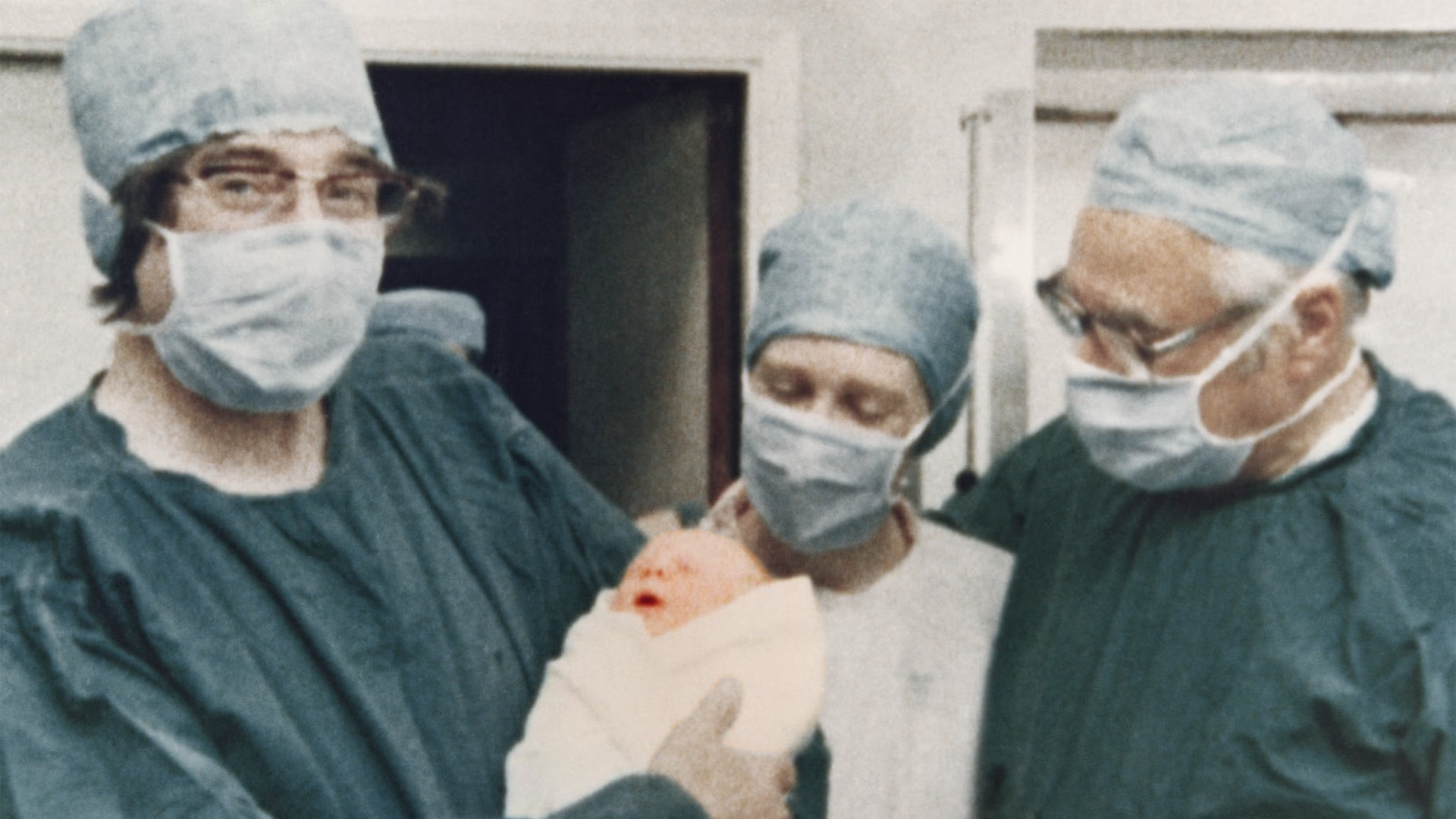
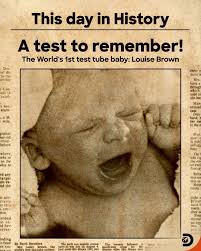
Louise Joy Brown was the world’s first baby conceived through in vitro fertilization.
What Happened?
On the night of July 25, 1978, in a hospital in Manchester, England, history quietly arrived in the form of a 5-pound, 12-ounce baby girl named Louise Joy Brown. She wasn’t just a newborn, she was the product of a radical medical breakthrough called in vitro fertilization (IVF).
Louise’s parents, Lesley and Peter Brown, had struggled for years with infertility. A blocked fallopian tube had made natural conception impossible—until doctors Patrick Steptoe and Robert Edwards intervened. With the help of lab technician Jean Purdy, they harvested Lesley’s egg, fertilized it with Peter’s sperm in a lab dish, and then implanted the embryo into Lesley’s uterus. It was science, hope, and precision, all working in harmony.
The media dubbed Louise the 'test-tube baby', a term that sparked both fascination and fear. Was this a miracle? Or a medical overreach? While Steptoe and Edwards were hailed as pioneers by some, others saw a slippery slope: designer babies, genetic manipulation, the commodification of life. Feminists raised concerns about consent and pressure on women. Ethicists questioned where life truly begins.
But IVF moved forward. In 1999, Louise’s sister Natalie, also conceived through IVF, became the first 'test-tube baby' to give birth naturally. Louise followed suit in 2006. By the 21st century, IVF had become a routine part of fertility medicine, helping millions of people around the world become parents.
Steptoe and Edwards’ work earned Edwards a Nobel Prize in 2010 (Steptoe had passed away by then). They helped redefine what family could mean in a world where biology and technology were becoming ever more entangled.
Why It Matters
Louise Brown’s birth was more than a scientific triumph, it was a cultural turning point. It forced society to reckon with new possibilities and new boundaries: What is natural? What is ethical? And who gets to decide? IVF cracked open the future of human reproduction and we’re still writing the next chapters.
?
What are the scientific and ethical challenges of IVF today?
How did early feminist critiques of IVF shape reproductive ethics?
What role did Jean Purdy play in the development of IVF, and why is she often overlooked?
How has IVF expanded or complicated ideas about family, motherhood, and fertility?
How have IVF technologies evolved since 1978, and what breakthroughs are on the horizon?
Dig Deeper
A look back at Louise Brown’s historic birth and the ethical, scientific, and social questions it raised.
Related
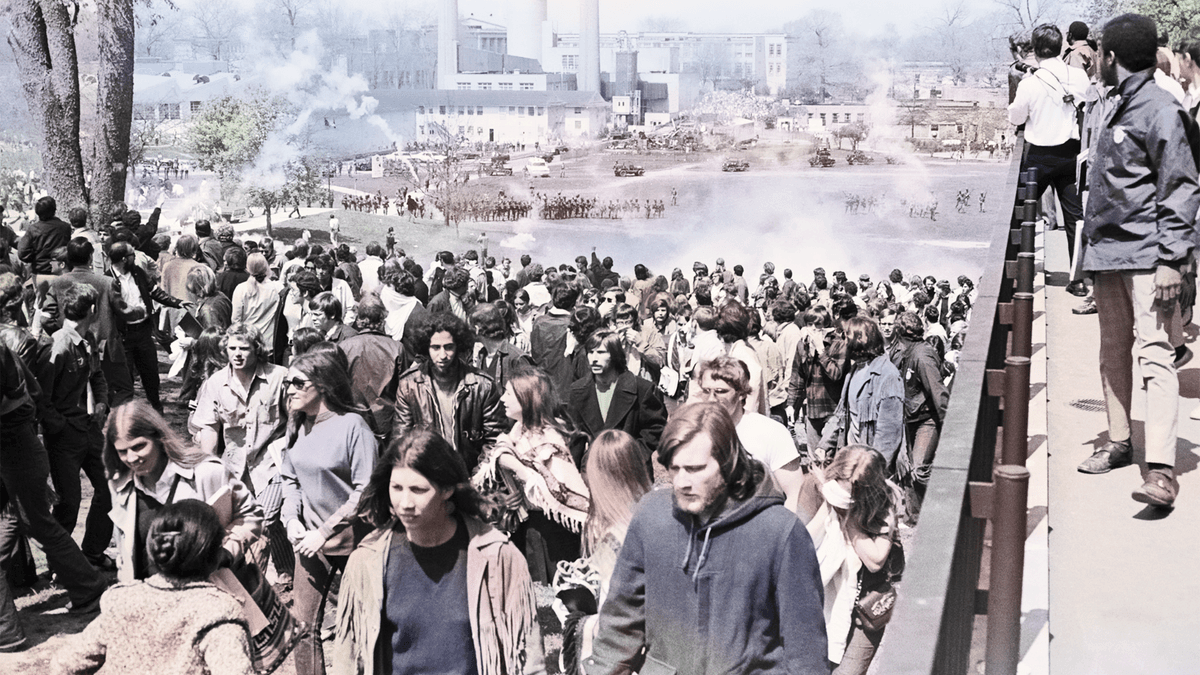
Kent State Shootings: When Protest and Power Collided
A moment when the Vietnam War reached American soil—and exposed the deep divisions within the nation.
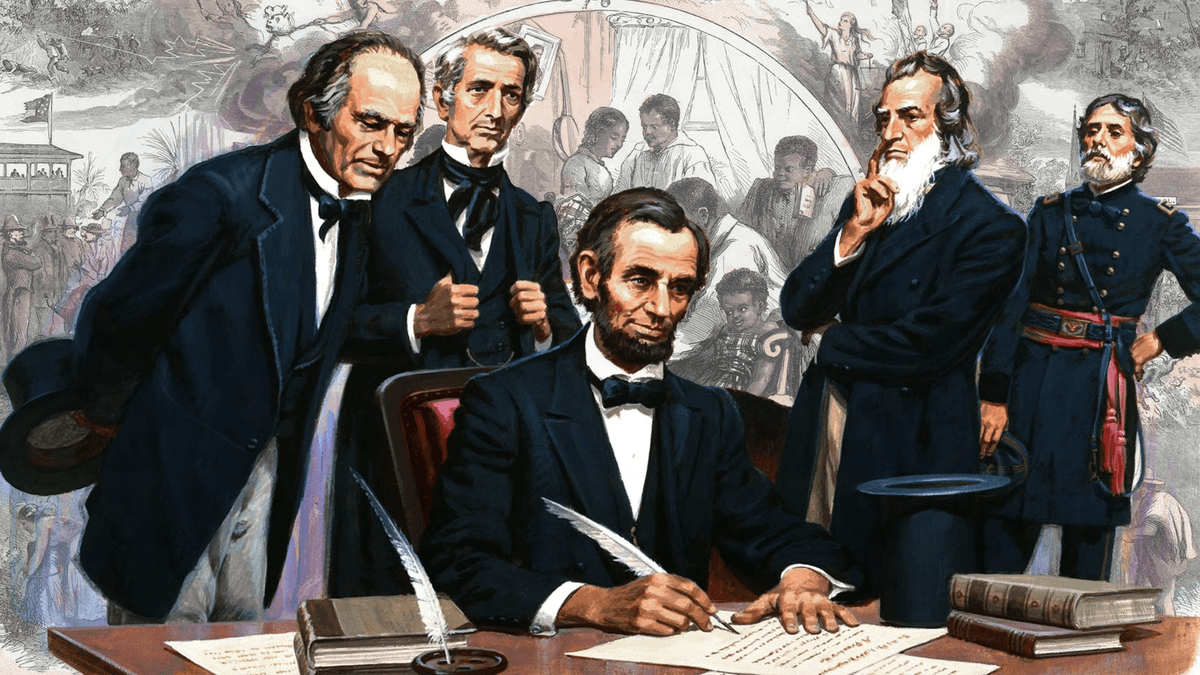
The Emancipation Proclamation & The 13th Amendment
Freedom on paper is one thing; freedom in practice is another. The Emancipation Proclamation and the 13th Amendment were giant leaps toward liberty—yet the road ahead for formerly enslaved people was long and uneven.
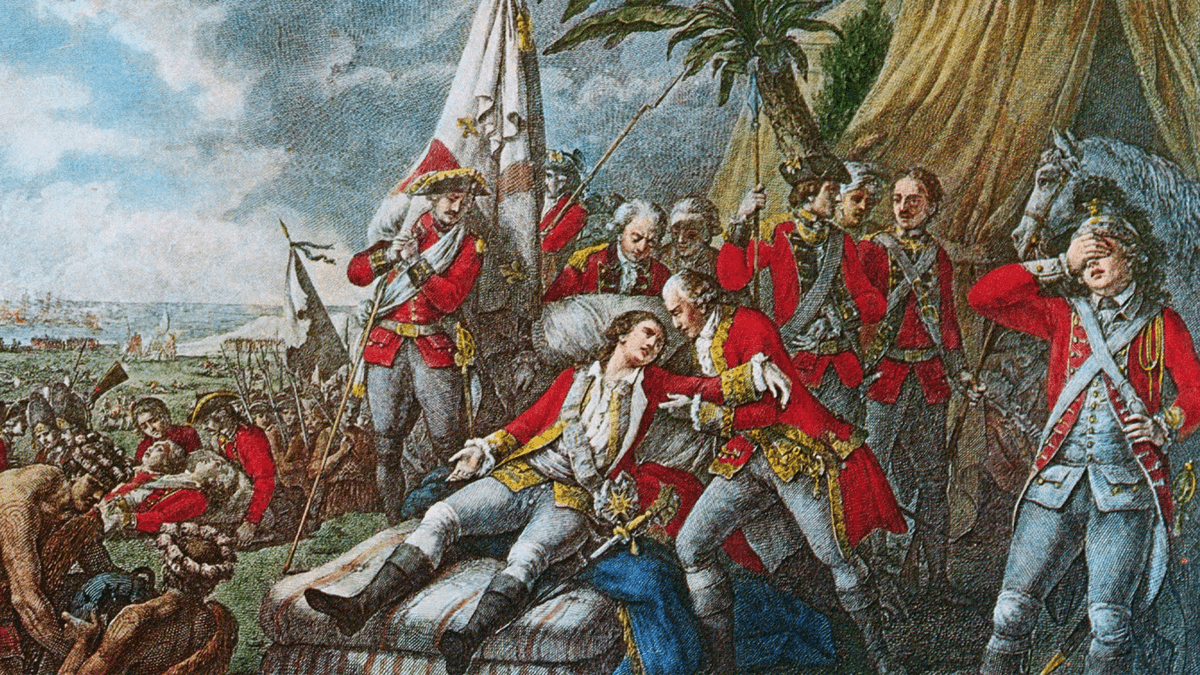
The French and Indian War: The Battle for North America
Before the American Revolution, another great war reshaped North America—the French and Indian War. It began as a fight over land and power, but ended up changing the map of the world and planting the seeds of independence.
Further Reading
Stay curious!