

House Judiciary Committee Votes to Impeach Nixon
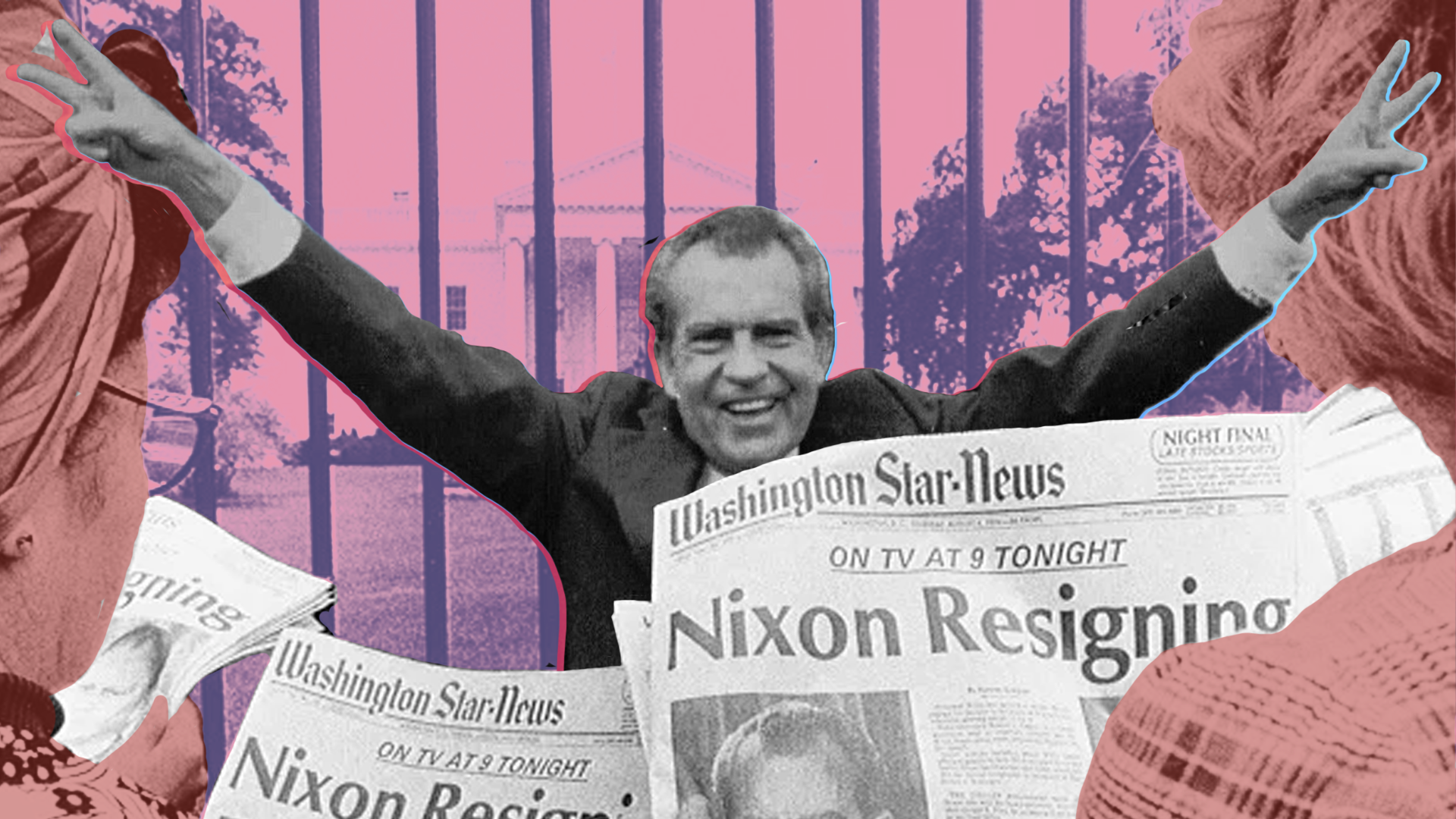
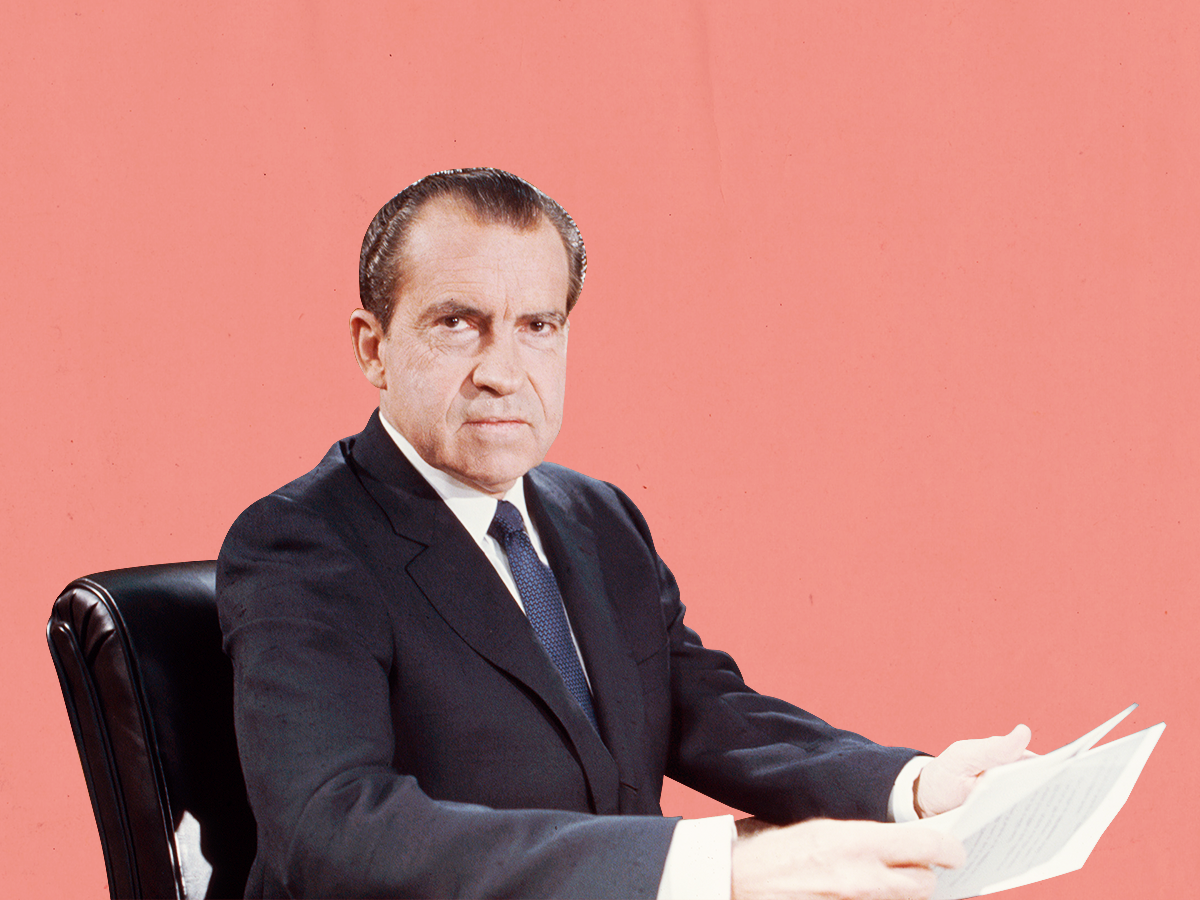
Fueled by secret recordings, dirty tricks, and a public fed up with corruption, Nixon’s presidency was unraveling.
What Happened?
It all started with a break-in. On June 17, 1972, five men were arrested inside the Democratic National Committee headquarters at the Watergate complex in Washington, D.C. What looked like a botched burglary turned out to be a coordinated operation linked to President Nixon’s re-election campaign.
The cover-up began almost immediately — hush money, obstructed investigations, and denials from the highest levels of government. But thanks to persistent journalism, mounting resignations, and damning testimony, the story refused to die.
By mid-1973, Americans learned that Nixon had secretly recorded conversations in the Oval Office. The tapes became the centerpiece of a legal and political fight that exposed a conspiracy at the heart of the presidency.
When Nixon tried to block the release of the tapes, it led to the 'Saturday Night Massacre', a night of mass resignations and firings that shook the country’s faith in democracy. Eventually, the Supreme Court ruled that Nixon had to turn over the recordings.
On July 27, 1974, the House Judiciary Committee passed its first article of impeachment: obstruction of justice. Over the next two days, two more articles followed — abuse of power and contempt of Congress.
The release of the so-called 'smoking gun' tape, proving Nixon had tried to stop the FBI investigation, erased what little political support he had left. On August 8, Nixon resigned, becoming the only U.S. president ever to do so.
The Watergate scandal led to the indictment or conviction of 25 officials, including top White House aides. It also sparked sweeping reforms in campaign finance, ethics laws, and presidential oversight.
But the legacy remains complex. Nixon never stood trial. One month after resigning, he was pardoned by his successor, Gerald Ford, in a move that divided the country and fueled public cynicism that power protects its own.
Why It Matters
The impeachment vote against Nixon was more than a check on presidential misconduct. It was a test of the American system itself. Watergate showed how fragile democracy can be when power is abused, but also how resilient it becomes when truth, transparency, and accountability fight their way to the surface. It redefined the role of journalism, the limits of executive privilege, and the responsibility of Congress to hold leaders accountable — even the most powerful one in the land.
?
What triggered the Watergate investigation, and how did it escalate into a constitutional crisis?
How did Nixon use (and abuse) executive privilege to avoid consequences?
What role did the press—especially the Washington Post—play in uncovering the Watergate scandal?
Why did Congress ultimately choose impeachment over other forms of censure or accountability?
What reforms came out of Watergate, and are they still effective today?
Should President Ford have pardoned Nixon? Why or why not?
Dig Deeper
This animated video breaks down Nixon’s rise, fall, and the Watergate scandal that almost tore the Constitution apart.
Related
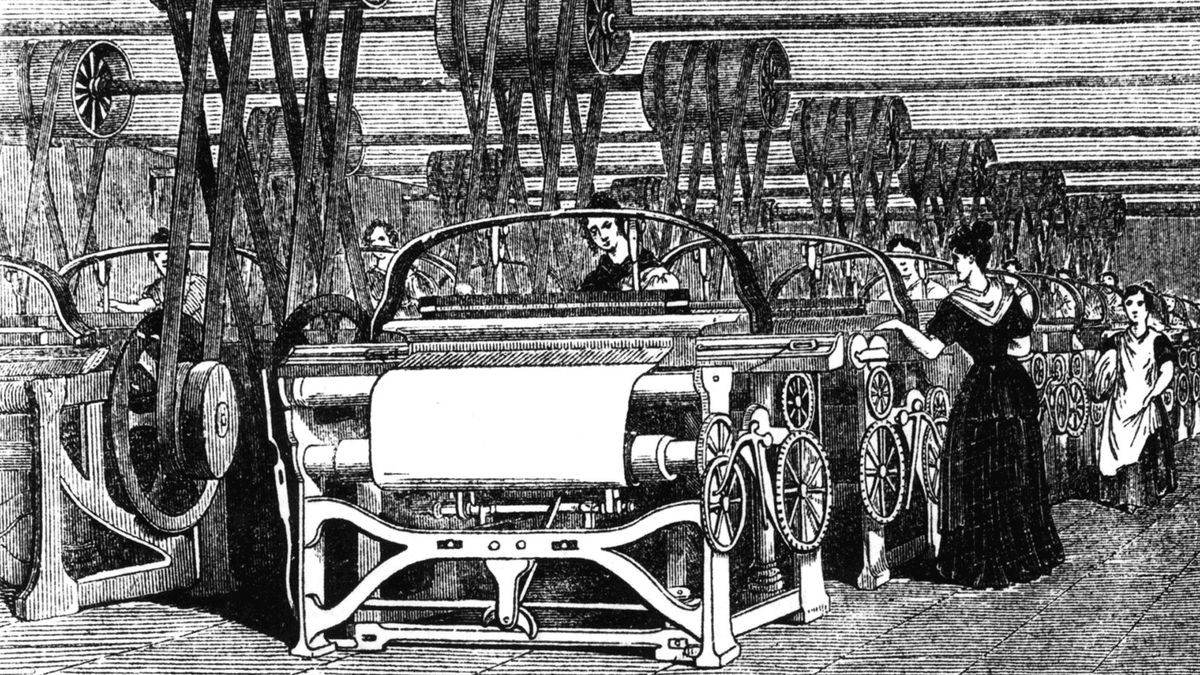
Early Industry and Economic Expansion (1800–1850)
From gold mines in North Carolina to textile mills and telegraphs, discover how the Market Revolution transformed the way Americans lived, worked, and connected in the early 19th century.
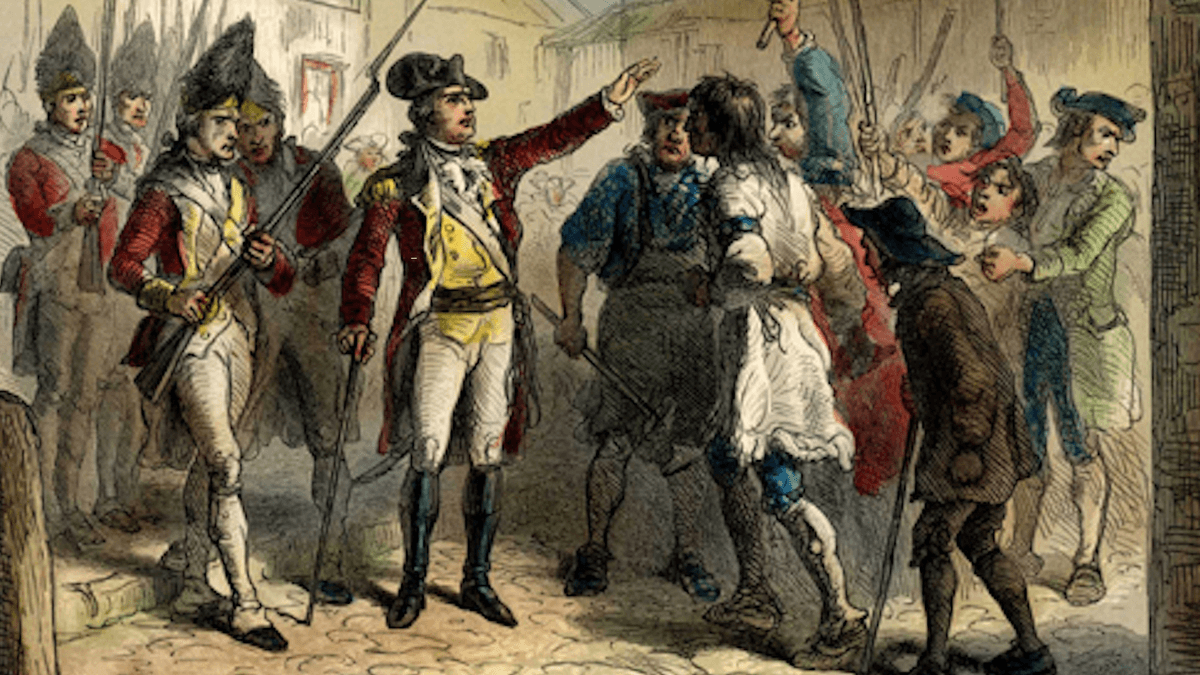
The Regulator Movement: Backcountry Rebellion Before the Revolution
Long before the American Revolution, farmers in North Carolina were already fighting corruption and demanding justice.
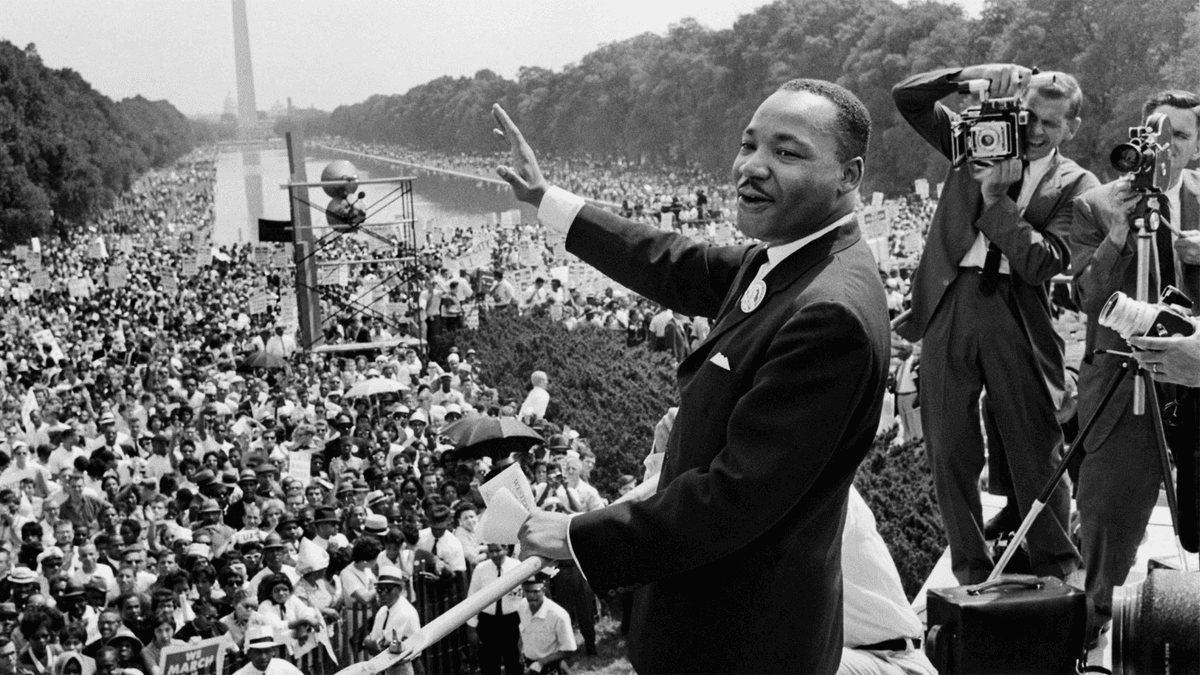
The Civil Rights Movement: Struggle, Solidarity, and Social Change
From classrooms to courthouses, buses to bridges, the Civil Rights Movement reshaped America’s laws — and its conscience.
Further Reading
Stay curious!