

The 14th Amendment: Citizenship, Equality, and the Long Fight for Justice
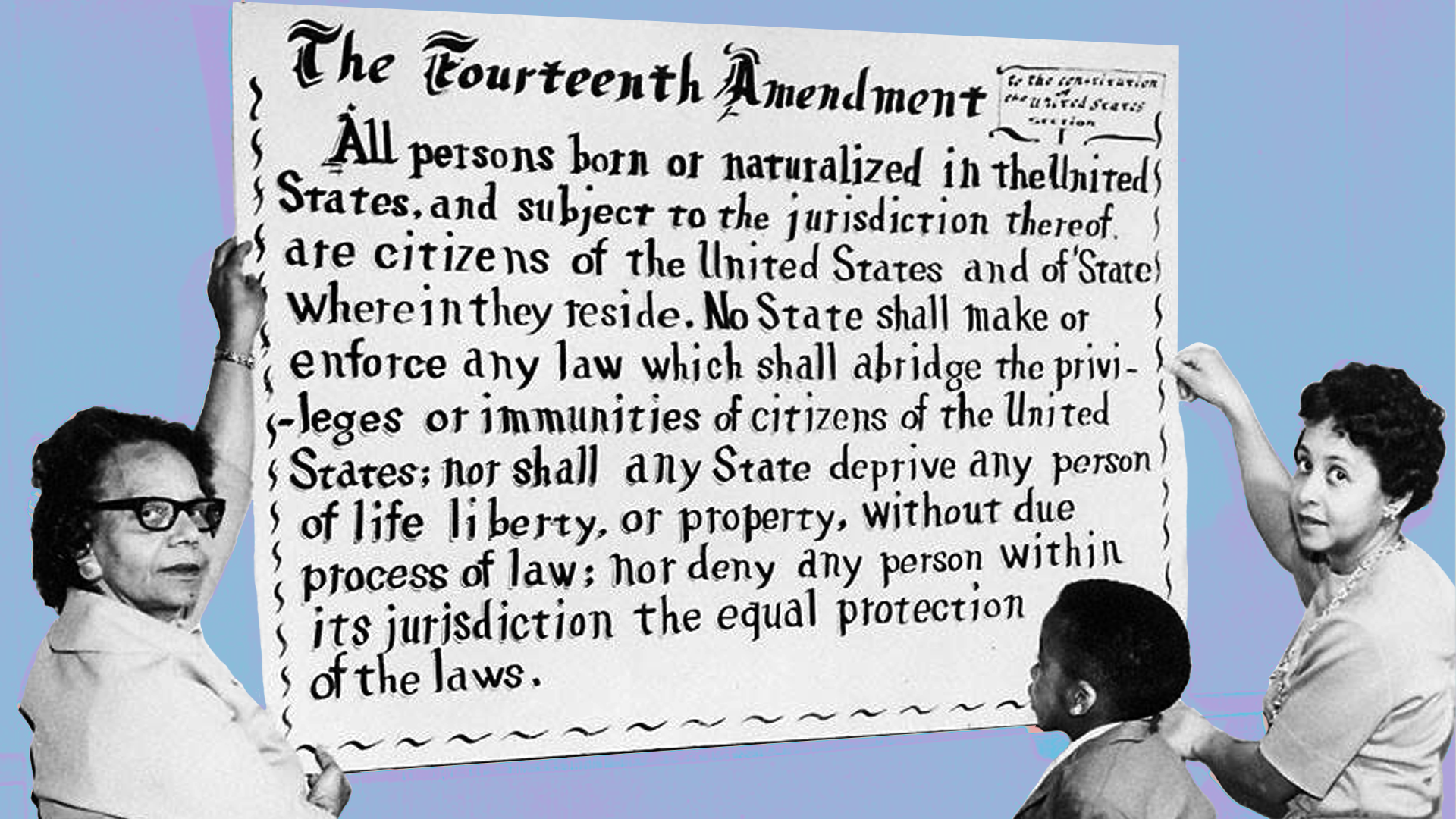
The 14th Amendment redefined American citizenship and reimagined the relationship between the people and their government.
What Happened?
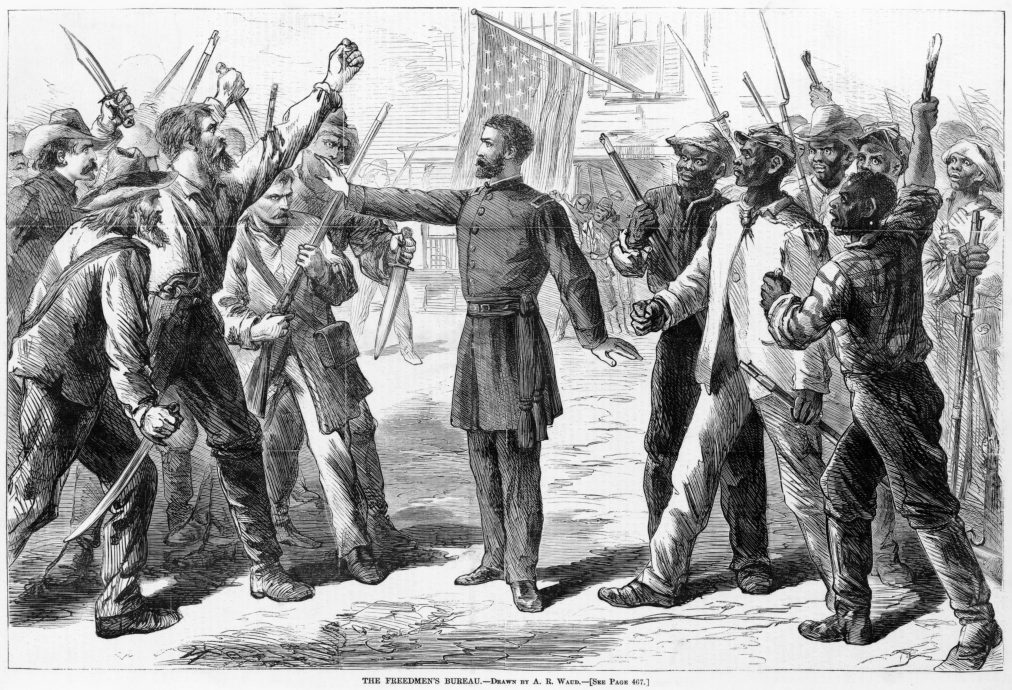
The 14th Amendment was born out of the ashes of slavery and the unfinished revolution of Reconstruction. Passed by Congress in 1866 and ratified by the states in 1868, it declared that 'all persons born or naturalized in the United States' were full citizens, entitled to the same protections and rights as any other American.
Its first section reshaped the legal landscape: it reversed the infamous Dred Scott decision, established birthright citizenship, extended due process to the states, and promised equal protection under the law. But that promise was far from fulfilled.
Over the next century, the Equal Protection Clause became the battlefield for some of the most important civil rights cases in U.S. history. From Plessy v. Ferguson (1896), which upheld segregation, to Brown v. Board of Education (1954), which dismantled it, the courts interpreted and reinterpreted what 'equal' truly meant.
Beyond race, the 14th Amendment laid the groundwork for privacy rights, gender equality, LGBTQ+ rights, and protections for immigrants. Its Due Process Clause has been cited in cases from Roe v. Wade (1973) to Obergefell v. Hodges (2015). Yet, each right won has faced backlash, rollback, or reinterpretation, revealing the amendment’s enduring, but contested, power.
The 14th Amendment also includes lesser-known but powerful provisions: apportionment of representatives, disqualification for insurrectionists, repudiation of Confederate debt, and the Enforcement Clause—which gives Congress authority to pass laws to uphold the amendment. These sections have taken on new urgency in the 21st century amid debates over voter suppression, insurrection, and equal access to public institutions.
While some saw the 14th Amendment as the Constitution’s second founding, others saw it as a threat to the racial and social order. Its legacy remains a mirror of American democracy: aspirational, unfinished, and constantly contested in the courts, legislatures, and streets.
Why It Matters
The 14th Amendment is a moral declaration. It’s the backbone of every major civil rights struggle in modern U.S. history and the most litigated part of the Constitution. Understanding its power and its limits is key to understanding American justice. In a nation that has long defined who belongs and who doesn't, the 14th Amendment remains a legal lighthouse in the stormy sea of rights, recognition, and equality.
?
How did the 14th Amendment overturn the Dred Scott decision?
What does the Equal Protection Clause protect—and how has its interpretation changed over time?
How has the 14th Amendment been used in landmark civil rights cases?
Why is the 14th Amendment so important to debates about voting rights, reproductive freedom, and LGBTQ+ equality today?
What is the Enforcement Clause, and how has Congress used it to protect civil rights?
Dig Deeper
A fast-paced explainer on how the 14th Amendment guarantees equal protection and why it’s such a crucial part of constitutional law.
Van Jones makes the case for why the 14th Amendment is the most revolutionary—and hopeful—idea in all of human governance.
Van Jones makes the case for why the 14th Amendment is the most revolutionary—and hopeful—idea in all of human governance.
Related
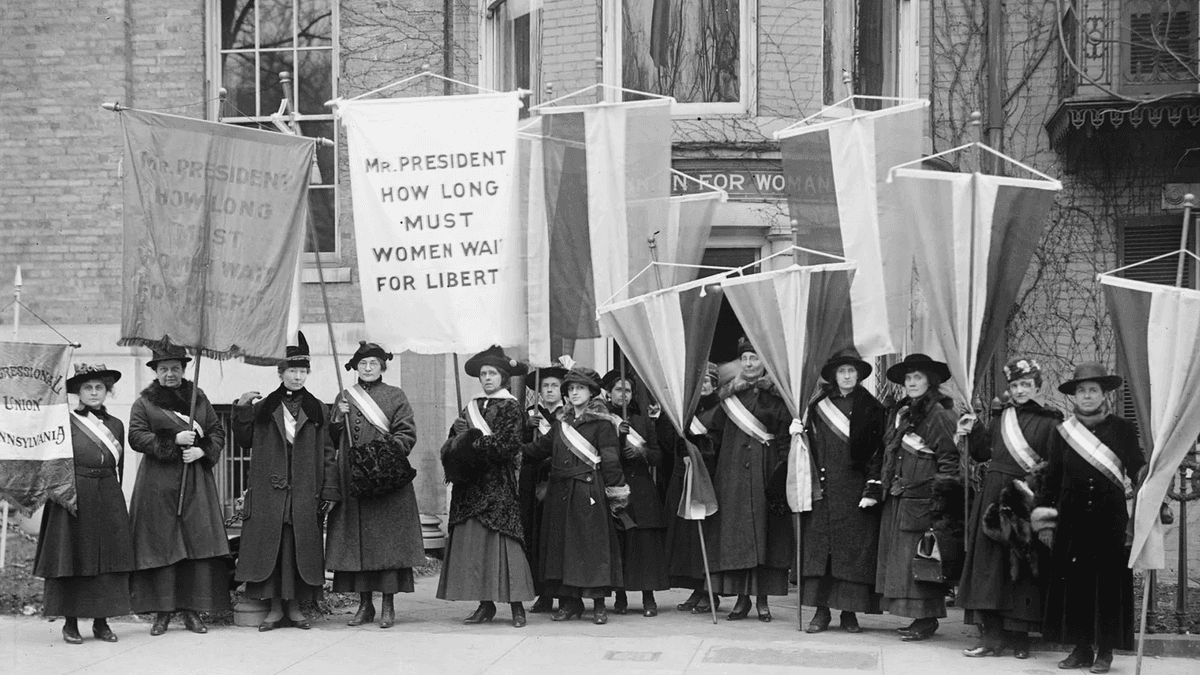
The Progressive Era: Reform, Regulation, and the Limits of Change
From breaking up monopolies to marching for women’s votes, the Progressive Era sought to fix America’s problems — but often left some voices out of the conversation.
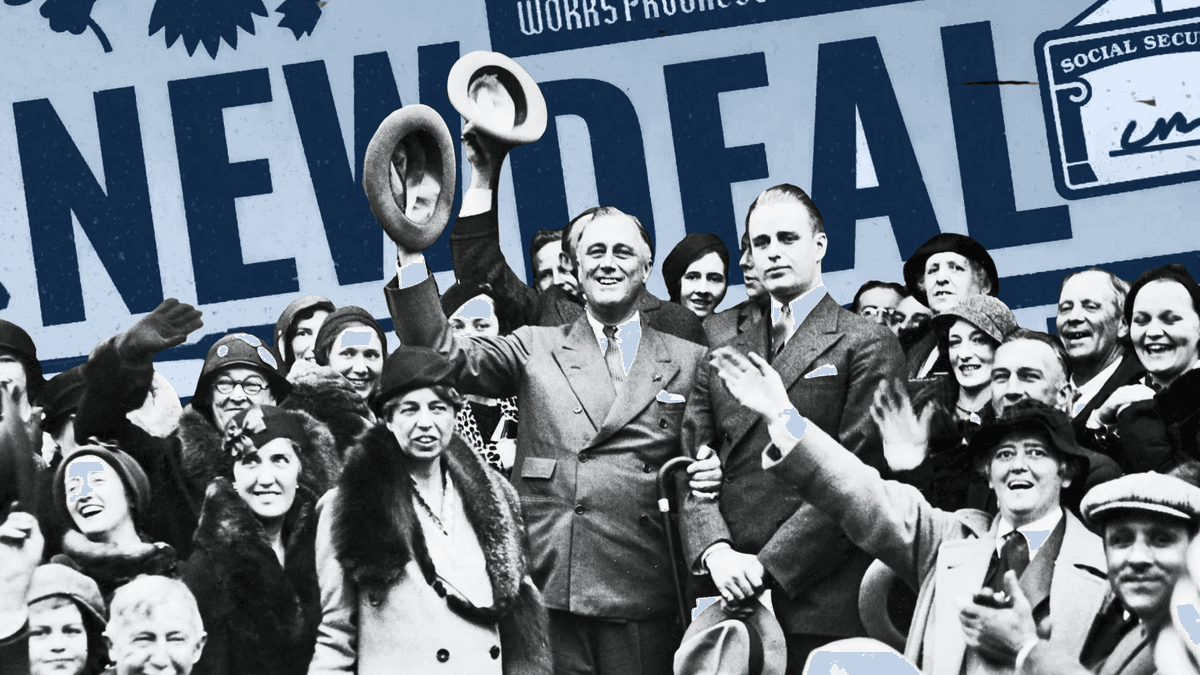
The New Deal: Fighting Depression with Bold Ideas
Faced with economic collapse, President Franklin D. Roosevelt launched a revolutionary plan to rebuild America from the ground up. The New Deal wasn’t just policy—it was a bold experiment in hope, action, and government responsibility.
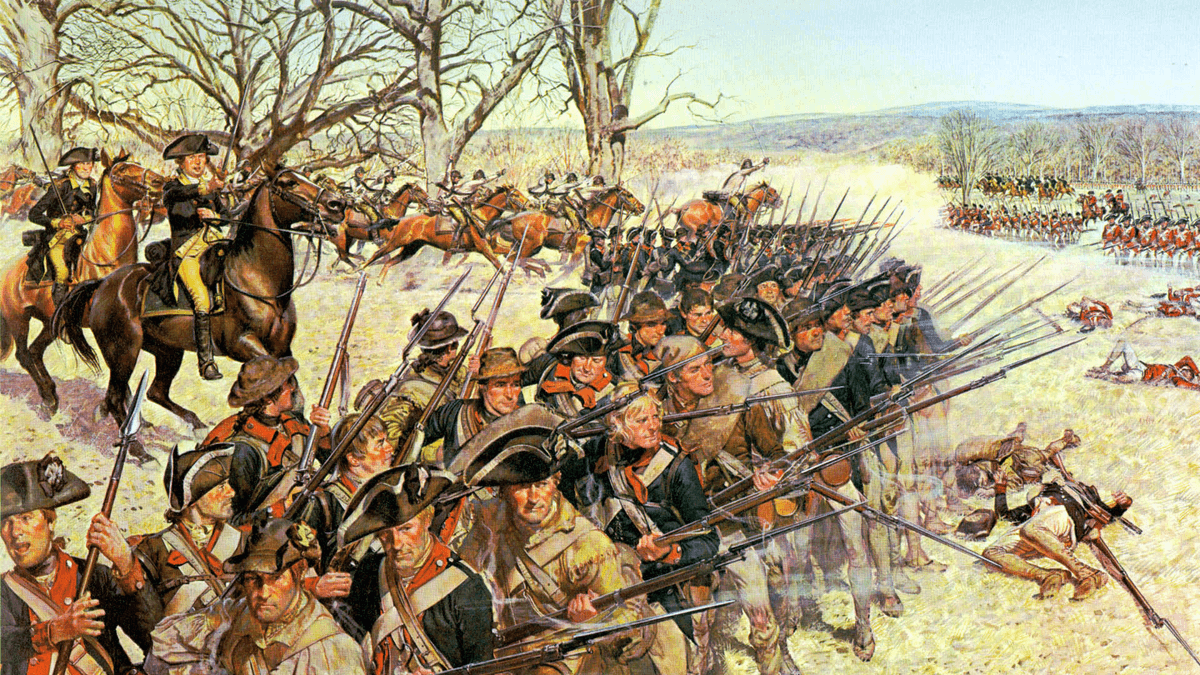
The American Revolution: Liberty, Loyalty, and North Carolina’s Role
The fight for independence wasn’t just fought in Boston and Philadelphia—it reached the farms, rivers, and hearts of North Carolina. Learn how the war unfolded, who fought, and why freedom remained a promise still waiting to be fulfilled for many.
Further Reading
Stay curious!