

NASA Is Born: America Joins the Space Race
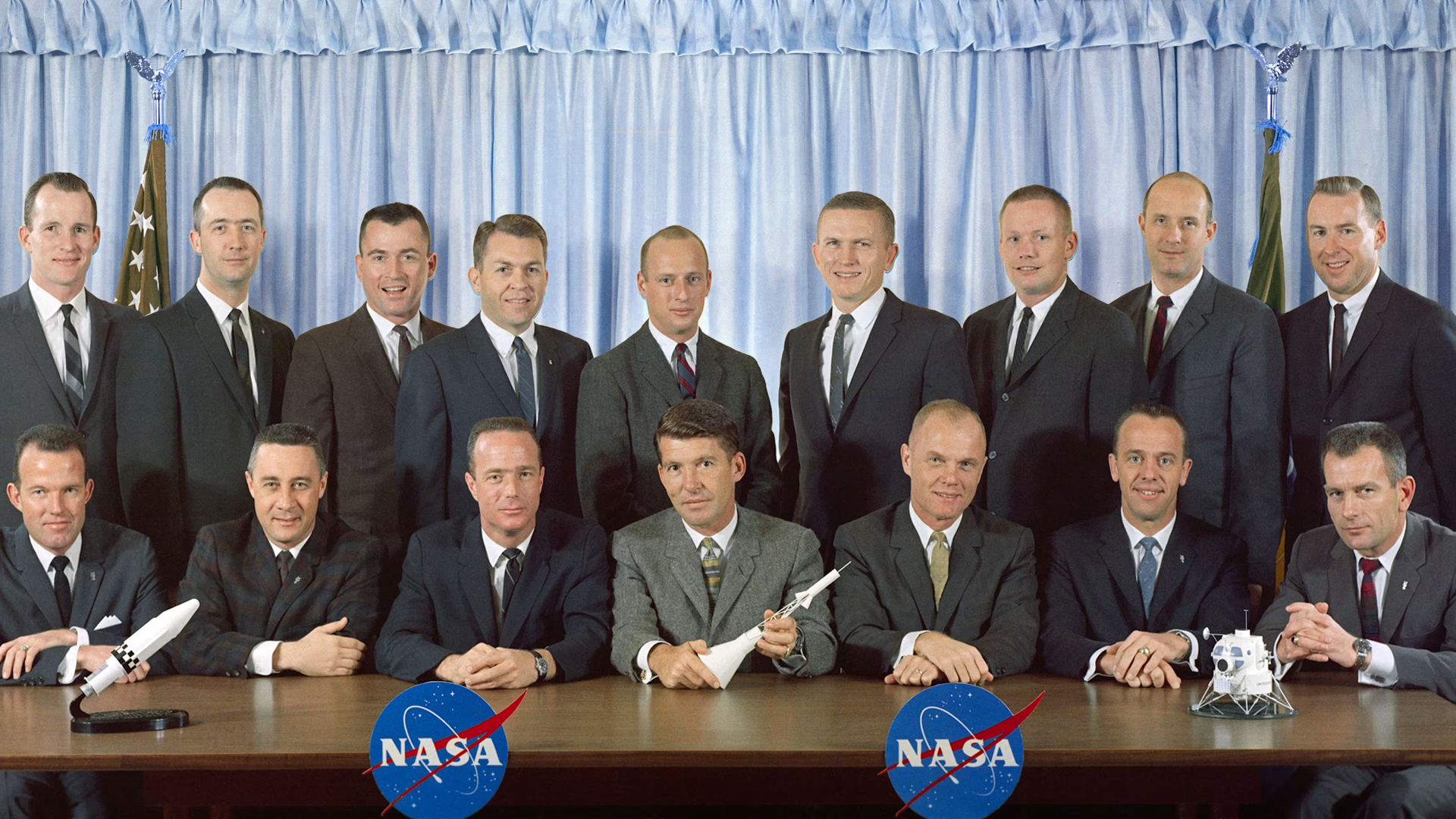
NASA’s creation was a declaration of scientific ambition and peaceful exploration.
What Happened?
In the heat of the Cold War, the Soviet Union sent shockwaves around the world with the launch of Sputnik in 1957—a beeping, basketball-sized satellite that outpaced anything America had in orbit (which, at the time, was nothing). Sputnik’s orbit was more than just a scientific achievement; it was a geopolitical flex that ignited panic and inspired purpose across the U.S. government. On July 29, 1958, the United States officially founded the National Aeronautics and Space Administration (NASA) as a civilian agency to coordinate peaceful space exploration.
NASA inherited the work of the National Advisory Committee for Aeronautics (NACA), the Army’s Explorer satellite program, and the talents of engineers like Wernher von Braun and the Jet Propulsion Laboratory’s team of women mathematicians. The agency opened its doors on October 1, 1958, with a bold mission: explore space, benefit Earth, and inspire generations.
In the decades since, NASA has been behind some of humanity’s greatest scientific feats—from landing astronauts on the Moon to building the International Space Station, from launching robotic probes to distant planets to watching over our climate from space.
NASA also brought space science back down to Earth. Its spinoff technologies revolutionized medicine, computing, transportation, and more. And its educational and cultural impact—think Moon landings, shuttle missions, Hubble imagery—is woven into the American identity.
Still, NASA’s path hasn’t been without tragedy. The Challenger and Columbia disasters were devastating reminders of the risks inherent in reaching for the stars. Yet the agency has endured, evolved, and expanded its partnerships across the globe.
NASA's creation marked a turning point: the moment America decided to look up, dream big, and build the infrastructure not only to survive the space race—but to shape the future of exploration itself.
Why It Matters
NASA wasn’t just a Cold War response, it became a launchpad for humanity’s most daring scientific missions. It helped transform the United States from a shaken bystander into a spacefaring superpower. From the Moon landing to the James Webb Space Telescope, NASA has pushed the boundaries of what’s possible and reminded us that the pursuit of knowledge is worth every mile traveled and every risk taken. Its creation established a legacy of innovation, international cooperation, and public service that still fuels progress today.
?
How did the launch of Sputnik by the Soviet Union in 1957 influence the creation of NASA?
Why was it important that NASA was established as a civilian agency rather than a military one?
Who were some of the key individuals and teams that helped build NASA in its early days?
In what ways has NASA contributed to life on Earth beyond space exploration?
What are some of the major scientific missions NASA has completed since its founding in 1958?
How did the Cold War shape America's goals and urgency in the space race?
What were the cultural and political effects of the Moon landing in 1969 on American identity?
What can the history of NASA teach us about the relationship between government funding and scientific innovation?
What are the risks and rewards of human spaceflight, and how has NASA responded to its tragedies?
How is NASA evolving today to work with private companies and international partners in space exploration?
Dig Deeper
Congress passed the National Aeronautics and Space Act, on July 16 and President Eisenhower signed it into law on July 29, 1958. NASA opened for business on Oct. 1, 1958, with T. Keith Glennan as our first administrator. Our history tells a story of exploration, innovation and discoveries.
1 in 4 Americans thinks NASA's budget should be reduced. This stems from misunderstandings like how much NASA actually gets in the first place. This video sheds some light on some of the work NASA does to make a case for why NASA is one of the best investments we make with our tax dollars.
What do we lose with the proposed budget cuts to NASA? Neil deGrasse Tyson breaks down the US government’s history of funding the sciences and what the impact of these budget cuts could mean for our future.
Related
Westward Expansion, Sectionalism, and the Road to Civil War
Manifest Destiny fueled territorial growth, but it also deepened sectional divides—turning political disagreements over slavery and states’ rights into irreconcilable conflicts that led to civil war.
Early Industry and Economic Expansion (1800–1850)
From gold mines in North Carolina to textile mills and telegraphs, discover how the Market Revolution transformed the way Americans lived, worked, and connected in the early 19th century.
The Regulator Movement: Backcountry Rebellion Before the Revolution
Long before the American Revolution, farmers in North Carolina were already fighting corruption and demanding justice.
Further Reading

Stay curious!