

The Balfour Declaration: A Promise That Changed the Middle East
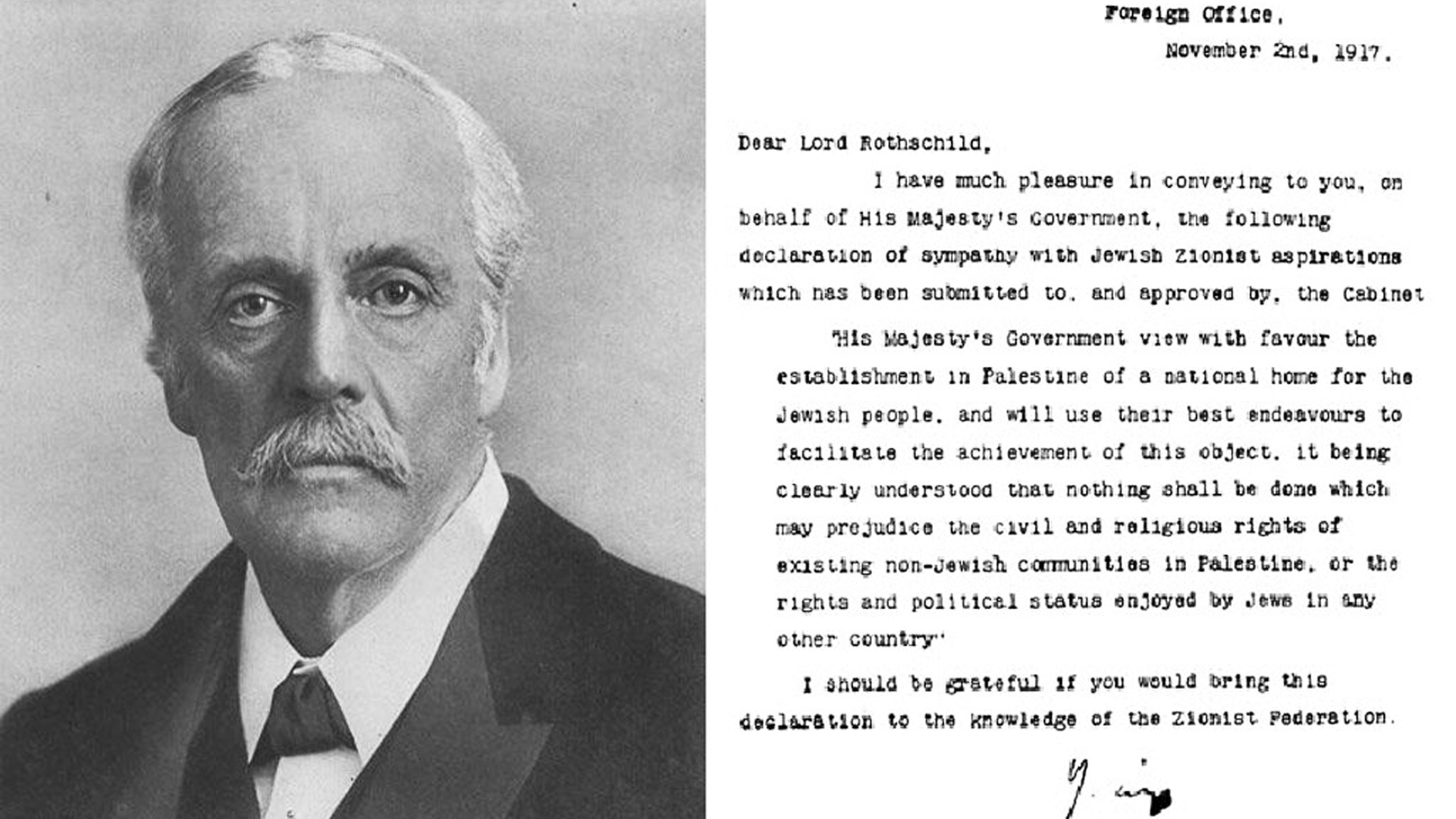
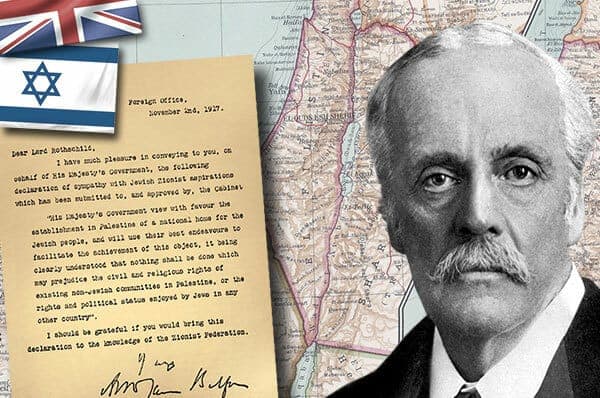
On November 2, 1917, British Foreign Secretary Arthur Balfour wrote a letter to Baron Lionel Rothschild expressing the British government’s support for 'the establishment in Palestine of a national home for the Jewish people.'
What Happened?
In the middle of World War I, the British government faced immense pressure to secure allies and maintain influence in key regions. On November 2, 1917, British Foreign Secretary Arthur Balfour sent a letter to Lord Lionel Rothschild, a leader in the British Jewish community. This letter, later known as the Balfour Declaration, announced Britain’s support for the creation of 'a national home for the Jewish people' in Palestine, then part of the Ottoman Empire.
To Britain’s leaders, this statement served multiple purposes. Some, like Prime Minister David Lloyd George, supported Zionism on moral and religious grounds, believing the Jewish people deserved a homeland after centuries of persecution. Others saw the declaration as a strategic way to win Jewish support for the Allied cause in the United States and Russia, and to strengthen Britain’s influence in the Middle East after the war.
At first glance, the declaration appeared to balance two promises: it supported the establishment of a Jewish homeland, but also stated that 'nothing shall be done which may prejudice the civil and religious rights of existing non-Jewish communities in Palestine.' However, the population of Palestine at the time was over 90% Arab. For many Palestinians, the declaration felt like a decision made about their land without their consent.
After the war, the Ottoman Empire collapsed, and the League of Nations placed Palestine under British control through what was called the 'Mandate System.' This system was supposed to prepare territories for self-government, but in Palestine, Britain’s role often favored Jewish immigrants over the Arab majority. Between 1922 and 1935, the Jewish population grew rapidly, leading to growing tension and violence between communities.
The Balfour Declaration was one of several conflicting promises Britain made during the war. The British had also pledged independence to Arab leaders for their help against the Ottomans, and secretly agreed with France to divide the Middle East between them in the Sykes-Picot Agreement. These overlapping commitments created confusion and resentment that still echo through the region today.
For many Zionists, the declaration was a triumph, a recognition of Jewish nationhood after centuries of exile and discrimination. For Palestinians, it marked the beginning of dispossession. The declaration and the subsequent British Mandate set in motion policies that paved the way for the 1948 creation of Israel and the mass displacement of hundreds of thousands of Palestinians during the Nakba, or 'catastrophe.'
Over a century later, the Balfour Declaration remains deeply controversial. Some view it as a necessary step toward Jewish self-determination after the horrors of anti-Semitism and the Holocaust. Others see it as a symbol of imperial arrogance, a European power deciding the fate of a land that wasn't its own.
Why It Matters
The Balfour Declaration transformed Middle Eastern and world history. It linked European imperial ambitions with the centuries-long Jewish struggle for safety and identity, while disregarding the rights of the Palestinian Arab population already living on the land. The document reveals how political promises made in wartime can lead to decades of conflict, displacement, and debate over justice and nationhood. Understanding the Balfour Declaration helps us see how history, diplomacy, and identity are intertwined and why peace requires acknowledging the full truth of the past.
?
What was the Balfour Declaration, and why did Britain issue it during World War I?
How did the Balfour Declaration affect the people living in Palestine at the time?
Why is the Balfour Declaration still controversial more than a century later?
How did Britain’s multiple promises during World War I create long-term conflict in the Middle East?
What lessons can we learn from how world powers make decisions about lands and peoples that are not their own?
Dig Deeper
To understand the founding of Israel and its impact on Palestinians, this video traces the history from the Balfour Declaration to the Nakba.
Related
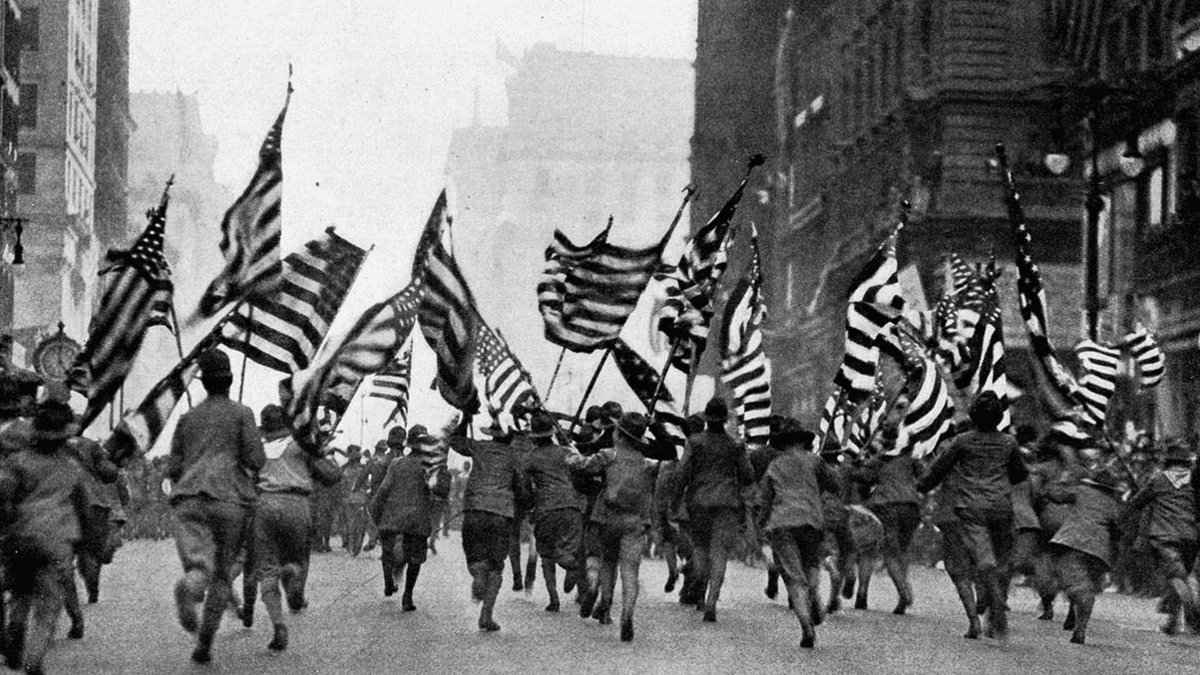
Why the United States Entered World War I
In 1917, after years of neutrality, the United States entered World War I—reshaping global politics and transforming life at home.
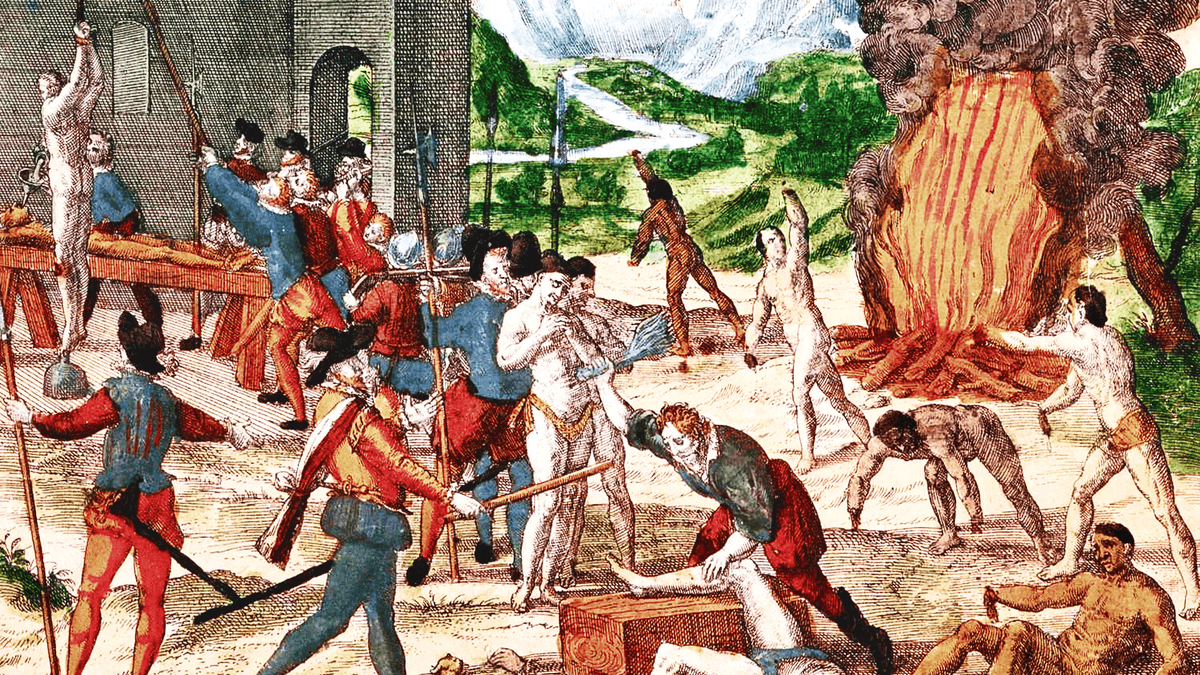
The Encomienda System: Empire, Labor, and the Roots of Colonial Slavery
The encomienda system promised 'protection' and Christianization. What it delivered was forced labor, cultural erasure, and the blueprint for slavery in the Americas.
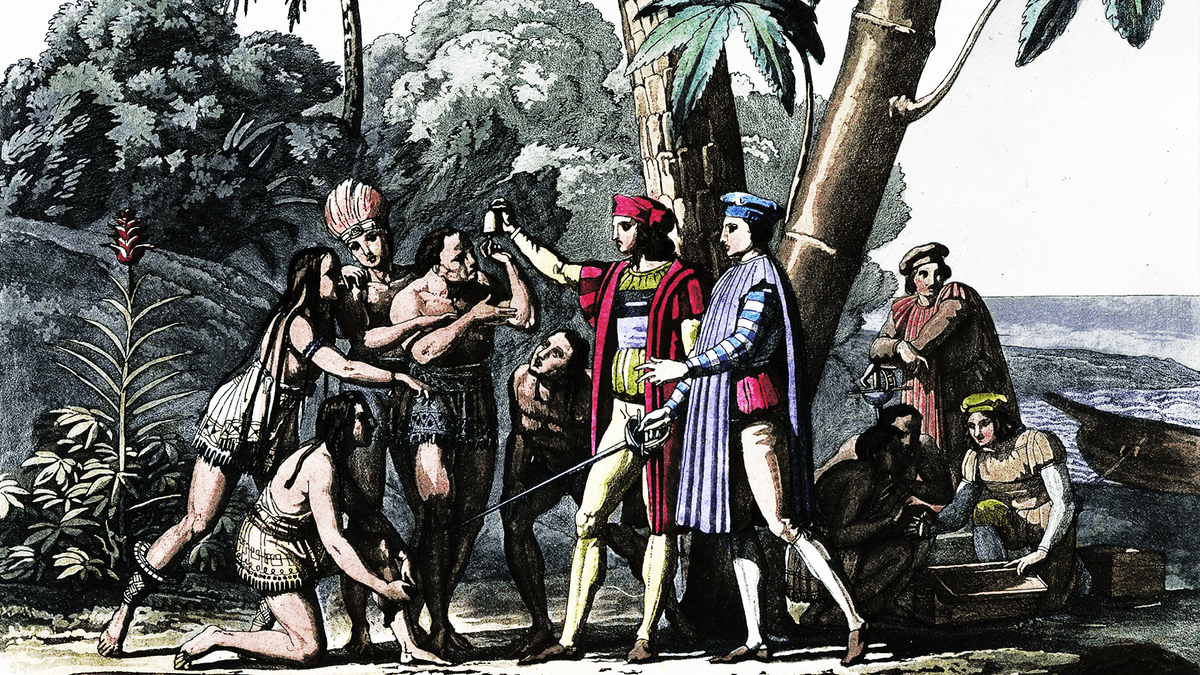
The Columbian Exchange: When Worlds Collided
When two previously isolated worlds collided in 1492, the resulting biological, cultural, and economic transformation reshaped every corner of the globe. The Columbian Exchange was not just a swap—it was a world-changing, world-breaking chain reaction.
Further Reading
Stay curious!