

Armistice Day: The End of World War I
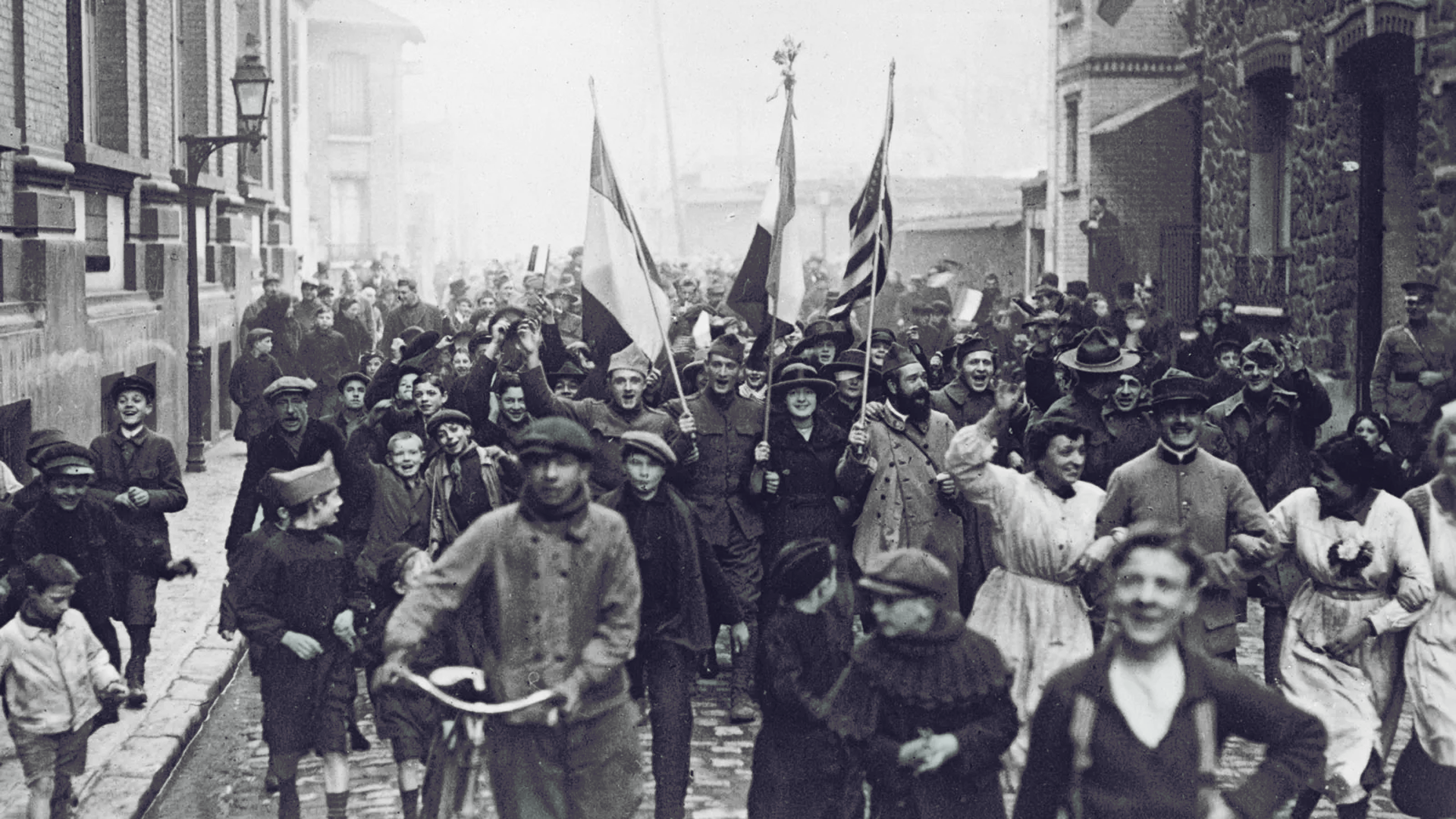
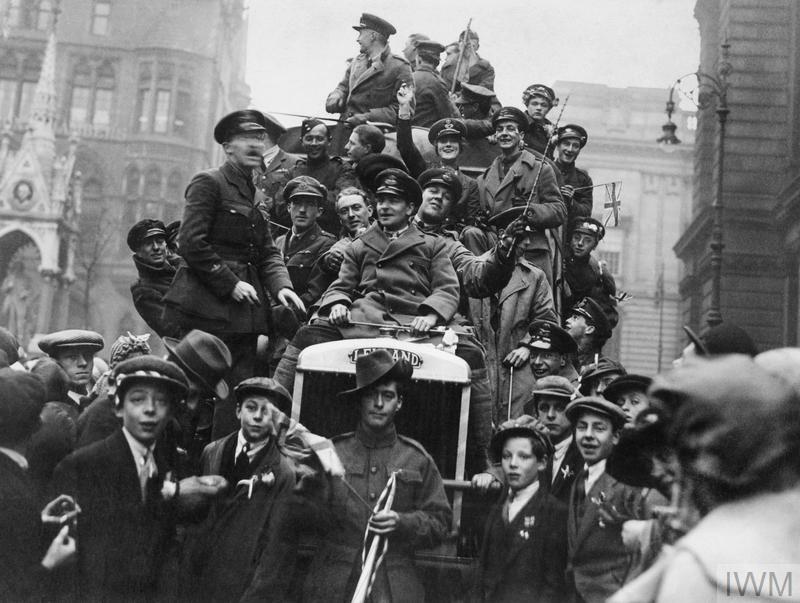
Crowds celebrating in Paris on Armistice Day, 1918.
What Happened?
World War I, known at the time as the Great War, was one of the deadliest conflicts in human history. From 1914 to 1918, more than thirty nations were pulled into a web of alliances, nationalism, and military buildup that transformed local disputes into a global catastrophe. The spark came in June 1914, when Archduke Franz Ferdinand of Austria-Hungary was assassinated in Sarajevo. Within weeks, Europe’s great powers were at war.
The war stretched across continents and oceans. Millions of soldiers fought in trenches, surrounded by mud, barbed wire, and the constant threat of artillery fire. New weapons like machine guns, tanks, and poison gas changed warfare forever, making the battlefields of Europe places of unimaginable suffering. Entire towns were destroyed, and families were separated by distance, grief, and fear.
By 1918, Germany and its allies were exhausted. Supplies had run out, soldiers were starving, and the arrival of fresh American troops had tipped the balance. On November 11, 1918, at precisely 11:00 a.m., the guns finally went silent. The armistice was signed in a railway car near Compiègne, France, and people around the world poured into the streets to celebrate the end of what they called 'the war to end all wars.'
The cost of victory was staggering. More than nine million soldiers were dead, twenty-one million were wounded, and millions of civilians had died from famine, disease, or bombardment. Nearly every family in Europe and beyond had lost someone. The landscape of nations changed forever, with old empires collapsing and new countries emerging amid the ruins.
In the years that followed, November 11 became known as Armistice Day, a time to honor the courage of those who served and to remember the price of peace. Around the world, people marked the day with silence at 11:00 a.m., parades, and flowers, especially red poppies, inspired by the famous poem 'In Flanders Fields.' The poppy became a symbol of remembrance and hope.
Although the armistice ended the fighting, the peace that followed was fragile. The Treaty of Versailles, signed in 1919, imposed harsh penalties on Germany that fueled anger and resentment, helping to set the stage for World War II two decades later. Still, Armistice Day remained a powerful reminder of humanity’s longing for peace.
Over time, the meaning of the day expanded. After World War II and the Korean War, the United States renamed the holiday Veterans Day to honor all who served in the armed forces. In other countries, it became known as Remembrance Day. Whether celebrated in silence or song, November 11 remains a moment to reflect on sacrifice, courage, and the shared hope that war will never again be seen as inevitable.
Armistice Day is more than a date. It's a reminder of the cost of human conflict and the importance of learning from history. The silence at the eleventh hour invites people everywhere to imagine a world where peace isn't just a pause between wars, but a lasting promise kept by every generation.
Why It Matters
Armistice Day reminds the world of the terrible cost of war and the fragile value of peace. The Great War reshaped nations and generations, teaching us that progress and patriotism mean little if humanity forgets compassion. The silence at the eleventh hour is more than tradition—it is a global act of remembrance for millions who suffered, fought, and died. Remembering Armistice Day challenges us to protect peace, respect those who serve, and build a future where understanding triumphs over violence. It is a promise that the lessons of the past will not be forgotten.
?
Why was World War I called 'the war to end all wars,' and did it live up to that name?
What was life like for soldiers fighting in the trenches during World War I?
How did the signing of the Armistice change the course of history?
Why is it important to have days of remembrance like Armistice Day or Veterans Day?
What lessons can modern societies learn from the end of World War I?
Dig Deeper
On November 11, 1918, World War I finally came to an end after four years of devastating conflict. This archival footage captures the joy and relief as cities across the world celebrated peace.
Related

World War I: Causes, Combat, and Consequences
World War I began as a regional crisis in Europe but became a global conflict that reshaped nations, warfare, and the modern world.
World War II: Causes, Conflict, and Consequences
A global war shaped by unresolved tensions, devastating conflict, and consequences that still define our world today.
Why the United States Entered World War I
In 1917, after years of neutrality, the United States entered World War I—reshaping global politics and transforming life at home.
Further Reading
Stay curious!