

Lincoln’s Gettysburg Address
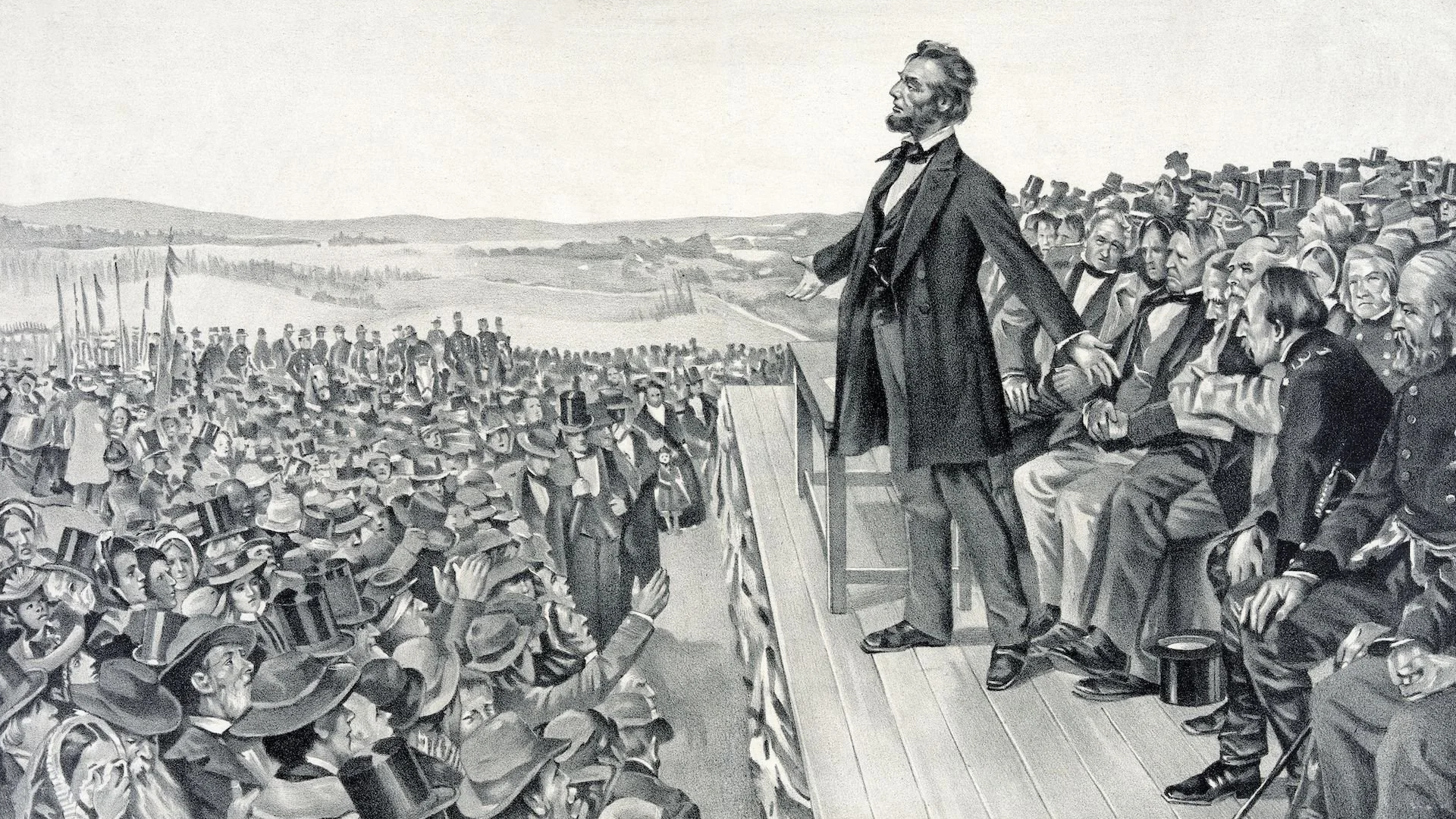
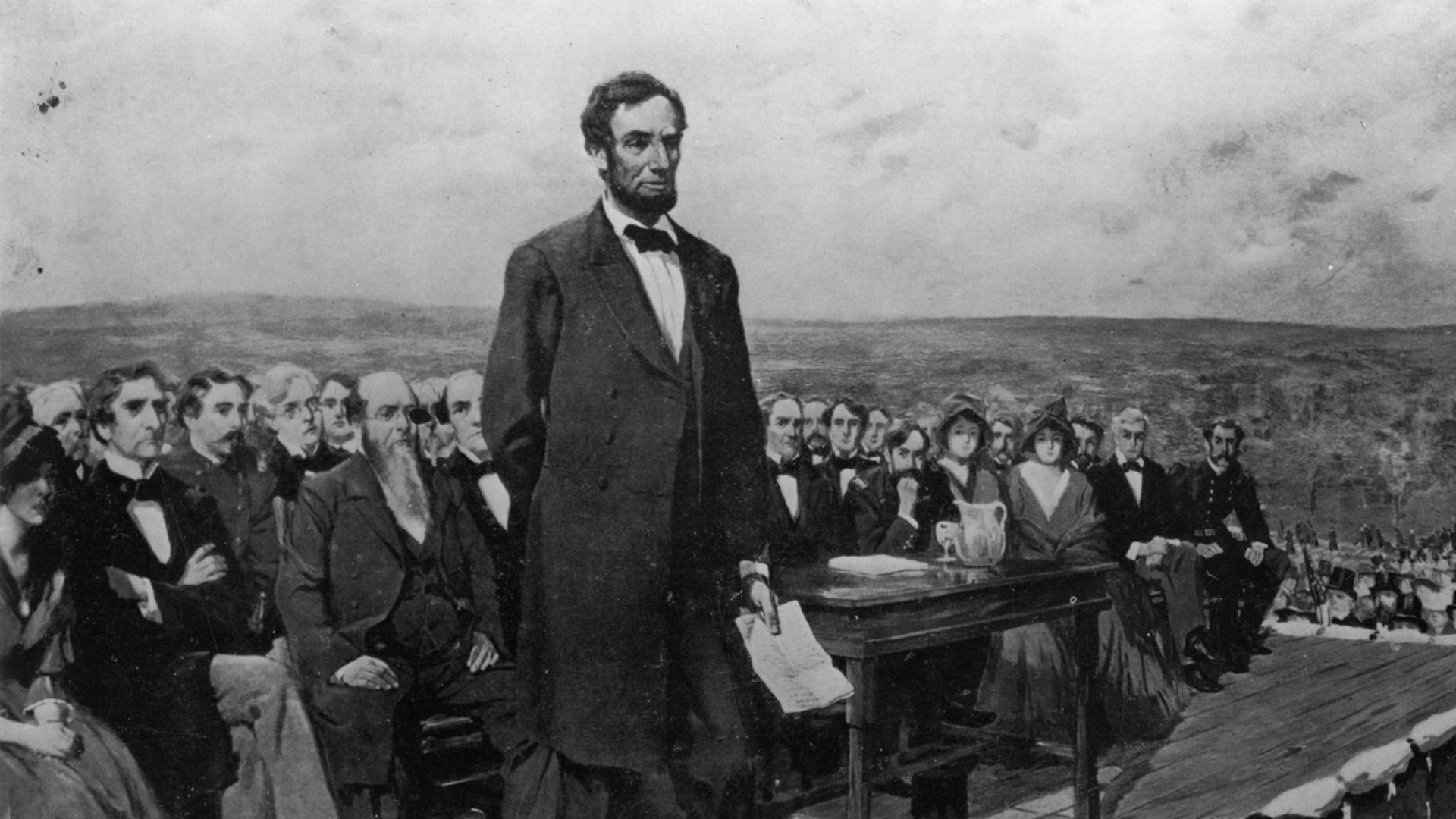
Crowd gathered on a Pennsylvania hillside as President Lincoln speaks at the Soldiers’ National Cemetery dedication.
What Happened?
The Gettysburg Address was delivered during one of the darkest periods in American history. The Civil War had torn the nation apart, and the Battle of Gettysburg—fought just four months earlier—was the bloodiest conflict of the war, leaving tens of thousands dead or wounded. When President Abraham Lincoln arrived to dedicate the new Soldiers’ National Cemetery, many expected a traditional ceremony. What they received instead was a two-minute speech that forever redefined the meaning of the war and the American promise.
Lincoln’s words were carefully chosen and deeply layered. By beginning with 'Four score and seven years ago,' he reminded his listeners of the nation’s founding in 1776 and the ideals stated in the Declaration of Independence: liberty and equality. He framed the Civil War as a test of whether a nation built on those principles could survive internal conflict. The question was no longer just about whether the Union would hold—it was about whether democracy itself could endure.
In honoring the fallen soldiers, Lincoln shifted focus from mourning to purpose. He declared that the living must dedicate themselves to the 'unfinished work' that the dead had advanced with their sacrifice. This meant carrying forward the struggle to build a more just and unified nation, one that lived up to its founding ideals. His message transformed the Civil War from a regional political fight into a moral crusade for freedom and equality.
Lincoln’s phrase 'a new birth of freedom' hinted at emancipation and the expansion of civil rights. By connecting the soldiers’ sacrifice to the idea of human equality, he gave their deaths a higher meaning—one tied to the moral progress of the nation. This subtle but profound redefinition helped prepare Americans to accept the end of slavery and the vision of a democracy that belonged to all people.
The simplicity and rhythm of the speech also played a crucial role in its power. In just 272 words, Lincoln used plain, accessible language that reflected his belief that democracy should speak in the voice of ordinary people. Every sentence built upon the last, weaving together past, present, and future to create a timeless expression of civic responsibility.
Initially, reactions were divided. Some newspapers dismissed the speech as too short or unremarkable, while others recognized its brilliance. Over time, however, the Gettysburg Address became a cornerstone of American identity. It is carved into the Lincoln Memorial, quoted in moments of national reflection, and memorized by students as a model of civic virtue and eloquence.
The enduring power of the Gettysburg Address lies in its clarity of purpose. It invites every generation to reflect on what it means to live in a democracy—one that is, as Lincoln said, 'of the people, by the people, for the people.' It reminds citizens that freedom and equality are not gifts secured once and for all but ideals that must be continually protected and renewed.
In its brevity, Lincoln’s address achieved what few speeches ever do: it turned grief into determination, despair into hope, and history into a living promise. More than a century and a half later, it still calls Americans to strengthen the nation by upholding justice, unity, and the shared belief that all people are created equal.
Why It Matters
The Gettysburg Address transformed the Civil War from a fight to save the Union into a struggle to fulfill America’s founding promise that all people are created equal. By honoring the soldiers who died at Gettysburg, Lincoln challenged the living to continue the unfinished work of building a nation where freedom, democracy, and human dignity truly belong to everyone. His words gave new meaning to the American experiment, offering a powerful definition of government 'of the people, by the people, for the people' that has inspired movements for justice, equality, and civil rights for more than 160 years. The Address endures as a reminder that every generation carries the responsibility to protect liberty, strengthen equality, and keep working toward a more just and democratic future.
?
Why did Lincoln quote the ideals of 1776 during a war in 1863?
What does a “new birth of freedom” mean in your own words?
How can ordinary people help a government stay “of, by, and for the people”?
Why might a short speech sometimes be more powerful than a long one?
How should a nation honor soldiers beyond ceremonies and monuments?
Dig Deeper
A short overview of the speech and its moment at Gettysburg.
Causes and early course of the Civil War to frame the speech’s context.
How the war reshaped the nation and expanded freedom.
Related
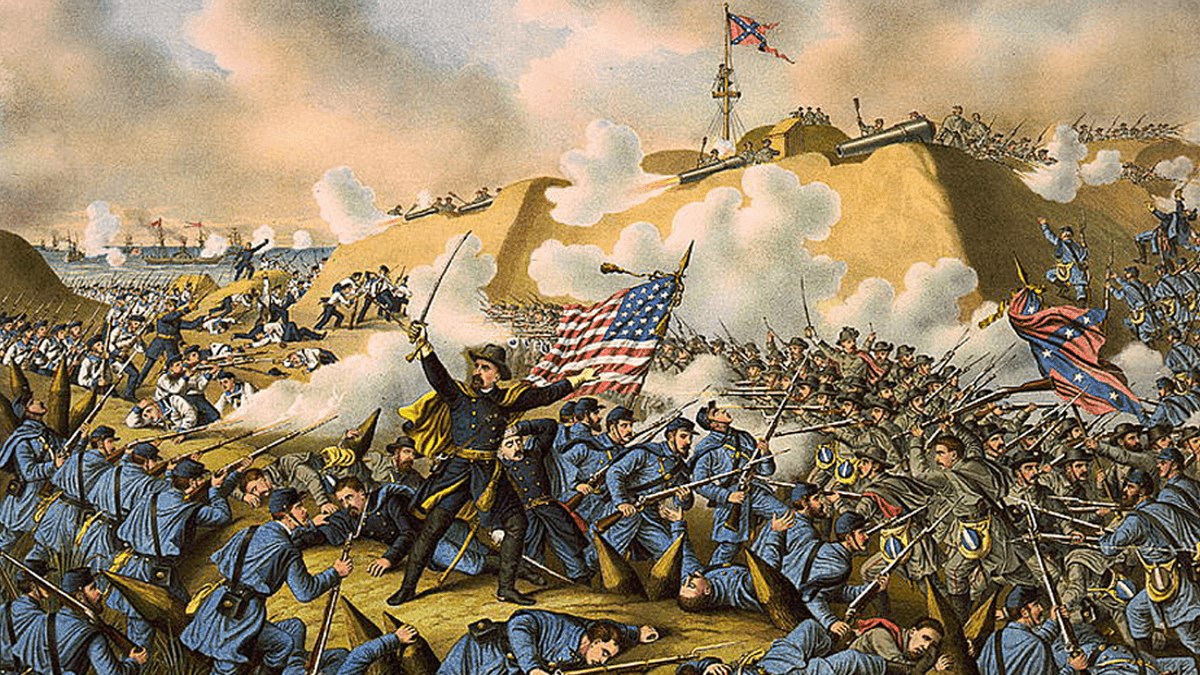
The American Civil War & North Carolina’s Role (1861–1865)
A nation divided, a state conflicted, and four years that reshaped American life forever.
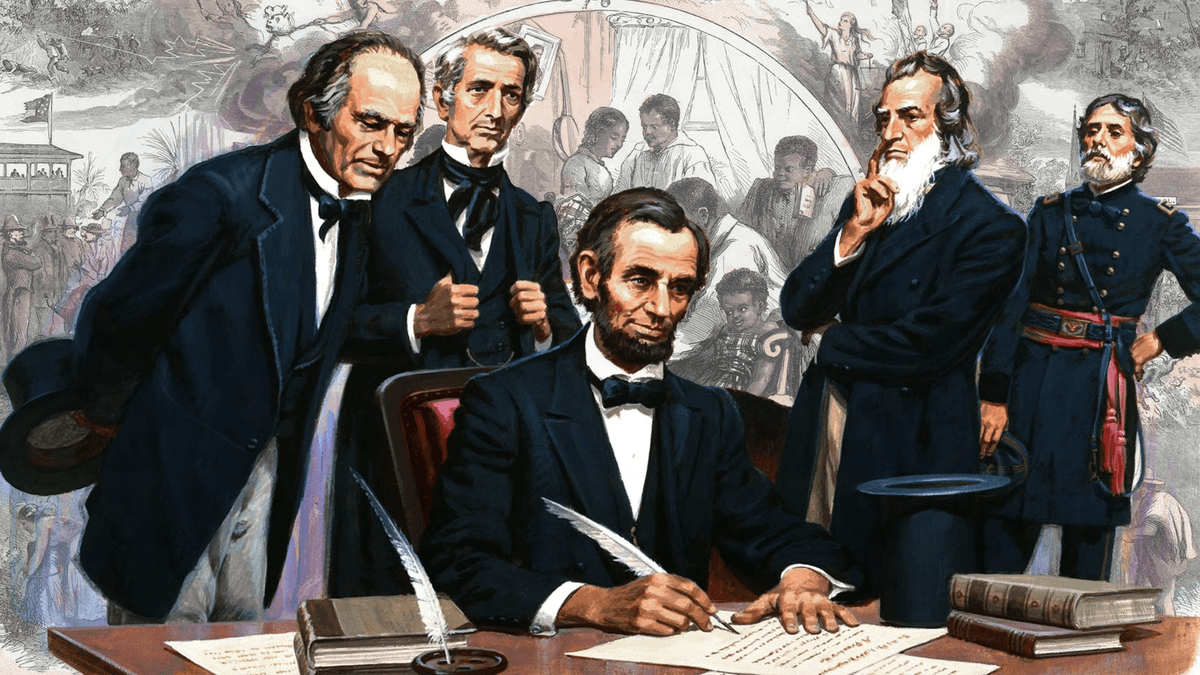
The Emancipation Proclamation & The 13th Amendment
Freedom on paper is one thing; freedom in practice is another. The Emancipation Proclamation and the 13th Amendment were giant leaps toward liberty—yet the road ahead for formerly enslaved people was long and uneven.
Basic Rights and Personal Responsibilities
Rights give us freedom. Responsibilities protect those freedoms—for ourselves and for each other.
Further Reading
Stay curious!