

Oliver Kelley Organizes the Grange
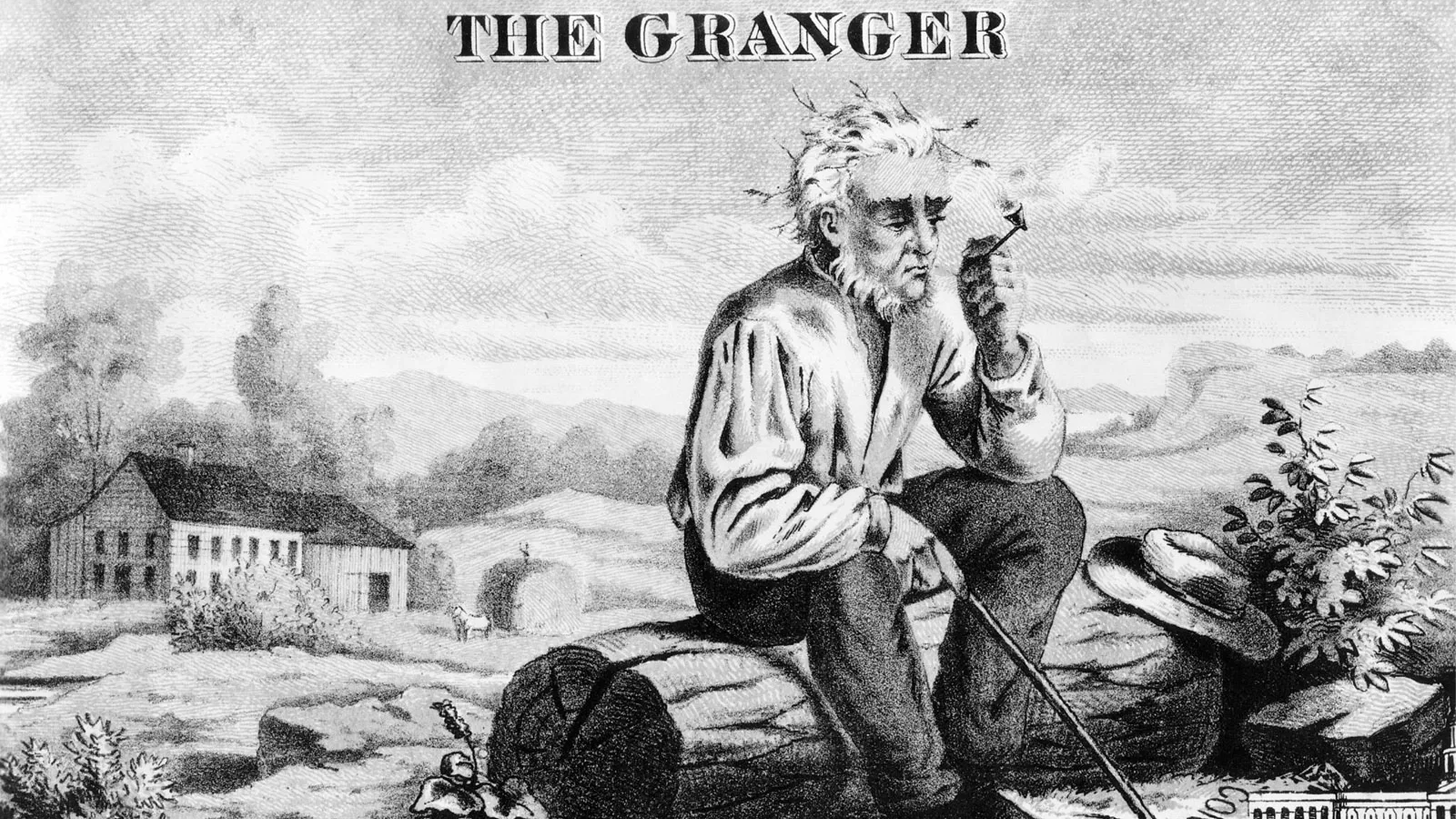
What began as a social and educational club soon became one of the first major reform movements in American history.
What Happened?
On December 4, 1867, Oliver Hudson Kelley helped launch the organization known as the Grange after traveling through the post–Civil War South and seeing how isolated and discouraged many farmers felt. Kelley believed that farmers needed a national group that could share new ideas, build community, and improve everyday life for rural families. His goal was to unite farmers across regions and create a space where they could learn, support one another, and work together.
The Grange began as a social and educational group. Local Grange Halls held meetings, shared lessons on scientific farming, and created a sense of community in places where families often lived miles apart. Kelley insisted that women should be full members, which made the Grange unusual for the time, and many women became some of its strongest organizers and leaders.
As farmers gathered, they discovered they were all facing similar problems. Railroads and grain storage companies controlled prices and often charged extremely high fees. Farmers depended on these companies to move their crops to market, which meant they had little power to negotiate. Grange members began talking about fair treatment, honest prices, and the need for stronger rules to protect rural communities.
This shared frustration grew into political action. Grange members pushed for new state laws that limited what railroads and grain companies could charge. These laws, later called the Granger Laws, became some of the first attempts in United States history to regulate large private businesses in the interest of the public. Although many of these laws were weakened in court, they created an important legal foundation for future consumer protections.
The success of the movement proved that organized citizens could influence government decisions and challenge powerful industries. This helped inspire later reforms such as the Interstate Commerce Act of 1887, which established federal oversight of railroad prices. It also encouraged other groups of workers and community members to organize and speak up for their rights.
The Grange continued to evolve long after the nineteenth century. It remained committed to building strong communities through service, education, and peaceful civic engagement. Its values focused on unity, fairness, and charity, which guided members as they worked to address issues like prejudice, inequality, and rural poverty.
Today, the Grange still exists as a nationwide organization that welcomes people from many different backgrounds. It supports local service projects, community leadership, and policies that help rural areas thrive. Its long history demonstrates how cooperation and collective problem solving can strengthen democracy.
Why It Matters
Oliver Kelley’s original idea grew far beyond a single farmer’s dream. By bringing people together, the Grange helped shape national conversations about fairness, economic justice, and the responsibility communities have to one another. It remains one of the most important grassroots movements in American history. The Grange shows how everyday people can make a difference when they work together. Farmers who once felt isolated and powerless learned that their voices mattered, and that even powerful industries like railroads could be challenged. The movement helped shape early laws protecting consumers and showed that democracy works best when communities stay informed, organized, and involved.
?
Why was cooperation so important for farmers in the late 1800s?
How did the Granger Laws change the way people viewed the responsibilities of big companies?
Why do you think the Grange chose to welcome women as full members from the beginning?
How can community organizations today use some of the same strategies the Grange used?
Dig Deeper
A clear overview of the challenges farmers faced in the late 1800s and how the Grange organized people to fight for fairer treatment in the marketplace.
Related
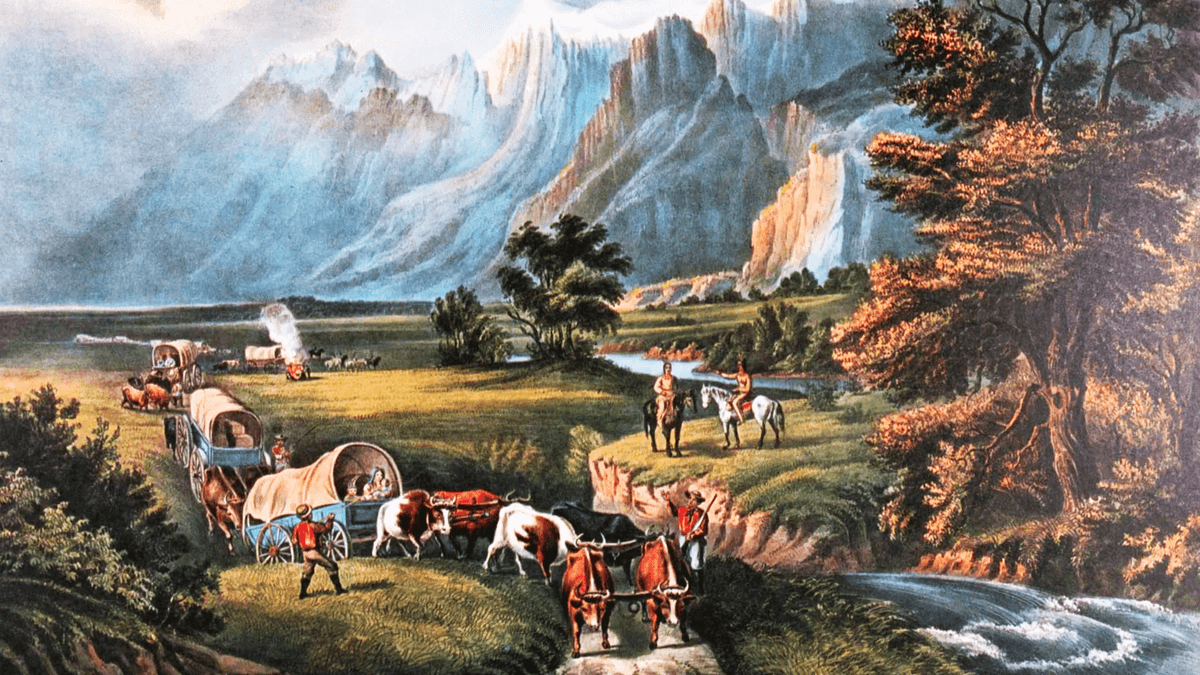
Westward Expansion, Sectionalism, and the Road to Civil War
Manifest Destiny fueled territorial growth, but it also deepened sectional divides—turning political disagreements over slavery and states’ rights into irreconcilable conflicts that led to civil war.

How a Bill Becomes a Law
From idea to law, every bill takes a long journey through Congress—full of debate, revision, and compromise—before landing on the president’s desk.
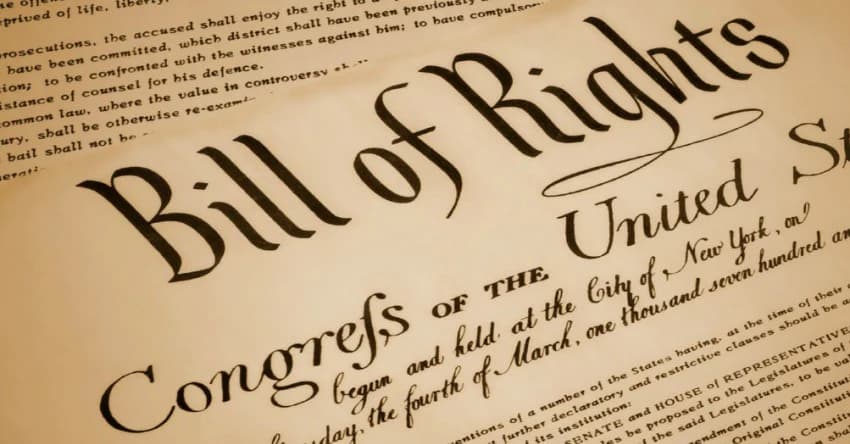
The Bill of Rights: What Is It and What Does It Actually Do?
The Bill of Rights wasn’t added to the Constitution because everything was going great, it was added because the people didn’t trust the government. And they had every reason not to.
Further Reading
Stay curious!