

Lincoln Announces the Proclamation of Amnesty and Reconstruction
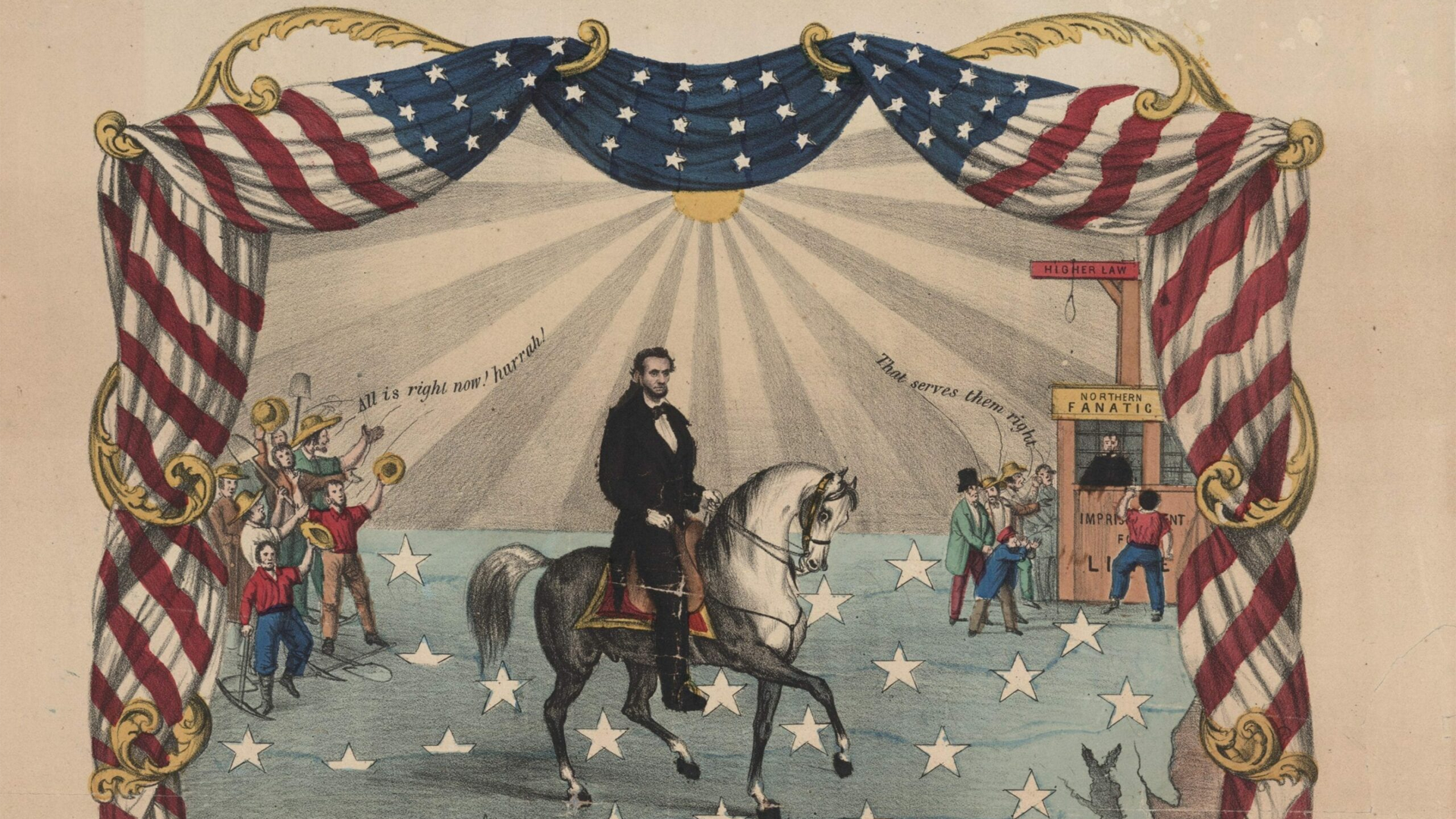
Abraham Lincoln introducing his plan for reuniting the United States during the Civil War.
What Happened?
By late 1863, the Civil War had turned toward Union victory, and Abraham Lincoln knew it was time to think about how the country would come back together. His Proclamation of Amnesty and Reconstruction offered a plan that focused on forgiveness and rebuilding rather than punishment, even for people who had taken up arms against the Union.
Lincoln’s plan promised full pardons and the return of property to most former Confederates who agreed to an oath of loyalty to the United States. Only top Confederate leaders and those accused of war crimes were excluded, showing Lincoln’s desire to balance justice with mercy.
The proclamation explained that a Southern state could form a new government once 10 percent of its voters from before the war pledged loyalty to the Union. This became known as the Ten Percent Plan, and it was meant to help states rejoin quickly so families, farms, and communities could begin healing.
A major part of the plan was that any new Southern government had to respect the freedom of formerly enslaved people. Lincoln did not yet spell out full civil rights, but he made it clear that freedom could not be taken away again. This was an early step toward what would later become the Reconstruction Amendments.
Not everyone agreed with Lincoln’s approach. Many Radical Republicans in Congress believed the plan was too gentle and feared it would allow former Confederate leaders to return to power without protecting the rights of Black Americans. But others supported Lincoln because they trusted his leadership during the war.
Lincoln’s proclamation marked one of the first official attempts to imagine what the United States might look like after the Civil War. It opened a national debate about forgiveness, fairness, and the meaning of freedom that would shape Reconstruction for years to come.
Why It Matters
Although Lincoln did not live to guide the nation through Reconstruction himself, his plan set the stage for the difficult questions America would face about rebuilding, justice, and the future of millions of newly freed people. Lincoln’s Proclamation of Amnesty and Reconstruction reminds us that healing a nation takes courage, compassion, and clear vision. His plan pushed Americans to think about forgiveness, fairness, and who should shape the future of the country after a time of deep division. Understanding this moment helps us see how leaders balance justice with reconciliation and why the choices made during Reconstruction still influence the United States today.
?
Why did Lincoln believe forgiveness was important for rebuilding the nation?
What challenges might come with allowing only 10 percent of voters to form a new government?
Why did some members of Congress think Lincoln’s plan was too lenient?
How did the proclamation begin to address the future of formerly enslaved people?
What does Lincoln’s plan show us about leadership during a crisis?
Dig Deeper
A clear explanation of Reconstruction, the political battles that shaped it, and how the nation struggled to reunite after the Civil War.
An introduction to how Reconstruction sought to extend rights to Black Americans and rebuild the nation after slavery.
Related
The Emancipation Proclamation & The 13th Amendment
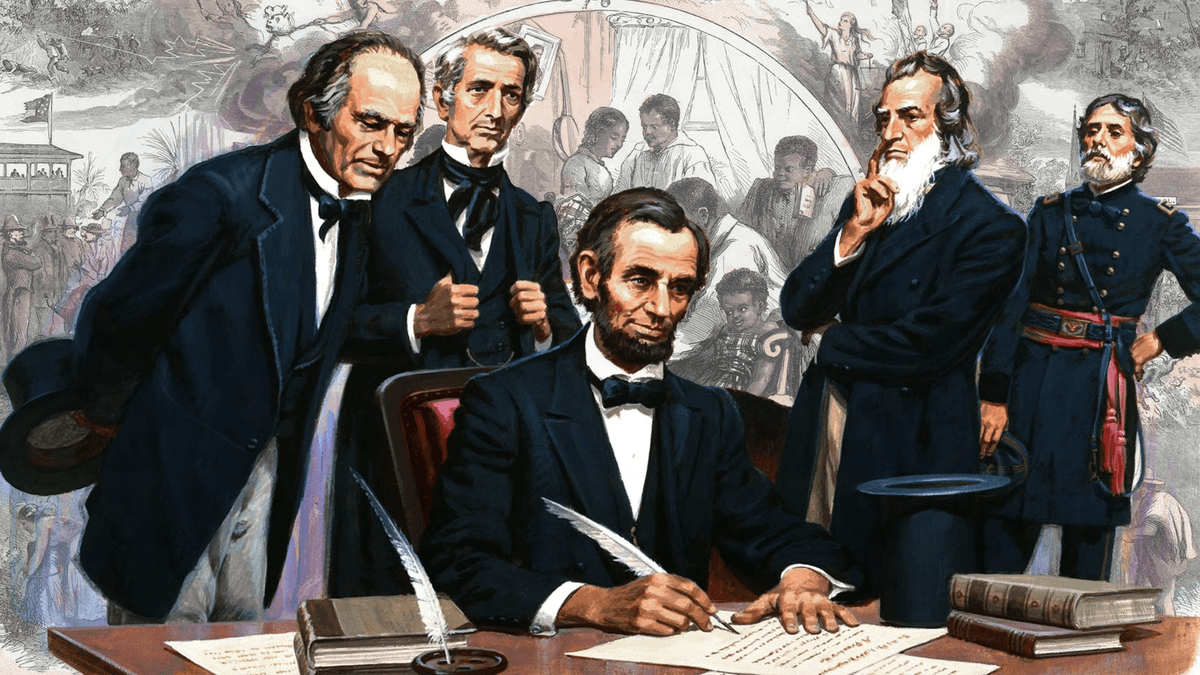
Freedom on paper is one thing; freedom in practice is another. The Emancipation Proclamation and the 13th Amendment were giant leaps toward liberty—yet the road ahead for formerly enslaved people was long and uneven.
The American Civil War & North Carolina’s Role (1861–1865)
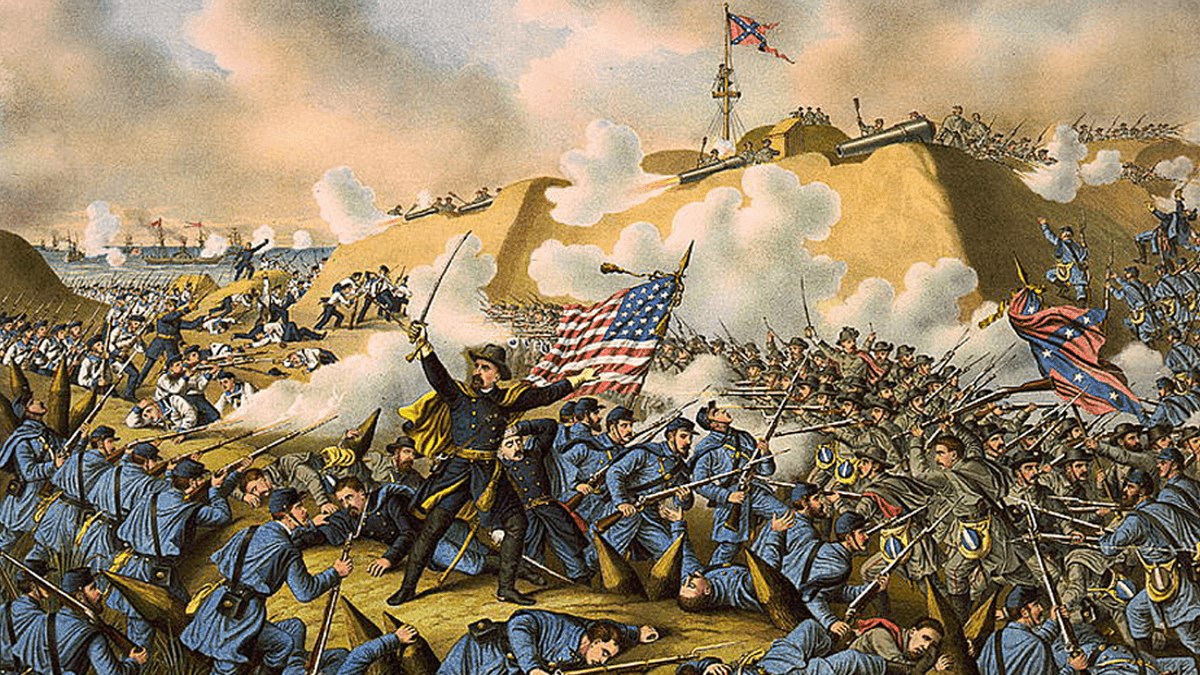
A nation divided, a state conflicted, and four years that reshaped American life forever.
The American Civil War – A Nation Torn Apart
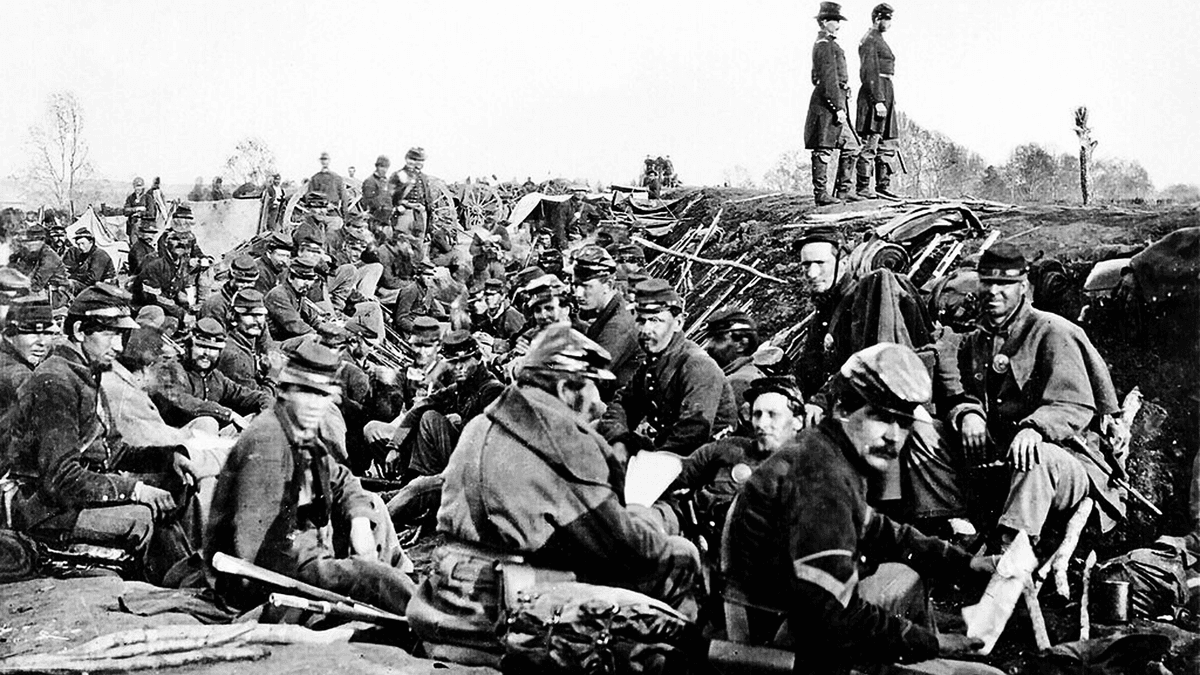
From Fort Sumter to Appomattox, the Civil War was the deadliest conflict in U.S. history, fought over the nation's most profound moral and political divisions.
Further Reading

Stay curious!