

The Kyoto Protocol Is Adopted
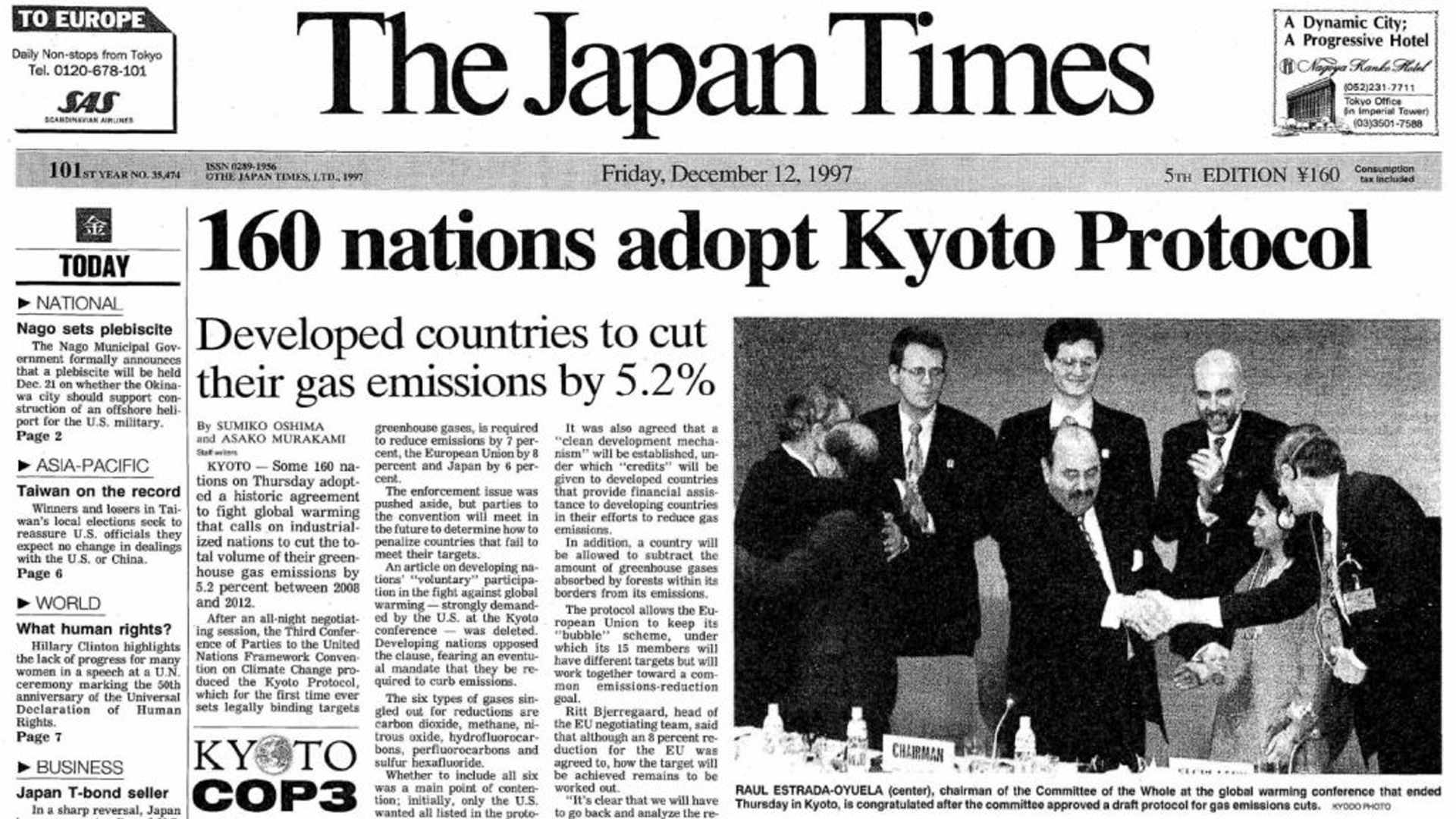
The Kyoto Protocol marked the first time nations around the world agreed to legally limit greenhouse gas emissions.
What Happened?
On December 11, 1997, representatives from more than 160 nations met in Kyoto, Japan, to confront a problem the world could no longer ignore: rising global temperatures caused by greenhouse gas emissions. Their solution, the Kyoto Protocol, became the first international treaty to require industrialized countries to reduce the pollution that was heating the planet.
Scientists had been warning for decades that burning fossil fuels like coal, oil, and gas was releasing gases that trapped heat in the atmosphere, much like thick blankets wrapped around the Earth. The Kyoto Protocol asked wealthier nations, whose industries had produced the most emissions, to take the first big steps by agreeing to binding reduction targets.
Because countries had different levels of development, the treaty did not require the same responsibilities from everyone. Nations like the United States, Japan, and members of the European Union faced firm limits, while developing nations such as China and India were not held to binding targets. This reflected the idea that the countries most responsible for past pollution should lead the effort to fix it.
To help nations meet their goals, the Protocol introduced creative tools, including carbon trading, where countries could buy and sell emission credits, and programs that allowed wealthier nations to support cleaner technologies in developing countries. These approaches aimed to reduce emissions in ways that were both flexible and cost-effective.
Although many countries took action and some met their targets, the Kyoto Protocol faced serious challenges. The United States, one of the world’s biggest polluters at the time, never ratified the agreement, and several countries later withdrew. Meanwhile, global emissions continued to rise as developing economies grew and energy use expanded around the world.
Even with its limitations, the Kyoto Protocol is remembered as a turning point. For the first time, the world agreed that climate change was real, human-caused, and in need of collective action. It created systems for tracking emissions, testing new ideas, and preparing the world for future cooperation, including the Paris Agreement in 2015.
The legacy of the Kyoto Protocol shows how difficult it can be for nations to work together on global issues, but also how essential that cooperation is for protecting the planet. It reminds us that progress often begins with a single, imperfect but courageous step forward.
Why It Matters
The Kyoto Protocol marked the moment when countries around the world agreed that climate change was a shared responsibility. Even though the treaty was imperfect, it proved that global cooperation on the environment was possible and helped shape stronger agreements in the future. Understanding Kyoto shows us how scientific evidence, international teamwork, and long-term planning come together to protect our planet.
?
Why did the Kyoto Protocol place more responsibility on industrialized nations than on developing ones?
What challenges make it hard for countries to agree on climate policies?
How do carbon trading and clean development projects help reduce emissions?
Why do you think some nations refused to or later withdrew from the Protocol?
How did the Kyoto Protocol influence later agreements like the Paris Agreement?
Why is global cooperation important when solving environmental problems?
Dig Deeper
A simple explanation of how the Kyoto Protocol worked and why it mattered.
A look at how global climate policies evolve and how agreements like Kyoto and Paris attempt to reduce emissions.
Related
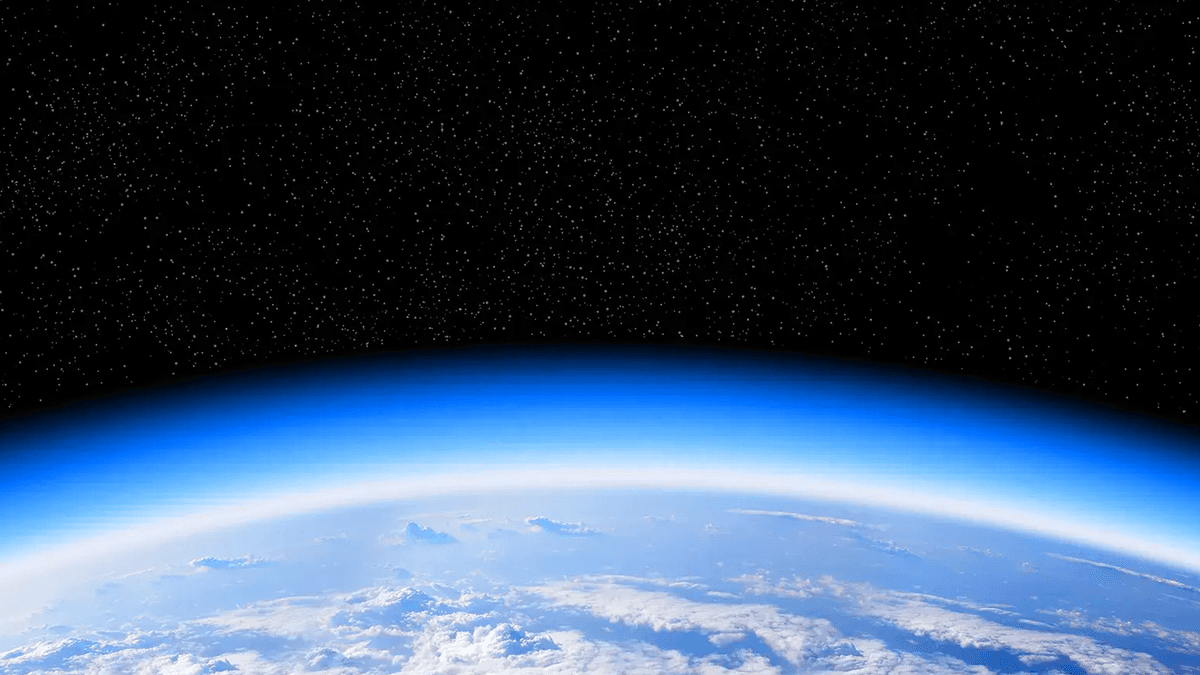
The Ozone Hole: A Wake-Up Call from the Sky
In 1985, scientists discovered a gaping hole in the ozone layer above Antarctica. It wasn’t just a science headline—it was a planetary red flag. And the world actually listened.

Why NASA Matters: From the Moon to Your Morning Commute
NASA does more than explore space—it builds technology that helps farmers grow food, doctors save lives, and scientists protect the planet.
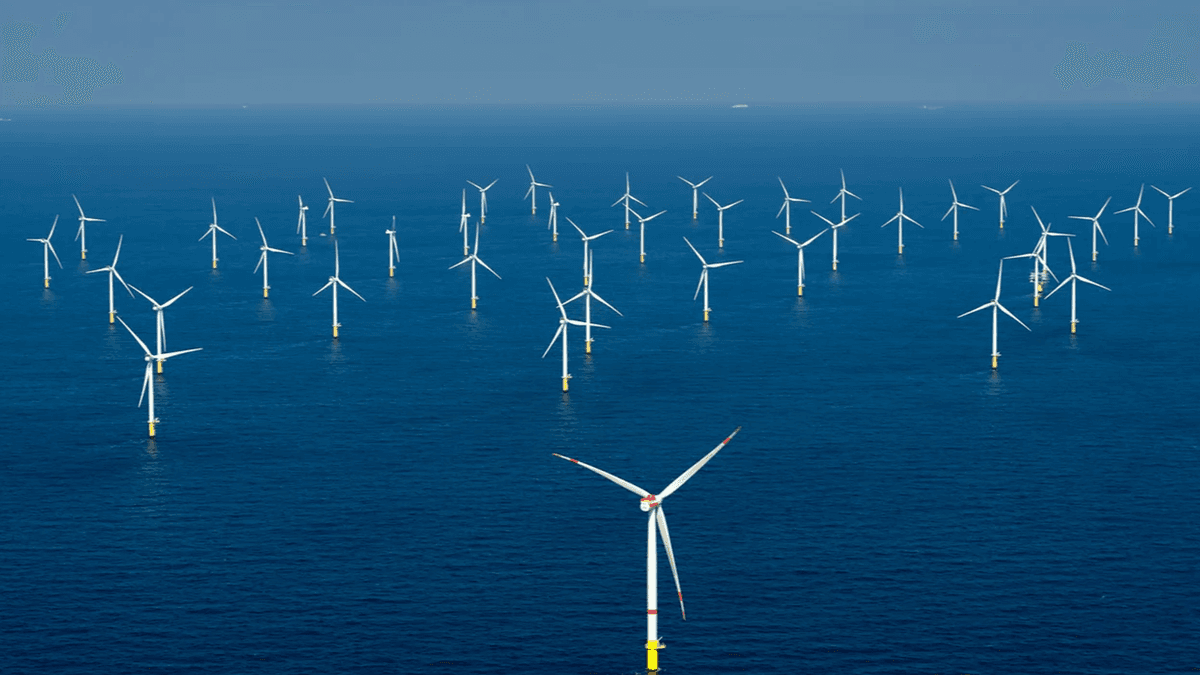
Harnessing the Power of Offshore Wind
Offshore wind energy is one of the fastest-growing renewable energy sources, capable of delivering massive amounts of clean electricity right where people live: along coastlines.
Further Reading
Stay curious!