

Thomas Paine Publishes “Common Sense”
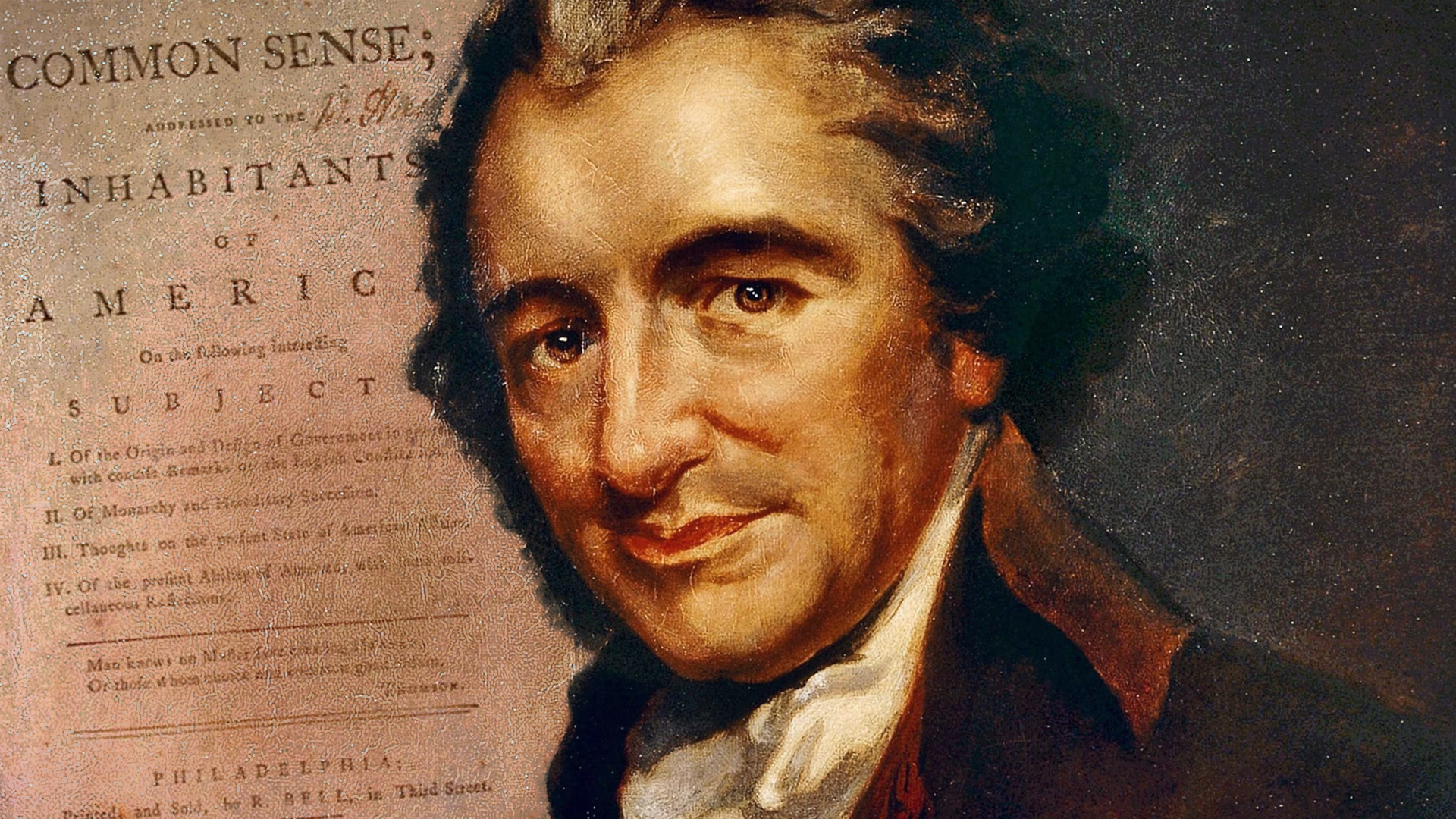
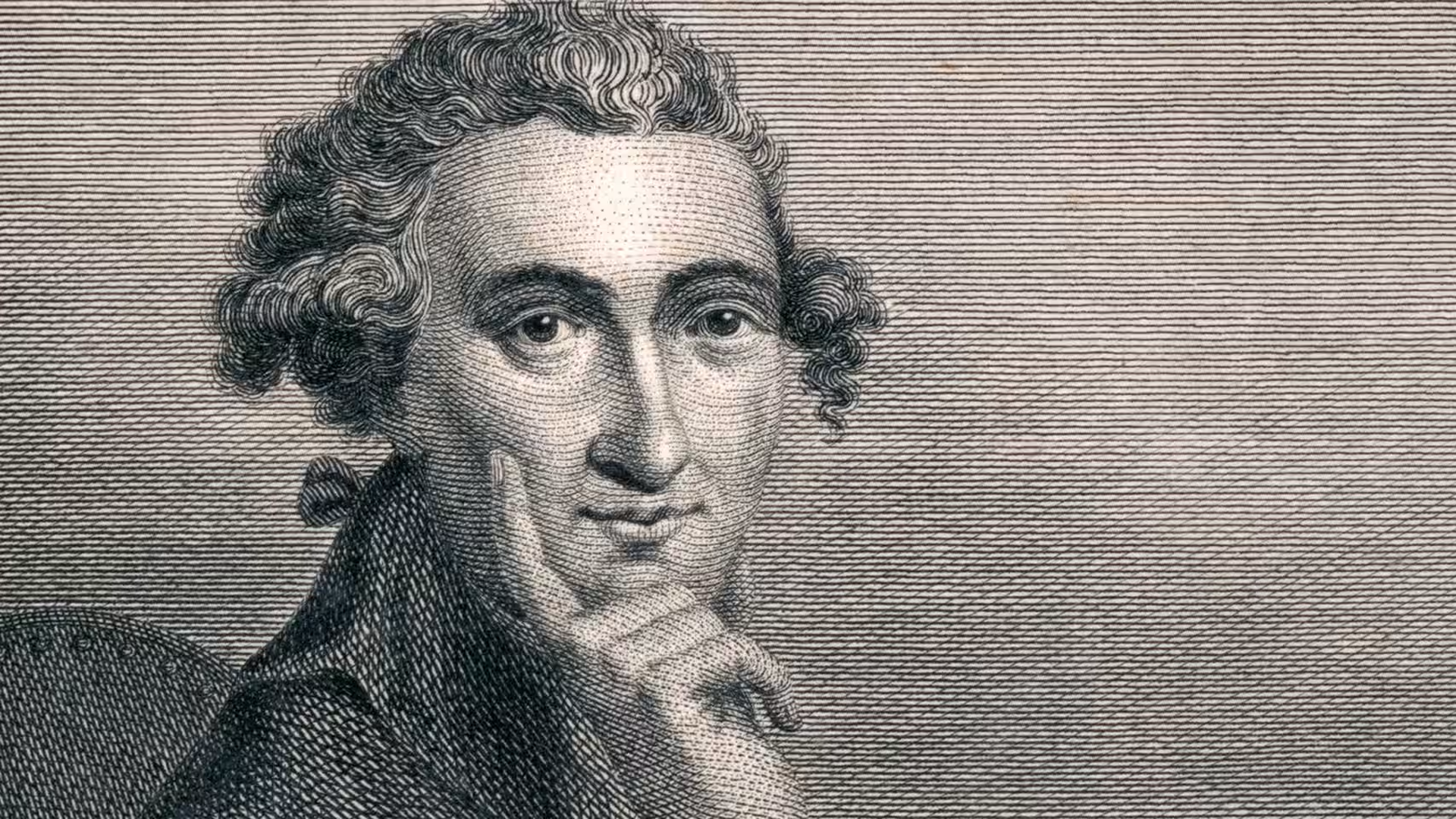
Thomas Paine’s pamphlet Common Sense helped convince American colonists to support independence from Britain.
What Happened?
In January 1776, the American colonies were already fighting British troops, yet many colonists still hoped for reconciliation with the Crown. Thomas Paine’s Common Sense directly challenged that mindset by arguing that the conflict was not simply about unfair taxes or specific laws, but about a deeper problem: whether people should be ruled by a distant monarch at all. Paine reframed the struggle as a clear choice between continued submission to arbitrary power and the creation of a self-governing society based on liberty.
Paine drew heavily on Enlightenment ideas such as natural rights, equality, and consent of the governed, which were circulating among intellectuals in Europe and America. What made Common Sense unique was how Paine communicated these ideas. He avoided Latin phrases, legal jargon, and academic theory, choosing plain language and vivid examples so that ordinary people—farmers, shopkeepers, sailors, and soldiers—could understand complex political ideas and see how they applied to their own lives.
One of the pamphlet’s most powerful arguments was its attack on monarchy itself. Paine argued that hereditary rule was unreasonable because it placed power in the hands of people based on birth rather than ability or virtue. He warned that monarchies encouraged corruption, wars, and inequality. By asserting that “the law is king,” Paine helped introduce a foundational American principle: government must be ruled by laws created with the consent of the people, not by the will of a single ruler.
Common Sense also reshaped how colonists understood their identity and place in the world. Paine rejected the idea that Britain was America’s "mother country," arguing instead that America was shaped by people from many European nations who came seeking freedom. This helped promote the idea that American identity was civic rather than hereditary—rooted in shared ideals like liberty, self-rule, and religious freedom, rather than loyalty to a crown or empire.
The pamphlet spread with remarkable speed for the 18th century. Thousands of copies were printed, shared, and reprinted, and many more people encountered it through public readings in taverns, churches, and town gatherings. Because literacy was uneven, these readings turned Common Sense into a collective experience, helping unify colonists across regions and social classes around a shared political vision at a moment when unity was essential for survival.
The influence of Common Sense reached beyond public opinion and into political action. Its arguments made independence seem not only reasonable but urgent, placing pressure on colonial leaders who had been reluctant to fully break from Britain. Ideas from Paine’s pamphlet—such as the rejection of tyranny, the legitimacy of revolution, and the authority of the people—would soon appear in the Declaration of Independence and shape debates about how the new nation should be governed.
The lasting importance of Common Sense lies in its contribution to America’s core democratic ideals. It reinforced the belief that ordinary people are capable of governing themselves, that political authority must be justified by justice and reason, and that tradition alone is not a valid defense for unfair systems. These ideas became central to American civic culture and continue to influence how Americans think about democracy, law, and the responsibility of citizens to question power.
Why It Matters
Common Sense shows how clear ideas, shared openly, can challenge powerful systems and reshape society. By writing in plain language for ordinary people, Thomas Paine proved that democracy depends on informed citizens who are willing to question authority, reject unfair traditions, and take responsibility for self-government. The pamphlet’s core ideas—rule of law over rulers, government by consent, and the duty to resist injustice—remain central to modern debates about democracy, accountability, and the role of citizens in protecting their freedoms.
?
Why do you think Common Sense was more persuasive than other political writings of its time, even though it was shorter and less formal?
How did Thomas Paine’s use of clear, everyday language help ordinary colonists see themselves as capable of self-government?
What risks did Paine take by openly criticizing monarchy and calling for independence before most leaders were ready to do so?
What modern ideas, movements, or messages spread today in ways similar to how Common Sense spread in 1776?
How can citizens today use words, media, and shared ideas to influence democracy without using violence?
Dig Deeper
This video explains how Common Sense spread quickly through the colonies and helped convince Americans to support independence from British rule.
Related
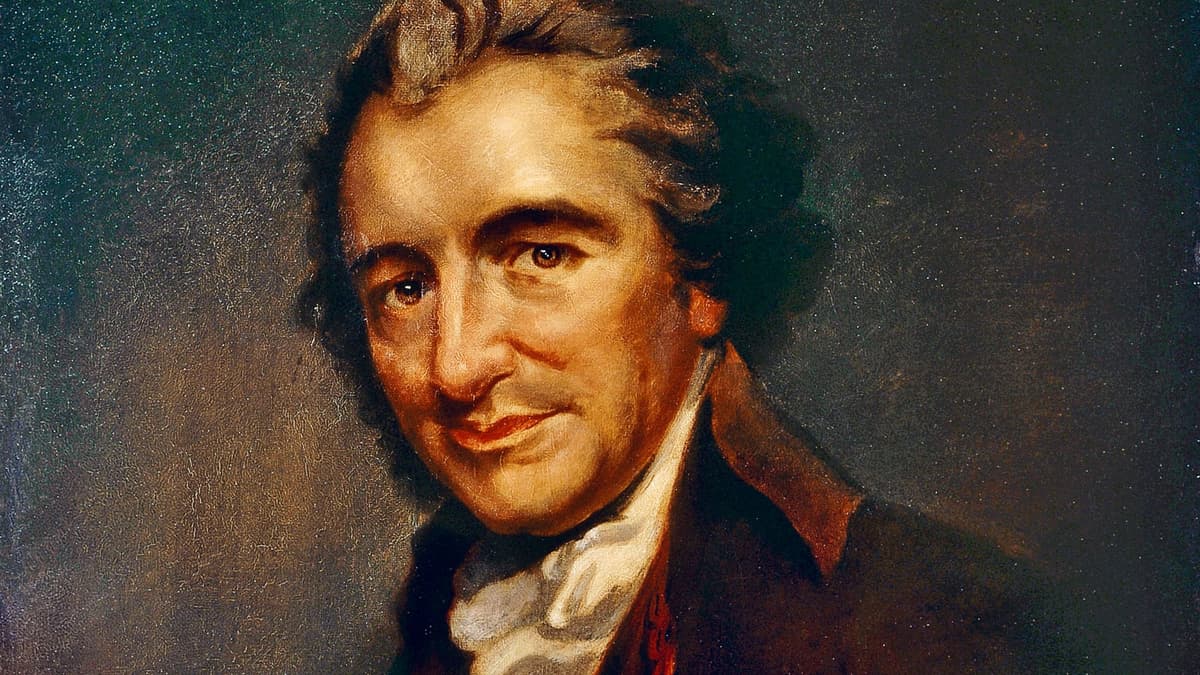
The Role of Ideas in Revolutionary Change
The Role of Ideas in Revolutionary Change: How can ideas and writings change the course of history?
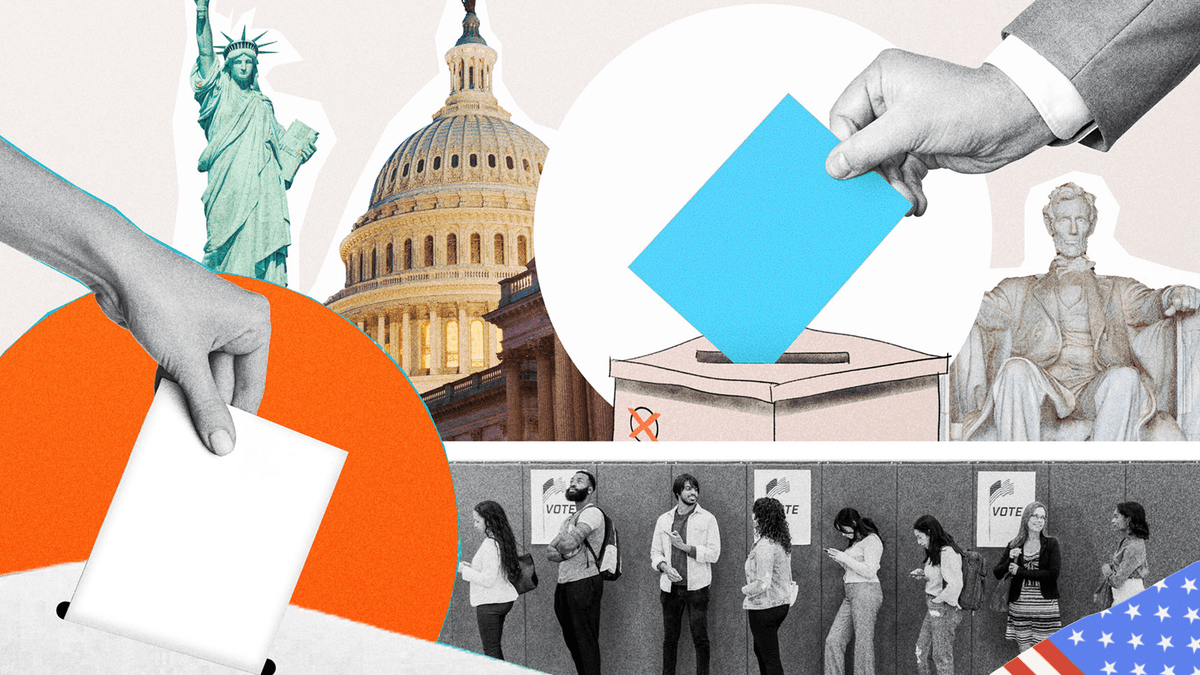
Democracy: Government by the People
Democracy is more than voting every few years. It is a way of sharing power, protecting rights, and making sure ordinary people have a real voice in how they are governed.
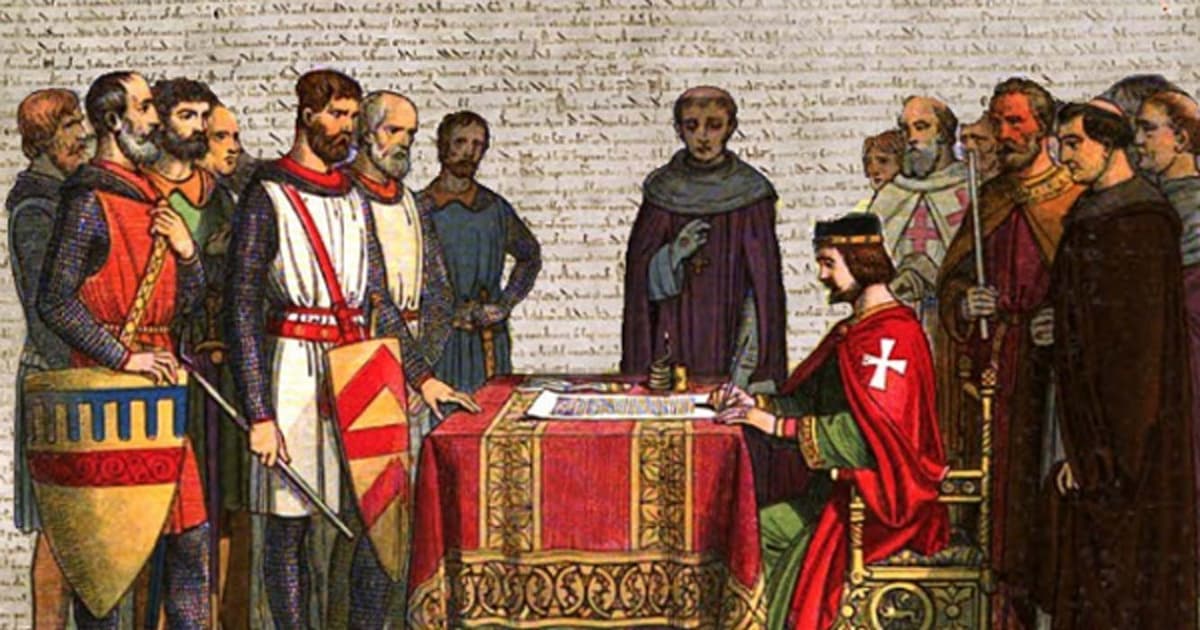
Magna Carta
On May 12, 1215, a gang of angry English barons forced King John into a corner—and launched a document that would echo across centuries. It wasn’t democracy, but it was a dent in the divine right of kings.
Further Reading
Stay curious!